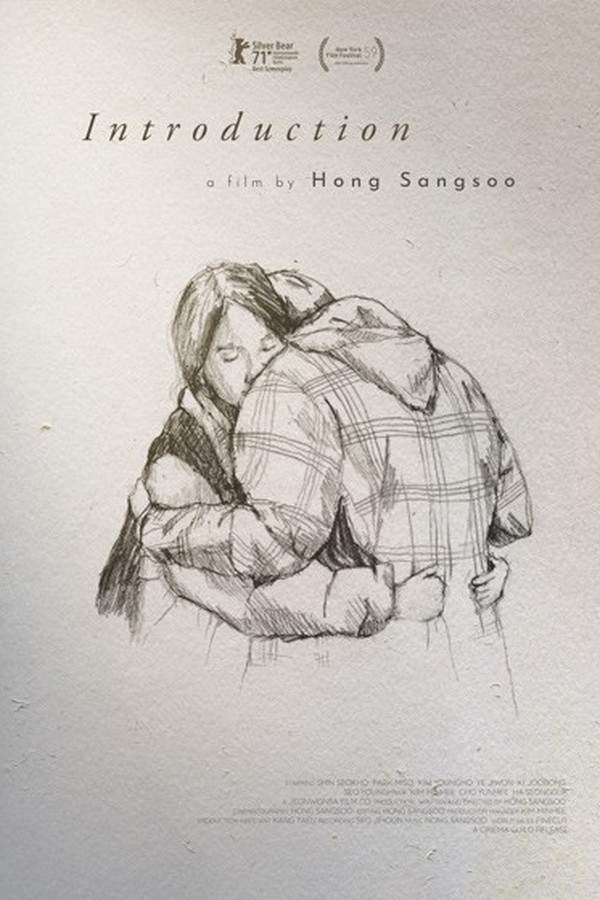
Sangwon, a drifting college student enjoying a school holiday after finals, slides away from his older brother and wanders down a side street, where he unexpectedly runs into his former girlfriend, Yongsil, who is working at an optician’s shop. The moment stirs mixed memories and unspoken questions about where he stands emotionally, so he hesitates to rekindle what they once had. Instead, he chooses to linger, slipping into a nearby theater to watch a play while waiting for her shift to end, hoping a spectator’s distance might help him decide what to do later that evening. The decision to act—or not—hangs over him as the play unfolds, and the city outside continues in its ordinary rhythm.
Throughout the production, the final words spoken by a desperate, ailing child—unable to be consoled by his mother—linger in Sangwon’s mind. Those words of anguish echo in his thoughts, resurfacing later on the rooftop of his parents’ apartment. In a moment of personal turmoil and failed despair, he finds himself reciting or reacting to them, as if the stage’s pain has crossed into his own life, challenging him to confront the ache he has kept at bay. The sequence is quiet but weighty, a reminder of how swiftly doubt can morph into a surge of vulnerability when faced with the consequences of indecision.
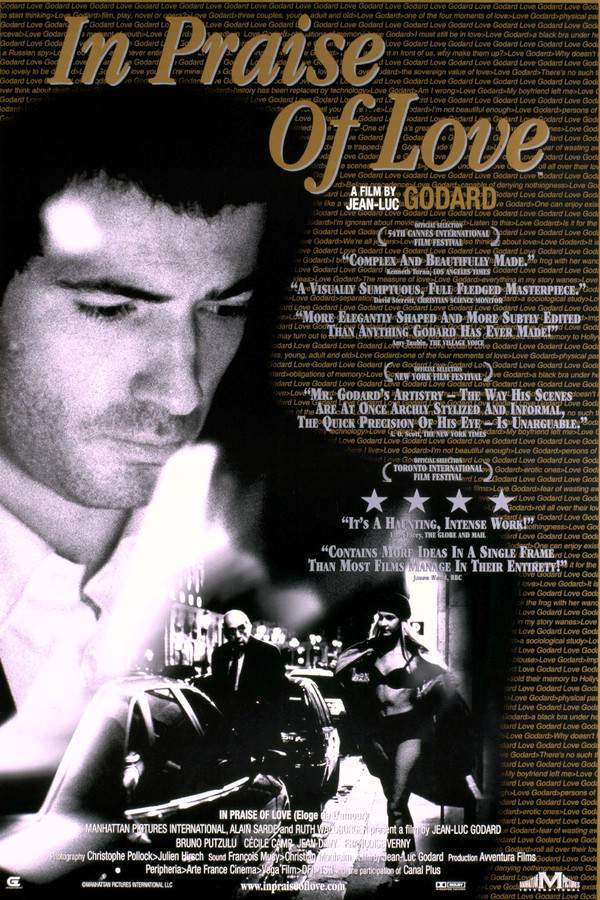
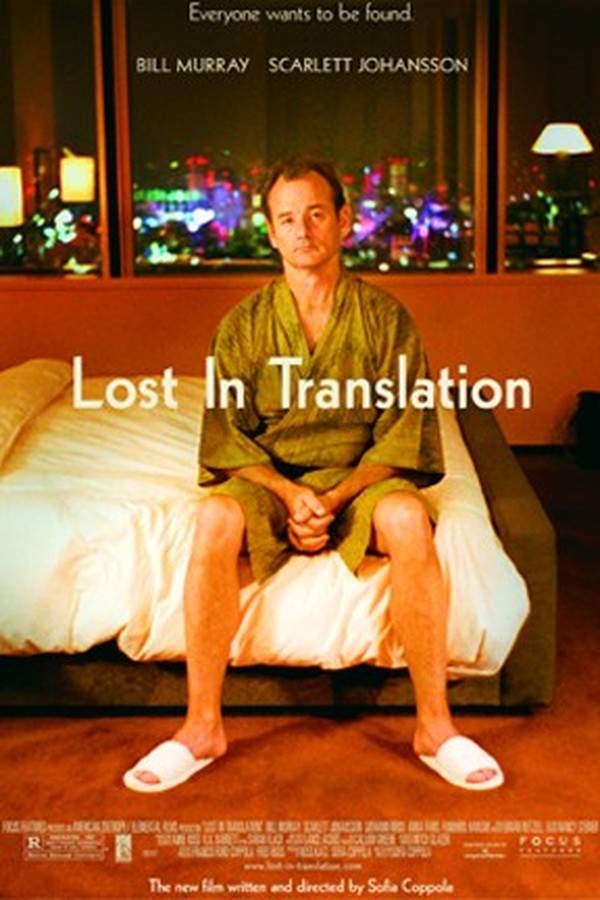
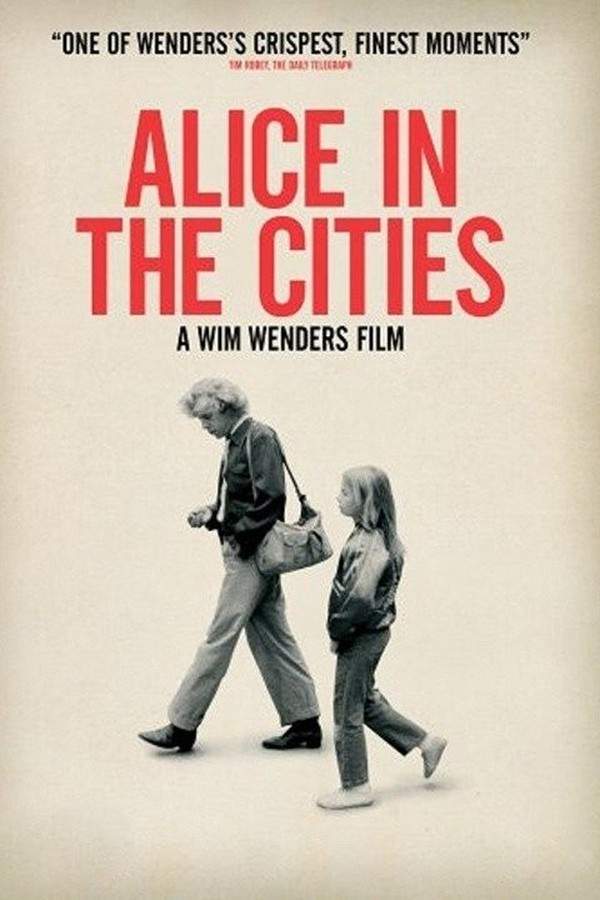
Intertwined with Sangwon’s arc is a corollary thread centered on Tongsu, a rootless filmmaker who has become obsessed with a short film directed by a former classmate. His fixation centers on the devoted and obliging woman who inhabits the film, a figure brought to life on screen by the Son Sook. As Tongsu gradually inserts himself into her world, he begins to imitate the gestures and moods she embodies, revisiting the film’s locations in an attempt to realize a version of her that exists only in his imagination. The narrative follows his patient, almost ceremonial pursuit, blurring the lines between the cinephile’s reverence and a dangerous hunger to possess a crafted image of another person.
What emerges is a quiet, reflective meditation on longing, perception, and the ways people coax meaning from memory. The film juxtaposes Sangwon’s intimate, everyday hesitations with Tongsu’s more extreme, almost feverish project of self-delusion, both threads moving through scenes of ordinary life—street corners, a shop’s warm glow, a worn rooftop—and asking how memory and desire shape choices, relationships, and the stories we tell about ourselves. The result is a thoughtful, emotionally nuanced portrait that resists spectacle in favor of inner weather, inviting viewers to consider how one person’s ache for connection can collide with another’s impulse to shape reality to fit a personal dream.






-HOGtBZMKH4I3HQ.jpg)