Year: 1965
Runtime: 198 mins
Language: Telugu
Director: Kamalakara Kameshwara Rao
After the Pandavas are forcefully exiled by their enemies, they must get together and fight back in order to reclaim their land.
Warning: spoilers below!
Haven’t seen Pandava Vanavasamu yet? This summary contains major spoilers. Bookmark the page, watch the movie, and come back for the full breakdown. If you're ready, scroll on and relive the story!
Trace every key event in Pandava Vanavasamu (1965) with our detailed, chronological timeline. Perfect for unpacking nonlinear stories, spotting hidden connections, and understanding how each scene builds toward the film’s climax. Whether you're revisiting or decoding for the first time, this timeline gives you the full picture.
Last updated: October 09, 2025 at 11:28
Find frequently asked questions about the Pandava Vanavasamu (1965) timeline, including chronological order, nonlinear jumps, cause-and-effect links, and scene sequence clarifications. This timeline FAQ helps explain when key events happen, how moments connect, and why the story unfolds in that specific order.
Yudhishthira was tricked by Sakuni, who orchestrated the dice game at Duryodhana's request. Sakuni used loaded dice and manipulated Yudhishthira's sense of dharma and honor. As a king known for his righteousness, Yudhishthira believed he could not refuse a challenge to his honor, making him vulnerable to the trap. The first game already cost him his kingdom and wealth, but he was then tricked into a second game that resulted in exile.
The film establishes earlier that Duryodhana was humiliated at the Mayasabha and sought revenge through Sakuni's counsel.
Draupadi was humiliated because Yudhishthira had already lost her in the dice game as part of his bets. When Duryodhana ordered her to be brought to the court, she was dragged in front of the entire assembly. Dushasana attempted to disrobe her, and the court did nothing to stop it. This event became a turning point that fueled the Pandavas' resolve to reclaim their honor, though they accepted their exile as part of dharma.
The dice game itself was designed specifically to target the Pandavas through their most vulnerable points.
The Pandavas accepted exile because Yudhishthira had lost the second dice game and was bound by his word as a king who upholds dharma. Even though they could have fought, adhering to their moral code was central to their identity. Krishna's influence guided them toward patience and the eventual righteous path rather than immediate violence. The twelve-year exile became a period of preparation and strengthening of their bonds.
Throughout the narrative, characters repeatedly note Krishna's influence steering events toward a larger purpose.
The Sowgandhika Pushpam was a divine flower that Bhima obtained from Anjaneya (Hanuman) during the Pandavas' exile. Bhima retrieved it to fulfill Draupadi's wish, showing his devotion to his wife despite their circumstances. This encounter also strengthened Bhima's connection to divine beings and boosted the Pandavas' morale during their difficult period in the forest.
The encounter occurs after the Pandavas have already lost their kingdom and dignity, providing them with hope.
Duryodhana was rescued by Bhima and Arjuna, sent by Dharmaraju (Yudhishthira). Despite being exiles and enemies of Duryodhana, the Pandavas chose to rescue him because Dharmaraju insisted that dharma requires helping even an enemy in distress. This act humbled Duryodhana and demonstrated the Pandavas' commitment to righteousness, even as their rival's pride suffered.
Earlier, Duryodhana had tried to disrupt the Pandavas' exile by lingering near their camp.
Saindhava, the husband of Dussala, became infatuated with Draupadi after she rejected his advances. In his obsession, he abducted her from the Pandavas' camp. Bhima swiftly rescued Draupadi and was prepared to kill Saindhava, but Dharmaraju intervened, insisting that dharma must prevail over revenge. Instead of killing him, Bhima humiliated Saindhava and expelled him from the camp, administering justice while maintaining moral restraint.
This abduction occurs during the Pandavas' exile when they are most vulnerable.
The Kauravas planned to marry Lakshmana Kumara (Duryodhana's son) to Sasirekha, Balarama's daughter, in an attempt to isolate Krishna from the Pandavas. However, Krishna advised Bhima to thwart this plan. Bhima sent Ghatothkacha, his son, to impersonate Sasirekha at the wedding ceremony. Ghatothkacha's antics created chaos and derailed the intended match, allowing Sasirekha to marry Abhimanyu instead, strengthening the Pandava alliance.
Karna and Sakuni had previously recognized Krishna's powerful influence over the Pandavas.
Ghatothkacha used his demonic abilities to disguise himself as Sasirekha, the bride. His physical transformation allowed him to stand in for her during the ceremony. When the time came for the wedding to be completed, his true nature became apparent through his chaotic behavior, which disrupted the proceedings and prevented the marriage to Lakshmana Kumara from taking place.
Krishna's counsel to Bhima set this plan in motion, demonstrating his strategic influence.
Dharmaraju stopped Bhima from killing Saindhava because executing an unarmed, defeated enemy would violate dharma. Even though Saindhava had committed a grave offense by abducting Draupadi, Dharmaraju insisted that the Pandavas must uphold their moral code regardless of the provocation. Bhima complied but still punished Saindhava by humiliating him and driving him away, balancing justice with righteousness.
This moment echoes the Pandavas' broader commitment to dharma throughout their exile.
During their twelve-year exile, the Pandavas endured hardships while strengthening their unity and resolve. Bhima gained divine gifts like the Sowgandhika Pushpam, the brothers maintained their alliance with Krishna, and they outmaneuvered Kaurava schemes like the Sasirekha marriage plot. By the end of exile, they emerged wiser and more united, ready to reclaim their rightful place in Hastinapura through the path of dharma.
The film establishes early on that Krishna's support remains steadfast throughout their journey.
Krishna served as the guiding force behind the Pandavas' strategic decisions throughout their exile. While not physically present at all times, his counsel influenced key moments like the rescue of Duryodhana, the thwarting of the Sasirekha marriage plot, and the overall approach to maintaining their alliance. The Kauravas recognized Krishna's influence as a decisive factor in the Pandavas' resilience, and his guidance helped preserve their path toward reclaiming their kingdom.
Krishna's presence was established at the Rajasuya Yaga as the Pandavas' divine supporter.
Discover curated groups of movies connected by mood, themes, and story style. Browse collections built around emotion, atmosphere, and narrative focus to easily find films that match what you feel like watching right now.
Stories of noble figures unjustly exiled, fighting to reclaim their rightful place.Explore films similar to Pandava Vanavasamu where characters face exile and must fight to reclaim their destiny. If you liked the themes of righteous struggle, political betrayal, and epic resilience, this thread gathers movies with a similar narrative of overcoming displacement and injustice.
The narrative pattern revolves around a profound loss of status and home, forcing the protagonists into a period of hardship and reflection. This exile serves as a crucible, testing their values and unity, before they marshal their strength for a final, morally justified confrontation to regain what was lost.
Movies are grouped here because they share a focus on the emotional and strategic journey of exile. They combine heavy emotional weight with a steady, epic pacing, exploring themes of honor, betrayal, and the unwavering pursuit of what is right against overwhelming odds.
Grand stories where political intrigue forces characters into profound ethical choices.Find movies like Pandava Vanavasamu that explore the heavy moral conflicts within political and family dramas. This selection focuses on complex stories of duty, betrayal, and intrigue, perfect for viewers who enjoyed the tense, weighty ethical challenges faced by the characters.
Stories in this thread typically involve a large ensemble cast navigating a politically charged world. The central conflict arises from competing loyalties—to family, to duty, to personal honor—leading to devastating betrayals and difficult choices that shape the fate of kingdoms or communities.
These films are united by their complex narratives, heavy emotional weight stemming from moral quandaries, and a tense atmosphere driven by political intrigue. They offer a steady, methodical pacing that allows for deep exploration of ethical themes within an epic framework.
Don't stop at just watching - explore Pandava Vanavasamu in full detail. From the complete plot summary and scene-by-scene timeline to character breakdowns, thematic analysis, and a deep dive into the ending - every page helps you truly understand what Pandava Vanavasamu is all about. Plus, discover what's next after the movie.
Read a complete plot summary of Pandava Vanavasamu, including all key story points, character arcs, and turning points. This in-depth recap is ideal for understanding the narrative structure or reviewing what happened in the movie.
Discover the characters, locations, and core themes that shape Pandava Vanavasamu. Get insights into symbolic elements, setting significance, and deeper narrative meaning - ideal for thematic analysis and movie breakdowns.
Discover movies like Pandava Vanavasamu that share similar genres, themes, and storytelling elements. Whether you’re drawn to the atmosphere, character arcs, or plot structure, these curated recommendations will help you explore more films you’ll love.
Pandava Vanavasamu (1965) Plot Summary & Movie Recap
Pandava Vanavasamu (1965) Scene-by-Scene Movie Timeline
Pandava Vanavasamu (1965) Spoiler-Free Summary & Key Flow
Movies Like Pandava Vanavasamu – Similar Titles You’ll Enjoy
Vanamagan (2017) Movie Recap & Themes
Pandavar Bhoomi (2001) Detailed Story Recap
Pandem (2005) Complete Plot Breakdown
Vanaja (2006) Plot Summary & Ending Explained
Pandippada (2005) Spoiler-Packed Plot Recap
The Mahabharata (1989) Complete Plot Breakdown
Pandu (2021) Plot Summary & Ending Explained
Adipurush (2023) Story Summary & Characters
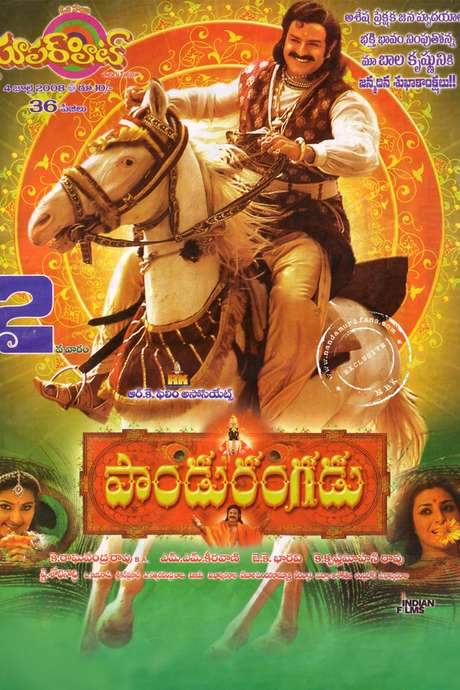
Pandurangadu (2008) Ending Explained & Film Insights
Daava (1997) Detailed Story Recap
Anthahpuram (1998) Full Summary & Key Details
Daana Veera Soora Karna (1977) Full Movie Breakdown
Mahabharat (1965) Film Overview & Timeline
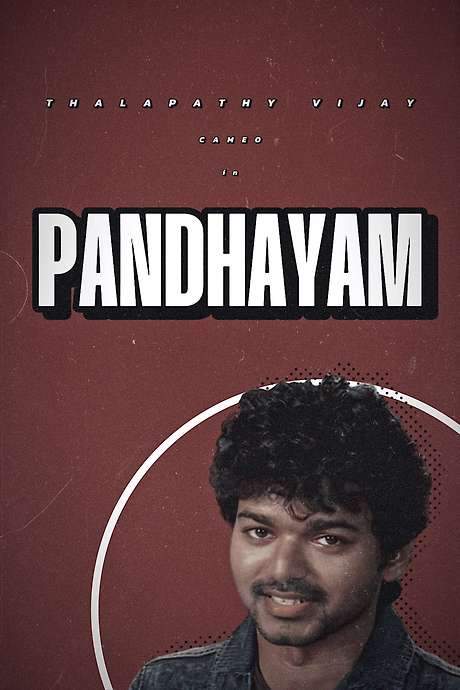
Pandhayam (2008) Spoiler-Packed Plot Recap
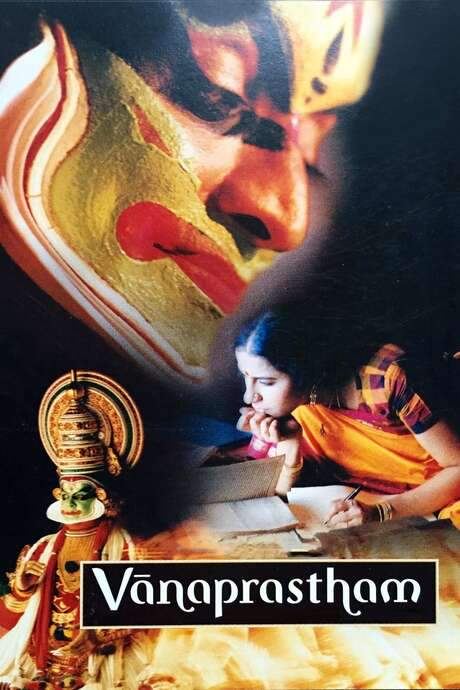
Vanaprastham (1999) Spoiler-Packed Plot Recap