Year: 1954
Runtime: 92 mins
Language: English
Director: Douglas Sirk
Roman centurion Marcian is captured by Attila the Hun while traveling to Constantinople, but manages to escape. Upon reaching the capital he discovers that Emperor Theodosius is colluding with Attila, allowing the Huns to threaten Rome unchecked. Marcian wins the support of Pulcheria, Theodosius’ sister, who hopes to preserve a united empire.
Warning: spoilers below!
Haven’t seen Sign of the Pagan yet? This summary contains major spoilers. Bookmark the page, watch the movie, and come back for the full breakdown. If you're ready, scroll on and relive the story!
Read the complete plot breakdown of Sign of the Pagan (1954), including all key story events, major twists, and the ending explained in detail. Discover what really happened, and what it all means.
In the fifth century, the Roman Empire is divided into two halves—the West, with its capital at Rome under Emperor Valentinian III, and the East, with Constantinople as its heart under Emperor Theodosius. A looming threat hangs over both realms as the Huns led by an imposing warlord push against Roman borders.
The Roman soldier Marcian carries a warning from Valentinian to Theodosius, but fate intervenes when he is captured by the Hun leader. The conqueror is struck not only by Marcian’s courage but by his honesty, and he keeps him close, hoping to pry loose Rome’s plans. The moment of mercy becomes a point of no return, as the Hun chief even carves out the arrow from his own leg to keep Marcian conscious while he questions him. This hostage situation foreshadows a collision of two empires that will test loyalties, faith, and fate.
Inside the Hun camp, Attila’s reach extends beyond battlefield tactics. He captures a local king’s family and, in a brutal turn, orders most of them slain—except for the daughter, Ildico, whom he takes as his wife. The marriage marks a personal dimension to the war—an uneasy alliance shaped by power and conquest. When Kubra, Attila’s daughter, flaunts her father’s prize stallion in Constantinople, Marcian seizes the moment to escape with the steed and seeks refuge in the imperial capital.
Back in Constantinople, Marcian earns the trust of General Paulinus, who shares troubling intelligence: Theodosius plans to align with the Huns against Valentinian. Marcian is summoned by the emperor’s sister, Princess Pulcheria, who reveals a genuine love for Rome and a desire to guard its fate. She entrusts Marcian with command, naming him to lead her guard and promising protection for the city. The romance of Rome and its ancient seat of power becomes entangled with a military strategy that could decide the fate of an empire.
The court becomes a theater of high-stakes diplomacy and martial moves. Theodosius, now facing Hun pressure, agrees to pay tribute to Attila in exchange for peace, hoping to avert a direct assault. Yet Attila’s demand extends beyond money—he wants Roman weapons, and he expects Marcian to teach his people to wield them. Kubra, the Hun princess, is among the first to train with these weapons, while Pulcheria’s supporters wonder if the East can hold back a full-scale invasion.
Pulcheria, determined to shield the realm she adores, pleads with Attila to release Marcian from his guard duties. In a tense moment, Attila kisses her roughly, a reminder of the power imbalance at the heart of this alliance. The negotiations continue as Theodosius contemplates broader strategies, and a fragile peace appears to glitter on the horizon—until Attila receives a sign that he interprets as an omen.
A pivotal religious confrontation arrives when Pope Leo I enters the scene, declaring Rome the temple of God and foretelling Attila’s downfall. The pontiff’s intervention unsettles the Hun, and Kubra’s perceived betrayal deepens Attila’s heartbreak. The storm intensifies as Attila senses that divine forces may oppose him, even as his seer presses him toward a terrifying future. The mounting omens culminate in a dramatic nocturnal decision—the Huns are urged to press Rome, yet divine signs guide Marcian toward a counterstrike.
As the legions assemble near Rome, Theodosius’ plans begin to unravel. Marcian, sensing an opportunity, orchestrates an ambush against the invaders, coordinating with Pulcheria to position their forces for a decisive strike. The siege intensifies, and the city braces for impact. The moment of reckoning arrives when Ildico, consumed by a long, simmering rage, drives a dagger into Attila’s chest, fulfilling the fatal prophecy in a brutal, intimate act. The cross-shadowed dream that haunts Attila’s sleep seems to become a grim reality as the conqueror falls.
The battle’s momentum shifts in Rome’s favor as Marcian closes the net around Attila. The Huns retreat in confusion, and a final duel with Attila ends in his demise, echoing the prophecies that have shadowed him since the beginning. With Attila’s death, the empire’s future suddenly shifts. In the wake of these events, Pulcheria, seizing the opportunity to heal a fractured realm, reunites the two halves of the Empire and elevates Marcian to emperor, a choice welcomed by the Roman people who crave stability and renewal after years of upheaval.
Last updated: October 09, 2025 at 11:26
Explore frequently asked questions about Sign of the Pagan (1954) with spoiler-rich answers covering the full plot summary, major story beats, character motivations, hidden details, and ending meaning. This movie summary FAQ helps explain confusing scenes, plot twists, and narrative decisions in clear, searchable detail.
Attila is impressed by Marcian's courage and honesty during interrogation. Rather than executing him, Attila keeps him alive as a hostage to extract information about Roman defenses and plans. Additionally, Attila removes an arrow from his own leg to keep Marcian conscious so he can continue questioning him, showing strategic value in keeping the prisoner alive.
The captor-prisoner dynamic sets up Marcian's later position of influence within the Hun camp and his eventual escape.
While in Constantinople with the Hun delegation, Marcian seizes Attila's prized stallion and rides it away from the Hun camp back to the city. This daring theft allows him to escape captivity and seek refuge in the imperial capital where he can warn Theodosius about the Hun threat.
Stealing the stallion demonstrates Marcian's boldness and establishes his credentials as a hero capable of decisive action.
Facing Hun military pressure and seeking to avoid a direct assault on Constantinople, Theodosius negotiates a deal where he pays monthly tribute to Attila in exchange for peace. This arrangement reflects his willingness to buy safety through submission rather than risk war, even as it compromises Rome's honor and independence.
The tribute agreement creates tension within the palace and motivates Pulcheria to seek alternative solutions through Marcian.
Pulcheria is Theodosius's sister who loves Rome deeply and wants to preserve the empire. She befriends Marcian after he arrives in Constantinople, appoints him captain of her guard, and later helps rally forces to defend Rome against the Huns. Her political ambitions aim to unite the fractured empire and protect it from both external invasion and internal corruption.
Pulcheria's support elevates Marcian from prisoner to military leader, setting the stage for his eventual rise to emperor.
Attila is killed on the battlefield by his own wife Ildico, who drives a dagger into his chest during the siege of Rome. This assassination fulfills a prophecy that has haunted Attila throughout the film. The dagger's handle casts a shadow forming a cross, which is interpreted as divine judgment upon the pagan conqueror.
Earlier omens including lightning strikes and the Christian symbolism throughout the film foreshadow Attila's downfall and the victory of Christian Rome.
Ildico was captured when Attila destroyed her family, killing her relatives and taking her as his wife against her will. Her marriage to Attila represents a brutal conquest rather than willing union. Driven by long-simmering rage and the desire for revenge for her murdered family, she seizes the moment of the battle to assassinate the Hun leader.
Attila's earlier order to kill the family of the local king while sparing only Ildico plants the seeds of this personal betrayal.
Pope Leo I arrives before the Hun army and declares Rome to be the temple of God, prophesying Attila's downfall. This religious intervention rattles Attila and his seers, who have been interpreting omens throughout the campaign. The Pope's spiritual authority creates doubt among the Huns about the righteousness of their assault.
Religious omens and signs have been building throughout the film, with lightning and Christian imagery foreshadowing this divine confrontation.
With Attila dead and the Huns in retreat, Pulcheria seizes the opportunity to reunite the fractured Roman Empire. She elevates Marcian to the position of emperor, a choice welcomed by the Roman people who seek stability after years of invasion and political chaos. This marks the successful culmination of Marcian's journey from captured soldier to imperial ruler.
Pulcheria's early investment in Marcian's career and her political maneuvering throughout the story set up this ascension.
Kubra is Attila's daughter who accompanies the Huns to Constantinople and is among the first to train with Roman weapons when Attila demands the Romans teach them. She later converts to Christianity after witnessing Pope Leo's prophecy and the power of the Christian God, representing the spiritual transformation that undermines Attila's confidence.
Kubra's presence at the weapons training and her church visit plant the seeds of her father's doubt about the invasion's success.
When Ildico stabs Attila with the dagger, the handle casts a shadow forming the shape of a cross. This visual detail symbolizes divine judgment against the pagan conqueror who threatened Rome. It connects the film's religious themes with the fulfillment of prophecy, suggesting that Christian Rome was destined to survive the Hun invasion.
Lightning omens and Pope Leo's prophecy about Attila's downfall have prepared viewers for this symbolic moment of divine intervention.
Theodosius intends to join forces with the Huns against Valentinian III, the Western Roman Emperor. General Paulinus reveals this plan to Marcian, exposing Theodosius's willingness to sacrifice the Western Empire to protect his own Eastern realm. This betrayal of family and empire creates the political crisis that drives much of the film's conflict.
Theodosius's treachery establishes the moral corruption within the imperial court and motivates Pulcheria to oppose him.
Discover curated groups of movies connected by mood, themes, and story style. Browse collections built around emotion, atmosphere, and narrative focus to easily find films that match what you feel like watching right now.
Grand stories where the destiny of civilizations rests on high-stakes decisions.If you enjoyed the high-stakes political drama and epic scale of Sign of the Pagan, explore more movies like it. This thread features historical epics centered on the rise and fall of empires, filled with tense intrigue, heavy emotional weight, and decisive military conflicts.
The narrative follows a key figure, often a soldier or strategist, caught between a decaying central power and an overwhelming external threat. The plot steadily builds pressure through political betrayal and the looming specter of war, culminating in a large-scale conflict that determines the fate of an empire, often ending with a hard-worn sense of hope.
Movies are grouped here for their shared focus on pivotal historical moments, their sober and dramatic tone, and the heavy emotional weight derived from high-stakes power struggles. They create a cohesive experience of tense, large-scale historical storytelling.
Methodical tales of heroes uncovering corruption at the highest levels of power.Fans of Sign of the Pagan's plot about a centurion exposing imperial betrayal will find similar movies here. These films share a steady, tense pace and explore themes of corruption, loyalty, and the difficult fight to save a crumbling institution from its own leaders.
The narrative pattern involves a loyal agent or soldier returning from a mission to find their own leadership compromised. The story methodically follows their investigation and growing disillusionment as they gather allies from the marginalized faithful to challenge the corrupt center, leading to a confrontation that decides the future.
These movies are linked by their specific plot structure of internal discovery and rebellion, a consistently tense and sober mood, and a steady pacing that allows the dread of political decay to build effectively. The emotional journey of confronting a betrayal from above is a strong unifying element.
Don't stop at just watching - explore Sign of the Pagan in full detail. From the complete plot summary and scene-by-scene timeline to character breakdowns, thematic analysis, and a deep dive into the ending - every page helps you truly understand what Sign of the Pagan is all about. Plus, discover what's next after the movie.
Track the full timeline of Sign of the Pagan with every major event arranged chronologically. Perfect for decoding non-linear storytelling, flashbacks, or parallel narratives with a clear scene-by-scene breakdown.
Discover the characters, locations, and core themes that shape Sign of the Pagan. Get insights into symbolic elements, setting significance, and deeper narrative meaning - ideal for thematic analysis and movie breakdowns.
Discover movies like Sign of the Pagan that share similar genres, themes, and storytelling elements. Whether you’re drawn to the atmosphere, character arcs, or plot structure, these curated recommendations will help you explore more films you’ll love.
Sign of the Pagan (1954) Scene-by-Scene Movie Timeline
Sign of the Pagan (1954) Movie Characters, Themes & Settings
Sign of the Pagan (1954) Spoiler-Free Summary & Key Flow
Movies Like Sign of the Pagan – Similar Titles You’ll Enjoy
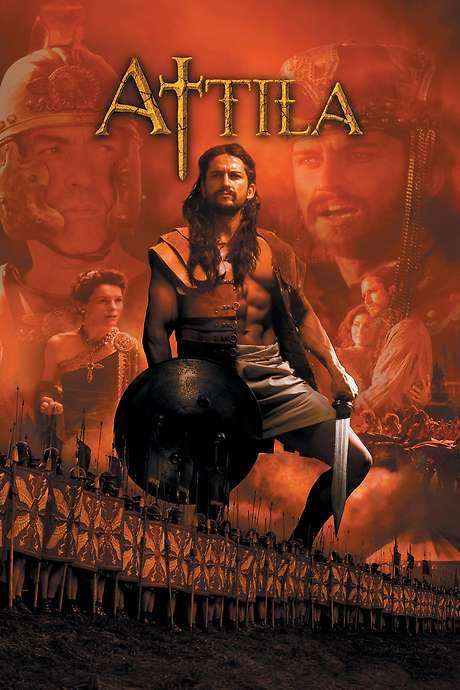
Attila (2001) Film Overview & Timeline
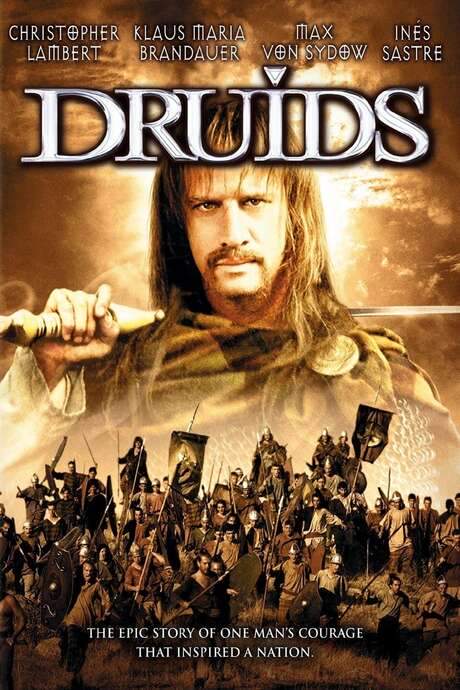
Druids (2001) Complete Plot Breakdown
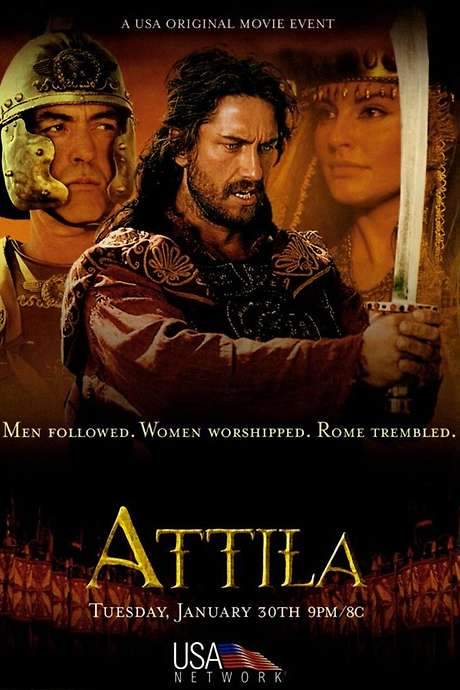
Attila (1000) Film Overview & Timeline
The Sign of the Cross (1914) Detailed Story Recap
Alone Against Rome (1962) Full Summary & Key Details
The Dacians (1967) Spoiler-Packed Plot Recap
Gladiator of Rome (1962) Detailed Story Recap
The Fall of the Roman Empire (1964) Full Movie Breakdown
Hero of Rome (1964) Full Summary & Key Details
The Fall of Rome (1963) Ending Explained & Film Insights
The Fight for Rome (1968) Film Overview & Timeline
Sign of the Gladiator (1959) Film Overview & Timeline
The Technique and the Rite (1972) Detailed Story Recap
The Sign of the Cross (1932) Complete Plot Breakdown
Attila (1954) Film Overview & Timeline