Plot Explained Spoilers guaranteed!
Plot Explained

Browse by genre

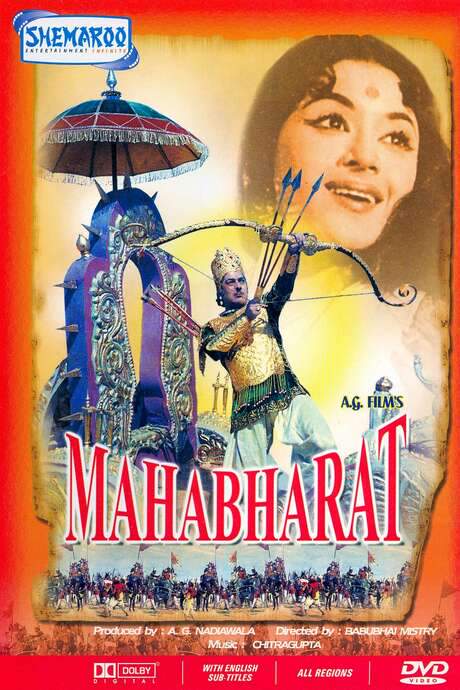
Mahabharat (1965) movie poster

Plot Summary

Mahabharat (1965) Plot Summary Explained

Release, runtime and language
1965 · 163 mins · Hindi
Directed by
Babubhai Mistri
Starring
Anoop Kumar, Pradeep Kumar, Dara Singh, Joginder Singh, Padmini, Abhi Bhattacharya

An adaptation of the ancient Indian epic The Mahabharata, it dramatizes the monumental conflict between the cousins Pandavas and Kauravas—descendants of the same ancestor—whose rivalry culminates in a massive war that explores duty, honor, and destiny.

On this page (5)
  1. 1 What happens: full plot
  2. 2 Plot questions answered
  3. 3 Movie threads
  4. 4 Movies like Mahabharat
  5. 5 Every angle

Full plot summary · contains spoilers

What Happens in Mahabharat: Full Plot Summary

The whole story of Mahabharat (1965) explained, from the opening scene to the final frame: every key event, every twist and what it all adds up to. Read it as a quick recap before the sequel, to check a scene you missed, or to finally understand what really happened.

Last updated: October 07, 2025 at 09:33

Was this helpful?

Plot questions answered

Mahabharat Plot Explained: Your Questions Answered

The questions people ask most about Mahabharat (1965): what happens in the confusing scenes, why the characters do what they do, the twists, hidden details and what the ending means. Each answer contains spoilers.

Q1

Why was Karna abandoned at birth?

Karna was abandoned by his mother Kunti shortly after his birth because she conceived him before her marriage through the blessing of the sun god. To preserve her honor and reputation, Kunti placed the newborn in a basket and set him afloat on the Ganga River, where he was rescued by a charioteer named Adiratha and his wife Radha, who raised him as their own son.

  • karna
  • kunti
  • abandoned
  • birth
  • ganga
Q2

Why did Duryodhan hate the Pandavas so much?

Duryodhan's hatred stemmed from his father Dhritarashtra being passed over for the throne in favor of Pandu, the Pandavas' father. When Pandu died, the succession question arose again, and Duryodhan grew increasingly jealous and fearful that Yudhister would become king. Shakuni, his maternal uncle, fueled this enmity by constantly plotting against the Pandavas, making Duryodhan's jealousy turn into a deep-seated desire to destroy his cousins.

Foreshadowing: The rivalry between the two branches of the family was established from the moment Pandu and Kunti's sons were born alongside Dhritarashtra's hundred sons.

  • duryodhan
  • pandavas
  • jealousy
  • shakuni
  • succession
Q3

How did the Pandavas survive the wax palace fire?

The Pandavas survived the wax palace fire through Kunti's quick thinking. When Duryodhan invited them to stay in a palace made of wax, Kunti suspected treachery. At night, she awakened her sons and they dug a tunnel beneath the floor, escaping into the forest before the palace was set ablaze. They spent many years in exile as a result of this assassination attempt.

  • wax palace
  • escape
  • kunti
  • exile
  • duryodhan
Q4

Why did Draupadi become wife to all five Pandavas?

Draupadi became the wife of all five Pandavas due to Kunti's earlier boon. When Arjuna won her in the Swayamvar, the brothers returned home and Kunti, not knowing what Arjuna had won, told them to share whatever he had brought. When they revealed it was a woman, the situation had already been established. The Pandavas decided Draupadi would be their common wife, with each brother having her as his wife during specific periods.

  • draupadi
  • arjuna
  • kunti
  • marriage
  • pandavas
Q5

What were the stakes in the dice game and why did they matter?

The dice game was rigged by Shakuni usingLoaded dice. Yudhister first staked his wealth, then his brothers, and finally Draupadi herself. Each loss forced the Pandavas into further humiliation and eventually led to their thirteen-year exile. The game was designed to strip the Pandavas of everything and was a pivotal turning point that made war inevitable.

  • dice game
  • shakuni
  • yudhister
  • draupadi
  • exile
Q6

Why did Krishna defend Draupadi in court?

Krishna defended Draupadi when she was publicly humiliated in the Kaurava court because of his commitment to dharma and protecting the righteous. When Dushasan attempted to disrobe her, Krishna manifested unlimited clothing to cover her, preserving her dignity. This intervention solidified Krishna's alignment with the Pandavas and foreshadowed his direct role in the upcoming war.

  • krishna
  • draupadi
  • humiliation
  • defense
  • divine
Q7

Why did Arjuna choose Krishna as his charioteer?

Arjuna chose Krishna as his charioteer during the war because when he and Duryodhan went to seek Krishna's help, Krishna offered his armies to one and himself as a charioteer to the other. Arjuna chose Krishna, recognizing that his wisdom, guidance, and divine presence would be more valuable than military force. This decision led to the revelation of the Bhagavad Gita.

  • arjuna
  • krishna
  • charioteer
  • war
  • kurukshetra
Q8

What is the significance of the Bhagavad Gita in the story?

The Bhagavad Gita was revealed to Arjuna by Krishna on the battlefield of Kurukshetra when Arjuna was overcome with moral doubt about killing his own relatives. Krishna taught him about duty (dharma), detachment, and the immortality of the soul, convincing Arjuna to fulfill his warrior duty. This philosophical discourse forms the spiritual core of the Mahabharata and guides Arjuna's actions throughout the war.

  • bhagavad gita
  • krishna
  • arjuna
  • duty
  • dharma
Q9

Why was war inevitable at Kurukshetra?

War became inevitable because despite completing their thirteen-year exile, the Pandavas were denied their rightful kingdom back by Duryodhan. Every attempt at peace and negotiation failed due to Duryodhan's refusal to give up an inch of land. The combination of the wax palace assassination attempt, the dice game humiliation, and the denial of their kingdom left the Pandavas no choice but to fight for what was rightfully theirs.

  • kurukshetra
  • war
  • duryodhan
  • exile
  • peace talks
Q10

How did Karna become such a powerful warrior?

Karna became a powerful warrior despite his low birth by seeking training from the great teacher Parshurama. After being rejected by Drona who refused to teach him, Karna presented himself as a Brahmin student to Parshurama and learned advanced martial arts. However, when Parshurama discovered Karna's true identity as a Kshatriya, he cursed Karna that his divine weapon would fail him at a crucial moment, cursed knowledge that would haunt him in the final battle.

Foreshadowing: Drona's rejection of Karna set him on the path to Parshurama, creating the circumstances for his eventual curse.

  • karna
  • parshurama
  • training
  • warrior
  • drona
Q11

What blessing did Gandhari give Duryodhan during the war?

Gandhari blessed her son Duryodhan with an invulnerable body made of steel after learning that Kunti had blessed the Pandavas with similar protection. This blessing made Duryodhan nearly impervious to weapons, giving him tremendous advantage in battle. However, Krishna instructed Bhima to strike Duryodhan on the thigh, exploiting a loophole in the blessing since Gandhari had blessed him everywhere except his thighs where she touched him.

  • gandhari
  • duryodhan
  • blessing
  • invulnerable
  • war
Q12

Why did Hanuman appear to Bhima during the war?

Hanuman appeared to Bhima during the war to provide divine assistance to the Pandavas. He reinforced Bhima's strength and added supernatural support during crucial battle moments. This appearance connected the Pandavas to divine celestial forces, showing that the gods were favoring their cause despite the war's tremendous cost.

  • hanuman
  • bhima
  • divine
  • war
  • support
Q13

Why did Kunti reveal Karna's secret before the war?

Kunti revealed Karna's secret, that he was actually her firstborn son, born to the sun god before her marriage, just before the war began. She did this to prevent Karna from fighting against his own brothers and to appeal to him to switch sides. However, Karna, having been shaped by his life as a charioteer's son and loyal to Duryodhan, refused, though he promised not to kill any of his brothers except Arjuna.

  • kunti
  • karna
  • secret
  • revelation
  • brothers

Movie threads

More Movies Like Mahabharat, by Mood & Story

Curated lists built around what makes Mahabharat tick: the same mood, the same kind of story or the same emotional payoff. Each list explains why these movies belong together.

Epic Myths of Fate and Divine Conflict like in Mahabharat

Grand, mythic stories where gods and destiny guide the fate of mortals. If you enjoyed the mythic grandeur and spiritual depth of Mahabharat, explore more movies like it. These epic stories draw from ancient legends and feature larger-than-life conflicts guided by fate and divine will, perfect for fans of complex, heavy, and spiritually resonant cinema.

  • epic
  • mythic
  • spiritual
  • grand
  • fateful
  • tragic
  • Tone: dark, mythic, spiritual
  • Pacing: variable, building slowly to epic climaxes
Why these movies?

The story pattern: Narratives in this thread typically follow a vast, complex arc, often involving a foundational conflict between cosmic forces of good and evil, or order and chaos, played out through mortal characters. The journey is dictated by prophecy, divine plans, and the heavy burden of fulfilling a cosmic role, leading to climactic, world-altering battles.

Why they belong together: Movies are grouped here for their shared focus on mythic scale, spiritual themes, and the interplay between human agency and divine fate. They create a heavy, intense viewing experience defined by grand stakes and a dark, serious tone that explores foundational moral questions.
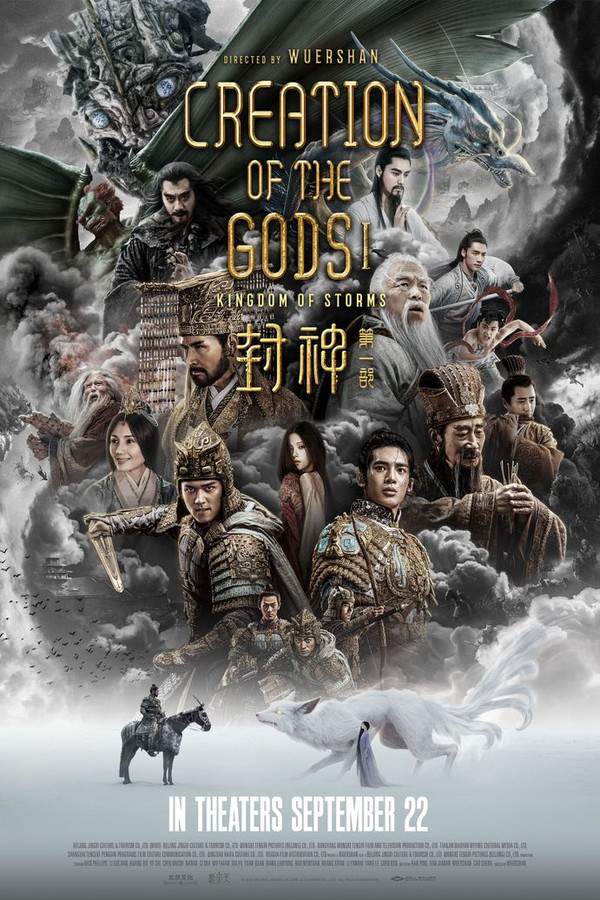

Tragic Wars and Heavy Moral Choices like in Mahabharat

Intense stories of conflict where victory carries a devastating personal cost. Seeking more movies like Mahabharat that explore the brutal realities of war? This collection features intense war epics and dramas where the fight for righteousness leads to profound loss and moral questioning, matching the dark tone and bittersweet conclusion of the original film.

  • tragic
  • tense
  • moral conflict
  • war
  • heavy
  • bittersweet
  • Tone: dark, tragic, morally complex
  • Pacing: variable, with tense build-up and explosive conflict
Why these movies?

The story pattern: These stories follow characters forced into conflict, often against their own kin or former allies, where the concepts of honor and duty are tested to their breaking point. The narrative arc builds towards a climactic confrontation whose aftermath is not triumphant, but somber, exploring the bitter cost of the struggle and the scars it leaves behind.

Why they belong together: These films are united by their exploration of war's tragic necessity and the heavy moral dilemmas faced by their characters. They share a dark tone, high intensity, and a bittersweet or sorrowful ending feel, creating a coherent experience of profound dramatic weight.

If you liked this

Movies Like Mahabharat

Similar movies to Mahabharat: the same genre, themes or kind of story. Each one comes with its own plot summary, timeline and ending explained.

Browse all movie summaries

Every angle

Mahabharat (1965) Explained: Plot, Timeline & Characters

Everything about Mahabharat in one place: what happens in the plot summary, the timeline in chronological order, the characters and meaning. What's After the Movie adds the cast, box office and post-credit scenes.

Coming soon on iOS and Android

The Plot Explained Movie Summary App

Plot summaries, endings explained and timelines on your phone. Catch up on any movie in minutes, save your favorites and never miss a twist again.

Be the first to know when we launch. Your email stays private, always.

Learn more about the app