Plot Explained Spoilers guaranteed!
Plot Explained

Browse by genre

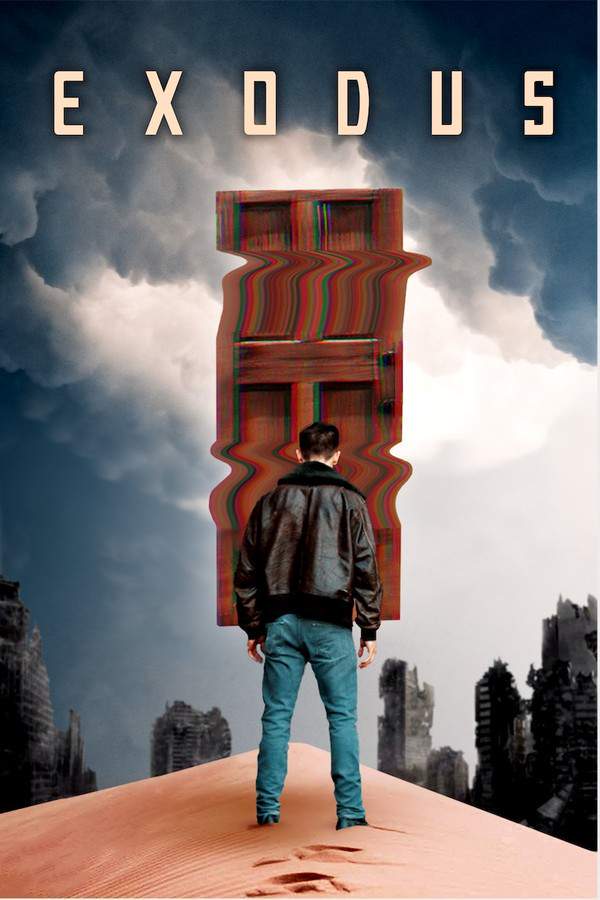
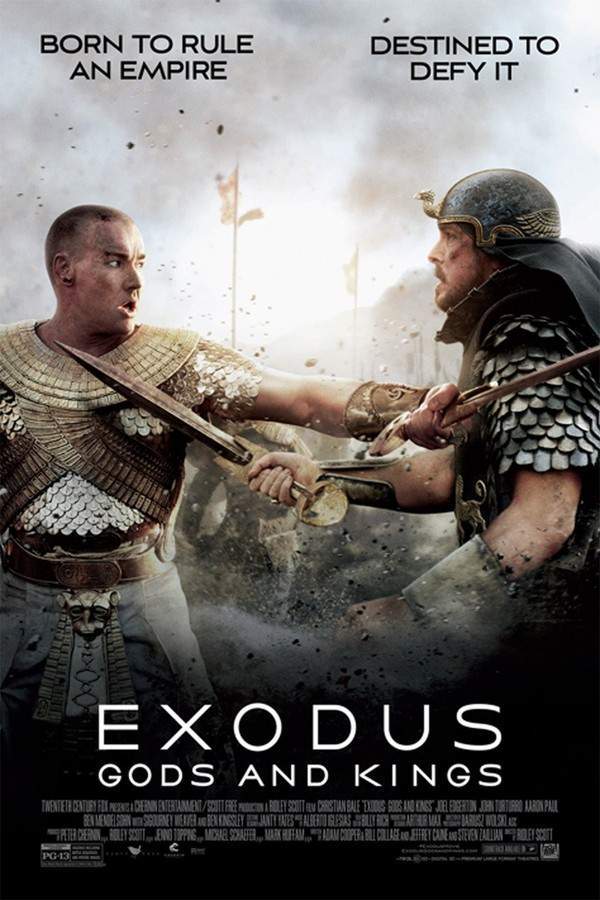
Exodus: Gods and Kings (2014) movie poster

Plot Summary

Exodus: Gods and Kings (2014) Plot Summary Explained

Release, runtime and language
2014 · 150 min · English
Directed by
Ridley Scott
Starring
Christian Bale, Ben Mendelsohn, Sigourney Weaver, Ben Kingsley, Joel Edgerton
Budget
$140M

In ancient Egypt, princes Moses and Ramses share a close bond. As Ramses rises to become pharaoh, Moses serves as his trusted advisor. However, discovering his own Hebrew origins leads to a dramatic shift in Ramses' trust, resulting in Moses' exile and a looming threat to his life. Divine intervention compels Moses to lead the enslaved Israelites in a quest for freedom, setting in motion a monumental conflict with the powerful pharaoh.

On this page (6)
  1. 1 Where to watch
  2. 2 What happens: full plot
  3. 3 Plot questions answered
  4. 4 Movie threads
  5. 5 Movies like Exodus: Gods and Kings
  6. 6 Every angle

Where to watch

Where to Watch Exodus: Gods and Kings (2014)

Where can you watch Exodus: Gods and Kings? Stream, rent or buy it in the US, including on Amazon Video, Apple TV Store and Fandango At Home: current JustWatch availability with up-to-date prices.

Streaming availability powered by JustWatch

Full plot summary · contains spoilers

What Happens in Exodus: Gods and Kings: Full Plot Summary

The whole story of Exodus: Gods and Kings (2014) explained, from the opening scene to the final frame: every key event, every twist and what it all adds up to. Read it as a quick recap before the sequel, to check a scene you missed, or to finally understand what really happened.

In 1300 BC, a young man named Moses (Christian Bale), a general and member of the Egyptian royal family, prepares to lead an attack against the formidable Hittite army, alongside Prince Ramesses (Joel Edgerton). For 400 years, the Hebrews have endured the harsh realities of slavery in Egypt. Amidst this turmoil, a high priestess interprets a prophecy through the examination of animal intestines, relaying the ominous message to Seti I ([John Turturro]), Ramesses' father. The prophecy foretells that one of the two men will ultimately save the other and ascend as a leader.

During the battle against the Hittites, Moses heroically saves Ramesses’ life, leaving both of them deeply troubled by the encounter. Subsequently, Moses is dispatched to the city of Pithom to confer with Hegep (Ben Mendelsohn), the viceroy overseeing the Hebrew slaves. Upon arrival, he is horrified by the brutal conditions faced by the slaves, particularly when he meets Joshua ([Aaron Paul]) and witnesses their plight. Soon thereafter, Moses encounters Nun (Ben Kingsley), who unveils the truth of Moses' heritage—he is of Hebrew descent, having been raised by Pharaoh's daughter after being sent away by his sister Miriam. Stunned by this revelation, Moses leaves in a state of anger, unaware that his lineage has been overheard by two Hebrews who hastily report it to Hegep.

Soon after Moses returns to Memphis, tragedy strikes as Seti passes away, leading Ramesses to ascend the throne as Pharaoh. In a turn of events, Hegep arrives to disclose Moses' true identity to Ramesses. Conflicted about the validity of this revelation, Ramesses, at the insistence of Queen Tuya (Sigourney Weaver), questions Miriam, who denies being Moses' sister. Faced with the threat of violence against Miriam, Moses boldly steps forward to defend her, publicly revealing his Hebrew identity. Although Queen Tuya pushes for Moses’ execution, Ramesses opts instead to banish him from Egypt. In a poignant farewell, Moses meets his adoptive mother and Miriam, who refer to him by his birth name, Moishe.

Seeking refuge, Moses retreats into the desert, leading him to Midian, where he encounters Zipporah ([María Valverde]) and her father, Jethro. Embracing a new life as a shepherd, Moses marries Zipporah, and they welcome a son named Gershom. Fast forward nine years—after sustaining injuries in a rockslide, Moses comes face to face with a burning bush and a young boy named Malak, symbolizing the presence of God. While recovering, Moses confides in Zipporah about his divine mission, creating tension between them as Zipporah fears for their family’s future.

Upon returning to Egypt, Moses reunites with Nun and Joshua, as well as meeting his brother Aaron for the first time. He confronts Ramesses, demanding the liberation of the enslaved Hebrews. Ramesses, however, denies Moses, arguing the economic repercussions would be catastrophic. As tensions rise, Ramesses retaliates by ordering the execution of random Hebrew families until Moses is found. Undeterred, Moses utilizes his military expertise to equip the slaves for rebellion against their oppressors.

The Hebrews rise up, leading Ramesses to launch raids on slave settlements. During this chaos, Malak informs Moses that ten plagues will befall Egypt, starting with the transformation of all the water into blood, followed by an invasion of frogs, lice, and flies. The plagues continue with the death of livestock, boils, hail, locusts, and deep darkness. The horror culminates as Moses learns that the final plague will claim the lives of all firstborn children. He instructs the Hebrews to mark their doors with lamb's blood to safeguard themselves. Grieving the loss of his son, Ramesses ultimately concedes and allows Moses and the Hebrews to depart.

As the Exodus unfolds, Moses leads the Hebrews on their journey through the desert toward the Red Sea. Ramesses, still reeling from his personal tragedy, pursues them with his army. When they reach the edge of the sea, uncertainty looms over their escape. With resolve, Moses thrusts his sword into the waters, compelling them to part. As Ramesses and his forces close in, Moses stands firm, and the sea returns to its natural state, resulting in the drowning of most of the Egyptian soldiers while Moses escapes back to his people.

Although Ramesses survives, he is left devastated by the devastation of his army. Moses and the freed Hebrews make their way to Midian, where he joyfully reunites with Zipporah and Gershom. At Mount Sinai, disturbed by Malak's displeasure at the Hebrews’ idolatry through the construction of the Golden Calf, Moses transcribes the Ten Commandments. Years later, an elderly Moses, carrying the Ark of the Covenant, observes Malak walking alongside the Hebrews amidst their journey through the desert.

Last updated: November 03, 2024 at 14:36

Was this helpful?

Plot questions answered

Exodus: Gods and Kings Plot Explained: Your Questions Answered

The questions people ask most about Exodus: Gods and Kings (2014): what happens in the confusing scenes, why the characters do what they do, the twists, hidden details and what the ending means. Each answer contains spoilers.

Q1

Why does Moses save Ramesses during the Hittite battle?

Moses saves Ramesses because of a prophecy revealed early on, which stated that one of the two men would save the other and rise as a leader. During the fierce battle against the Hittites, Moses acts on this prophecy by heroically rescuing Ramesses' life, an act that deeply troubles both men as they realize their fates are intertwined.

Foreshadowing: The prophecy earlier predicted that one would save the other, making this act of heroism a fulfillment of that foretelling.

  • prophecy
  • hittite battle
  • ramesses saved
  • moses heroism
Q2

How does Moses discover he is Hebrew?

Moses discovers his Hebrew heritage when he meets Nun in Pithom. Nun reveals that Moses was of Hebrew descent, having been raised by Pharaoh's daughter after being sent away by his sister Miriam. This shocking revelation comes after Moses witnesses the brutal conditions of Hebrew slaves and forms a connection with Joshua.

Foreshadowing: Moses' deep emotional reaction to seeing the Hebrew slaves' suffering hints at an unconscious kinship before the truth is revealed.

  • nun
  • hebrew heritage
  • miriam
  • identity revelation
Q3

Why does Ramesses banish Moses instead of executing him?

Ramesses chooses banishment over execution because Queen Tuya pushes for Moses' death, but Ramesses is conflicted about the truth of Moses' Hebrew identity. When Moses boldly steps forward to defend his sister Miriam and publicly reveals his Hebrew identity, Ramesses opts for exile as a compromise rather than executing someone he once considered a brother.

Foreshadowing: The prophecy that one would save the other creates internal conflict for Ramesses, influencing his decision to spare Moses' life.

  • ramesses
  • banishment
  • queen tuya
  • miriam identity
Q4

What triggers Moses' divine mission to return to Egypt?

After nine years of living in Midian as a shepherd, Moses sustains injuries in a rockslide. During his recovery, he encounters a burning bush accompanied by a young boy named Malak, who symbolizes God's presence. This divine encounter compels Moses to accept his mission to return to Egypt and demand the liberation of the Hebrew slaves.

Foreshadowing: The burning bush occurs after Moses has lived a humble life in exile, suggesting his preparation period has ended.

  • burning bush
  • malak
  • divine mission
  • midian
Q5

Why does Ramesses refuse to release the Hebrews despite the plagues?

Ramesses initially refuses because he argues the economic repercussions of releasing the Hebrew slaves would be catastrophic for Egypt. As the plagues escalate, Ramesses remains stubborn, even ordering the execution of random Hebrew families to find Moses. Only after the final plague claims the life of his own son does Ramesses finally concede and allow the Hebrews to depart.

Foreshadowing: Ramesses' refusal intensifies with each plague, showing his escalating pride and stubbornness until personal tragedy breaks him.

  • ramesses refusal
  • economic impact
  • plagues
  • firstborn death
Q6

How do the ten plagues progress in Egypt?

The ten plagues begin with water transforming into blood, followed by an invasion of frogs, lice, and flies. The plagues then escalate to the death of livestock, painful boils, devastating hail, and swarms of locusts. Deep darkness covers the land before the final and most horrifying plague: the death of all firstborn Egyptian children. Malak informs Moses about each coming plague.

Foreshadowing: The escalating nature of the plagues shows increasing divine pressure on Egypt, each one more devastating than the last.

  • ten plagues
  • blood
  • frogs
  • locusts
  • firstborn
Q7

How does Moses part the Red Sea?

Moses parts the Red Sea by thrusting his sword into the waters at the edge of the sea. This action, empowered by divine intervention, causes the waters to divide and create a path for the Hebrew people to escape. As Ramesses and his forces pursue them, Moses stands firm, and the waters return to their natural state, drowning most of the Egyptian soldiers.

Foreshadowing: The earlier plagues demonstrated God's power working through Moses, foreshadowing his ability to perform this miraculous feat.

  • red sea parting
  • sword
  • moses escape
  • egyptian army drowning
Q8

Why does Moses transcribe the Ten Commandments at Mount Sinai?

Moses transcribes the Ten Commandments at Mount Sinai after returning from the Red Sea. The moment occurs when Malak expresses displeasure at the Hebrews' idolatry, specifically their construction of the Golden Calf. In response, Moses goes up Mount Sinai and writes down the Ten Commandments as a foundational set of laws for the Hebrew people.

Foreshadowing: The Golden Calf incident reveals the Hebrews' tendency toward idol worship, necessitating clear divine laws.

  • ten commandments
  • mount sinai
  • golden calf
  • malak displeasure
Q9

What happens to Ramesses after the Red Sea closes?

Ramesses survives the Red Sea incident but is left devastated by the destruction of his entire army. While Moses and the freed Hebrews escape safely, Ramesses is left alone, having witnessed the drowning of most of his soldiers. This marks the complete failure of his pursuit and the end of Egyptian dominance over the Hebrews.

Foreshadowing: Ramesses' personal tragedy mirrors the suffering he inflicted on Hebrew families, creating a poetic justice.

  • ramesses survives
  • army drowned
  • egyptian defeat
Q10

Who is Malak at the burning bush?

Malak is a young boy who appears alongside the burning bush and represents the presence of God to Moses. He communicates with Moses throughout the narrative, informing him about the coming plagues and later expressing displeasure at the Hebrews' idolatry with the Golden Calf. Malak serves as the divine intermediary between God and Moses.

Foreshadowing: Malak's presence at the burning bush establishes his role as God's messenger throughout Moses' journey.

  • malak
  • divine messenger
  • god presence
  • burning bush
Q11

Why does Moses marry Zipporah in Midian?

Moses marries Zipporah after being exiled from Egypt and seeking refuge in Midian. He retreats into the desert after being banished and encounters Zipporah and her father Jethro. Moses embraces a new life as a shepherd, marries Zipporah, and they have a son named Gershom. This period of exile becomes a transformative phase in Moses' life before his divine mission begins.

Foreshadowing: Moses' humble life as a shepherd in Midian prepares him for the leadership role he will eventually assume.

  • zipporah
  • marriage
  • midian
  • gershom
  • shepherd

Movie threads

More Movies Like Exodus: Gods and Kings, by Mood & Story

Curated lists built around what makes Exodus: Gods and Kings tick: the same mood, the same kind of story or the same emotional payoff. Each list explains why these movies belong together.

Biblical Epics and Liberation Stories like Exodus: Gods and Kings

Grand stories where faith and divine will clash with oppressive empires for freedom. If you enjoyed the grand scale and spiritual conflict of Exodus: Gods and Kings, explore more movies like it. This section features epic historical dramas and biblical stories focused on faith, prophecy, and the struggle for freedom against tyrannical rule, often involving divine intervention and large-scale spectacle.

  • epic
  • divine
  • somber
  • triumphant
  • grand
  • oppressive
  • Tone: somber, tense, triumphant
  • Pacing: steady, grand, methodical
Why these movies?

The story pattern: Stories in this thread typically follow a reluctant hero who discovers a higher calling, often tied to their heritage or destiny. They must challenge a powerful ruler or system, leading to a series of escalating conflicts that test their faith and resolve. The narrative builds towards a climactic, often miraculous, event that secures freedom but leaves a trail of profound consequence.

Why they belong together: These movies are grouped by their shared focus on faith-driven narratives against epic backdrops. They blend high-stakes drama with elements of the divine, creating a tone that is simultaneously somber, triumphant, and awe-inspiring. The pacing is steady and grand, allowing the weight of the prophecy and the scale of the conflict to fully immerse the viewer.

Movies with Epic Brotherly Conflicts like Exodus: Gods and Kings

Intense dramas where a deep bond between brothers fractures under the weight of power and destiny. For viewers who were captivated by the intense rivalry between Moses and Ramses in Exodus: Gods and Kings, this section collects films with similar dynamics. Discover stories about brothers or close allies turned adversaries, where personal bonds are tested by destiny, power, and ideological divides, leading to high-stakes drama.

  • tense
  • tragic
  • dramatic
  • betrayal
  • rivalry
  • power struggle
  • Tone: tense, dramatic, tragic
  • Pacing: steady, character-driven
Why these movies?

The story pattern: The narrative pattern revolves around a seemingly unbreakable bond that is severely tested. A discovery or a shift in power dynamics creates an irreconcilable rift, forcing the protagonists onto opposing sides of a larger conflict. The drama derives its tension from the personal history they share, making every confrontation charged with past affection and present betrayal.

Why they belong together: These films are united by the heavy emotional weight of a fractured kinship. The tone is intensely dramatic and tense, driven by the personal stakes of the conflict rather than just external forces. The pacing allows for the relationship's downfall to unfold with tragic gravity, resulting in stories that are as much about personal loss as they are about the larger plot.

If you liked this

Movies Like Exodus: Gods and Kings

Similar movies to Exodus: Gods and Kings: the same genre, themes or kind of story. Each one comes with its own plot summary, timeline and ending explained.

Browse all movie summaries

Every angle

Exodus: Gods and Kings (2014) Explained: Plot, Timeline & Characters

Everything about Exodus: Gods and Kings in one place: what happens in the plot summary, the timeline in chronological order, the characters and meaning and a spoiler-free summary. What's After the Movie adds the cast, box office and post-credit scenes.

Coming soon on iOS and Android

The Plot Explained Movie Summary App

Plot summaries, endings explained and timelines on your phone. Catch up on any movie in minutes, save your favorites and never miss a twist again.

Be the first to know when we launch. Your email stays private, always.

Learn more about the app