Plot Explained Spoilers guaranteed!
Plot Explained

Browse by genre

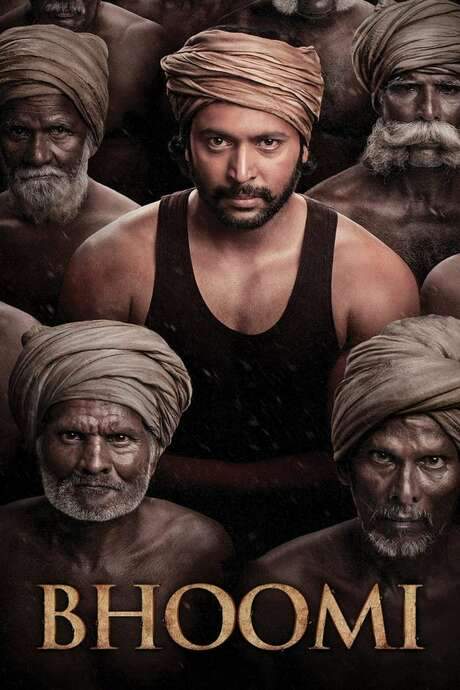
Pandavar Bhoomi (2001) movie poster

Plot Summary

Pandavar Bhoomi (2001) Plot Summary Explained

Release, runtime and language
2001 · 150 mins · Tamil
Directed by
Cheran
Starring
Arun Vijay, Neelima Rani, Vinu Chakravarthy, Vagai Chandrasekar, Vijayakumar, Ranjith

After many years away, a man returns to his ancestral village and discovers his family home in ruins. Determined to restore it, he hires an engineer to oversee the reconstruction. As the project progresses, the engineer forms a close bond with the family, deepening the emotional stakes of the revival.

On this page (5)
  1. 1 What happens: full plot
  2. 2 Plot questions answered
  3. 3 Movie threads
  4. 4 Movies like Pandavar Bhoomi
  5. 5 Every angle

Full plot summary · contains spoilers

What Happens in Pandavar Bhoomi: Full Plot Summary

The whole story of Pandavar Bhoomi (2001) explained, from the opening scene to the final frame: every key event, every twist and what it all adds up to. Read it as a quick recap before the sequel, to check a scene you missed, or to finally understand what really happened.

Dhanasekar returns to his native village with his family after twelve years in the city, and the warm welcome from the villagers sets a hopeful tone for what comes next. He decides to build a new bungalow adjacent to his ancestral home and enlists Tamizharasan, known as Tamizh, to design the house. Tamizh hails from a lineage of architects, with his father celebrated for preserving traditional designs, which foreshadows a clash between old ways and new ambitions. As construction begins, the family temporarily moves into a neighbor’s house, while Tamizh campsite nearby manages the project in a simple tent, quietly keeping the heartbeat of the work alive.

Amid the tranquil rhythms of village life, a bitter dynamic unfolds: Vinu Chakravarthy despises Dhanasekar and his clan and secretly schemes to see them harmed. He sends his son, Mukesh Tiwari, to collude with the construction workers, planting seeds of danger that will surface later in the story. In the midst of these tensions, Dhanasekar’s Jeeva, the nephew he adores, forms a fast friendship with Tamizh. The bond between them grows quietly into something deeper, and Tamizh’s affections begin to crystallize into love.

When Tamizh musters the courage to declare his feelings, Jeeva softens and leaves without offering a clear reply, leaving Tamizh to grapple with uncertainty. Just as life seems to tilt toward a quiet, peaceful future, a prospective alliance arrives from outside the village: a family seeks Jeeva’s hand in marriage for their son. Dhanasekar, however, reveals that Jeeva is destined to marry his brother, Ranjith, who has spent twelve years in jail. The revelation shocks Tamizh and ignites a sense of injustice in him, especially as he realizes the plan to marry Jeeva off to someone who has already faced long-term punishment.

What follows is a powerful, deeply interwoven backstory that unfolds in 1990. In that era, Dhanasekar stands as a prosperous farmer within the same village, alongside his brothers, including Ranjith, and his sisters Kavitha and Thamarai, all under the watchful eye of their mother. A distant relative, Vinu Chakravarthy, also a farmer, harbors a long-standing grudge against the family. A controversial lease for a tanning factory triggers a clash between the village council and Vinu’s camp, with Dhanasekar and his brothers leading the opposition to protect the village’s water supply. The confrontation escalates as Vinu refuses to return the advance payments, and the factory’s influence casts a shadow over the community.

Tensions deepen when Thamarai, Dhanasekar’s sister, secretly falls in love with Akash, Vinu’s younger son. Dhanasekar and his wife, with the support of Manorama, urge Thamarai to forget Akash and marriage plans are hastily arranged to protect the family’s honor. Yet on the wedding day, Thamarai elopes with Akash, and tragedy strikes when Manorama dies that night, unable to withstand the loss.

The family’s sorrow compounds when Ranjith returns with fierce anger during the funeral procession. In a moment of brutal violence, he decapitates Thamarai and Akash with a single blow, unable to comprehend the consequences of his actions. Overwhelmed by guilt, he surrenders to the police and is sentenced to fourteen years in prison. The family, shattered by these events, leaves the village and moves to Tirupur, only to return eleven years later with the hope of reclaiming their lives. Yet they fear that Ranjith’s life will be permanently damaged by his past.

To protect their daughter Jeeva from the social stigma that would accompany Ranjith’s incarceration, the family proposes that Jeeva marry him. Jeeva, however, does not want to be forced into a marriage she has not chosen, and she later reveals her own feelings for Tamizh. Despite the stakes, the family believes that Jeeva can find happiness with Ranjith, who is due for release soon thanks to good behavior. Construction resumes, and a new home rises, promising a fresh start for everyone.

As the present-day story advances, Tamizh understands the family’s predicament and makes a difficult choice: he steps back from his relationship with Jeeva to honor their family’s needs. Yet Jeeva cannot forget Tamizh; she confesses her love, and Tamizh acknowledges that her sacrifice—choosing the family’s happiness over her own desires—has spoken louder than any romance. He asks Jeeva to marry Ranjith out of respect for her family’s welfare, even as he admires her strength. The couple’s future appears to hinge on a selfless decision, rather than personal desire.

Into this delicate balance comes a moment of danger and resilience. The completed house becomes the stage for a new threat when Mukesh Tiwari hatches a plan to blow up the family home. Tamizh senses the danger, rushes into the building, and, after a tense struggle, retrieves the bomb and hurls it away, saving everyone inside and preserving the home they’ve built. The traumatic incident sinks deep into the village’s memory, and even Vinu Chakravarthy dies of shock at the knowledge that his scheme almost destroyed the family.

Days later, Dhanasekar and his brothers—Chandrasekhar and Ranjith—return with a formal invitation for a house-warming and Jeeva’s wedding. On seeing the invitation, Tamizh is startled to find his own name listed as the groom, a revelation that triggers a flashback of the past. In that memory, when Ranjith is released from jail, he reconnects with his family and meets Jeeva, who bears an uncanny resemblance to Thamarai. He believes that Thamarai has been reborn in Jeeva and that this continuity should be honored. Ranjith declares that he has no desire to marry anyone else and longs to keep the family together. This revelation reframes the present, and the family decides that Tamizh and Jeeva should unite, acknowledging the enduring bond that ties the generations together.

The story ends with a quiet, hopeful union between Tamizharasan and Jeeva, a connection born of sacrifice, memory, and the belief that love can endure through time and circumstance. The village witness a new beginning, where tradition and modern life converge, and where a family’s resilience seeds a future built on mutual care and shared history.

Last updated: October 09, 2025 at 16:39

Was this helpful?

Plot questions answered

Pandavar Bhoomi Plot Explained: Your Questions Answered

The questions people ask most about Pandavar Bhoomi (2001): what happens in the confusing scenes, why the characters do what they do, the twists, hidden details and what the ending means. Each answer contains spoilers.

Q1

Why was Jeeva supposed to marry Ranjith?

Jeeva was supposed to marry Ranjith to protect her from the social stigma attached to his past. Since Ranjith had served twelve years in jail for murder, the family believed arranging Jeeva's marriage to him would restore their honor and shield her from the consequences of his criminal record. The family also hoped this union would heal the wounds caused by the tragic events of 1990.

Foreshadowing: Earlier, Dhanasekar tells Tamizh about the family's troubled history and warns him about the complexities surrounding Jeeva's future.

  • jeeva
  • ranjith
  • forced marriage
  • family honor
  • social stigma
Q2

What happened in 1990 that sent Ranjith to jail?

In 1990, Ranjith murdered Thamarai, his own sister, and Akash, Vinu Chakravarthy's son. The killings occurred after Thamarai eloped with Akash on her wedding day, an act that the family considered a severe dishonor. Overwhelmed by rage during the funeral procession, Ranjith attacked the couple with a sickle and decapitated both of them. He later surrendered to police and was sentenced to fourteen years in prison.

Foreshadowing: The timeline mentions Vinu's hostility toward the family and his son Mukesh Tiwari's collusion with construction workers, hinting at deeper ancestral conflict.

  • ranjith
  • 1990
  • thamarai
  • akash
  • murder
  • jail
  • elopement
Q3

Why did Ranjith kill Thamarai and Akash?

Ranjith killed Thamarai and Akash in a moment of uncontrollable rage. When Thamarai eloped with Akash on her wedding day, it was seen as a massive betrayal of family honor. During the funeral procession, Ranjith attacked them with a sickle, decapitating both. The violence was immediate and brutal, stemming from his inability to accept the dishonor his sister had brought upon the family.

Foreshadowing: Earlier, Dhanasekar and his wife urge Thamarai to forget Akash, and marriage plans are hastily arranged, building tension toward the elopement.

  • ranjith
  • thamarai
  • akash
  • killing
  • family honor
  • rage
Q4

Why does Vinu Chakravarthy hate Dhanasekar's family?

Vinu Chakravarthy harbored a long-standing grudge against Dhanasekar's family stemming from a land dispute. In 1990, he attempted to establish a tanning factory on village land that would have contaminated the village's water supply. Dhanasekar and his brothers led the opposition against this project, resulting in Vinu being imprisoned. This conflict, combined with his son Akash's relationship with Thamarai, fueled his deep-seated hatred toward the family.

Foreshadowing: The timeline shows Vinu poisoning the farm pond in retaliation, demonstrating his willingness to harm the family.

  • vinu chakravarthy
  • enmity
  • land dispute
  • tanning factory
  • revenge
Q5

Who planted the bomb in the house and why?

Mukesh Tiwari, Vinu Chakravarthy's son, planted the bomb in the nearly completed house with the intention of destroying the family and their new home. The bomb was discovered by Tamizh, who rushed into the building, retrieved the device, and threw it away just in time to save everyone. Vinu Chakravarthy died of shock when he learned his scheme had failed.

Foreshadowing: Earlier, Vinu sends Mukesh Tiwari to collude with construction workers, planting seeds of danger that would surface later.

  • bomb
  • mukesh tiwari
  • vinu chakravarthy
  • house
  • attack
  • attempted murder
Q6

Why did Tamizh step back from his relationship with Jeeva?

Tamizh stepped back from his relationship with Jeeva because he understood the family's difficult situation. After learning about the tragic backstory and the family's decision to have Jeeva marry Ranjith, Tamizh chose to respect their wishes rather than pursue his own feelings. He believed Jeeva could find happiness with Ranjith, who was due for release soon and could finally heal the family's wounds.

Foreshadowing: Tamizh's earlier conversation with Dhanasekar reveals the family's painful history and the pressures surrounding Jeeva's future.

  • tamizh
  • jeeva
  • love
  • sacrifice
  • family
  • duty
Q7

Why did Dhanasekar's family leave the village?

Dhanasekar's family left the village because they were shattered by the tragic events of 1990. After Ranjith killed Thamarai and Akash, the family was overwhelmed by grief and shame. Manorama died that same night from the shock, and Ranjith surrendered to police. Unable to bear the sorrow and social consequences, the family relocated to Tirupur to rebuild their lives, only returning eleven years later.

Foreshadowing: The flashback shows the family's deterioration after the murders, with Ranjith's violent act tearing the family apart.

  • family
  • village
  • exile
  • tirupur
  • shame
  • tragedy
Q8

What caused Manorama's death?

Manorama died on the night Thamarai eloped with Akash. She was unable to withstand the scandal and dishonor brought upon the family by Thamarai's actions. The shock and emotional trauma of her daughter's elopement proved fatal, and she passed away that very night.

Foreshadowing: The family urges Thamarai to forget Akash and hastily arranges her wedding to prevent this exact outcome.

  • manorama
  • death
  • shock
  • thamarai
  • elopement
  • dishonor
Q9

Why does Ranjith believe Jeeva is Thamarai's reincarnation?

When Ranjith is released from jail after twelve years, he meets Jeeva and is struck by her resemblance to his late sister Thamarai. He becomes convinced that Thamarai has been reborn as Jeeva, viewing this as a spiritual continuation that must be honored. This belief leads him to declare that he does not wish to marry anyone else and ultimately releases Jeeva from the marriage commitment.

Foreshadowing: The invitation scene shows Tamizh's name as the groom, revealing a change in the family's plans.

  • ranjith
  • jeeva
  • reincarnation
  • thamarai
  • belief
  • spiritual
Q10

How does the marriage arrangement change at the end?

At the end, the marriage arrangement changes when Ranjith releases Jeeva from their engagement after seeing her as Thamarai's reincarnation. Instead of marrying Ranjith, Jeeva marries Tamizh. The family invites Tamizh to the housewarming and wedding, revealing his name as the groom on the invitation. This decision honors both the family's history and the true love between Jeeva and Tamizh.

Foreshadowing: Earlier, Jeeva confesses her love for Tamizh, and he acknowledges her sacrifice for the family.

  • jeeva
  • tamizh
  • marriage
  • ranjith
  • resolution
  • happy ending
Q11

What was the tanning factory dispute about?

The tanning factory dispute was a conflict over a controversial lease for a tanning factory that threatened the village's water supply. Dhanasekar and his brothers led the village council's opposition to protect their land and livelihoods. Vinu Chakravarthy, who supported the factory, refused to return advance payments for the project. The confrontation escalated tensions between the two families and set the stage for further tragedy.

Foreshadowing: This dispute establishes the ongoing enmity between Dhanasekar's family and Vinu Chakravarthy.

  • tanning factory
  • dispute
  • village
  • water supply
  • land
  • conflict
Q12

Why did Vinu Chakravarthy poison the farm pond?

Vinu Chakravarthy poisoned Dhanasekar's farm pond as retaliation for the conflict over the tanning factory. After losing the battle and being imprisoned, he sought revenge by poisoning the pond, which killed all the cows and oxen that drank from it. This act further deepened the animosity between the two families and led to additional legal consequences for Vinu.

Foreshadowing: The timeline shows this event occurring shortly after the tanning factory confrontation.

  • vinu
  • poison
  • pond
  • cattle
  • revenge
  • farm
Q13

Does Jeeva love Tamizh?

Yes, Jeeva loves Tamizh. When Tamizh declares his feelings, Jeeva softens but leaves without giving a clear reply. Later, she confesses her love for him directly. Even after agreeing to marry Ranjith to honor the family's wishes, she cannot forget Tamizh. Her sacrifice and confession demonstrate that her feelings for him are genuine.

Foreshadowing: Their friendship develops early in the story, with Tamizh's affections growing into love.

  • jeeva
  • tamizh
  • love
  • feelings
  • confession
  • romance

Movie threads

More Movies Like Pandavar Bhoomi, by Mood & Story

Curated lists built around what makes Pandavar Bhoomi tick: the same mood, the same kind of story or the same emotional payoff. Each list explains why these movies belong together.

Healing Family Legacy Stories like Pandavar Bhoomi

Stories of returning to the past to rebuild a fractured future. Discover movies like Pandavar Bhoomi that explore themes of returning home and mending family legacies. This collection features emotionally resonant dramas where characters confront the past to rebuild their future, offering stories of reconciliation and hope.

  • nostalgic
  • solemn
  • tender
  • resilient
  • melancholic
  • hopeful
  • Tone: hopeful, melancholic, resilient
  • Pacing: steady, reflective
Why these movies?

The story pattern: These narratives typically involve a protagonist's physical or emotional return to a place steeped in familial history. A central conflict from the past is revealed, often through flashbacks, and the protagonist's journey in the present is one of understanding, restoration, and ultimately, healing the fractures within the family.

Why they belong together: This thread groups films that share a focus on reconciliation with the past, a medium emotional weight balanced by a hopeful tone, and a steady pacing that allows for deep exploration of family dynamics and personal redemption.

Romances of Duty and Desire like Pandavar Bhoomi

Romantic unions challenged by honor, tradition, and family expectations. If you liked the romance in Pandavar Bhoomi, explore these movies about love tested by family duty. These stories feature strong romantic bonds that must overcome obstacles of honor, tradition, and sacrifice, often within a familial or cultural context.

  • tender
  • solemn
  • romantic
  • melancholic
  • hopeful
  • dramatic
  • Tone: tender, solemn, hopeful
  • Pacing: steady, character-driven
Why these movies?

The story pattern: The plot follows the development of a deep romantic connection that conflicts with established family honor, traditions, or past promises. The lovers must navigate external pressures and make significant personal sacrifices, with their union serving as a symbol of resolving past conflicts and forging a new, honorable path forward.

Why they belong together: Movies here share a high romance score intertwined with themes of sacrifice and duty. They feature a steady, character-driven pace, a mix of tender and solemn moods, and a narrative where love ultimately triumphs in a way that respects, rather than rejects, familial bonds.

If you liked this

Movies Like Pandavar Bhoomi

Similar movies to Pandavar Bhoomi: the same genre, themes or kind of story. Each one comes with its own plot summary, timeline and ending explained.

Browse all movie summaries

Every angle

Pandavar Bhoomi (2001) Explained: Plot, Timeline & Characters

Everything about Pandavar Bhoomi in one place: what happens in the plot summary, the timeline in chronological order, the characters and meaning and a spoiler-free summary. What's After the Movie adds the cast, box office and post-credit scenes.

Coming soon on iOS and Android

The Plot Explained Movie Summary App

Plot summaries, endings explained and timelines on your phone. Catch up on any movie in minutes, save your favorites and never miss a twist again.

Be the first to know when we launch. Your email stays private, always.

Learn more about the app