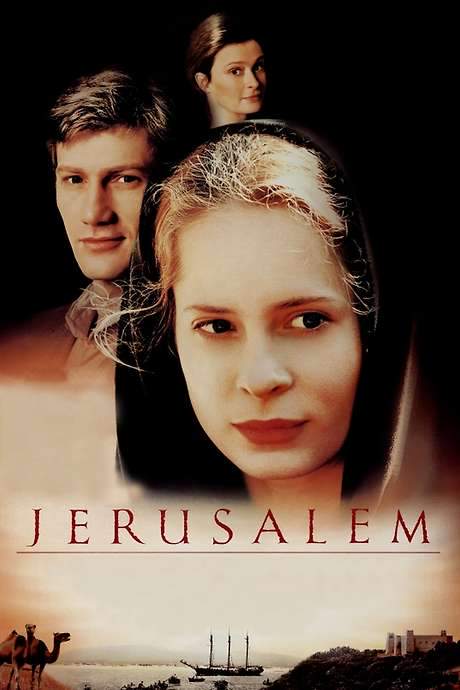
The film offers a loose, free retelling of the Maccabean Revolt, framing a faith-driven upheaval that tests tradition and freedom. It centers on Mattathias as the aging Jewish priest who calls his people to resistance after the Greek-Syrian rulers demand worship of Zeus within the Temple in Jerusalem. The confrontation pushes the community to flee into the desert, where the harsh wilderness becomes a proving ground for resolve and survival. In the opening chapters, the clash between Syrian forces and Mattathias's followers grows in intensity, laying the groundwork for a long, drawn-out struggle.
In the wilderness, leadership within the revolt shifts as the story follows a line of bold figures. Judas Maccabeus temporarily takes command after his father, but he falls in battle, paving the way for his brother to lead. The mantle eventually passes to Simon Thassi, who becomes the central architect of the movement and the campaign to reclaim control of the land. The narrative follows his decisions, the strategic moves of his fighters, and the fragile alliances that sustain them as they push back against the Syrian forces.
With Simon at the helm, the Jews recapture Jerusalem and drive the Syrians from the city. The culmination is a moment of communal triumph, as Simon celebrates the victory with his people, and a Syrian bride stands by his side, signifying a shift toward reconciliation and the human costs of victory. In a gesture echoing mercy as much as power, he proclaims the release of captured Syrian soldiers so they can bear witness to the Jews' strength and generosity.
A notable difference the film emphasizes is its portrayal of Antiochus IV Epiphanes as more of a local governor than a distant king, a framing that keeps the antagonist present throughout much of the story. This reinterpretation stretches his authority and influence across the entire narrative, rather than marking a single climactic confrontation. The movie also broadens its scope by weaving romance threads and giving women a more visible role than the traditional account typically offers, painting a richer, more relational picture of a society under pressure. The result is a story that remains faithful to core events while inviting viewers to see the era through a gentler, more human lens, where faith, resilience, and leadership intertwine with personal loyalties and love.