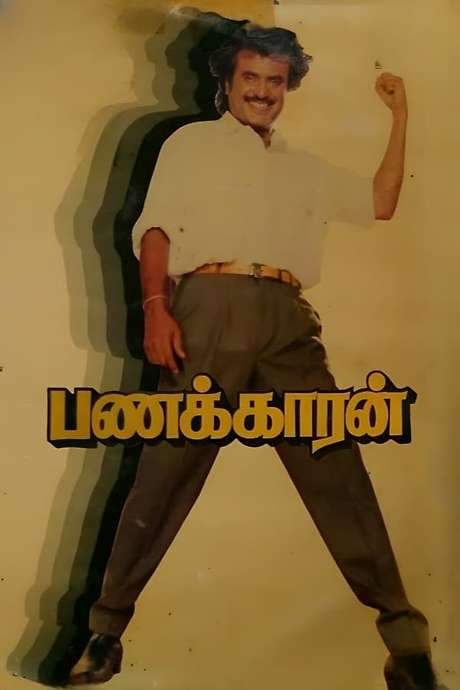
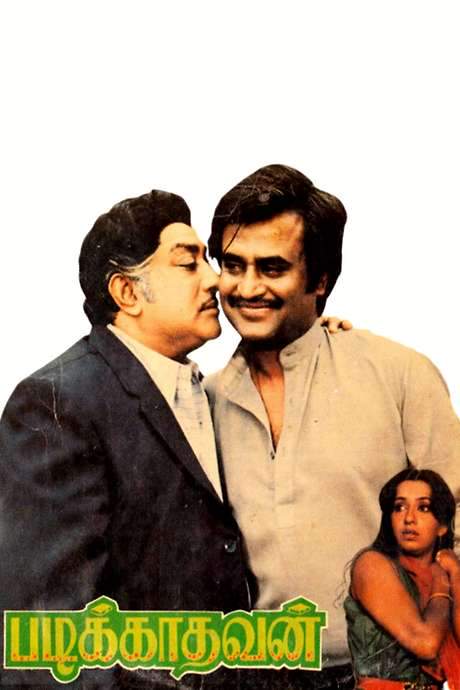
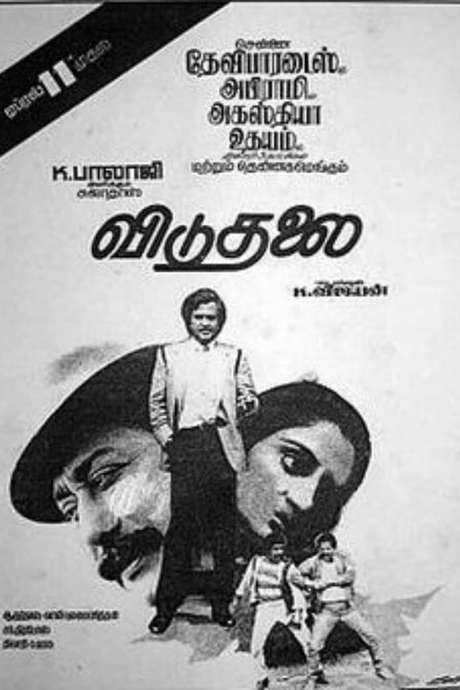
Bhuvaneswari, Sumithra, is a celebrated singer who becomes entangled in a deep, complicated romance with Vishwanath Vijayakumar, a prominent business figure. The relationship faces a fierce test when Bhuvaneswari discovers she is pregnant before the wedding. Vishwanath pushes for abortion, but she refuses to terminate the pregnancy. Faced with this conflict, she chooses to break away and leaves with her brother Rao Bahadur, without ever informing Vishwanath, beginning a path marked by distance and secrecy.
In the wake of the separation, Bhuvaneswari gives birth to a baby boy. Rao Bahadur takes custody of the infant and hands him over to Arumugam, a troubled drunkard Senthamarai. He is told to kill the child and fabricates a cruel lie, telling Bhuvaneswari that her baby was stillborn. Bhuvaneswari disappears from the hospital, leaving no trace, and Rao Bahadur stays oblivious to her whereabouts. This cruel deception seeds a long, aching silence that shadows the family’s future.
Arumugam vows to raise the child instead of ending his life, choosing to exploit the situation for money in the shadows. He names the baby Muthu Rajinikanth and begins shaping a life that will eventually collide with the world his mother left behind. As Muthu grows, he lands a job in a factory overseen by Shankar Charan Raj, who is the son of Vishwanath. The dynamic at the estate where the young man works becomes a focal point: Muthu quickly senses the unfair labor practices and becomes determined to stand up for the overworked hands, even as this defiance draws the ire of his employers and Rao Bahadur, who fear the economic repercussions of a workers’ revolt.
Vishwanath’s personal life is shadowed by a sense of guilt and dissatisfaction. He lives unhappily with his wife Pushpa on an estate, haunted by the memory of the betrayal he committed, a reminder that lingers as a moral debt. In the midst of this, Latha Gautami Tadimalla, Rao Bahadur’s daughter, falls for Muthu, unaware of his true parentage. Their budding romance adds a tender, hopeful thread to a narrative already fraught with tension and class conflict.
As Muthu continues to push for fair treatment for workers, Rao Bahadur and Shankar push back, highlighting a clash between justice and wealth. The tension intensifies when Saranraj plots to kill Muthu, and Vishwanath is struck by the danger, needing a rare blood type for surgery. This crisis brings Bhuvaneswari back into the frame, revealing she is alive and staying in an ashram, ready to step forward when a blood donor is sought to save Vishwanath’s life. Her reappearance triggers a new wave of danger as Shankar and Rao Bahadur attempt to eliminate her, yet Muthu arrives in time to shield her from harm.
Through a series of revelations, the truth about Muthu’s lineage comes to light: he is the son of Bhuvaneswari. This discovery redefines loyalties and affections, allowing the family to reunite. Vishwanath’s crisis is resolved, and the long-held guilt he carries begins to lift as he finally embraces Bhuvaneswari. The lovers’ bond matures in the wake of reconciliation, and Vishwanath marries Bhuvaneswari, with Pushpa’s consent adding a final note of social acceptance to the resolution. The tale closes on a message of forgiveness, the triumph of a rightful, honest life, and the enduring power of love to heal past wounds, even as new challenges continue to test the characters’ resilience.