Plot Explained Spoilers guaranteed!
Plot Explained

Browse by genre

High-Rise (2016) movie poster

Plot Summary

High-Rise (2016) Plot Summary Explained

Release, runtime and language
2016 · 119 min · English
JustWatch #6,375 12
Directed by
Ben Wheatley
Starring
Tom Hiddleston, Luke Evans, Jeremy Irons, Sienna Miller

As Dr. Robert Laing embraces a life of luxury in a modern high-rise, unsettling events begin to disrupt the building's utopian facade. Recurring power outages and structural flaws trigger social unrest and a growing class conflict among the diverse residents. A charismatic documentarian, a bohemian single mother, and the building's enigmatic architect become entangled in the escalating chaos. As the structure descends into primal anarchy, the tenants are forced to confront their darkest impulses in a desperate fight for survival.

On this page (7)
  1. 1 Where to watch
  2. 2 What happens: full plot
  3. 3 Plot questions answered
  4. 4 The book behind the movie
  5. 5 Movie threads
  6. 6 Movies like High-Rise
  7. 7 Every angle

Where to watch

Where to Watch High-Rise (2016)

Where can you watch High-Rise? Stream, rent or buy it in the US, including on Hoopla, Kanopy and Fandango at Home Free: current JustWatch availability with up-to-date prices.

Streaming availability powered by JustWatch

Full plot summary · contains spoilers

What Happens in High-Rise: Full Plot Summary

The whole story of High-Rise (2016) explained, from the opening scene to the final frame: every key event, every twist and what it all adds up to. Read it as a quick recap before the sequel, to check a scene you missed, or to finally understand what really happened.

In September 1975, Dr. Robert Laing lives in a ravaged high-rise tower block, where a brutal moment—killing a dog and spit-roasting its leg—signals the strange blend of luxury and savagery that will define life inside this building.

Three months earlier, the 40-storey tower on the outskirts of London stands as a monument to chic, modern living designed by the renowned architect Anthony Royal. On its upper floors, the wealthy residents enjoy exclusive perks, while those on the lower levels feel cut off from the outside world. The building is packed with amenities—swimming pool, gym, spa, supermarket, and primary school—that encourage a sense of community, yet also deepen the gulf between floors. Into this carefully staged ecosystem arrives [Laing], who moves onto the 25th floor after his sister’s death, and he quickly forms a bond with the single mother Charlotte Melville, becoming a father figure to her son Toby.

Laing’s circle expands to include documentary filmmaker Richard Wilder and his pregnant wife Helen, who reside in a low-level apartment with their children. As Laing engages his interest in human physiology, he leads a class that studies a severed head, a moment that foreshadows the unsettling curiosity that courses through the tower. A student named Munrow faints during the session and later receives a precautionary brain scan, a small sign that medical scrutiny might hold answers—and risks—in this claustrophobic world. The next day, Laing is summoned to the 40th-floor penthouse to meet the building’s proprietor, Anthony Royal, who invites him to a party hosted by his wife, Ann.

The party turns out to be an 18th-century costume affair, a stark clash with Laing’s everyday suit, which is ridiculed by Ann and by others, including Munrow, who already seems uneasy in this social labyrinth. Humiliation heightens the tension, and Laing finds himself trapped in an elevator when a power cut plunges the building into darkness. Power outages, water shutoffs, and blocked garbage chutes become routine, and Royal downgrades the discomfort to mere “growing pains” of a new development. Munrow’s brain scans return normal, but Laing subtly sows doubt in Munrow’s mind, insinuating he has a brain tumor.

One night, a sustained round of drunken decadence erupts across the high-rise, and Munrow, overwhelmed by despair, commits suicide by leaping from the 39th floor. Wilder, who senses that the authorities are ignoring the growing chaos, becomes determined to expose the injustices festering within the tower. Law and order collapse as violence and want surge through the building, garbage piles up, and the class divisions intensify, with the upper floors showing brittle affluence and the lower floors spiraling toward desperation. Laing exhibits disturbing signs of mental strain, brutally beating a man, barricading himself in his apartment, and engaging in sex with Helen.

Wilder, battered by those on the upper floors, resolves to kill Royal, convinced that the architect is orchestrating the collapse. He obtains a gun from Royal’s former housekeeper and pieces together a chilling truth: Toby, Charlotte’s son, is Royal’s illegitimate child. Wilder infiltrates Charlotte’s apartment, tortures her for information about Royal, and forces the truth into the light. A television newsreader named Cosgrove, who remains one of the few upper-floor residents who still leaves for work, is killed by a gang of lower-floor residents. In a grim turn, some upper-floor residents butcher Ann’s horse for meat, and Laing is pressured to lobotomize Wilder, an option he rejects, arguing that Wilder might actually be the sanest man in the building.

After a psychiatric evaluation, Laing refuses to sanction violence, and Royal himself intervenes when Wilder’s plan threatens to unravel the delicate thread holding the tower together. Royal proposes that the high-rise’s failure might paradoxically be a success—a crucible for change that could push the residents toward a new way of life beyond the building. Helen delivers her overdue baby, a moment that briefly anchors a fragile sense of hope amid the chaos. Wilder finally reaches the penthouse, and in a climactic confrontation with Royal, he shoots the architect dead. Wilder’s victory is short-lived, as Royal’s women kill Wilder, leaving Toby to observe the carnage through his kaleidoscope.

The film closes where it began, with the ravaged high-rise mirroring the earlier violence and breakdown. Laing, appearing to have lost his grip on reality, speaks in a detached, third-person cadence, a man altered by the tower’s brutal experiment. He lies down with Charlotte, contemplating a future where the same collapse might unfold in a second tower of the development. As the credits roll, a radio broadcasts Margaret Thatcher’s stark line: “where there is state capitalism there can never be political freedom,” a grim epilogue that underscores the social ferocity that the tower has unleashed.
Last updated: October 09, 2025 at 16:21

Was this helpful?

Plot questions answered

High-Rise Plot Explained: Your Questions Answered

The questions people ask most about High-Rise (2016): what happens in the confusing scenes, why the characters do what they do, the twists, hidden details and what the ending means. Each answer contains spoilers.

Q1

Why does Laing manipulate Munrow into thinking he has a brain tumor?

Laing manipulates Munrow by telling him the brain scan shows abnormalities, planting the idea that he has a tumor. This psychological manipulation sows doubt and paranoia in Munrow, accelerating his mental breakdown. Laing appears to be testing how easily fear can be weaponized in the isolated tower environment, using misinformation to gain psychological control over another resident.

Foreshadowing: Earlier, Laing's physiology class with the severed head demonstrated his clinical curiosity about human vulnerability.

  • laing
  • munrow
  • brain tumor
  • manipulation
  • psychological breakdown
Q2

What causes the power cuts and infrastructure collapse in the building?

The power cuts, water shutoffs, and blocked garbage chutes stem from the building's deteriorating infrastructure, which Royal dismisses as mere "growing pains." However, the systematic failures are never fully explained, suggesting they may be a deliberate social experiment or simply the result of neglect. As tensions rise between floors, the infrastructure breakdown becomes both a symptom and catalyst for the building's descent into chaos.

Foreshadowing: The 18th-century costume party, where Laing is trapped in a power-cut elevator, marks the first major infrastructure failure.

  • power cuts
  • water
  • garbage
  • building collapse
  • royal
  • social decay
Q3

Why does Munrow commit suicide in High-Rise?

Munrow commits suicide by jumping from the 39th floor after a night of heavy drinking and decadence. Laing's manipulation, convincing Munrow he has a brain tumor, appears to have pushed him over the edge. The toxic combination of isolation, paranoia, and the building's deteriorating social order creates an environment where despair spirals into fatal action.

Foreshadowing: Munrow fainted during Laing's physiology class with the severed head, foreshadowing his vulnerability to psychological manipulation.

  • munrow
  • suicide
  • jump
  • 39th floor
  • brain tumor
  • despair
Q4

What is the relationship between Toby and Anthony Royal?

Toby, Charlotte's young son, is revealed to be Royal's illegitimate child. Wilder discovers this information when he tortures Charlotte to learn more about Royal's secrets. This revelation connects the architect directly to the lower floors he claims to care about, exposing a hypocritical dimension to his social experiment.

Foreshadowing: Royal's interest in Charlotte and Toby throughout the film gains new meaning in retrospect, as he observes them with unusual attention.

  • toby
  • royal
  • charlotte
  • illegitimate child
  • father
Q5

Why does Richard Wilder want to kill Royal?

Wilder becomes convinced that Royal is deliberately orchestrating the tower's collapse to conduct a social experiment on its residents. After being battered by upper-floor residents and witnessing the injustice throughout the building, Wilder decides the architect must be eliminated. He obtains a gun from Royal's former housekeeper and infiltrates the penthouse to confront him.

Foreshadowing: Wilder's documentary work and his determination to "expose" the tower's injustices establish his role as the building's truth-seeking agitator.

  • wilder
  • royal
  • kill
  • motive
  • expose
  • architect
Q6

Why does Laing refuse to lobotomize Wilder?

When the upper-floor residents pressure Laing to perform a lobotomy on the captured Wilder, Laing refuses, arguing that Wilder might actually be "the sanest man in the building." This moment reveals Laing's recognition that Wilder's violent crusade, while extreme, is the only honest response to the tower's manufactured chaos. Laing's refusal marks a rare moral stand in his deepening moral decay.

Foreshadowing: Laing's earlier physiological studies and his clinical detachment have prepared him to make this coldly rational judgment.

  • laing
  • wilder
  • lobotomy
  • refuse
  • sanity
  • moral choice
Q7

What does Royal mean when he says the high-rise's failure might be a success?

Royal suggests that the building's collapse, its descent into violence and primal chaos, could paradoxically be a positive outcome because it forces residents to shed civilized pretense and confront their true natures. He views the tower as a "crucible" that could birth a new, more authentic way of living beyond the constraints of conventional society. This reveals Royal as either a cynical social engineer or a true believer in controlled destruction.

Foreshadowing: Royal's 18th-century costume party, a deliberate regression to aristocratic excess, hints at his nostalgia for pre-modern social hierarchies.

  • royal
  • failure
  • success
  • experiment
  • social engineering
  • crucible
Q8

What is Laing's psychological state at the end of the film?

By the film's end, Laing appears to have lost his grip on reality, speaking in a detached, third-person cadence as if observing himself from outside. He lies down with Charlotte and contemplates whether the same collapse will unfold in a second tower of the development. His madness seems less like a breakdown and more like a full absorption into the tower's dehumanizing experiment, he has become both observer and participant in the social collapse.

Foreshadowing: Laing's early clinical detachment and his growing violent outbursts (beating a man, barricading himself in his apartment) trace his gradual psychological deterioration.

  • laing
  • madness
  • ending
  • psychological break
  • third person
Q9

Why do the upper floor residents butcher Ann's horse?

As resources dwindle and civilization unravels, some upper-floor residents resort to killing Ann's horse, a symbol of the elite's refined lifestyle, for food. This act marks a stark regression from sophisticated luxury to primal survival, demonstrating how quickly the veneer of civilization can crack when basic needs are threatened.
Foreshadowing: The 18th-century costume party already established the upper floors' disconnect from practical reality, treating the building as a playground for excess.

  • horse
  • butcher
  • ann
  • upper floors
  • survival
  • civilization
Q10

What does the Thatcher quote at the end mean in context of the film?

The radio broadcast of Margaret Thatcher stating "where there is state capitalism there can never be political freedom" serves as a grim political epilogue. The quote suggests the tower's collapse, driven by class warfare and resource allocation, mirrors broader societal tensions between state control and individual liberty. The film, set in 1975 as Thatcher rose to power, uses this to frame the high-rise as a microcosm of the political struggles that defined Thatcher-era Britain.

Foreshadowing: The tower's strict vertical class stratification literally embodies the socioeconomic hierarchy Thatcher would later challenge and transform.

  • thatcher
  • quote
  • ending
  • politics
  • state capitalism
  • freedom
  • broadcast

Movie threads

More Movies Like High-Rise, by Mood & Story

Curated lists built around what makes High-Rise tick: the same mood, the same kind of story or the same emotional payoff. Each list explains why these movies belong together.

Social Collapse Thrillers like High-Rise

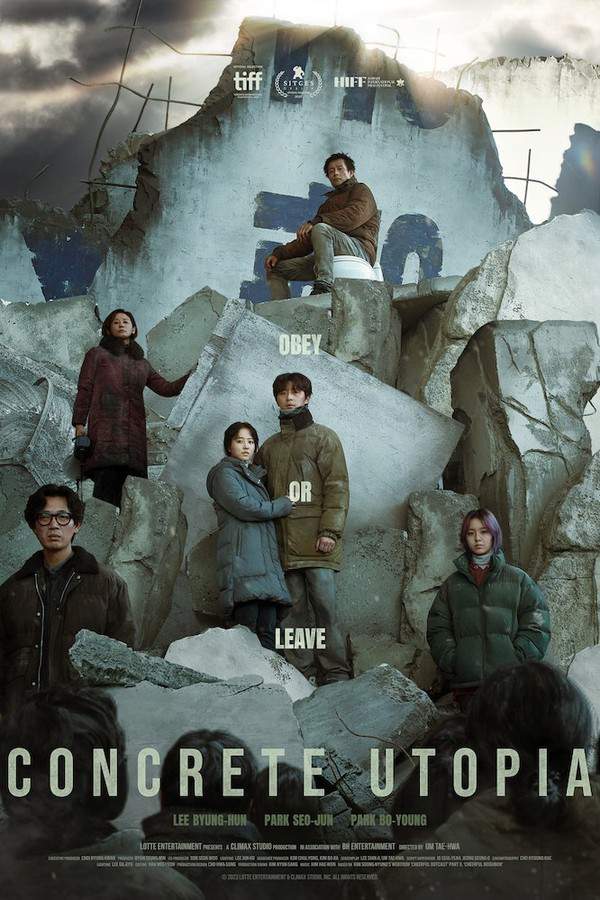
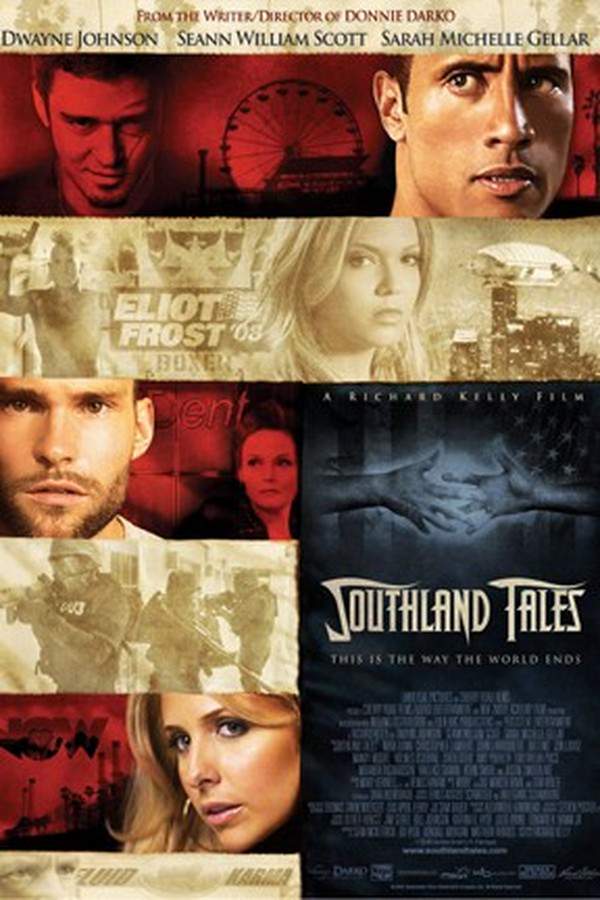
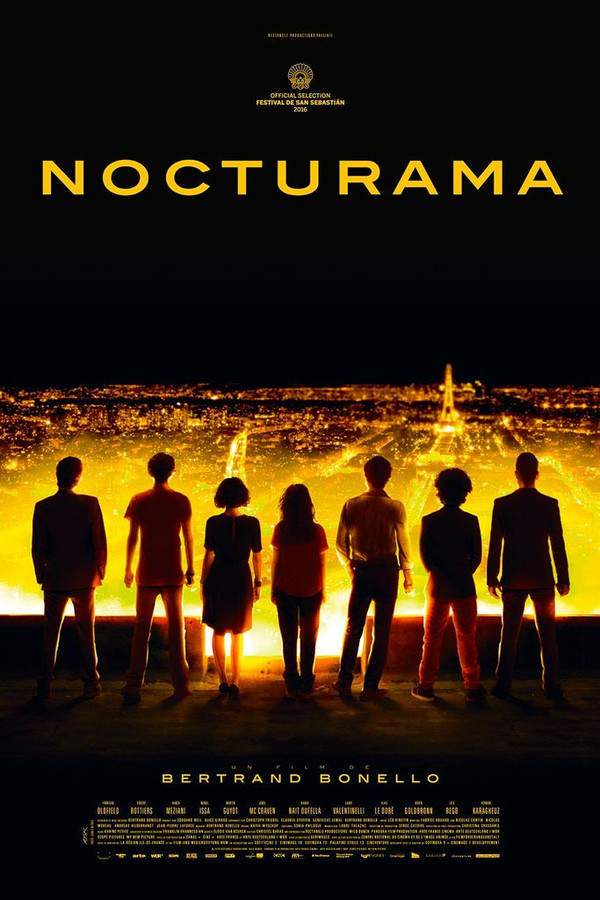
Stories where meticulously designed societies violently crumble under internal pressure. If you liked the intense class warfare and descent into anarchy in High-Rise, explore more movies about societies breaking down. These films share a dark tone, complex narratives, and a heavy emotional weight, often set in confined spaces that become pressure cookers for human conflict.

  • dystopian
  • claustrophobic
  • chaotic
  • unsettling
  • oppressive
  • decadent
  • Tone: dark, bleak, tense
  • Pacing: variable, beginning slow then accelerating into chaos
Why these movies?

The story pattern: Narratives in this thread typically begin with a flawed utopian ideal before introducing a catalyst that triggers a swift or gradual societal collapse. Characters are pitted against each other as systems fail, leading to a grim exploration of power dynamics, tribalism, and survival instincts in a confined setting.

Why they belong together: Movies are grouped here for their shared focus on the collapse of a micro-society, a consistently dark and intense tone, and complex themes exploring class, power, and human nature. They deliver a claustrophobic, unsettling, and often bleak viewing experience.

Movies about a Descent into Chaos like High-Rise

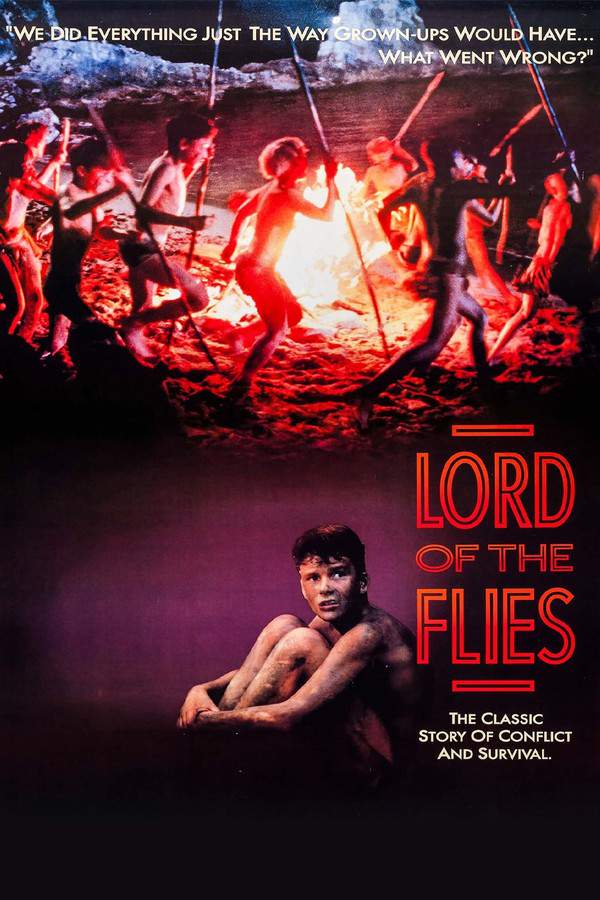
Civilized characters succumb to their darkest impulses as order dissolves. For viewers who appreciated the bleak and heavy journey into primal behavior in High-Rise, this selection features similar stories of moral decay. These movies often have a variable pace, complex characters, and a profoundly bleak ending, capturing the unsettling process of losing one's humanity.

  • primal
  • chaotic
  • disturbing
  • anxious
  • violent
  • unsettling
  • Tone: dark, disturbing, bleak
  • Pacing: variable, building to fast-paced turmoil
Why these movies?

The story pattern: The narrative pattern follows a group or individual as their environment deteriorates, removing the safeguards of civilization. The story focuses on the psychological unraveling and moral compromises characters make, leading to a climax that is typically violent and concludes with a sense of irrevocable loss or a bleak new status quo.

Why they belong together: These films are united by their central theme of de-evolution and the loss of humanity under pressure. They share a high intensity, a dark and heavy tone, and a focus on the psychological toll of chaos, creating a consistently disturbing and thought-provoking vibe.

If you liked this

Movies Like High-Rise

Similar movies to High-Rise: the same genre, themes or kind of story. Each one comes with its own plot summary, timeline and ending explained.

Browse all movie summaries

Every angle

High-Rise (2016) Explained: Plot, Timeline & Characters

Everything about High-Rise in one place: what happens in the plot summary, the timeline in chronological order, the characters and meaning and a spoiler-free summary. What's After the Movie adds the cast, box office and post-credit scenes.

Coming soon on iOS and Android

The Plot Explained Movie Summary App

Plot summaries, endings explained and timelines on your phone. Catch up on any movie in minutes, save your favorites and never miss a twist again.

Be the first to know when we launch. Your email stays private, always.

Learn more about the app