Plot Explained Spoilers guaranteed!
Plot Explained

Browse by genre

Orchestra Rehearsal (1978) movie poster

Timeline

Orchestra Rehearsal (1978) Timeline Explained – Every Event in Order

Release, runtime and language
1978 · 72 mins · Italian
Directed by
Federico Fellini
Starring
Franco Javarone, Ronaldo Bonacchi, Andy Miller, Clara Colosimo, David Maunsell, Elizabeth Labi

The orchestra gathers for a rehearsal in an ancient chapel, performing the work titled “The Decline of the West in C# Major,” while a TV documentary crew records the proceedings. Amid the solemn session, an unexpected uprising erupts, throwing the rehearsal and filming into chaos.

On this page (5)
  1. 1 Events in order (13)
  2. 2 Timeline questions answered
  3. 3 Movie threads
  4. 4 Movies like Orchestra Rehearsal
  5. 5 Every angle

13 events in order · contains spoilers

Orchestra Rehearsal Timeline: Events in Chronological Order

Every key event of Orchestra Rehearsal (1978) in order, scene by scene, with when and where it takes place. Use it to untangle flashbacks, time jumps and parallel storylines, to refresh your memory before the sequel or to find the exact scene you are thinking of.

  1. Roving pre-rehearsal interviews

    An off-screen Italian television crew conducts documentary-style roving interviews with musicians as they prepare for a low-budget rehearsal in a run-down auditorium. The players speak candidly about their craft, each claiming their instrument is the most vital to the ensemble and describing its personal significance. The scene establishes the film's focus on subjective experience and the ego clashes within the orchestra.

    When
    Pre-rehearsal
    Where
    Run-down auditorium (former church)
  2. Conductor arrives, asserts control

    The conductor arrives, speaking Italian with an affected German accent, and immediately begins prescribing precise, theatrically demanding nuances for the performance. He becomes a source of authority that clashes with the orchestra and with on-site union reps. The tension grows as his demands verge on the absurd.

    When
    Start of rehearsal
    Where
    Auditorium stage
  3. Union reps intervene

    Union representatives intervene, announcing that the musicians will take a 20-minute double break, a move that sparks resentment and power struggles. The orchestra members soften the surface of camaraderie while privately nursing grievances. The break underscores the conductor's fragile control over the room.

    When
    During rehearsal
    Where
    Auditorium / backstage area
  4. Musicians retreat to the tavern

    A camera follows the players to a local tavern during the break, where they exchange ideologies about music and art. They articulate competing visions of the orchestra, revealing the deep-seated tensions beneath their professional facade. The scene widens the portrait beyond the rehearsal room into personal belief systems.

    When
    During break
    Where
    Local tavern
  5. Backstage confrontation and reflections

    In a backstage interview, the defeated conductor vents his frustration about the impossible contradictions of leadership. He reflects on the subjective power of music and the pressure of directing others. His candor exposes the fragile line between artistic authority and personal insecurity.

    When
    Post-break
    Where
    Backstage
  6. Power outage returns to the hall

    A power outage in the building plunges the hall into darkness, interrupting the fragile equilibrium of the rehearsal. The conductor returns to the space, trying to salvage some sense of order amid the blackout. The incident foregrounds the fragility of the environment in which music is made.

    When
    During outage
    Where
    Auditorium hall
  7. Slogans and protest erupt

    When lights return, the darkened auditorium reveals spray-painted revolutionary slogans and scattered rubbish. The musicians chant a discordant protest against their oppressive taskmaster and against music itself, emphasizing the politics hidden within artistic ambition. The mood shifts from professional tension to political rebellion.

    When
    After outage
    Where
    Auditorium (altar area within former church)
  8. Violent crescendo and chaos

    The protest escalates into violent infighting, building toward a chaotic crescendo of gunshots. The sense of control dissolves as images of rebellion flood the space. The incident marks a brutal rupture in the rehearsal's order and safety.

    When
    Mid-chaos
    Where
    Auditorium
  9. Wrecking ball crashes through the wall

    An impossibly large wrecking ball smashes through the wall of the building at the altar, an event that seems to descend from a mythic scale. The force traps the harpist beneath collapsing rubble. The shocking act serves as a climactic, almost supernatural intervention in the disaster.

    When
    During the chaos
    Where
    Altar of the former church
  10. Survivors reflect and the conductor speaks

    As dust settles, surviving musicians look on in silence, processing the tragedy they've witnessed. The conductor steps forward to deliver a eulogistic monologue about the need to play through pain and to find identity in the notes of music. The moment blends mourning with a renewed sense of purpose.

    When
    Post-tragedy
    Where
    Ruins of the hall
  11. Conductor reframes as resilience

    The conductor reframes the moment as a call to resilience, urging the players to persevere by turning suffering into musical strength. He frames music as a source of identity and guidance, even as his authority remains contested. The scene emphasizes the film's central paradox: beauty arises from conflict.

    When
    Post-tragedy
    Where
    Ruins / stage area
  12. Redemptive performance amid ruin

    Revived by a renewed sense of purpose, the ensemble takes up their instruments and delivers a tour-de-force performance amid the wreckage. The music becomes a communal act of redemption, embodied by their determined, precise playing. The moment contrasts with the earlier chaos and points to hope through art.

    When
    During performance
    Where
    Stage in ruined hall
  13. Final critique and credits

    After the performance, the conductor's praise quickly shifts back into a fresh perfectionist critique as he returns to the dais. His Italian speech bleeds into dictatorial German during the credits, signaling the film's sharpened political allegory. The sequence ends on a taut note as the screen fades to black.

    When
    End
    Where
    Dais / end credits

Last updated: October 09, 2025 at 11:25

Was this helpful?

Timeline questions answered

Orchestra Rehearsal Timeline Explained: Your Questions Answered

When does it happen, and why in that order? The questions people ask about the chronology of Orchestra Rehearsal (1978): time jumps, flashbacks, cause and effect between scenes and the correct order of events, each answered with spoilers.

Q1

Why does the conductor speak with a German accent?

The conductor uses an affected German accent to embody authority and control. This choice carries deliberate political weight in the post-WWII Italian context, German represents the archetype of strict, dictatorial discipline. His Italian accented with German cadences immediately signals his role as an oppressive taskmaster, setting up the film's allegory about power dynamics in artistic spaces.

  • conductor
  • german accent
  • authority
  • power dynamics
Q2

Why do the musicians start rebelling?

The rebellion stems from accumulated resentment toward the conductor's tyrannical control and absurd demands. When the union representatives announce a 20-minute break, tension already boils beneath the surface. The power outage acts as a catalyst, when lights return, revolutionary slogans cover the walls, and the musicians chant against both their oppressive conductor and music itself, expressing deeper ideological revolt against artistic hierarchy.

Foreshadowing: Early interviews reveal each musician already believes their instrument is most vital, establishing ego conflicts that simmer beneath professional camaraderie.

  • rebellion
  • orchestra
  • protest
  • conductor
  • power outage
Q3

Why does a wrecking ball crash through the wall?

The wrecking ball serves as a mythic, almost supernatural force that escalates the chaotic rebellion into full catastrophe. The auditorium is slated for demolition as a 13th-century church being torn down for redevelopment. The wrecking ball represents external societal forces destroying the artistic space, government, commerce, or fate itself intervening to crush both the musicians and their rebellion in one violent act.

  • wrecking ball
  • collapse
  • church demolition
  • mythic event
Q4

Why does the harpist die in the collapse?

The harpist Clara Colosimo is trapped beneath the rubble when the wrecking ball crashes through the altar area. Her death is the tragic cost of the musicians' rebellion, their violent uprising against authority triggers the catastrophic destruction of their own space. The harp, traditionally associated with heavenly music and fragility, symbolically perishes as the musicians' protest turns destructive.

  • harpist
  • clara colosimo
  • death
  • rubble
  • tragedy
Q5

Why do the musicians keep playing after the tragedy?

After the conductor delivers his monologue about music as a means to endure pain and find identity, the survivors choose to play as an act of resilience and redemption. Music becomes their response to suffering, a way to transform catastrophe into beauty. The performance signifies hope rising from destruction, though the conductor's return to authoritarian criticism suggests this unity may be temporary.

  • performance
  • redemption
  • resilience
  • tragedy
  • music
Q6

Why does the conductor return to his authoritarian ways at the end?

The conductor's shift back to demanding perfection after the redemptive performance reveals the film's core irony, leadership cycles are difficult to break. His earlier philosophical reflection about the paradoxes of authority was genuine, yet he cannot escape his nature. This return to dictatorial German cadences during the final critique suggests the allegory about power structures remains unresolved; oppressive authority persists despite moments of unity.

Foreshadowing: The conductor's backstage confession already admitted to the impossible contradictions of leadership, foreshadowing his inability to change.

  • conductor
  • authority
  • perfectionism
  • ending
  • allegory
Q7

What does the chant 'The music in power, not the power of music' mean?

The recurring chant encapsulates the film's political allegory. It argues that music has become subordinated to power structures, controlled by conductors, institutions, and commercial forces, rather than remaining a pure artistic expression. The musicians protest both their conductor's oppression and the corrupt system that uses music for power rather than allowing music to possess its own transformative power.

  • chant
  • protest
  • power
  • music
  • allegory
  • politics
Q8

Why do the musicians shed their clothing during rehearsal?

The musicians physically strip layers as the conductor pushes them toward extreme precision, showing the physical and emotional toll of his demanding regime. This visual display of exhaustion and resolve emphasizes how his perfectionism pressures them beyond normal limits, turning the rehearsal into a battle of wills between authority and artistic endurance.

  • clothing
  • exhaustion
  • conductor
  • rehearsal pressure
Q9

What causes the power outage during rehearsal?

The power outage is not explicitly explained, it simply occurs as the conductor attempts to regain control after the break. This sudden blackout represents the fragility of the ordered world the conductor tries to maintain. When the lights return, the space has been transformed with spray-painted slogans, suggesting the outage allowed time for the rebellion to manifest symbolically on the walls.

  • power outage
  • darkness
  • chaos
  • transition
Q10

Why is the rehearsal held in an old church scheduled for demolition?

The setting, a former 13th-century church now a run-down auditorium marked for demolition, embodies the film's themes of decay and cultural impermanence. Music once sacred now occurs in a space reverting to profane rubble. The demolition impending underscores that traditional artistic spaces are under threat, paralleling the film's meditation on art's struggle against societal neglect and destructive forces.

  • church
  • auditorium
  • demolition
  • setting
  • decay
Q11

Why does the film include interviews with each musician?

The documentary-style interviews establish the film's focus on subjective experience and ego conflicts. Each musician claims their instrument is most vital, revealing individual perspectives that clash within the ensemble. This structure builds character tensions before the rebellion, showing that internal divisions existed long before the conductor arrived, the chaotic uprising merely exposes pre-existing fractures.

Foreshadowing: Early interview content about instrument importance foreshadows the ideological divisions that later explode into protest.

  • interviews
  • musicians
  • instruments
  • documentary
  • ego
Q12

What happens in the final scene of the movie?

After the redemptive performance in the ruined hall, the conductor steps onto the dais and his tone shifts, his earlier praise gives way to fresh criticism demanding perfection. His speech transitions from Italian to harsh German, signaling his return to dictatorial control. The screen fades to black as the music swells, leaving ambiguity about whether the musicians will accept this renewed oppression or rebel again.

  • final scene
  • ending
  • conductor
  • critique
  • credits

Movie threads

More Movies Like Orchestra Rehearsal, by Mood & Story

Curated lists built around what makes Orchestra Rehearsal tick: the same mood, the same kind of story or the same emotional payoff. Each list explains why these movies belong together.

Movies that use a microcosm for societal critique like Orchestra Rehearsal

Stories where a small, confined group becomes a pressure cooker for wider societal breakdown. If you liked the way Orchestra Rehearsal used a chaotic rehearsal to mirror societal collapse, you'll appreciate these movies. This list features films where a small, confined group or setting becomes a powerful allegory for larger societal power struggles, disillusionment, and decay, creating intense, thought-provoking dramas.

  • claustrophobic
  • anxious
  • defiant
  • oppressive
  • sardonic
  • allegorical
  • Tone: dark, tense, sardonic
  • Pacing: steady build to chaotic climax
Why these movies?

The story pattern: The narrative typically follows a group of people in an isolated or confined setting (a room, a ship, an institution) whose orderly existence is disrupted by internal tensions and power struggles. This conflict escalates, mirroring a larger societal breakdown, and culminates in a chaotic climax that questions authority and the nature of collective action, often leaving a bittersweet or bleak aftermath.

Why they belong together: These movies are grouped together because they share a specific narrative structure: using a small-scale scenario as a dense, allegorical lens for broader themes. They combine intellectual critique with high emotional intensity, a dark tone, and a claustrophobic mood, resulting in a powerful and anxiety-inducing viewing experience.
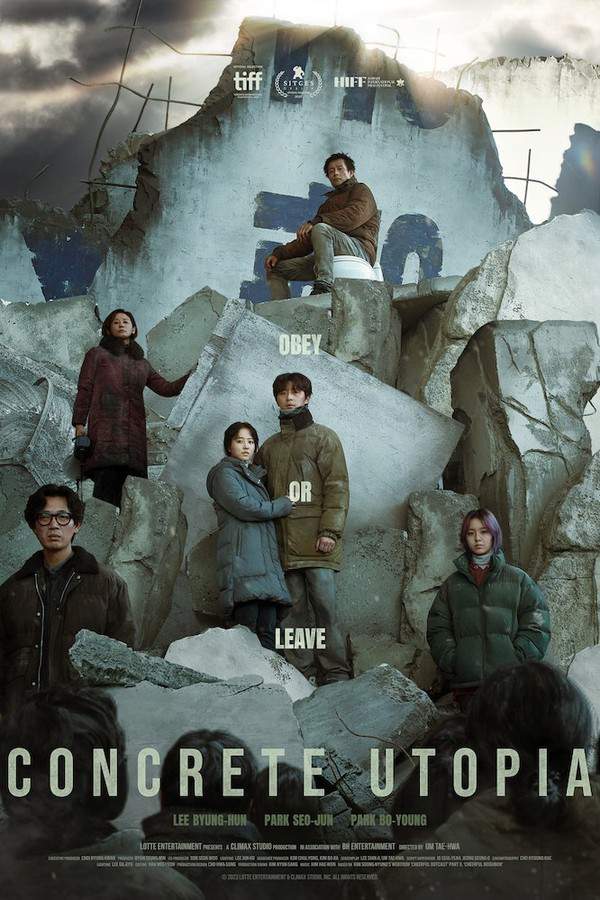

Dark satires about art and authority like Orchestra Rehearsal

Cynical explorations of the messy, often destructive relationship between creative expression and authority. Fans of Orchestra Rehearsal's cynical take on artistic creation and power will find similar themes here. These movies are dark satires that explore the chaos, pretension, and power struggles within creative worlds, combining intellectual humor with a heavy, often melancholic mood and complex character dynamics.

  • sardonic
  • caustic
  • melancholic
  • introspective
  • defiant
  • disillusioned
  • Tone: dark, sardonic, melancholic
  • Pacing: steady, character-driven
Why these movies?

The story pattern: Stories in this thread often revolve around an artistic process—a rehearsal, a production, a creation—that is fundamentally disrupted by egos, ideological clashes, or authoritarian control. The narrative uses this disruption for satirical effect, exposing the fragility of artistic collaboration and the often-tyrannical nature of creative control, leading to outcomes that are as intellectually stimulating as they are emotionally resonant.

Why they belong together: These films are united by their darkly comedic and critical perspective on artistic endeavors. They share a specific tone blend of sardonic humor and heavy drama, a focus on power dynamics within creative settings, and a thematic interest in disillusionment and the cost of artistic expression, making the viewing experience both thought-provoking and emotionally charged.

If you liked this

Movies Like Orchestra Rehearsal

Similar movies to Orchestra Rehearsal: the same genre, themes or kind of story. Each one comes with its own plot summary, timeline and ending explained.

Browse all movie summaries

Every angle

Orchestra Rehearsal (1978) Explained: Plot, Timeline & Characters

Everything about Orchestra Rehearsal in one place: what happens in the plot summary, the timeline in chronological order, the characters and meaning and a spoiler-free summary. What's After the Movie adds the cast, box office and post-credit scenes.

Coming soon on iOS and Android

The Plot Explained Movie Summary App

Plot summaries, endings explained and timelines on your phone. Catch up on any movie in minutes, save your favorites and never miss a twist again.

Be the first to know when we launch. Your email stays private, always.

Learn more about the app