Plot Explained Spoilers guaranteed!
Plot Explained

Browse by genre

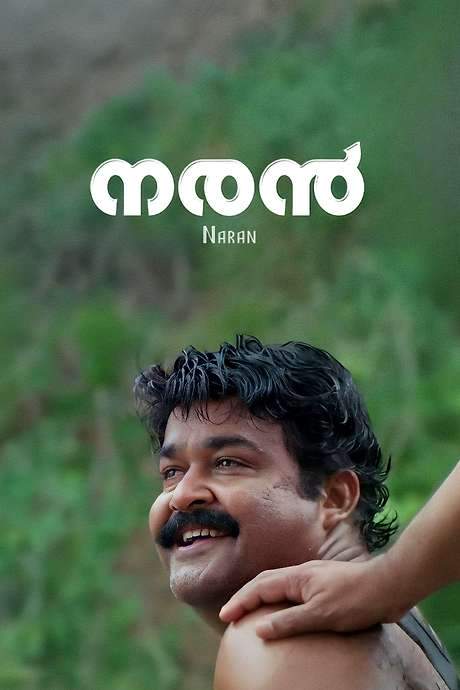
Naran (2005) movie poster

Plot Summary

Naran (2005) Plot Summary Explained

Release, runtime and language
2005 · 165 mins · Malayalam
Loading streaming availability…
Directed by
Joshiy
Starring
Siddique, Mohanlal, Jagathy Sreekumar, Bhavana, Maniyanpilla Raju, Mamukkoya

Mullankolli remote village, orphan Velayudhan rescued during flood, raised by feudal landlord Valiya Nambiar. He becomes a good‑hearted drunkard rowdy who despises injustice, imposing his own code on frightened villagers, and clashes with corrupt moneylender Member Kurupu and ambitious son‑in‑law Gopinathan Nambiar, who seeks power.

On this page (6)
  1. 1 Where to watch
  2. 2 What happens: full plot
  3. 3 Plot questions answered
  4. 4 Movie threads
  5. 5 Movies like Naran
  6. 6 Every angle
Loading streaming availability…

Full plot summary · contains spoilers

What Happens in Naran: Full Plot Summary

The whole story of Naran (2005) explained, from the opening scene to the final frame: every key event, every twist and what it all adds up to. Read it as a quick recap before the sequel, to check a scene you missed, or to finally understand what really happened.

Mullankolli is a rustic, wind-swept village in the Wayanad district of northern Kerala, where Mullankolli Velayudhan Mohanlal grows up under the care of the generous yet formidable Puthusseri Valiya Nambiar. An orphan whose mother arrived on a flood-swollen raft years earlier, he is raised with a strong sense of justice and a personal code: when he plants a stick, it marks his stamp of authority. The only men he truly listens to are Valiya Nambiar and Kelappan, who looked after him as a child. This fragile balance of power and loyalty sets the stage for a village where fear, respect, and affection intertwine, and where the line between protector and tyrant often blurs.

The village’s power dynamics are tested from the start. Kuruppu [Jagathy Sreekumar] and Gopinath Nambiar [Siddique], the latter being Valiya Nambiar’s son-in-law, push their own rules and ambitions, regularly hiring goons from outside to challenge Velayudhan. Yet time and again, his resolve holds firm, and the locals watch as a brutal, almost ceremonial order settles over Mullankolli. In this volatile mix, outsiders fear the raw strength that Velayudhan wields, while the villagers increasingly depend on him to keep the peace in a place where law and custom often collide.

Three women cross his path and test his heart: Kunnummel Shantha [Sona Nair], a sharp-witted prostitute who knows the village’s secrets; Janaki [Bhavana], his childhood crush who harbors her own pain; and Kelappan’s daughter Leela, whose presence tugs at his loyalties. Janaki’s husband Krishnan [Maniyanpilla Raju], a heavy drinker, despises the memory of what might have been for Janaki and Velayudhan. Although Gopi’s true colors reveal themselves, Velayudhan keeps his distance from Gopi’s schemes, not out of fear but out of respect for Gopi’s wife Sunanda and Valiya Nambiar’s daughter. The delicate balance of affections, rumors, and alliances begins to fracture the village’s fragile harmony.

During the annual temple festival, Kuruppu capitalizes on the town’s tensions, and Gopi intensifies his schemes by offering extra money to have Velayudhan stabbed in the dark. The plot fails—Velayudhan defeats the attackers, and his arrest by the police is short-lived once an elderly constable uncovers the truth of his innocence. The monsoon reawakens the river’s power, and Velayudhan launches his routine flood-time quest for items carried by the raging current, aided by Kelappan and boatman Ahmed. A new threat emerges when Hamsa, a goon hired by Gopi, tries to topple him by severing a critical rope. Velayudhan nonetheless manages to seize and secure his prize log, warning his enemies with a fierce display of strength.

Velayudhan’s search for a life beyond violence takes a turn toward marriage with Leela, but a calculated rumor propagated by Gopi through Kuruppu sabotages the union. Leela resists, even attempting to leap from a cliff to escape the dishonor, only to be saved by Velayudhan. In a decisive moment, Valiya Nambiar persuades him to vow never to drink or beat again. That night, Velayudhan confides a painful childhood memory and his enduring love for Janaki to Ahmed, who offers shelter. The next morning, Ahmed arrives with grave news: Velayudhan has been left badly beaten in his sleep by the village goons, deepening the villagers’ sympathy for him even in his absence.

With Velayudhan sidelined, chaos envelops Mullankolli as goons run amok and the community rapidly realizes how much they depend on his presence. Gopi intensifies his machinations—Keeri Raghavan is charged with supplying food to Janaki, and Krishnan confronts Keeri at the toddy shop, only to be beaten and inadvertently stabbed with a glass bottle, forcing Krishnan to flee. Gopi then uses the chaos to seize control of critical documents under a chit fund scheme steered by Kurup, whose own sense of betrayal grows as he realizes he’s been duped, yet powerless to stop Gopi’s scheming.

Valiya Nambiar’s death—ruled a heart attack by some, mourned as a calculated strike by others—shocks Mullankolli. The village reels in grief, while Hamsa’s provocations push Velayudhan to break his vow by reasserting his strength. Yet his return to the river—this time with bandages and an unyielding resolve—becomes a symbol of communal hope, as Kelappan and Ahmed, along with the villagers, attempt to pull him to shore by securing a rope.

As dawn breaks after a grim night, Janaki and her daughter confront Gopi when he stalks them; they leap into a well to escape, and Gopi escapes but is later tracked. Kuruppu exposes that Gopi was the one who murdered Valiya Nambiar, shifting the village’s mood toward justice. Velayudhan finally corners Hamsa, breaking the earlier implied truce with a direct, brutal confrontation. The climactic showdown sees Gopi flee in his jeep, only to be intercepted by the enraged crowd and Velayudhan. After a long, furious struggle, Velayudhan drowns Gopi in the river, a definitive act that avenges Valiya Nambiar and Janaki. As the police arrive, Velayudhan hides his tears and reveals a quiet, almost serene happiness—the villagers’ presence and farewell confirming that his vigilante era has come to a solemn close, and Mullankolli has found a way to move forward together.
Last updated: October 09, 2025 at 14:30

Was this helpful?

Plot questions answered

Naran Plot Explained: Your Questions Answered

The questions people ask most about Naran (2005): what happens in the confusing scenes, why the characters do what they do, the twists, hidden details and what the ending means. Each answer contains spoilers.

Q1

Why does Velayudhan act as the village's unofficial protector despite being an orphan?

Velayudhan was rescued during a flood as a baby and raised by Valiya Nambiar, the feudal landlord. Growing up in Mullankolli, he developed a strong sense of justice and a personal code: when he plants his stick, it marks his stamp of authority. The only men he truly respects are Valiya Nambiar and Kelappan, who looked after him as a child. His position as both protector and enforcer stems from this upbringing, he uses violence to maintain order but genuinely cares about the villagers.

Foreshadowing: From childhood, he marks his authority with a simple act of planting a stick, a gesture that becomes his signature throughout the film.

  • velayudhan
  • orphan
  • valiya nambiar
  • village protector
  • mullankolli
Q2

Why does Gopinathan Nambiar want to eliminate Velayudhan?

Gopi is Valiya Nambiar's ambitious son-in-law who seeks to seize power in Mullankolli. He recognizes Velayudhan as the main obstacle to his plans because Velayudhan consistently opposes his schemes and maintains authority over the village through force and respect. Gopi repeatedly hires outside goons, including Hamsa, to attack Velayudhan, spreading rumors and orchestrating attacks to clear his path to control the village and its resources.

Foreshadowing: From the beginning, Gopi and Kuruppu push their own rules and ambitions, regularly hiring goons to challenge Velayudhan.

  • gopi
  • gopinathan nambiar
  • power grab
  • hired goons
  • village control
Q3

What rumor destroyed Velayudhan's marriage plans with Leela?

Gopi spread a calculated rumor through Kuruppu alleging illicit ties between Velayudhan and Kelappan's daughters, specifically damaging Leela's reputation. This rumor was designed to destroy Velayudhan's chance at a peaceful life and alienate him from his close ally Kelappan. The plan worked, Kelappan publicly expelled Velayudhan from his house, and Leela's marriage to Velayudhan collapsed despite Valiya Nambiar's attempts to salvage the situation.

Foreshadowing: Gopi's true colors reveal themselves early, showing his willingness to use deception and manipulation.

  • leela
  • rumor
  • marriage
  • kelappan
  • gopi schemes
Q4

How did Valiya Nambiar die in the film?

Valiya Nambiar dies suddenly of what appears to be a heart attack, though some villagers mourn him as a calculated murder. The timing is suspicious, it happens when Velayudhan is sidelined and vulnerable after being badly beaten by goons. Later, Kuruppu exposes that Gopi was responsible for Valiya Nambiar's death, revealing it was murder rather than natural causes, driving Velayudhan's ultimate revenge.

Foreshadowing: After Velayudhan is beaten and sidelined, chaos envelops Mullankolli, creating the perfect opportunity for Gopi's scheming.

  • valiya nambiar death
  • gopi murder
  • heart attack
  • village leader
Q5

Why does Velayudhan drown Gopi at the end?

Velayudhan drowns Gopi in the river as the final act of revenge for murdering Valiya Nambiar and for all the suffering Gopi caused, including ruining Leela's reputation, assaulting Velayudhan in his sleep, and terrorizing the village. After cornering Gopi during the climactic showdown, Velayudhan holds him underwater until he dies, avenging his mentor and the community. This act represents both justice and the end of his vigilante era.

Foreshadowing: Gopi's escalating crimes, including the murder of Valiya Nambiar, push Velayudhan toward violent retribution.

  • gopi drowning
  • revenge
  • valiya nambiar murder
  • river showdown
Q6

What is the significance of Velayudhan planting his stick in the ground?

From childhood, Velayudhan marks his authority by planting a stick, this simple gesture signals his control and becomes a symbol the villagers recognize and fear. When he plants his walking stick, it means he is asserting his power and demanding silence or submission. This ritual appears at key moments, including when Hamsa provokes him after Nambiar's death, reinforcing his role as both protector and enforcer in Mullankolli.

Foreshadowing: From an early age, he marks his authority with a stick, and this gesture recurs throughout the film as his signature act.

  • stick planting
  • authority symbol
  • mullankolli tradition
  • velayudhan code
Q7

Why does Janaki end up with Krishnan instead of Velayudhan?

Janaki was Velayudhan's childhood crush, but circumstances prevented their union. Janaki married Krishnan, a heavy drinker who despises the memory of what might have been between Janaki and Velayudhan. Despite Velayudhan's enduring love for Janaki, revealed when he confides in Ahmed, he never acts on these feelings due to her marriage and the complex social dynamics of the village. Janaki's own pain remains hidden throughout the story.

Foreshadowing: Velayudhan confides his painful childhood memory and enduring love for Janaki to Ahmed, revealing unresolved feelings.

  • janaki
  • velayudhan love
  • krishnan
  • childhood crush
  • unrequited love
Q8

Why is Velayudhan beaten while sleeping?

After the rumor destroys his marriage plans with Leela and Velayudhan makes a vow to stop drinking and beating, Gopi's goons assault him in his sleep as part of the ongoing campaign to eliminate him. This cowardly attack deepens the villagers' sympathy for Velayudhan during his absence, as goons run amok and the community realizes how much they depend on his protection.

Foreshadowing: Velayudhan's vow to change and his vulnerability create an opportunity for his enemies to strike.

  • velayudhan beaten
  • goons attack
  • sleep assault
  • villagers sympathy
Q9

What role does Hamsa play in Gopi's scheme against Velayudhan?

Hamsa is a goon hired by Gopi totopple Velayudhan's power. During the monsoon river log mission, Hamsa attempts to kill Velayudhan by severing the critical rope keeping the log in place. When this fails, Hamsa continues provocations against Velayudhan throughout the film, serving as Gopi's primary muscle. In the climax, Velayudhan breaks the earlier implied truce and confronts Hamsa directly, defeating him.

Foreshadowing: Hamsa is first introduced cutting the rope during the monsoon floods, nearly causing Velayudhan's death.

  • hamsa
  • gopi hired goon
  • river attack
  • rope cutting
Q10

Why do the villagers farewell Velayudhan despite him committing murder?

The villagers farewell Velayudhan because he was their protector who used violence against genuine threats, corrupt moneylenders, goons, and finally Gopi who murdered Valiya Nambiar. While his final act of drowning Gopi is violent, the community recognizes it as justice against a tyrant who terrorized Mullankolli. The bittersweet ending shows the villagers honoring him as the defender who chose the people over himself, even as his vigilante era comes to a close.

Foreshadowing: Throughout the film, villagers depend on Velayudhan to keep the peace in a place where law and custom often collide.

  • villagers farewell
  • velayudhan hero
  • murder justified
  • bittersweet ending
Q11

What is the importance of the monsoon flood log mission?

During monsoon floods, Velayudhan, Kelappan, and Ahmed attempt to haul valuable logs floating down the river, a annual ritual that represents both survival and profit for the village. This mission becomes pivotal when Hamsa, hired by Gopi, cuts the rope to cause disaster. Velayudhan's ability to recover the log and defeat Hamsa despite the sabotage serves as a warning to his enemies and reinforces his dominance over the river, which becomes central to the climactic showdown.

Foreshadowing: The river and logs become symbolic of Velayudhan's control over Mullankolli's resources and destiny.

  • monsoon floods
  • log mission
  • river
  • hamsa rope cutting

Movie threads

More Movies Like Naran, by Mood & Story

Curated lists built around what makes Naran tick: the same mood, the same kind of story or the same emotional payoff. Each list explains why these movies belong together.

Stories of flawed guardians and brutal justice like in Naran

Stories where a formidable protector imposes a brutal, personal code of justice. If you liked Naran's exploration of a feared village protector, explore other movies with similar themes. This section features dramatic stories about morally ambiguous figures who impose their own violent code of justice on communities trapped by corruption or oppression.

  • tense
  • oppressive
  • brutal
  • gritty
  • unflinching
  • moral conflict
  • Tone: tense, dark, morally conflicted
  • Pacing: steady, building towards confrontations
Why these movies?

The story pattern: These narratives typically follow a powerful but flawed individual who clashes with a corrupt system or rival factions. Their methods are brutal and often tyrannical, creating a central tension between their role as protector and oppressor. The story escalates through confrontations, leading to a climax that questions the sustainability and morality of their rule.

Why they belong together: Movies are grouped here for their shared focus on a central, formidable character who embodies a violent moral code, the oppressive atmosphere of their world, and the heavy emotional weight of their morally ambiguous actions.

Bleak rural dramas about the cost of justice like Naran

Gritty tales where justice comes at a devastating personal and communal price. For viewers who appreciated the heavy, atmospheric drama of Naran, this section highlights similar movies. Discover other gritty stories set in villages or rural towns where fights against corruption lead to violence and a bittersweet, costly victory for the community.

  • gritty
  • melancholic
  • atmospheric
  • unflinching
  • feudal
  • village politics
  • Tone: gritty, melancholic, bittersweet
  • Pacing: steady, atmospheric build
Why these movies?

The story pattern: The narrative pattern involves a close-knit community grappling with internal power dynamics, often feudal or politically corrupt. A conflict erupts, pitting a righteous but imperfect individual against entrenched interests. The resolution is achieved through visceral violence, but it brings melancholy rather than celebration, underscoring the loss and change inherent in the struggle.

Why they belong together: These films share a specific vibe: a gritty, atmospheric rural setting, a central conflict driven by local politics and corruption, high emotional stakes, and a conclusion that emphasizes the heavy, often bittersweet cost of achieving justice.

If you liked this

Movies Like Naran

Similar movies to Naran: the same genre, themes or kind of story. Each one comes with its own plot summary, timeline and ending explained.

Browse all movie summaries

Every angle

Naran (2005) Explained: Plot, Timeline & Characters

Everything about Naran in one place: what happens in the plot summary, the timeline in chronological order, the characters and meaning and a spoiler-free summary. What's After the Movie adds the cast, box office and post-credit scenes.

Coming soon on iOS and Android

The Plot Explained Movie Summary App

Plot summaries, endings explained and timelines on your phone. Catch up on any movie in minutes, save your favorites and never miss a twist again.

Be the first to know when we launch. Your email stays private, always.

Learn more about the app