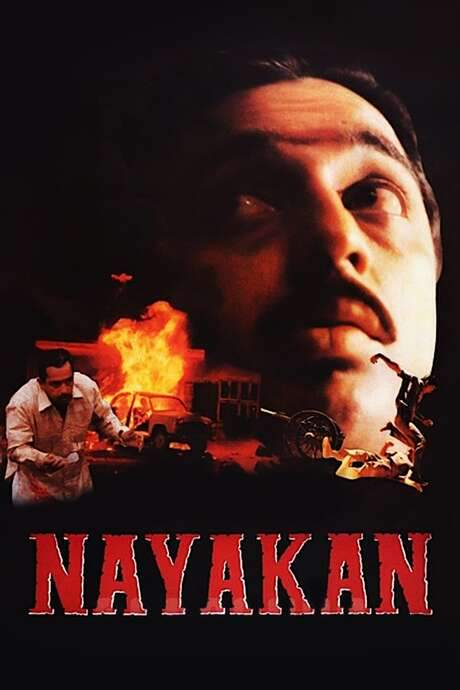
Manickam is a well-meaning rogue whose rough edges hide a strong sense of loyalty. When Uma, an orphaned woman, seeks shelter from criminals, she finds refuge in his home. After he saves her from pursuing trouble, he discovers she is a missing person and returns her to her family. Watching the abuse she endures at the hands of her uncle Sadhasivam, Manickam steps in again, shielding Uma and, in a bold act of protection, marrying her. He makes a solemn vow to live without violence and even surrenders to the police inspector Azhagarsamy for past acts, choosing a path of accountability over avoidance.
Released from prison in time to meet his newborn daughter Priya, Manickam’s life begins to tilt toward responsibility and community. A friend of Azhagarsamy, Gangadharan, offers him a job at Victory Industries, a factory struggling to stay afloat. When Gangadharan spirals into debt and a looming bankruptcy threatens the business, Manickam refuses to walk away. He applies himself with unwavering dedication, rebuilding the enterprise and eventually clearing the creditors’ claims through sheer hard work. In gratitude, Gangadharan entrusts all his wealth to Manickam on his deathbed, a turning point that reshapes the family’s fortunes.
Years pass, and Manickam steers Victory Industries toward stability and success, expanding his influence over Gangadharan’s finances and securing the well‑being of his household. Yet the winds of envy blow through the household when Gangadharan’s spoiled son Vinod grows resentful, believing that Manickam has stolen his father’s fortune. Vinod’s resentment festers into a malicious plan as he targets Priya, hoping to alienate her from her husband. He succeeds in marrying Priya himself, a move that devastates Manickam and Uma and threatens the fragile harmony of the family. The tension deepens when Uma dies of a heart condition, a loss that accents the magnitude of the family’s financial and emotional turmoil.
In the wake of Uma’s death, Manickam’s generosity and trust are tested further. He donates all his wealth and property to Vinod, insisting that he did not swindle his father’s business, a gesture meant to restore trust and protect Priya’s future. Sadhasivam, never truly defeated, hatches a new plan to seize Vinod’s wealth by violence. Priya, aware of the danger, informs Manickam, who rushes to intervene. He confronts the danger, defeating Sadhasivam’s thugs and, with the help of a loyal ally Thakkali, ensuring Sadhasivam’s defeat is brought to justice.
The climactic arc centers on reconciliation and responsibility. Manickam and Vinod start to mend their rift, while Priya’s presence anchors the family as they navigate the consequences of betrayal and ambition. Yet a new chapter opens when Priya reveals she is pregnant with Vinod’s child, a revelation that complicates Manickam’s sense of home and belonging. The film closes on a note of cautious hope, with the implication that the family may finally find lasting peace, and that Manickam’s journey—from rogue by misfortune to steadied guardian of those he loves—has reshaped more than just a single life. This story explores the burdens and redemptive power of generosity, the fragility of trust, and the stubborn resilience of chosen families in the face of greed and loss.