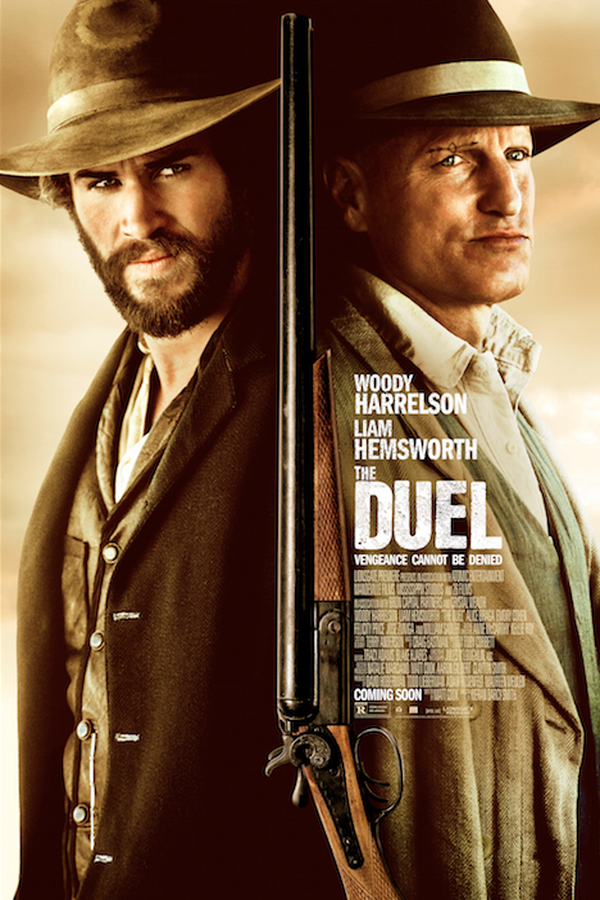
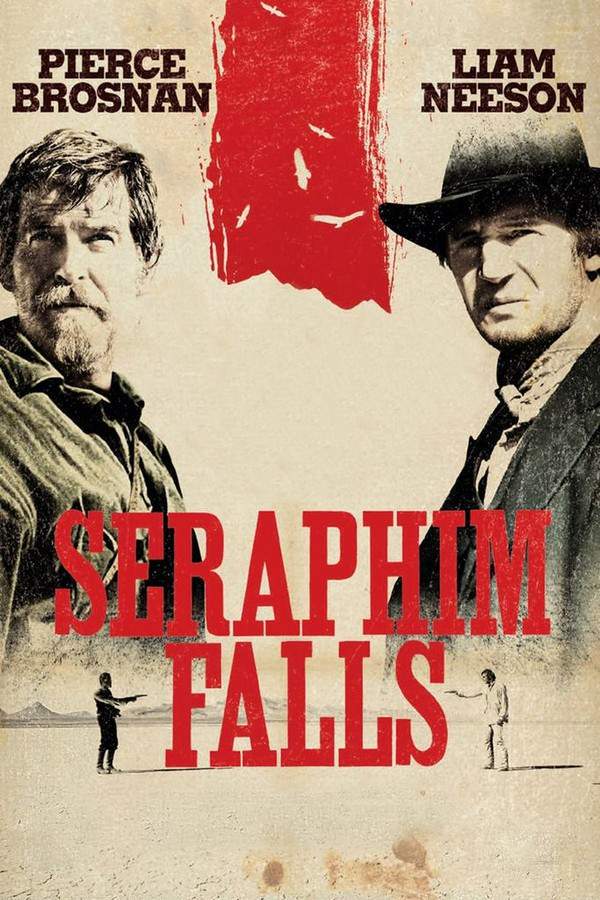
On the Texas frontier in 1887, a rugged line between law and lawlessness sets the stage for a tense, shadow-filled pursuit. Texas Ranger David Kingston is dispatched by Governor “Sul” Ross to the isolated town of Mount Hermon with a clear mission: uncover a chilling string of murders and disappearances that haunt the nearby Mexican communities, and specifically search for Maria Calderon, the missing niece of a Mexican general who threatens to invade if she is not found. The weight of his assignment rests on a quiet resolve, and beneath his calm exterior lies the burden of a past he hopes to keep intact as he steps into a town that already wears fear like a second skin.
The town itself seems to breathe with suspicion. At the center stands Abraham Brant, a preacher who doubles as mayor, a man whose grip on Mount Hermon is kept firm by fear and control. Brant is also the man responsible for killing Kingston’s father in a brutal, long-ago “Helena Duel” knife fight in 1866, a memory that tethers Kingston’s purpose to the present with personal gravity. Kingston arrives disguised as a wandering traveler rather than a herald of the law, a choice that suits his covert mission while allowing him to observe the town’s dynamics from the shadows. Brant, sensing a potential ally, offers him the role of town sheriff, a position Kingston accepts with cautious hesitation. The job would give him a cover to move about, to probe the town and its outskirts for clues without drawing immediate suspicion—an arrangement that allows the real investigation to unfold beneath the surface.
As Kingston begins to explore Mount Hermon and gauges the danger along the Rio Grande, a more intimate drama unfolds behind the facade of civic piety. Brant uses charm and intimidation to bend the townspeople to his will, but the most entangled manipulation centers on Kingston’s wife, Marisol. Brant cultivates a troubling dependence in her, drawing her into a complicity that gradually isolates Kingston from his own home life. The cycle of control deepens as Marisol becomes Brant’s willing consort, and in a cruel turn, she betrays Kingston’s secrets, revealing fragments of the mission that Brant believes will keep him one step ahead.
Amid the political theater and personal peril, Kingston encounters Naomi, an abused prostitute with information that could alter the balance of power in Mount Hermon. In exchange for being freed from a life she cannot endure, Naomi offers Kingston crucial knowledge about Brant’s operations. The information comes with a grim cost, however: Brant’s men retaliate with a brutal act, hanging Naomi in a cruel display of power designed to punish informants and silence dissent. Kingston’s resolve hardens in response, confirming that Brant’s grip rests on fear, violence, and a willingness to bend the law beyond recognition.
From these unsettling truths, Kingston unravels Brant’s most shocking secret: he abducts Mexicans to serve as prey for wealthy foreigners who hunt them for sport. The revelation reframes the town’s quiet menace into a brutal conspiracy that threatens not only the Mexican community but the very idea of justice in the borderlands. The knowledge sets up a confrontation that will force Kingston to choose between the letter of the law and the raw necessity of a man willing to end this cycle of cruelty.
The tension erupts when Brant’s son, Isaac, steps into the arena and challenges Kingston to a final, deadly duel—another echo of the “Helena Duel” that colors Kingston’s memories. The knife fight is brutal and unforgiving: Kingston is badly wounded, yet triumphs by killing Isaac. With the son’s fall, Kingston makes his way toward the remote prison compound where many captives—among them Maria Calderon—are held. A fierce pursuit follows, and Kingston, though gravely injured, manages to free several imprisoned Mexicans, including Maria, in a harrowing escape that underscores the stakes of the entire mission.
A climactic shootout near the isolated compound pits Kingston against Brant in a desperate bid for survival and justice. In the heat of the moment, Kingston pins Brant’s leg under a heavy boulder, forcing a brutal stalemate. As Kingston slips toward collapse, Brant, in a final act of desperation, hacks off his own leg and crawls toward the wounded ranger, intent on finishing what he started. The moment seems to tilt toward a grim conclusion until Maria Calderon re-emerges and delivers a decisive shot that ends Brant’s tyranny for good. The killer’s fall marks a turning point not only for Kingston’s pursuit of truth but for the fate of those Brant had tormented and exploited.
With Brant dead, Kingston disposes of the body in the Rio Grande, near the lifeless figure of a dead scalped Mexican woman—a stark reminder of the brutality that has stained the town. The Mexican general, grateful for the recovery of Maria Calderon, expresses his relief and thanks Kingston for restoring one thread of dignity to a landscape scarred by violence. Yet even as relief arrives, the town’s grim truth lingers: when the patrol returns to the prison and the surrounding streets, Mount Hermon is found abandoned, with no signs of the complex that once oppressed those held within. Kingston’s final act is one of quiet endurance and reflection as he rides off into the brush, alone, his gaze lingering on the tree where Naomi was once hung—an emblem of the town’s dark past and the fragile hope that justice can endure beyond fear.
In the end, the story remains a stark meditation on duty, betrayal, and resilience in a frontier town where every choice carries a weighty consequence, and where a solitary lawman’s search for truth becomes a counterpoint to the violence that once ruled the streets.