Plot Explained Spoilers guaranteed!
Plot Explained

Browse by genre

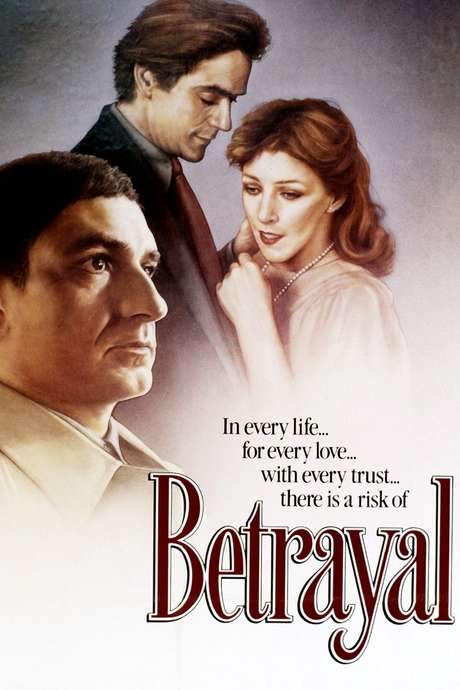
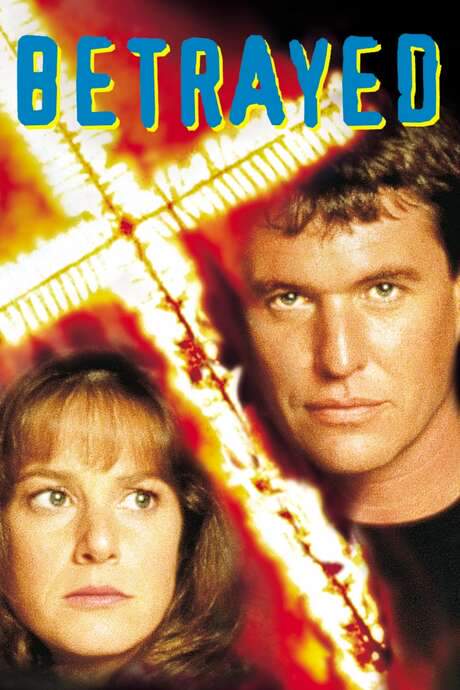
Betrayed (1988) movie poster

Plot Summary

Betrayed (1988) Plot Summary Explained

Release, runtime and language
1988 · 127 mins · English
JustWatch #13,377 16
Directed by
Costa-Gavras
Starring
Tom Berenger, David Clennon, John Heard, Clifford A. Pellow, Albert Hall, Ted Levine

An undercover FBI agent poses as a combine driver to infiltrate a Midwestern farming community, where she becomes romantically involved with a charismatic farmer. As their passionate affair intensifies, she uncovers his secret role as a white supremacist, forcing her to grapple with betrayal, loyalty, and the dangerous line between duty and desire.

On this page (6)
  1. 1 Where to watch
  2. 2 What happens: full plot
  3. 3 Plot questions answered
  4. 4 Movie threads
  5. 5 Movies like Betrayed
  6. 6 Every angle

Where to watch

Where to Watch Betrayed (1988)

Where can you watch Betrayed? Stream, rent or buy it in the US, including on fuboTV, MGM Plus and Philo: current JustWatch availability with up-to-date prices.

Streaming availability powered by JustWatch

Full plot summary · contains spoilers

What Happens in Betrayed: Full Plot Summary

The whole story of Betrayed (1988) explained, from the opening scene to the final frame: every key event, every twist and what it all adds up to. Read it as a quick recap before the sequel, to check a scene you missed, or to finally understand what really happened.

Set in the American Midwest, the film opens with the shocking murder of a Jewish radio host in Chicago. FBI undercover agent Katie Phillips, operating under the alias Catherine Weaver, is dispatched to infiltrate a farming community suspected of sheltering those responsible. Her mission aims to uncover the ties between the locals and the broader network behind the crime, testing her resolve and the boundaries of undercover work.

Upon arriving, she receives a warm, almost disarming welcome from land-owner and farmer Gary Simmons, along with his two children and the extended family that forms the heart of the valley’s social fabric. The hospitality she encounters lures her deeper into a world that feels remote from the FBI, and as she spends days among the families, the line between professional duty and personal risk begins to blur. The more she is drawn into Gary’s close-knit clan, the more the initial lead appears uncertain, and she starts to question what she really knows about the people she’s there to watch.

A growing sense of unease intensifies when whispers of long-held family secrets surface. As chilling incidents unfold, the atmosphere shifts from rustic camaraderie to something darker and more ominous. One night, Gary takes Katie hunting with a large gathering of white men and women who bring out a shirtless Black man, place a gun in his hand, and force him to run through the forest while the others prey on him. The group urges Katie to shoot the man herself, a demand she refuses. The man is killed, a brutal act witnessed by Katie, who then reports the incident to the FBI—yet she is instructed to return and gather more evidence, a directive that keeps her tethered to a dangerous balance between truth and loyalty.

The picnic comes next, a seemingly carefree family outing that gradually reveals a disturbing program: the community trains its members—adults and children alike—to nurture hate toward Jews and people of color. The sense of peril deepens as the group outlines a calculated plan to rob a Chicago bank, and Katie is pulled into the operation. During the robbery, a guard is shot, life hangs in the balance, and the group’s cohesion is tested as one member falls. Katie’s loyalties are put to the ultimate test as she tries to discover which member’s political campaign will be funded by the stolen money, all while Gary grows suspicious of her true identity and intent.

As the investigation progresses, Katie’s relationship with Gary becomes a crucible for the story’s tension. She presses him for the truth, hoping to extract the details she needs to bring the case back to the Bureau, but Gary uncovers her ruse and still chooses to take her along on his final assignment. The strain mounts as Katie strives to alert the FBI of the danger, but her attempts are thwarted, leaving both of them exposed to a decisive turn of events on the road.

In the journey’s culmination, the couple’s world collapses in a confrontation that leaves Katie with no choice but to act in self-defense. When Gary closes in on her, she shoots to protect herself, ending the threat and severing the dangerous bond they’ve formed. The emotional and professional fallout is swift: Katie resigns from the FBI, stepping away from a mission that demanded a price she wasn’t sure she could pay. In the quiet that follows, she visits Gary’s family, carrying the weight of what was learned, what was endured, and what was lost along the way.

Throughout, the story balances a suspenseful investigation with a stark meditation on loyalty, fear, and the seductive pull of belonging. It invites viewers to weigh the costs of undercover work against the imperative to prevent violence, while presenting a stark portrait of a community knit together by secrets and fear. The film challenges perceptions of heroism and complicity, leaving a lasting impression of how one person’s choices can ripple through a small world tipped toward darkness.
Last updated: October 09, 2025 at 14:34

Was this helpful?

Plot questions answered

Betrayed Plot Explained: Your Questions Answered

The questions people ask most about Betrayed (1988): what happens in the confusing scenes, why the characters do what they do, the twists, hidden details and what the ending means. Each answer contains spoilers.

Q1

Why does Katie return to the farm after witnessing the hunting murder?

Katie reports the hunting incident to the FBI but is ordered to return and gather more evidence against the white supremacist group. The agency sees the operation as too valuable to abandon, despite the danger. This directive forces Katie back into a world she now finds morally repugnant, deepening the tension between her duty and her growing moral opposition to what she's uncovered.

  • FBI
  • undercover
  • return
  • hunting incident
  • evidence
Q2

Why does Gary take Katie along after discovering she's an FBI agent?

Despite discovering Katie's true identity as an FBI agent, Gary chooses to bring her along on his final assignment. This decision reflects his belief that he can control the situation and perhaps test her loyalty. It also suggests he has become emotionally dependent on her, viewing her as someone he can still trust or convert to his cause, demonstrating the complicated bond formed during her undercover work.

  • Gary
  • discover
  • FBI identity
  • final assignment
  • loyalty
Q3

Why does Katie shoot Gary in the final confrontation?

During the final assignment on the road, Gary closes in on Katie with what appears to be hostile intent. When he refuses to surrender and continues approaching threateningly, Katie acts in self-defense, shooting him to protect herself. This moment represents the complete collapse of their relationship and the tragic end of her undercover mission, forcing her to choose survival over the complicated emotional connection they had formed.

  • self-defense
  • shooting
  • confrontation
  • finale
  • survival
Q4

Why does Katie resign from the FBI after the mission?

Katie resigns from the FBI because the mission has taken a severe personal and emotional toll. The combination of deceiving a family she'd grown close to, witnessing brutal violence, being ordered back into a dangerous situation, and ultimately killing the man she loved causes her to step away. The job demanded a price she couldn't continue paying, leading her to leave the Bureau and confront the aftermath.

  • resign
  • FBI
  • career
  • emotional toll
  • aftermath
Q5

What happens to the money from the bank robbery?

The group robs a Chicago bank to fund a political campaign that aligns with their white supremacist ideology. During the robbery, a guard is shot and one member of the clan is killed. Katie's assignment is to identify which candidate's campaign will receive the stolen funds, though the film focuses more on the moral implications than on revealing the specific recipient.

  • bank robbery
  • money
  • funding
  • campaign
  • political
Q6

What does the family picnic reveal about the community?

The picnic scene reveals that the farming community systematically indoctrinates both adults and children with hate toward Jews and people of color. It exposes the organized nature of the white supremacist group, showing that their ideology is actively taught and passed down through generations within the family unit, making the threat more insidious than isolated violence.

Foreshadowing: The picnic foreshadows the group's willingness to commit organized violence for their beliefs.

  • picnic
  • indoctrination
  • children
  • hate
  • community
  • teaching
Q7

Why is the hunting scene with the Black man significant?

The hunting scene is a pivotal moment that reveals the depth of the group's violence and racism. A captured Black man is forced to run through the forest while the group hunts him like game. Katie is pressured to participate but refuses, marking her first clear moral line. The man is ultimately killed, demonstrating the group's capacity for murder and pushing Katie further into moral conflict.

  • hunting
  • black man
  • violence
  • racism
  • refusal to shoot
Q8

How does Katie's relationship with Gary affect her mission?

The growing romance between Katie and Gary blurs the line between her undercover duty and personal involvement. As she becomes integrated into his family and community, she begins to doubt the FBI's lead and questions what she truly knows about these people. Her feelings compromise her objectivity, making it increasingly difficult to gather evidence and eventually leading her to probe Gary directly for information.

  • romance
  • Gary
  • feelings
  • mission
  • objectivity
  • conflict
Q9

Why does the FBI send Katie back after she reports the hunting murder?

The FBI orders Katie to return to the farm despite her report of the hunting murder because the agency considers her undercover position too valuable to abandon. They want her to gather more evidence against the broader white supremacist network connected to the murder of the Jewish radio host. This decision places Katie in increasing danger and moral jeopardy, testing the boundaries of undercover protocol.

  • FBI
  • orders
  • return
  • evidence
  • undercover
  • danger
Q10

Why does Katie visit Gary's family after everything ends?

After Gary's death, Katie visits his family to face the consequences of her double life and seek some form of closure. The visit represents her confronting the human cost of her deception, meeting the people she betrayed while undercover. It underscores the moral complexity of her situation and the lasting impact her choices had on innocent family members left behind.

  • family
  • visit
  • closure
  • aftermath
  • consequences
Q11

What triggers Katie to report the hunting incident to the FBI?

Katie reports the hunting murder because she witnesses a brutal, premeditated killing that she cannot ignore. When the group forces her to shoot the defenseless Black man and she refuses, then watches him be murdered, her moral compass compels her to inform the FBI. However, her report leads to her being sent back, revealing the limits of the Bureau's response to such violent evidence.

  • report
  • murder
  • witness
  • FBI
  • refusal
  • brutality
Q12

When does Gary become suspicious of Katie's true identity?

Gary becomes suspicious of Katie's identity during the later stages of the investigation, particularly as she presses him for details about the bank robbery money and the political campaign it will fund. His suspicions are confirmed when he discovers her true identity as an FBI agent. Despite this discovery, he makes the risky decision to keep her close rather than exposing or eliminating her.

  • suspicion
  • Gary
  • discover
  • identity
  • FBI
  • probing

Movie threads

More Movies Like Betrayed, by Mood & Story

Curated lists built around what makes Betrayed tick: the same mood, the same kind of story or the same emotional payoff. Each list explains why these movies belong together.

Undercover moral dilemmas like in Betrayed

Stories where going undercover blurs the line between duty and personal connection. For viewers who liked the high-stakes tension and moral conflict in Betrayed, this thread features movies about undercover operations where agents must navigate complex relationships and face profound personal betrayals. These stories explore the psychological toll of living a double life.

  • tense
  • suspenseful
  • morally ambiguous
  • claustrophobic
  • anxious
  • grim
  • Tone: tense, morally complex
  • Pacing: steady, methodical
Why these movies?

The story pattern: Narratives typically follow an operative infiltrating a dangerous group or community. The plot builds steadily as the agent gains trust, often forming a genuine bond or romantic involvement with a target. The central conflict arises when the agent's mission and personal feelings violently collide, leading to a climax fraught with betrayal and moral reckoning.

Why they belong together: These films are grouped by their shared focus on the psychological intensity of undercover work, a steady pacing that builds dread, and a heavy emotional weight stemming from themes of betrayal, identity, and the cost of justice.

Thrillers with forbidden romance like in Betrayed

Passionate relationships that bloom in the shadow of violence and opposing ideologies. If you liked the dangerous love affair at the heart of Betrayed, this thread collects movies where romance is complicated by betrayal, extremist ideologies, or life-threatening secrets. These films blend heavy drama with thriller elements, resulting in a bittersweet or tragic emotional payoff.

  • passionate
  • forbidden love
  • tense
  • tragic
  • dangerous
  • emotional turmoil
  • Tone: tense, dramatic, bittersweet
  • Pacing: steady, character-driven
Why these movies?

The story pattern: The narrative pattern involves two characters from conflicting worlds drawn into a powerful, often secretive romance. Their relationship develops under the constant pressure of external threats or internal moral conflicts. The story arc typically leads to a painful revelation or confrontation where love is tested by irreconcilable differences, resulting in a heartbreaking conclusion.

Why they belong together: Movies in this thread share a high-intensity, tense atmosphere where a central romantic plot is inseparable from themes of danger, betrayal, and ideological conflict. They deliver a heavy emotional impact through the collision of desire and duty or love and hate.

If you liked this

Movies Like Betrayed

Similar movies to Betrayed: the same genre, themes or kind of story. Each one comes with its own plot summary, timeline and ending explained.

Browse all movie summaries

Every angle

Betrayed (1988) Explained: Plot, Timeline & Characters

Everything about Betrayed in one place: what happens in the plot summary, the timeline in chronological order, the characters and meaning and a spoiler-free summary. What's After the Movie adds the cast, box office and post-credit scenes.

Coming soon on iOS and Android

The Plot Explained Movie Summary App

Plot summaries, endings explained and timelines on your phone. Catch up on any movie in minutes, save your favorites and never miss a twist again.

Be the first to know when we launch. Your email stays private, always.

Learn more about the app