Plot Explained Spoilers guaranteed!
Plot Explained

Browse by genre

Methagu (2021) movie poster

Timeline

Methagu (2021) Timeline Explained – Every Event in Order

Release, runtime and language
2021 · 100 mins · Tamil
Echo score 87
Loading streaming availability…
Directed by
T. Kittu
Starring
Lizzie Antony, Vinod Sagar, Eeshwar Baasha, Vijay Soundar, Kutti Mani
Budget
$5M

This film explores the true events that unfolded in Tamileelam, focusing on the suppression of Tamil ethnicity. It examines the circumstances that led to the rise of Tamil leader Prabhakaran and his involvement in the Tamil freedom struggle within Sri Lanka, an island nation in the Indian Ocean.

On this page (6)
  1. 1 Where to watch
  2. 2 Events in order (12)
  3. 3 Timeline questions answered
  4. 4 Movie threads
  5. 5 Movies like Methagu
  6. 6 Every angle
Loading streaming availability…

12 events in order · contains spoilers

Methagu Timeline: Events in Chronological Order

Every key event of Methagu (2021) in order, scene by scene, with when and where it takes place. Use it to untangle flashbacks, time jumps and parallel storylines, to refresh your memory before the sequel or to find the exact scene you are thinking of.

  1. Systemic discrimination against Tamils begins

    The government implements policies that prioritize Sinhala language and dilute Tamil identity. Tamils face systematic discrimination in education, governance, and daily life. These policies plant the seeds of resentment that shape Prabhakaran's early outlook.

    When
    Early life
    Where
    Sri Lanka
  2. Peaceful protests rise but are ignored

    Peaceful protests organized by Tamil leaders erupt across communities, but authorities ignore or violently suppress them. The crackdown deepens the sense that nonviolent efforts cannot bring change. The climate of fear begins to dominate everyday life.

    When
    Childhood/early youth
    Where
    Sri Lanka
  3. Riots, arrests, and brutality impact a young Prabhakaran

    As a young boy, Prabhakaran witnesses riots, arbitrary arrests, and brutal attacks on civilians. The violence leaves him emotionally scarred and questioning the efficacy of peaceful paths. He starts to perceive a growing gap between ideals and reality.

    When
    Childhood
    Where
    Sri Lanka
  4. The emotional imprint of violence

    He carries the weight of those memories and begins to feel a personal stake in the community's suffering. The emotional impact hardens into a desire for stronger responses to oppression. These experiences push him toward considering channels beyond nonviolent protest.

    When
    Childhood
    Where
    Sri Lanka
  5. Seeds of anger and resistance take root

    Seeds of anger and resistance take root as he questions why injustice persists while nonviolence yields little relief. He starts forming a critical view of peaceful methods and begins to imagine alternative paths. The personal pain blends with political frustration.

    When
    Late childhood to early adolescence
    Where
    Sri Lanka
  6. Teenage years intensify the crisis

    During his teenage years the situation worsens: students and activists are harassed, detained, or killed. The fear and frustration among Tamil youth grow, fueling a sense of urgency. He begins to engage more actively with the surrounding turmoil.

    When
    Teenage years
    Where
    Sri Lanka
  7. Failure of peaceful political movements

    The film shows repeated failures of peaceful political movements and aggressive crackdowns by authorities. Protests lose ground as arrests intensify and leadership is undermined. The atmosphere becomes a catalyst for radicalization.

    When
    Teenage years
    Where
    Sri Lanka
  8. Cultural gathering attacked – turning point

    A major turning point occurs when a Tamil cultural gathering is violently attacked, resulting in significant loss of life. The event reinforces the belief that justice cannot be achieved through peaceful means alone. Prabhakaran's resolve to resist hardens.

    When
    Adolescence
    Where
    Sri Lanka
  9. Disillusionment deepens; like-minded peers emerge

    Disillusionment deepens as he meets others who share anger and a desire for change. He begins to connect with like-minded individuals and to see organized action as a necessity. The sense of isolation is replaced by a budding collective purpose.

    When
    Late adolescence
    Where
    Sri Lanka
  10. From observer to activist thinker

    Prabhakaran shifts from a quiet observer to an active thinker about resistance and retaliation. He starts articulating a philosophy that justifies assertive action against oppression. The foundations of his revolutionary mindset take shape.

    When
    Late adolescence
    Where
    Sri Lanka
  11. Initiation into organized resistance

    He takes decisive steps toward organized resistance, forming small groups and planning actions. He begins preparing to fight back against perceived oppression. The narrative emphasizes the transition from contemplation to concrete organizing.

    When
    Early adulthood
    Where
    Sri Lanka
  12. Origin story and the rise of militancy

    Methagu presents itself as an origin story, showing how repeated violence, failed diplomacy, and personal experiences shape Prabhakaran into a revolutionary figure. The film focuses on this crucial turning point rather than detailing his later life, signaling the path toward militancy.

    When
    End of origin phase
    Where
    Sri Lanka

Last updated: June 16, 2026 at 13:21

Was this helpful?

Timeline questions answered

Methagu Timeline Explained: Your Questions Answered

When does it happen, and why in that order? The questions people ask about the chronology of Methagu (2021): time jumps, flashbacks, cause and effect between scenes and the correct order of events, each answered with spoilers.

Q1

Why did Prabhakaran stop believing in peaceful protest?

Prabhakaran stopped believing in peaceful protest after witnessing repeated failures of nonviolent political movements. As a teenager, he saw students and activists being harassed, detained, and killed by authorities. The peaceful protests organized by Tamil leaders were either ignored or violently suppressed, leading him to conclude that justice could not be achieved through peaceful means alone.

Foreshadowing: Earlier in his childhood, even peaceful student demonstrations were met with stern police crackdowns, planting the first doubts about nonviolence.

  • prabhakaran
  • peaceful protest
  • nonviolence
  • tamil struggle
  • sri lanka
Q2

What was the cultural gathering attack that changed everything?

The pivotal moment was when a Tamil cultural gathering was violently attacked, resulting in significant loss of life. This tragedy hardened Prabhakaran's belief that justice could not be secured through nonviolent means. The attack became the turning point that accelerated his shift from peaceful activism to contemplating organized resistance.

Foreshadowing: Earlier scenes showed peaceful protests being suppressed, building tension toward this violent climax.

  • cultural gathering attack
  • massacre
  • turning point
  • violence
  • tamil
Q3

How did discrimination affect Prabhakaran as a child?

As a child, Prabhakaran witnessed firsthand how government policies elevated Sinhala language and culture while marginalizing Tamil identity. He saw his community face systematic discrimination in education, governance, and daily life. These concrete experiences of injustice, watching riots, arrests, and brutal attacks on civilians, sowed the seeds of anger and resentment that shaped his early outlook.

Foreshadowing: The film opens by detailing these systemic policies, establishing the environment that would profoundly influence his development.

  • discrimination
  • tamil
  • sinhala
  • childhood
  • oppression
  • sri lanka
Q4

Why did peaceful political movements fail in Sri Lanka?

Peaceful political movements failed because authorities consistently ignored Tamil demands and responded with brutal force. Protests were met with stern police responses, arrests intensified, and leadership was undermined through detention and killings. The repeated crackdowns created fear and frustration, while proving that nonviolent efforts could not bring meaningful change to Tamil communities.

Foreshadowing: Early peaceful protests were shown being ignored or violently suppressed, demonstrating the pattern that would repeat throughout the narrative.

  • peaceful movement
  • failure
  • protests
  • crackdown
  • sri lanka government
Q5

What childhood events shaped Prabhakaran's political views?

Prabhakaran's political views were shaped by witnessing riots, arbitrary arrests, and violent attacks on innocent civilians during his childhood. These traumatic experiences left him emotionally scarred and created a growing question: why could nonviolence not shield his community from harm? The weight of these memories pushed him toward considering channels beyond peaceful protest.

Foreshadowing: The film carefully depicts these early violent encounters as foundation stones for his later radicalization.

  • childhood
  • riots
  • arrests
  • trauma
  • witnessing violence
Q6

How did Prabhakaran's peers influence his decision to resist?

As disillusionment deepened, Prabhakaran connected with others who shared his anger and desire for change. Meeting like-minded individuals replaced his sense of isolation with a budding collective purpose. These peers helped him see organized action as a necessity rather than an option, accelerating his transition from contemplation to concrete planning of resistance.

Foreshadowing: Earlier scenes showed him as a quiet observer, isolated in his frustration until he found others who thought like him.

  • peers
  • friends
  • collective action
  • radicalization
  • solidarity
Q7

What motivated Prabhakaran to form armed groups?

Prabhakaran was motivated to form armed groups after concluding that the cycle of violence and failed diplomacy left no other choice. The combination of personal traumatic experiences, witnessed brutality, and the failure of all peaceful avenues convinced him that organized resistance was necessary to fight back against perceived oppression.

Foreshadowing: The progression from questioning nonviolence to actively planning resistance was shown as a natural evolution throughout the film.

  • armed resistance
  • groups
  • militancy
  • organizing
  • revolution
Q8

Why did Prabhakaran become a revolutionary?

Prabhakaran became a revolutionary because repeated violence, failed diplomacy, and personal experiences converged to shape his worldview. The film shows how everyday disenfranchisement, the constant discrimination, suppressed protests, and witnessed atrocities, created the conditions that molded a quiet observer into someone who saw organized resistance as the only viable path forward.

Foreshadowing: The entire narrative traces this transformation from childhood observation to revolutionary thinking.

  • revolutionary
  • radicalization
  • origin
  • cause
  • transformation
Q9

What role did emotional trauma play in Prabhakaran's choices?

Emotional trauma played a central role in Prabhakaran's choices. Carrying the weight of witnessed violence and community suffering hardened into a personal desire for stronger responses to oppression. The film depicts how these traumatic memories blended with political frustration, pushing him toward considering violent means as a solution.

Foreshadowing: The emotional imprint of childhood violence was shown lingering throughout his teenage years.

  • emotional trauma
  • memory
  • psychology
  • suffering
  • pain
Q10

How does Methagu portray the birth of armed conflict?

Methagu portrays the birth of armed conflict as the logical conclusion of systematic oppression and failed peaceful resistance. The film presents itself as an origin story, showing how the convergence of ethnic discrimination, police brutality, and personal trauma created the perfect conditions for revolution. It emphasizes that the seeds of conflict were sown in everyday disenfranchisement, making the turn toward militancy feel inevitable rather than voluntary.

Foreshadowing: The steady progression from peaceful protest to violent resistance follows a clear cause-and-effect pattern established from the start.

  • birth of conflict
  • origin story
  • armed struggle
  • tamil elam
  • inevitability

Movie threads

More Movies Like Methagu, by Mood & Story

Curated lists built around what makes Methagu tick: the same mood, the same kind of story or the same emotional payoff. Each list explains why these movies belong together.

Radicalization stories like in Methagu

Chronicles of peaceful protestors pushed toward armed resistance by systemic oppression. Discover movies like Methagu that explore the intense and heavy narratives of individuals radicalized by oppression. These similar political dramas and historical biographies depict the grim transformation from peaceful activism to armed struggle.

  • angry
  • frustrated
  • determined
  • oppressive
  • gritty
  • somber
  • Tone: dark, angry, determined
  • Pacing: steady, methodical
Why these movies?

The story pattern: These narratives typically follow a linear, cause-and-effect structure, beginning with a protagonist witnessing or experiencing injustice. The story methodically charts their growing frustration with failed peaceful methods, leading to a decisive, often bleak, turn towards violence as the sole solution.

Why they belong together: These films are grouped together for their shared focus on the origin stories of militant figures, their heavy emotional weight, and their dark, oppressive atmosphere. They provide a sobering look at the circumstances that can lead to radicalization.
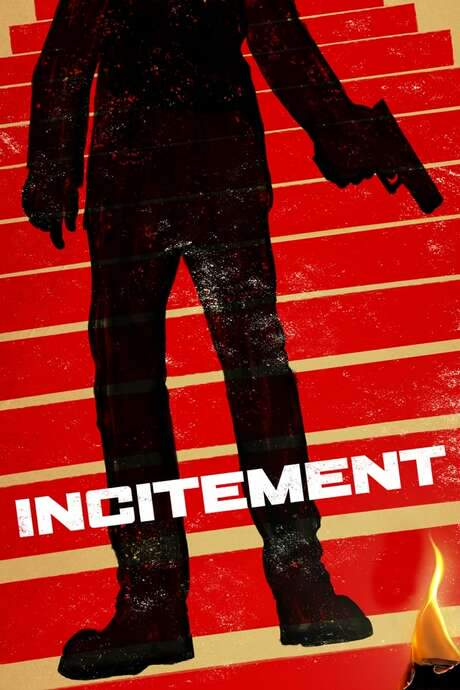
Bleak political biographies similar to Methagu

Sobering historical dramas about real figures who fought against ethnic and political suppression. Find more movies like Methagu, which are heavy historical dramas based on true events. These similar films explore themes of political persecution, ethnic discrimination, and the bleak realities of freedom struggles.

  • somber
  • tense
  • oppressive
  • gritty
  • melancholic
  • historical
  • Tone: somber, melancholic, tense
  • Pacing: steady, deliberate
Why these movies?

The story pattern: Stories in this thread are often biographical, following a linear timeline from a protagonist's formative years through their political awakening and decisive actions. The narrative is driven by external conflict and oppression, leading to a conclusion that offers little hope and solidifies a grim historical reality.

Why they belong together: These movies share a cohesive vibe of historical gravity, a steady and serious pacing, and a focus on the bleak outcomes of political strife. They are united by their educational yet emotionally draining depiction of real-world injustices and conflicts.

If you liked this

Movies Like Methagu

Similar movies to Methagu: the same genre, themes or kind of story. Each one comes with its own plot summary, timeline and ending explained.

Browse all movie summaries

Every angle

Methagu (2021) Explained: Plot, Timeline & Characters

Everything about Methagu in one place: what happens in the plot summary, the timeline in chronological order, the characters and meaning and a spoiler-free summary. What's After the Movie adds the cast, box office and post-credit scenes.

Coming soon on iOS and Android

The Plot Explained Movie Summary App

Plot summaries, endings explained and timelines on your phone. Catch up on any movie in minutes, save your favorites and never miss a twist again.

Be the first to know when we launch. Your email stays private, always.

Learn more about the app