Plot Explained Spoilers guaranteed!
Plot Explained

Browse by genre

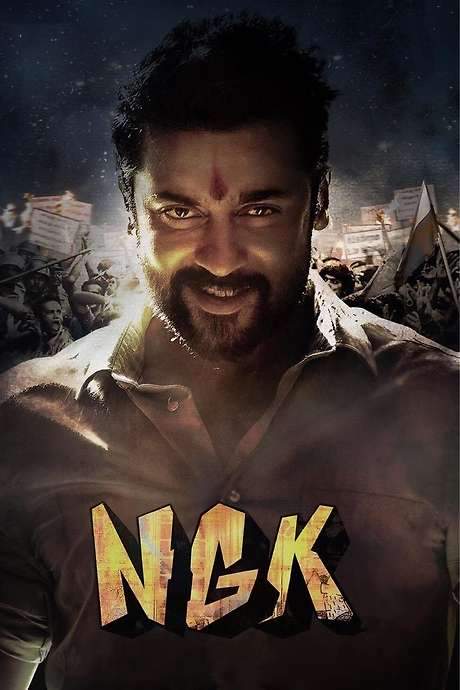
NGK (2019) movie poster

Plot Summary

NGK (2019) Plot Summary Explained

Release, runtime and language
2019 · 148 mins · Tamil
Echo score 86
Loading streaming availability…
Directed by
Selvaraghavan
Starring
Rakul Preet Singh, Thalaivasal Vijay, Ilavarasu, Suriya, Uma Padmanabhan, Nizhalgal Ravi
Budget
$11M

The Rebel An educated do-gooder is forced to enter politics in order to serve the society. But, will the old guard make way and allow him to do that?

On this page (6)
  1. 1 Where to watch
  2. 2 What happens: full plot
  3. 3 Plot questions answered
  4. 4 Movie threads
  5. 5 Movies like NGK
  6. 6 Every angle
Loading streaming availability…

Full plot summary · contains spoilers

What Happens in NGK: Full Plot Summary

The whole story of NGK (2019) explained, from the opening scene to the final frame: every key event, every twist and what it all adds up to. Read it as a quick recap before the sequel, to check a scene you missed, or to finally understand what really happened.

Nandha Gopalan Kumaran [Suriya] is a social worker and do-gooder, devoted to organic farming, who becomes the heartbeat of his hometown Srivilliputhur. He earns immense support from the town’s youth, drawn to his decision to leave a high-profile job to serve the country, and his daily life centers on his mother Viji [Uma Padmanabhan], his father Ramanan [Nizhalgal Ravi], a former military officer, and his possessive wife Geetha Kumari [Sai Pallavi], whose strength and loyalty shape his every move.

When Kumaran crosses paths with an old friend, Raja [Rajkumar], now the right-hand man to the area’s powerful MLA, Saghayam [Thalaivasal Vijay], he is shocked to realize that long-standing community problems can be resolved with a single phone call from the area councillor. This revelation unsettles Kumaran, who has spent years trying to fix issues through patient, grassroots effort. Meanwhile, a coalition of shopkeepers, middlemen, and others antagonistic to Kumaran’s organic farming program escalate pressure on him. They threaten his work, and when he refuses to bow to their demands, they attack the farmers and burn crops using chemicals, aiming to crush the movement he has inspired.

To bring a sense of order and opportunity, Aruna Giri—an insider with local roots—arranges a meeting between Kumaran and the ruthless, narcissistic MLA Pandiyan [Ilavarasu]. Pandiyan proposes a deal: Kumaran can help revive the village’s prospects if he joins Pandiyan’s KMK party, with a condition to recruit 500 villagers to the fold. Kumaran, initially reluctant, finds himself navigating a treacherous political landscape where loyalty and principle collide. Pandiyan’s mistreatment—making Kumaran scrub his toilet, fetch biriyani, and even bring a sex worker—pushes Kumaran to counterbalance his power with a careful, strategic resilience, using the fragile trust he earns to help his village and expose corrupt practices.

As the plot unfolds, Kumaran learns that Raja is battling terminal cancer, a revelation that adds a personal dimension to the political drama and complicates his choices about loyalty and strategy. In a bid to tilt the scales, Kumaran is introduced to Vanathi Thiagarajan [Rakul Preet Singh], a high-earning party appointee tasked with boosting their electoral chances. Impressed by Kumaran’s integrity and charisma, Vanathi becomes a significant ally, and an intimate relationship blossoms—one that unsettles Kumaran’s wife Geetha Kumari and strains the family’s already fragile dynamics.

Kumaran swiftly moves to counter Kesavamoorthy, the Home Minister, despite intense pressure and threats from Killivazhavan “Killi” [Devaraj], a figure who looms large in the political machine. Kumaran’s campaigns quickly reveal the minister’s corruption and abuses of power, and he orchestrates a staged revolt that seems tailored to advance the party’s fortunes. Yet Raja’s influence continues to echo through Kumaran’s decisions, pulling him toward harder, more dangerous choices as he pushes back against entrenched interests.

As the momentum builds, Kumaran faces a brutal test of character. Raja’s machinations push Kumaran toward a drastic maneuver: to cultivate genuine public sympathy, he is pressured into a plan that involves harming his own family to win votes for the chief minister’s position. The night he is set to address the villagers, goons aligned with his scheme attack the crowd; Kumaran’s wife Geetha is stabbed but survives thanks to Vanathi’s timely intervention. Tragically, Kumaran’s plan succeeds in severing the emotional ties that had held his family together, as his parents are killed in the resulting chaos. The scene marks a turning point, forcing Kumaran to confront the price of political power and the cost of public perception.

With grief and resolve driving him, Kumaran addresses the village with renewed vigor, and the heating tension erupts into violence when Pichai Muthu “Pichai” [Ponvannan], the KMK leader, discovers the extent of Vanathi’s involvement and the sway she has over Kumaran. The crowd’s emotions surge, and the fallout includes Pichai and his associates falling victim to a dramatic blast—an event that both consolidates Kumaran’s hold over the people and exposes the brutal realities of political theater.

Vanathi’s loyalties waver, and she chooses to step back from the growing romance and political alliance, setting the stage for Kumaran to reform his approach. Refusing to be merely a figurehead, Kumaran forms a new party, Makkal Munnetra Kazhagam, channeling the fire of the moment into a focused political program. The public responds, and Kumaran wins the legislative elections, reclaiming his wife’s trust in the process.

In the aftermath, Kumaran ascends to the position of chief minister, and during a televised interview he asserts a renewed commitment to strengthening his grip on the state. The film traces a complex arc of idealism, power, and consequences, painting a portrait of a reformer who becomes a political force while wrestling with personal loyalties and the heavy costs that accompany such meteoric change. The story blends social activism, political strategy, and the moral tension between ends and means, leaving viewers to weigh the price of progress against the ethical boundaries crossed in its pursuit.

Last updated: February 25, 2026 at 08:15

Was this helpful?

Plot questions answered

NGK Plot Explained: Your Questions Answered

The questions people ask most about NGK (2019): what happens in the confusing scenes, why the characters do what they do, the twists, hidden details and what the ending means. Each answer contains spoilers.

Q1

Why does Kumaran agree to join Pandiyan's KMK party after refusing the initial offer?

Kumaran reluctantly joins Pandiyan's KMK party because he realizes that years of grassroots effort cannot solve the village's problems quickly, while a single phone call from the MLA can resolve them. He also faces pressure from local shopkeepers who attack his farmers and burn crops with chemicals when he refuses to comply with their demands. Although Pandiyan humiliates him by making him clean toilets and run errands, Kumaran decides to endure the indignity to gain trust and access the political power needed to help his village.

  • Kumaran
  • Pandiyan
  • KMK party
  • organic farming
  • political compromise
Q2

Why does Kumaran kill Raja when he learns Raja has terminal cancer?

Raja, Kumaran's old friend who works as the MLA's right-hand man, convinces Kumaran to kill him to generate public sympathy and emotional momentum for Kumaran's political rise. Knowing he is dying anyway from terminal cancer, Raja sees his death as a way to give Kumaran the political boost he needs. Kumaran agrees to this drastic act, which marks his first major moral descent into the ruthless political game.

Foreshadowing: Earlier, Kumaran learns about Raja's terminal cancer, adding emotional weight to their interactions.

  • Raja
  • terminal cancer
  • Kumaran
  • political strategy
  • murder
Q3

Why does Kumaran orchestrate an attack on his own family during his political campaign?

Kumaran devises a plan to harm his own family to gain sympathy votes for the chief minister's position. On the night of his village address, goons attack the crowd; his wife Geetha is stabbed but survives thanks to Vanathi's timely intervention. However, Kumaran's parents are killed in the resulting chaos. This tragic event successfully generates public sympathy and emotional support, helping Kumaran consolidate political power.

Foreshadowing: Raja's earlier death set a precedent for using personal tragedy for political gain.

  • Kumaran
  • family attack
  • sympathy votes
  • Geetha
  • parents killed
Q4

How does Vanathi Thiagarajan help Kumaran's political career?

Vanathi Thiagarajan is a high-earning party appointee tasked with boosting electoral chances. She becomes impressed by Kumaran's integrity and charisma, turning their professional relationship romantic. Vanathi helps him target Kesavamoorthy, the Home Minister, by exposing his corruption. Later, she intervenes during the attack on Geetha, saving Kumaran's wife. However, her involvement also attracts the attention of KMK leader Pichai Muthu, who discovers their relationship.

Foreshadowing: Vanathi enters the story as a party appointee, but her role evolves into both political and personal dimensions.

  • Vanathi Thiagarajan
  • Kumaran
  • political alliance
  • Kesavamoorthy
  • corruption exposure
Q5

Why does Geetha Kumari leave Kumaran after he becomes Chief Minister?

Geetha Kumari leaves because Kumaran's political ambition has destroyed their family, he orchestrated an attack that killed his own parents and nearly killed her. While they eventually reunite and she supports his campaign, the trust is permanently damaged by his ruthless actions. The film suggests their reconciliation is complicated rather than complete, as Geetha witnessed firsthand the moral decay her husband underwent.

Foreshadowing: The attack scene directly shows Geetha being stabbed and Vanathi saving her, establishing the breaking point in their marriage.

  • Geetha Kumari
  • Kumaran
  • marriage
  • Chief Minister
  • family betrayal
Q6

What happens to Kumaran's parents during the political attack?

During Kumaran's orchestrated attack on his own family to gain sympathy votes, his parents Ramanan and Viji are killed in the chaos. This tragedy becomes a turning point in the film, demonstrating the extreme cost of Kumaran's political ambition. The deaths of his parents, his father a former military officer and his mother who supported his journey, represent the ultimate sacrifice demanded by his ruthless political game.

  • Ramanan
  • Viji
  • Kumaran parents
  • killed
  • attack
Q7

How does Kumaran expose Home Minister Kesavamoorthy's corruption?

Kumaran uses Vanathi's involvement to target Kesavamoorthy, the Home Minister, by exposing his corruption and abuses of power. Despite facing intense threats from Killivazhavan Killi, the Chief Minister, Kumaran orchestrates a staged revolt that reveals the minister's wrongdoing. This campaign helps advance the party's fortunes while positioning Kumaran as a powerful force against entrenched political corruption.

  • Kesavamoorthy
  • Home Minister
  • corruption
  • Kumaran
  • exposure
Q8

Why does Vanathi end her relationship with Kumaran after he wins the election?

Vanathi's loyalties waver as she witnesses the full extent of Kumaran's ruthlessness, particularly the orchestrated attack on his own family. She chooses to step back from both the romantic relationship and the political alliance, realizing that Kumaran has crossed moral boundaries she cannot support. Her departure marks Kumaran's complete isolation from genuine connections, leaving him surrounded only by political power.

Foreshadowing: Pichai Muthu's discovery of Vanathi's involvement and the subsequent violence foreshadows her withdrawal.

  • Vanathi
  • Kumaran
  • relationship ends
  • political withdrawal
  • moral boundaries
Q9

What causes the bomb explosion that kills Pichai Muthu and his associates?

When Kumaran addresses the village with renewed vigor after his parents' deaths, Pichai Muthu discovers Vanathi's involvement and influence over Kumaran. The emotional surge in the crowd turns violent, and Pichai and his associates fall victim to a dramatic blast. This explosion both consolidates Kumaran's political hold over the people and eliminates his remaining opposition within the KMK party, demonstrating the brutal realities of political theater.

Foreshadowing: Pichai's alarm at Kumaran's rising popularity and recognition of Vanathi's help sets up this violent confrontation.

  • Pichai Muthu
  • bomb explosion
  • KMK
  • Kumaran
  • political violence
Q10

How does Kumaran form the Makkal Munnetra Kazhagam (MMK) party?

After Vanathi leaves and the KMK leadership (Pichai's faction) is destroyed, Kumaran refuses to remain a mere figurehead. He forms his own party, Makkal Munnetra Kazhagam (MMK), channeling the momentum from the recent events into a focused political program. The public responds positively to his new party, and Kumaran wins the legislative elections, marking his transformation from a political outsider to a major political force.

  • MMK
  • Makkal Munnetra Kazhagam
  • Kumaran
  • new party
  • election victory
Q11

What is the significance of Kumaran becoming Chief Minister despite his moral choices?

Kumaran ultimately achieves his goal of becoming Chief Minister, but the victory is profoundly bittersweet. His rise is built on deception, the orchestrated murder of his parents, the alienation of his wife, and the ruthless elimination of opponents. The film ends with him asserting intent to strengthen his grip on the state, leaving viewers to weigh the high cost of progress against the ethical boundaries crossed in its pursuit.
  • Chief Minister
  • Kumaran
  • bittersweet ending
  • moral decay
  • political cost

Movie threads

More Movies Like NGK, by Mood & Story

Curated lists built around what makes NGK tick: the same mood, the same kind of story or the same emotional payoff. Each list explains why these movies belong together.

Movies about political corruption like NGK

Stories of idealists who become the very villains they sought to defeat. For viewers who liked NGK, these films explore similar journeys of moral decay within the political arena. Discover intense thrillers and dramas about ambition, betrayal, and the high personal cost of achieving power.

  • ruthless
  • cynical
  • corrupt
  • ambitious
  • suspenseful
  • gritty
  • Tone: dark, cynical, tense
  • Pacing: fast, relentless
Why these movies?

The story pattern: These narratives typically follow a linear, often fast-paced, trajectory of moral collapse. An initially principled character enters a corrupt system with good intentions, only to find that success requires increasingly ruthless compromises. The story escalates through calculated betrayals, ethical sacrifices, and a growing disconnect from their former self, culminating in a victory that feels like a profound personal defeat.

Why they belong together: Movies in this thread share a dark, cynical tone and a focus on the psychological cost of ambition. They are united by a common plot arc—the protagonist's tragic transformation—and evoke a heavy emotional weight through themes of lost innocence and the corrupting nature of absolute power.

Movies with bittersweet victories like NGK

Achieving a goal at the devastating expense of personal relationships and morals. If you appreciated the complex ending of NGK, explore these films where success comes with a heavy price. Find narratives featuring pyrrhic victories, where achieving a goal results in profound personal loss, betrayal, or moral injury.

  • bittersweet
  • tragic
  • heavy
  • complex
  • moral dilemma
  • sacrifice
  • Tone: bittersweet, bleak, dark
  • Pacing: fast, steady
Why these movies?

The story pattern: The narrative structure involves a protagonist relentlessly pursuing a goal, often for a greater good. However, the path to victory forces them to make increasingly severe choices—betraying allies, sacrificing loved ones, or abandoning their own ethics. The story concludes with the goal achieved, but the resolution underscores the emptiness of the win, focusing on the permanent scars left by the journey.

Why they belong together: These films are grouped by their unique emotional payoff: a bittersweet or bleak ending that questions the very definition of success. They share a complex, heavy tone and explore the theme that winning can sometimes feel indistinguishable from losing when the cost is one's soul or happiness.

If you liked this

Movies Like NGK

Similar movies to NGK: the same genre, themes or kind of story. Each one comes with its own plot summary, timeline and ending explained.

Browse all movie summaries

Every angle

NGK (2019) Explained: Plot, Timeline & Characters

Everything about NGK in one place: what happens in the plot summary, the timeline in chronological order, the characters and meaning and a spoiler-free summary. What's After the Movie adds the cast, box office and post-credit scenes.

Coming soon on iOS and Android

The Plot Explained Movie Summary App

Plot summaries, endings explained and timelines on your phone. Catch up on any movie in minutes, save your favorites and never miss a twist again.

Be the first to know when we launch. Your email stays private, always.

Learn more about the app