





Plot Explained Spoilers guaranteed!
Plot Explained

Browse by genre

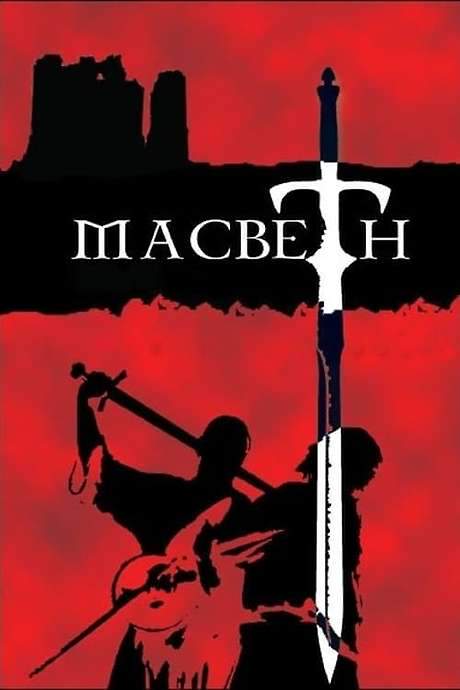
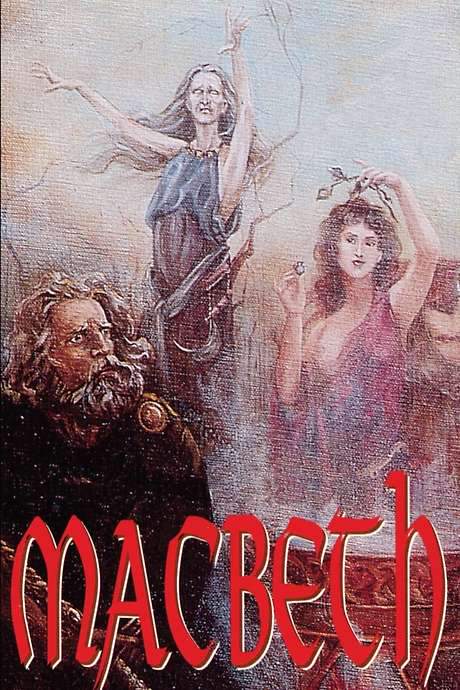
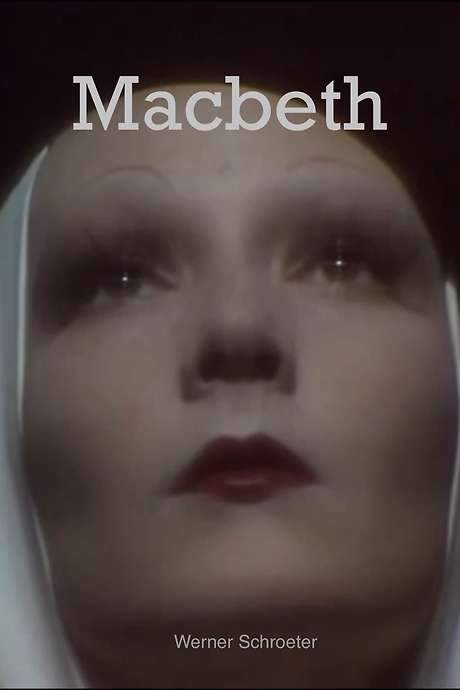
Macbeth (1971) movie poster

Timeline

Macbeth (1971) Timeline Explained – Every Event in Order

Release, runtime and language
1971 · 60 mins · German
Directed by
Werner Schroeter
Starring
Magdalena Montezuma, Anette Tirier, Suzanne Sheed, Sigurd Salto

Schroeter’s ‘Macbeth’ merges Shakespeare’s tragedy with Verdi’s opera in a studio‑bound TV experiment shot with electronic cameras. He re‑scored Verdi for violin, accordion, piano and oboe, with Argentinian tango, bolero rhythms. The cast sings in harsh, shrill tones while vivid colours accentuate the performance. Audiences found presentation unsettling.

On this page (7)
  1. 1 Where to watch
  2. 2 Events in order (13)
  3. 3 Timeline questions answered
  4. 4 The book behind the movie
  5. 5 Movie threads
  6. 6 Movies like Macbeth
  7. 7 Every angle

Where to watch

Where to Watch Macbeth (1971)

Where can you watch Macbeth? Stream, rent or buy it in the US, including on Amazon Video, Apple TV Store and Fandango At Home: current JustWatch availability with up-to-date prices.

Streaming availability powered by JustWatch

13 events in order · contains spoilers

Macbeth Timeline: Events in Chronological Order

Every key event of Macbeth (1971) in order, scene by scene, with when and where it takes place. Use it to untangle flashbacks, time jumps and parallel storylines, to refresh your memory before the sequel or to find the exact scene you are thinking of.

  1. Invasion repelled and Macbeth rewarded

    In the Middle Ages, a Norwegian and Irish invasion aided by the traitorous Thane of Cawdor is defeated by Macbeth and Banquo. Cawdor is sentenced to death by King Duncan for his treachery. Duncan then decrees that Macbeth shall be awarded the title of Thane of Cawdor, elevating Macbeth's status and ambition.

    When
    During the early campaign
    Where
    Scotland (after the battle)
  2. Witches foretell Macbeth and Banquo

    Macbeth and Banquo encounter the Three Witches on the moor and learn prophecies about their futures. The witches hail Macbeth as Thane of Cawdor and future king, and call Banquo 'lesser and greater'. The encounter plants seeds of ambition in Macbeth while arousing Banquo's curiosity.

    When
    Shortly after the battle
    Where
    The moor
  3. News reaches Lady Macbeth

    Macbeth writes a letter to Lady Macbeth detailing the witches' prophecies and his new title. Lady Macbeth reads the letter with delight and immediately imagines how to help Macbeth seize the throne. Her excitement turns to a ruthless resolve to push him toward regicide.

    When
    That night
    Where
    Macbeth's castle
  4. Lady Macbeth vows to spur him to action

    Lady Macbeth fears her husband's nature may be too lenient to take the throne. She vows to be cruel and to push Macbeth into murdering Duncan. Her ambition and manipulation set the plan into motion.

    When
    Before Duncan's arrival
    Where
    Castle, Inverness
  5. Duncan visit and Malcolm named Prince of Cumberland

    Duncan and the royal party spend the night at Macbeth's castle, where Macbeth is awed and anxious. Duncan names Malcolm Prince of Cumberland, enraging Macbeth and foreshadowing a line of succession. Lady Macbeth greets Duncan with duplicity, dancing and entertaining him.

    When
    That night
    Where
    Macbeth's castle, Inverness
  6. Duncan murdered; guards framed

    Urged by his wife, Macbeth enters Duncan's chambers and murders the king after Duncan is drugged and asleep. He then frames the guards for the killing and kills them as well to cover up the crime. The king's murder is discovered, throwing Scotland into crisis.

    When
    That night
    Where
    Duncan's chamber, Macbeth's castle
  7. Malcolm and Donalbain flee; Macbeth rises

    Fearing a conspiracy, Malcolm and Donalbain flee to England and Ireland, respectively. The act leaves suspicion on others and signals Macbeth's rise to the throne in practice. The Thane of Ross realizes Macbeth will be king.

    When
    Soon after Duncan's murder
    Where
    Scotland; England; Ireland
  8. Banquo slain; Fleance escapes; Ross as Third Murderer

    Macbeth orders murderers to kill Banquo, a potential threat to his rule, while Fleance escapes during the attack. Ross is involved as the mysterious third killer, heightening fear and suspicion at court. The murder intensifies Macbeth's paranoia about threats to his crown.

    When
    That night
    Where
    Near Banquo's estate, on the road
  9. Banquo's ghost haunts the banquet

    Banquo's appearance as a ghost unsettles Macbeth at a royal banquet, terrifying the assembled lords. He tries to maintain composure, but his fear exposes his guilt. The scene marks Macbeth's spiraling paranoia.

    When
    During the banquet
    Where
    Castle banquet hall
  10. Witches' ritual and new prophecies

    The witches perform a nude ritual and summon spirits that seem to support Macbeth's invincibility. They further manipulate him with prophecy, including the idea that he cannot be killed by anyone born of a woman and cannot be defeated until Birnam Wood comes to Dunsinane. The prophecy fuels his overconfidence.

    When
    After the banquet
    Where
    Witches' lair
  11. Macduff and the fate of Macduff's family

    Ross travels to Fife with orders to slaughter Macduff's family, but Macduff has already gone to England to join Malcolm. In Fife, Macbeth's murderers murder Lady Macduff and her children after the heavy doors are left open by a traitor. Macbeth's hold on Fife tightens as Seyton is installed as Thane of Fife.

    When
    After Ross's mission
    Where
    Fife; England
  12. English invasion and the fall of Macbeth

    English forces invade, aided by Malcolm and Siward, cutting branches from Birnam Wood to hide their numbers. In battle, Macduff reveals he was born by Caesarean section and slays Macbeth, fulfilling the prophecy in reverse. Malcolm is crowned king as order returns to Scotland.

    When
    Final battle
    Where
    Dunsinane, Scotland
  13. Donalbain's encounter with the witches

    Donalbain, out riding, encounters the witches, leaving the film on a note of ambiguous fate. His meeting with the witches hints at further prophecies or dangers that persist beyond Macbeth's fall.

    When
    After Macbeth's death
    Where
    Somewhere near Dunsinane

Last updated: October 09, 2025 at 11:01

Was this helpful?

Timeline questions answered

Macbeth Timeline Explained: Your Questions Answered

When does it happen, and why in that order? The questions people ask about the chronology of Macbeth (1971): time jumps, flashbacks, cause and effect between scenes and the correct order of events, each answered with spoilers.

Q1

Why does Macbeth decide to murder King Duncan?

Macbeth is driven by both his wife's relentless pressure and his own ambitious nature. After learning from the witches that he will become king, Duncan naming his son Malcolm as Prince of Cumberland directly blocks Macbeth's path to the throne. This creates the opportunity and motive for regicide, though the witches' prophecy alone does not compel him, the decision ultimately stems from his willingness to seize power through violence.

Foreshadowing: The witches' prophecy plants the seed of ambition in Macbeth long before he acts on it.

  • Macbeth
  • Duncan
  • murder
  • ambition
  • prophecy
  • throne
Q2

What motivates Lady Macbeth to orchestrate Duncan's murder?

Lady Macbeth is consumed by ambition and sees the prophecy as a divine mandate that her husband is too weak to fulfill. She believes Duncan's visit presents an unmissable opportunity and views his murder as necessary to claim the crown. Her ruthless determination stems from a desire to secure power and status, coupled with contempt for what she perceives as Macbeth's indecision.

Foreshadowing: She vows to be cruel and to spur her husband toward the throne before Duncan arrives.

  • Lady Macbeth
  • ambition
  • manipulation
  • Duncan
  • murder
Q3

What do the witches prophesy to Macbeth and Banquo?

The Three Witches greet Macbeth with two titles: Thane of Cawdor (which he already possesses by the time they speak) and future king. They tell Banquo he will be lesser and greater than Macbeth, and though he will never be king, his descendants will inherit the throne. These ambiguous prophecies drive the entire tragedy by fueling Macbeth's greed and paranoia.

Foreshadowing: The encounter occurs on the moor immediately after Macbeth's victory in battle, setting the tragic trajectory in motion.

  • witches
  • prophecy
  • Three Witches
  • Banquo
  • king
  • descendants
Q4

Why does Macbeth order Banquo's murder?

Macbeth fears Banquo because the witches prophesied that Banquo's line, not Macbeth's, will become kings. While Macbeth has seized the throne through murder, Banquo's descendants threaten his legacy. Macbeth also worries that Banquo suspects him of Duncan's murder. By eliminating Banquo, Macbeth hopes to prevent the prophecy from fulfilling through Banquo's lineage.

Foreshadowing: The witches' earlier prophecy about Banquo's royal descendants haunts Macbeth throughout the film.

  • Macbeth
  • Banquo
  • murder
  • Fleance
  • prophecy
  • lineage
Q5

How does the 'no man born of woman' prophecy work for Macduff?

Macbeth is told he cannot be killed by any man born of a woman, giving him false confidence. However, Macduff was delivered by Caesarean section, making him technically not "born of woman" in the literal surgical sense. This loophole allows Macduff to defeat and behead Macbeth, fulfilling the prophecy in reverse.

Foreshadowing: The witches' ambiguous riddles mislead Macbeth into believing he is invincible.

  • Macduff
  • Caesarean
  • prophecy
  • invincible
  • born of woman
  • battle
Q6

How does Birnam Wood actually move to Dunsinane?

The English forces led by Malcolm and Siward cut branches from Birnam Wood and carry them as they advance toward Dunsinane. This creates the illusion of a moving forest, technically fulfilling the witches' prophecy that Macbeth cannot be defeated until Birnam Wood moves to his fortress. The visual deception allows the army to approach unnoticed.

Foreshadowing: The witches' third prophecy gives Macbeth dangerous false security about his invincibility.

  • Birnam Wood
  • Dunsinane
  • prophecy
  • battle
  • English forces
  • disguise
Q7

Why does Macduff kill Macbeth?

Macduff seeks revenge for the brutal murder of his entire family. When Ross slaughters Lady Macduff and her children in Fife on Macbeth's orders, Macduff's personal grief transforms into a quest for justice. He joins Malcolm's forces to overthrow the tyrant and personally confronts Macbeth in the final battle, beheading him.

Foreshadowing: Macbeth's order to kill Macduff's family represents the peak of his brutal tyranny.

  • Macduff
  • revenge
  • family
  • slaughter
  • battle
  • Malcolm
Q8

Why do Malcolm and Donalbain flee after Duncan's murder?

After discovering their father's body, Malcolm and Donalbain fear for their lives. They correctly suspect that whoever benefits from Duncan's death will next eliminate them as potential rivals to the throne. Their flight to England and Ireland respectively makes them appear guilty of conspiracy, inadvertently clearing the path for Macbeth to seize power.

Foreshadowing: Duncan's naming of Malcolm as Prince of Cumberland had already set up the succession conflict.

  • Malcolm
  • Donalbain
  • flee
  • England
  • Ireland
  • suspicion
Q9

Why does Fleance's escape trouble Macbeth?

Fleance is Banquo's son and heir. Macbeth orders Banquo killed specifically to prevent Banquo's descendants from becoming kings, as the witches prophesied. When Fleance escapes into the night, Macbeth's plan to secure his bloodline fails. This leaves him with persistent paranoia that the prophecy will still come true through Banquo's line.

Foreshadowing: The original prophecy explicitly states Banquo will sire future kings.

  • Fleance
  • Banquo
  • escape
  • prophecy
  • heir
  • descendants
Q10

What is Ross's role in Banquo's murder?

Ross appears as the mysterious third murderer who assists the two hired killers. Though initially portrayed as loyal to Macbeth, Ross participates in eliminating Banquo, a fellow Scot and noble. His involvement adds another layer of betrayal and expands the theme of loyalty being corrupted by ambition and fear.

Foreshadowing: Ross had previously been aware of the witches' prophecies and Macbeth's rise.

  • Ross
  • Banquo
  • murderer
  • third killer
  • loyalty
  • betrayal
Q11

What happens to Donalbain at the end of the film?

After Macbeth is defeated and Malcolm is crowned king, Donalbain is seen riding and encountering the Three Witches again. This ambiguous final scene suggests that the supernatural forces at work in the tragedy are not truly vanquished. Donalbain's fate remains uncertain, and the witches may be preparing new prophecies or testing new ambitions.

Foreshadowing: The witches' first appearance occurred at the beginning, and their influence spans the entire tragedy.

  • Donalbain
  • witches
  • ending
  • prophecy
  • fate
  • resolution

Movie threads

More Movies Like Macbeth, by Mood & Story

Curated lists built around what makes Macbeth tick: the same mood, the same kind of story or the same emotional payoff. Each list explains why these movies belong together.

Operatic tragedies of power and madness like Macbeth

Stories where ambition's violent ascent is scored with psychological and musical intensity. Find movies like Macbeth that merge intense psychological drama with a bold, almost operatic style. These films explore themes of fatal ambition and moral collapse, often using striking soundscapes and visual design to create a powerful, unsettling viewing experience for fans of heavy, dramatic tragedies.

  • operatic
  • intense
  • tragic
  • psychological
  • unsettling
  • macabre
  • Tone: dark, tragic, intense
  • Pacing: steady, escalating
Why these movies?

The story pattern: Narratives in this thread typically follow a protagonist's ruthless climb to power, driven by a fatal flaw like ambition or paranoia. This ascent is paralleled by a steep psychological and moral decline, often spurred by supernatural influences or overwhelming guilt, leading inexorably to a catastrophic and bloody downfall.

Why they belong together: Movies are grouped here based on their shared high-intensity, dark tone, and heavy emotional weight. They unite through a focus on the operatic scale of personal tragedy, the use of sound and music as a key emotional driver, and a relentless pacing that builds towards a devastating conclusion.
Claustrophobic psychological horror like Macbeth

Films that trap you inside a mind fracturing under the pressure of its own actions. If you liked the paranoid descent in Macbeth, explore more movies about psychological collapse. These films trap you with a character's unraveling sanity, often in confined spaces or oppressive atmospheres, delivering a steady-paced, heavy experience focused on guilt, betrayal, and the horror of a mind turning against itself.

  • paranoid
  • claustrophobic
  • psychological
  • oppressive
  • unraveling
  • macabre
  • Tone: dark, oppressive, paranoid
  • Pacing: steady, relentless
Why these movies?

The story pattern: The narrative pattern involves a character committing a transgression that severs their peace of mind. The story then follows their internal prison, as paranoia tightens its grip, reality becomes distorted, and they spiral into isolation and madness, with the external world often reflecting their inner turmoil.

Why they belong together: These movies share a core focus on the psychological state of a protagonist. They are grouped by their oppressive, claustrophobic mood, steady pacing that builds dread, high intensity derived from internal conflict, and a dark tone that culminates in a tragic or bleak resolution.

If you liked this

Movies Like Macbeth

Similar movies to Macbeth: the same genre, themes or kind of story. Each one comes with its own plot summary, timeline and ending explained.

Browse all movie summaries

Every angle

Macbeth (1971) Explained: Plot, Timeline & Characters

Everything about Macbeth in one place: what happens in the plot summary, the timeline in chronological order, the characters and meaning and a spoiler-free summary. What's After the Movie adds the cast, box office and post-credit scenes.

Coming soon on iOS and Android

The Plot Explained Movie Summary App

Plot summaries, endings explained and timelines on your phone. Catch up on any movie in minutes, save your favorites and never miss a twist again.

Be the first to know when we launch. Your email stays private, always.

Learn more about the app