Year: 2015
Runtime: 113 min
Language: English
Director: Justin Kurzel
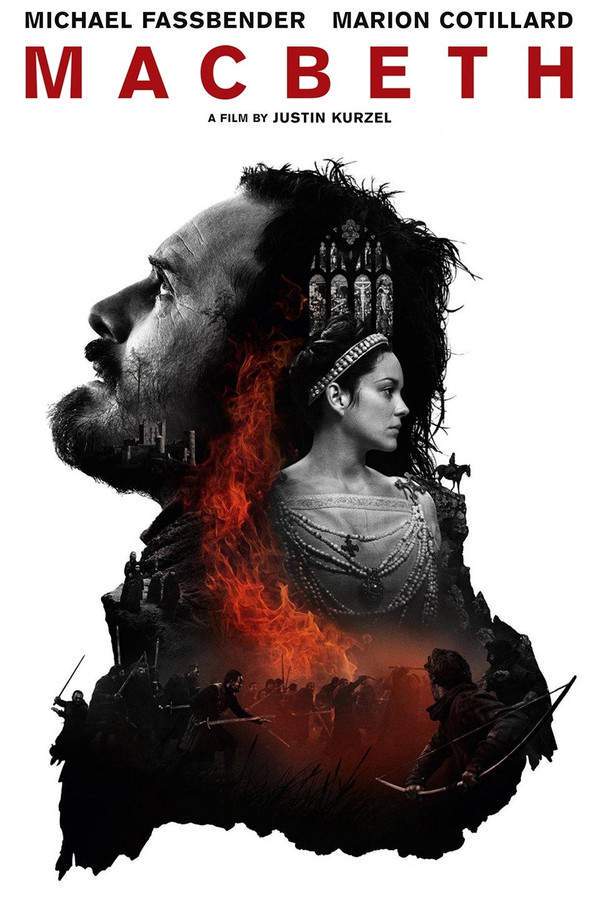
Amidst a war-torn Scotland, a courageous warrior receives a prophecy that ignites an insatiable ambition within him. Driven by his desire for power, he embarks on a ruthless path, grappling with treacherous circumstances and the consequences of his choices. This gripping drama offers a visceral exploration of passion, loyalty, and the devastating impact of unchecked ambition, reimagining Shakespeare's iconic character.
Warning: spoilers below!
Haven’t seen Macbeth yet? This summary contains major spoilers. Bookmark the page, watch the movie, and come back for the full breakdown. If you're ready, scroll on and relive the story!
Read the complete plot breakdown of Macbeth (2015), including all key story events, major twists, and the ending explained in detail. Discover what really happened—and what it all means.
The film unfolds with a poignant Act I, where the Macbeths mourn the loss of their child during a solemn funeral that is not part of the original play. Following this, Macbeth triumphs in a civil war battle leading King Duncan’s forces, despite suffering heavy losses, including that of young soldiers. Mysterious Three Witches, accompanied by a girl and an infant, approach Macbeth and Banquo, proclaiming Macbeth’s future as Thane of Cawdor and King, while heralding Banquo as the progenitor of kings, before vanishing into thin air.
In Act II, Duncan learns of Macbeth’s victory and punishes the traitorous Thane of Cawdor, bestowing the title upon Macbeth. Upon hearing the witches’ prophecies, Macbeth confides in his wife, Lady Macbeth, who fervently calls upon dark spirits for their assistance. When Macbeth mentions that Duncan will be staying overnight, she passionately pushes him to murder the King to ensure the prophecy’s fulfillment. During a grand feast, Duncan announces Malcolm as his successor, heightening Macbeth’s internal conflict. Ultimately, with Lady Macbeth’s encouragement and drugging of the servants, Macbeth kills Duncan after being led by the spectral vision of a boy soldier who presents him a dagger. Overcome by guilt and shock, he delivers the daggers to Lady Macbeth, who chastises him and cleverly plants them on the sleeping guards. They wash their hands in a church, claiming they have cleansed themselves of the deed.
Moving into Act III, in the light of day, Macduff uncovers Duncan’s murder, and Macbeth, fearing the servants might reveal too much, kills them in a frenzy. Macduff becomes suspicious of Macbeth, who ascends to the throne amid these dark circumstances. Haunted by the thought of the prophecy claiming that the crown will go to Banquo and his son Fleance, Macbeth, feeling insecure in his kingship, invites Banquo and his son to a lavish banquet but learns of their plan to leave, as Banquo grows wary of Macbeth’s intentions. In a chilling twist, Macbeth hires assassins who successfully kill Banquo, though Fleance escapes, igniting Macbeth’s fury. During the banquet, Macbeth is haunted by Banquo’s ghost, causing him to panic and reveal his mental turmoil to the guests, prompting the concerned Lady Macbeth to dismiss them.
In Act IV, Macbeth seeks the counsel of the witches once more. They reveal ominous visions, cautioning him to beware of Macduff and assuring him that he will remain King until the forests themselves march to Dunsinane Hill. Furthermore, Macbeth receives the prophecy claiming he cannot be harmed by any man born of a woman. An infuriated Macbeth orders the brutal slaughter of Macduff’s family, which deeply disturbs Lady Macbeth as she helplessly watches. Meanwhile, Macduff allies with Malcolm, ultimately learning of his family’s tragic fate and vowing vengeance.
As we enter Act V, a tormented Lady Macbeth finds herself at church, lamenting their heinous acts and haunted by her bloody hands. She envisions her child’s ghost, pleading for peace. Meanwhile, rumors of Macbeth’s descent into madness proliferate, as he is consumed by tyranny and wrath. Upon receiving news of Lady Macbeth’s death, he mournfully states, > “tomorrow and tomorrow and tomorrow,” carrying her lifeless body in despair. Reports reach him that Malcolm is assembling an army, prompting Macbeth to gear up for battle. In a twist of fate, Macduff brings Birnam Wood to life as smoke billows toward Dunsinane, fulfilling the prophecy. In a climactic battle, Macbeth confronts Macduff confidently, convinced that “no man born of woman” can defeat him. However, Macduff reveals he was born through a Caesarean section and, taking advantage of Macbeth’s momentary distraction, delivers the fatal blow. Macbeth faces the inevitable regrets of his ambition, realizing redemption is forever out of reach. He defiantly refuses to kneel before Malcolm, ultimately leading to his demise. The witches, having witnessed the chaos unfold, depart, while Malcolm is heralded as King. The film concludes with Malcolm leaving the throne room, as Fleance seizes Macbeth’s sword, vanishing into the misty battlefield.
Last Updated: November 07, 2024 at 22:59
Still wondering what the ending of Macbeth (2015) really means? Here’s a spoiler-heavy breakdown of the final scene, major twists, and the deeper themes that shape the film’s conclusion.
In Joel Coen’s adaptation of Macbeth, the ending takes a surprising turn that shifts the story from a traditional resolution to something more unsettling and open-ended. After Macbeth’s downfall and the crown passing to Malcolm, the scene reveals that Fleance, Banquo’s son, who was presumed dead, is actually still alive. He is being secretly kept in the countryside by Ross, a character who in this version has a morally complex role. Unlike in Shakespeare’s original play, where Fleance’s survival is hinted at but not shown, this film’s ending shows him in hiding, suggesting he could be the one to carry the torch of kingship in the future. However, the film also depicts Ross as a manipulative figure involved in hiding Fleance, implying that the throne’s future is far from secure.
The most striking departure from Shakespeare’s ending is that, instead of a peaceful transition of power and a hopeful conclusion, the film’s ending hints at ongoing chaos. The involvement of Ross as a silent schemer and the symbolic flock of ravens that overshadow the final moments hint at turbulence ahead. The political landscape remains unstable, and the prophecy about Fleance’s descendants taking the throne is complicated by the current power vacuum. With Malcolm crowned king and no clear heir from Macbeth, the film hints that a new cycle of conflict and strife is inevitable, casting a darker, more cynical shadow over the story’s conclusion. This ending leaves viewers with a sense that the cycle of violence and political intrigue is far from over, transforming what might have been a hopeful ending into a grim prophecy of further trouble to come.
Last Updated: June 25, 2025 at 08:58
Discover curated groups of movies connected by mood, themes, and story style. Browse collections built around emotion, atmosphere, and narrative focus to easily find films that match what you feel like watching right now.
Stories where consuming ambition leads to an inescapable, bleak moral collapse.If you liked the relentless moral decay and tragic consequences of ambition in Macbeth, explore these movies. This list features stories where characters' ruthless pursuits of power lead to paranoia, betrayal, and a fatalistic, bleak conclusion, capturing a similar heavy emotional weight.
Narratives in this thread typically follow a cause-and-effect spiral: a prophecy or catalyst ignites an ambition that justifies increasingly ruthless actions. The character gains power but is consumed by guilt and paranoia, leading to betrayal and ultimately, a complete personal and physical destruction. The structure is often a steady, escalating descent.
Movies are grouped here for their shared focus on the destructive nature of unchecked ambition. They share a dark tone, high emotional intensity, and a bleak ending feel, creating a coherent experience of watching a seemingly great figure unravel from within.
A bleak, violent journey into a character's unraveling psyche and guilt.For viewers who appreciated the haunting, oppressive atmosphere and psychological disintegration in Macbeth. These selections feature similar stories of characters descending into madness, marked by a dark tone, heavy violence, and a sense of inescapable fate, perfect for fans of somber, character-driven tragedies.
The narrative pattern is an internal collapse mirrored by external chaos. A character, often in a war-torn or harsh setting, is pushed by circumstances or prophecy past their breaking point. The story methodically charts their increasing paranoia and hallucinations, leading to violent actions and a conclusion where madness offers no escape.
These films are united by their immersive, oppressive mood and central theme of psychological disintegration. They share a high intensity, a steady pacing that builds dread, and a visual and auditory style that creates a haunting, claustrophobic feel, making the descent palpable for the viewer.
Don't stop at just watching — explore Macbeth in full detail. From the complete plot summary and scene-by-scene timeline to character breakdowns, thematic analysis, and a deep dive into the ending — every page helps you truly understand what Macbeth is all about. Plus, discover what's next after the movie.
Track the full timeline of Macbeth with every major event arranged chronologically. Perfect for decoding non-linear storytelling, flashbacks, or parallel narratives with a clear scene-by-scene breakdown.
Discover the characters, locations, and core themes that shape Macbeth. Get insights into symbolic elements, setting significance, and deeper narrative meaning — ideal for thematic analysis and movie breakdowns.
What really happened at the end of Macbeth? This detailed ending explained page breaks down final scenes, hidden clues, and alternate interpretations with expert analysis and viewer theories.
Get a quick, spoiler-free overview of Macbeth that covers the main plot points and key details without revealing any major twists or spoilers. Perfect for those who want to know what to expect before diving in.
Visit What's After the Movie to explore more about Macbeth: box office results, cast and crew info, production details, post-credit scenes, and external links — all in one place for movie fans and researchers.
Discover movies like Macbeth that share similar genres, themes, and storytelling elements. Whether you’re drawn to the atmosphere, character arcs, or plot structure, these curated recommendations will help you explore more films you’ll love.
Macbeth (2015) Scene-by-Scene Movie Timeline
Macbeth (2015) Movie Characters, Themes & Settings
Macbeth (2015) Ending Explained & Theories
Macbeth (2015) Spoiler-Free Summary & Key Flow
Movies Like Macbeth – Similar Titles You’ll Enjoy
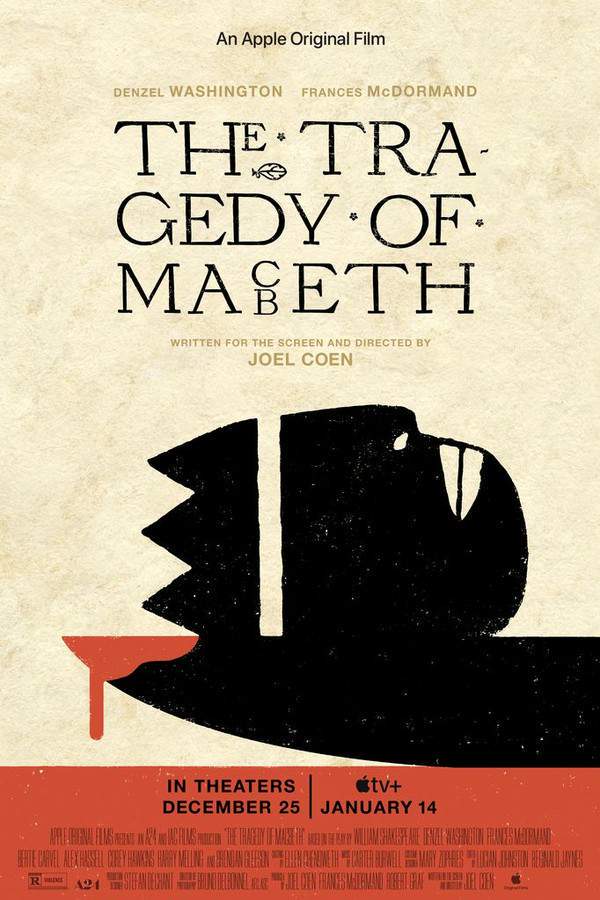
The Tragedy of Macbeth (2021) Film Overview & Timeline
Stratford Festival: Macbeth (2017) Spoiler-Packed Plot Recap
RSC Live: Macbeth (2018) Story Summary & Characters
National Theatre Live: Macbeth (2018) Full Movie Breakdown
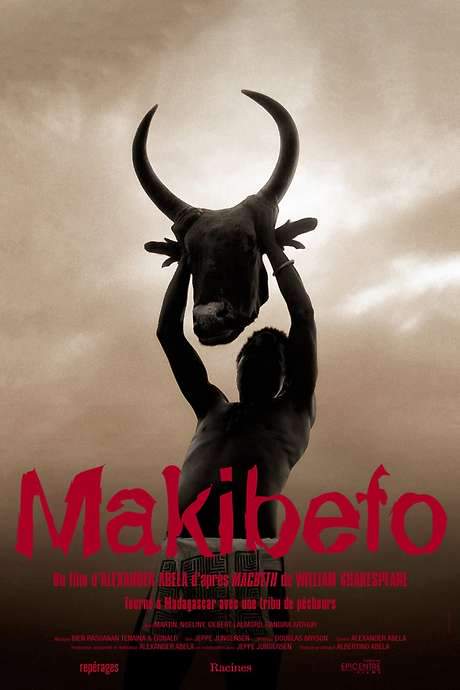
Makibefo (2001) Ending Explained & Film Insights
Macbeth (1982) Full Movie Breakdown
Macbeth (1981) Plot Summary & Ending Explained
Macbeth (1987) Plot Summary & Ending Explained
Macbeth (1983) Movie Recap & Themes
Macbeth (1979) Plot Summary & Ending Explained
Macbeth (1971) Full Summary & Key Details
Macbeth (1948) Plot Summary & Ending Explained
Macbeth (1971) Detailed Story Recap
Macbeth (1998) Spoiler-Packed Plot Recap
Macbeth (1997) Full Movie Breakdown