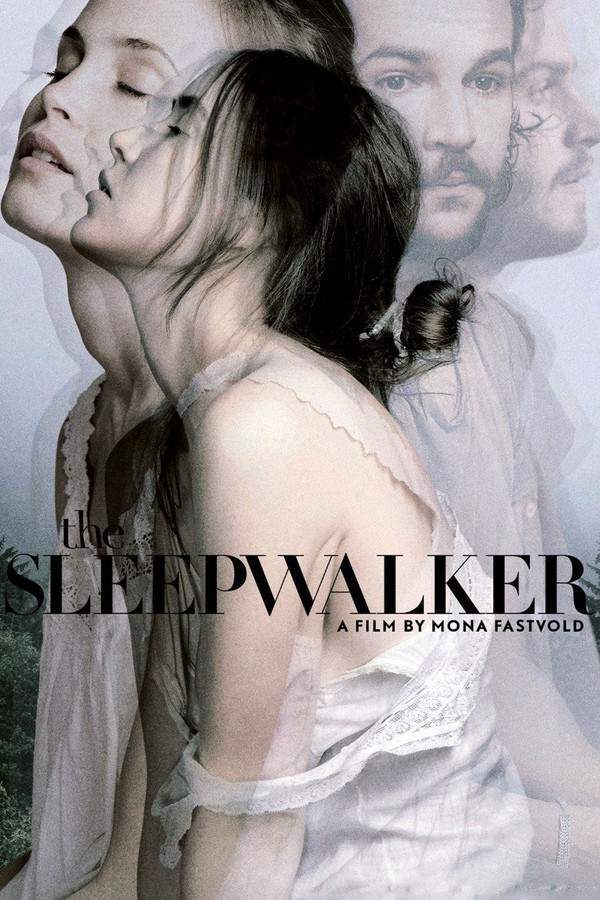
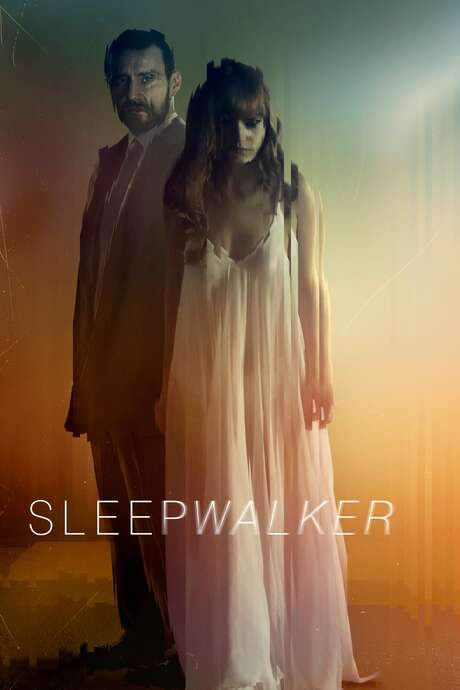
A young woman seeks help from a sleep clinic for her insomnia, but soon deals with her entire life being turned upside down.
Find where to stream, rent, or buy Sleepwalker (2017) in the US with current JustWatch availability, up-to-date pricing, and platform listings for subscription, rental, and digital purchase options.
Warning: spoilers below!
Haven’t seen Sleepwalker yet? This summary contains major spoilers. Bookmark the page, watch the movie, and come back for the full breakdown. If you're ready, scroll on and relive the story!
Read the complete plot breakdown of Sleepwalker (2017), including all key story events, major twists, and the ending explained in detail. Discover what really happened, and what it all means.
After the suicide of her husband Jonathan Grey, college student Sarah Foster begins to experience dangerous episodes of sleepwalking. Her former professor, Dr. Cooper, suggests a stay at a sleep clinic, where Dr. Koslov and Dr. Scott White monitor her brain activity. Following a night of dreamless sleep, she wakes in a different room, and Koslov informs her that she has been moved for further observation and should stay longer. The unsettling switch between realities becomes the first hint that her perception is not stable.
Soon, she encounters a troubling social mismatch: a professor and her roommate, Dawn, call her “Miss Wells” instead of Foster, and her personal documents identify her as “Sarah Wells.” The mystery deepens as Koslov presents a form about a dream of being chased, though she insists she has not had any dream and that the handwriting on the form resembles hers, even if she cannot accept it as hers. The sense of losing control grows as her nights of dreamless sleep give way to fragments that blur memory and identity.
In spite of her efforts to keep a grip on reality, Sarah learns about selective memory loss and partial retrograde amnesia, a clue that life-altering gaps can exist in the mind. Back at home, her apartment reveals another shock: her roommate has been replaced by a stranger named Nichole, and a phone call from a man who claims to know her adds to the confusion. Dr. Cooper does not recognize her, leaving her more alone in the maze of memory and dream.
That night, she dreams of suffocation, a haunting omen that echoes through the days that follow. The next morning, she wakes up in a strange house, locked out of her own apartment, and finds Nichole and another girl inside. After breaking in through a window, she discovers unfamiliar belongings and a menacing taunt over the phone. She hides in the laundry room as water seeps under the door, a surreal invasion of her private space that mirrors her fractured mind.
When she returns to the clinic routine, everything seems normal again and Dawn is back on the scene. Sarah seeks help from White, who reaches out to Cooper, and Cooper begins to remember her. White explains that the sleep issues can warp perception and that dreams might serve as a bridge to understanding emotions. Outside, a dark-haired man begins to chase her, but White arrives to offer a ride and to illuminate how dreams can reveal buried feelings and motives.
Her dreams intensify: she envisions being trapped in plastic and wakes again in the strange house, this time confronted by a fearful woman who feels all too real. Back in her own apartment, the strange belongings reappear, and in the lab Koslov does not recognize her, while another man named White claims to know her. During a campus lecture, a woman in the audience recognizes Sarah, further destabilizing her sense of self. She evades the police outside her apartment and returns to the laundry room as water again begins to seep in around her.
Eventually, Sarah wakes at the sleep laboratory to hear White confirm that the police found her sleepwalking. Though she cannot recall the events, the data clearly shows she was dreaming. White suggests that the stalker might be the key to linking the two competing realities. Reading through her diary, she discovers a shocking truth: Jonathan was murdered, even though she believed he had killed himself.
Back in her apartment, an assault by a dark-haired man disrupts the fragile sense of normalcy, but White arrives to ensure she remains unharmed. Cooper advises Sarah to seek protection while her condition stabilizes, and the pieces begin to align: the stalker is named Warren Lambert, and memory surfaces in the wake of another attack. The danger becomes personal as the case unfolds, and Sarah finds herself drawn to an intimate moment with White, even as the lines between dream and waking life blur further.
During sleepwalking, Sarah encounters the woman from her dreams, realizing she is part of that other woman’s nightmare rather than a separate foe. The truth comes into sharper focus: she is actually Anna Wells, the obsessive fan who shot Jonathan. The original Sarah—the real woman—was the one Jonathan ended up with. Flashbacks reveal Anna in a coma, gasping for breath while contending with an identity she cannot bear, trapped inside a mind that mistakes her own past for another life altogether.
Last updated: October 09, 2025 at 16:00
Explore frequently asked questions about Sleepwalker (2017) with spoiler-rich answers covering the full plot summary, major story beats, character motivations, hidden details, and ending meaning. This movie summary FAQ helps explain confusing scenes, plot twists, and narrative decisions in clear, searchable detail.
The name mixup is the first sign that Sarah's identity is fractured. She is actually Anna Wells, the obsessive fan who shot Jonathan Grey. Due to partial retrograde amnesia, she believes she is Sarah Foster, the woman Jonathan was truly with. The doctors and paperwork reflect her real identity (Anna Wells), which is why she appears confused about the name discrepancy.
Earlier scenes show her documents listing her as Sarah Wells, and Koslov references a dream form that she does not remember writing.
Jonathan was murdered, not a suicide as Sarah believed. Anna Wells, his obsessive fan, shot him. Sarah discovers this truth when reading her diary, which reveals the actual events. This revelation reframes her entire understanding of her past and her relationship with Jonathan.
The film hints at this early on when Sarah learns about selective memory loss and partial retrograde amnesia, suggesting her memories of Jonathan's death may be false.
Warren Lambert is the stalker pursuing Sarah throughout the film. He is the dark-haired man who chases her and makes threatening phone calls. White suggests that the stalker might be the key to linking Sarah's two competing realities of dream and waking life. His attacks trigger Sarah's memories to resurface.
The dark-haired man appears multiple times chasing Sarah before his identity is revealed.
Sarah is actually Anna Wells, an obsessive fan who was obsessed with Jonathan Grey. She shot him and then fell into a coma. When she woke, she suffered from partial retrograde amnesia, believing herself to be Sarah Foster, Jonathan's real partner. The film blurs reality as she slowly recovers these buried memories.
Throughout the film, she encounters the woman from her dreams who feels all too real, this woman is part of Anna's own nightmare.
Dr. Cooper originally knew Sarah Foster, the real woman who was with Jonathan Grey. When Anna (believing she is Sarah) approaches Cooper, she appears as a stranger because Anna Wells is a different person entirely. Cooper's lack of recognition is one of the first major clues that Sarah's sense of identity is fundamentally wrong.
Earlier, Cooper suggests the sleep clinic stay, but later does not recognize her, signaling something is wrong with her identity.
Sarah discovers that Jonathan was murdered, not that he committed suicide as she had believed. The diary contains the truth about his death, revealing that Anna Wells shot him. This discovery is the turning point that helps her begin piecing together her fragmented reality and true identity.
The diary revelation comes after White suggests the stalker might connect the two realities.
Sarah's sleepwalking is caused by her psychological trauma and partial retrograde amnesia. As Anna Wells dealing with the guilt of murdering Jonathan, her mind created a false identity (Sarah Foster) to cope. The sleepwalking represents her mind trying to process and reconcile these competing identities and buried memories.
After Jonathan's suicide, her sleepwalking begins, showing the trauma triggering her dissociative state.
The two competing realities exist because Sarah (Anna) is experiencing a dissociative state caused by her amnesia. She switches between her constructed identity as Sarah Foster and fragmented memories of her life as Anna Wells. The sleep clinic, the strange house, and the shifting roommates represent her mind blurring the lines between her fabricated past and actual history.
Her first night at the clinic shows her waking in a different room, establishing early that her perception of reality is unstable.
Anna Wells and Sarah Foster are two separate women. Anna is the obsessive fan who shot Jonathan Grey. Sarah Foster is the woman Jonathan was actually in a relationship with. Due to Anna's partial retrograde amnesia, she believes she IS Sarah Foster. The entire film takes place inside Anna's fractured mind as she slowly uncovers this truth.
The woman Sarah sees in her dreams, who feels terrifyingly real, is actually herself as Anna.
The ending confirms that Sarah is Anna Wells. She shot Jonathan out of obsession, then fell into a coma. When she awoke with partial retrograde amnesia, she constructed a new identity as Sarah Foster, the woman Jonathan actually loved. She has been living in a delusional state, mistaking her own past for someone else's life, trapped inside her mind's nightmare.
Her dreams of suffocation and being trapped in plastic represent her coma state and inability to breathe under the weight of her stolen identity.
Discover curated groups of movies connected by mood, themes, and story style. Browse collections built around emotion, atmosphere, and narrative focus to easily find films that match what you feel like watching right now.
Stories where perception is distorted and the line between truth and delusion blurs.If you enjoyed the mind-bending reality distortion in Sleepwalker, explore these movies where the protagonist's perception is untrustworthy. These stories feature memory loss, identity crises, and a constant questioning of reality, creating a similar feeling of anxious uncertainty for the viewer.
Narratives in this thread are built around a central character whose grip on reality is tenuous. The plot unfolds through their distorted perspective, often involving memory gaps, hallucinations, or psychological conditions that force the audience to piece together a fractured truth.
These films are grouped together because they share a core experience of cognitive dissonance. They use similar techniques to create suspense and dread not from external threats alone, but from the terrifying collapse of the protagonist's own mind, making the viewer an active participant in deciphering the puzzle.
A steady, suffocating escalation of tension that traps you in a character's anxiety.Fans of the methodical, anxious pacing in Sleepwalker will appreciate these slow burn thrillers. These movies prioritize a steadily mounting sense of dread and a claustrophobic atmosphere over fast-paced action, creating a similar feeling of inescapable psychological tension.
The narrative pattern involves a gradual, often inescapable, descent into a character's psychological turmoil. The conflict is internal as much as external, with tension derived from a sustained atmosphere of threat, uncertainty, and the slow unraveling of a character's sanity or safety.
They are connected by a shared approach to tension-building. Instead of jarring jump scares, they employ a steady, oppressive pacing and a focus on atmospheric dread. This creates a cohesive vibe of lingering anxiety and a profound, unsettling emotional weight.
Don't stop at just watching - explore Sleepwalker in full detail. From the complete plot summary and scene-by-scene timeline to character breakdowns, thematic analysis, and a deep dive into the ending - every page helps you truly understand what Sleepwalker is all about. Plus, discover what's next after the movie.
Track the full timeline of Sleepwalker with every major event arranged chronologically. Perfect for decoding non-linear storytelling, flashbacks, or parallel narratives with a clear scene-by-scene breakdown.
Discover the characters, locations, and core themes that shape Sleepwalker. Get insights into symbolic elements, setting significance, and deeper narrative meaning - ideal for thematic analysis and movie breakdowns.
Discover movies like Sleepwalker that share similar genres, themes, and storytelling elements. Whether you’re drawn to the atmosphere, character arcs, or plot structure, these curated recommendations will help you explore more films you’ll love.
Sleepwalker (2017) Scene-by-Scene Movie Timeline
Sleepwalker (2017) Movie Characters, Themes & Settings
Sleepwalker (2017) Spoiler-Free Summary & Key Flow
Movies Like Sleepwalker – Similar Titles You’ll Enjoy
The Sleepwalker (2014) Story Summary & Characters
Sleep Tight (2012) Complete Plot Breakdown
Before I Go to Sleep (2014) Plot Summary & Ending Explained
Sleepwalkers (1992) Plot Summary & Ending Explained
In My Sleep (2010) Plot Summary & Ending Explained
Sleep (2024) Plot Summary & Ending Explained
Stalked by My Doctor: A Sleepwalker’s Nightmare (2019) Ending Explained & Film Insights
Chasing Sleep (2000) Detailed Story Recap
Hypersomnia (2016) Complete Plot Breakdown
Only the Night (2005) Story Summary & Characters
Sleepwalker (1984) Detailed Story Recap
Sleepwalk (1986) Detailed Story Recap
The Sleeping Woman (2024) Story Summary & Characters
I Can’t Sleep (1994) Film Overview & Timeline
Sleep Call (2023) Spoiler-Packed Plot Recap