Plot Explained Spoilers guaranteed!
Plot Explained

Browse by genre

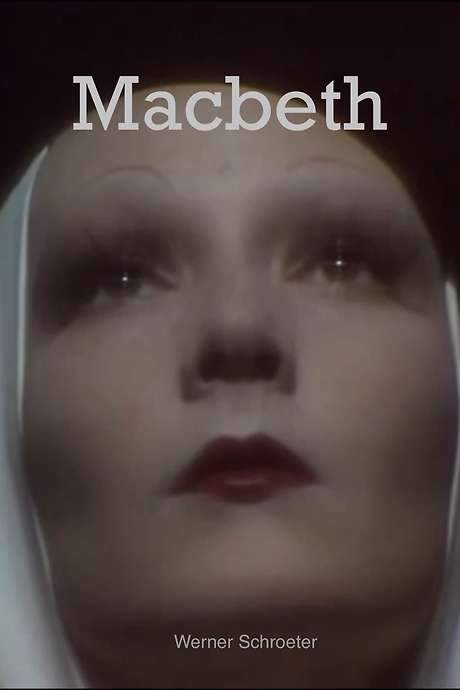
Macbeth (1971) movie poster

Spoiler-Free Summary

Macbeth (1971) Spoiler-Free Summary – What It's About

Release, runtime and language
1971 · 60 mins · German
Directed by
Werner Schroeter
Starring
Magdalena Montezuma, Anette Tirier, Suzanne Sheed, Sigurd Salto

Schroeter’s ‘Macbeth’ merges Shakespeare’s tragedy with Verdi’s opera in a studio‑bound TV experiment shot with electronic cameras. He re‑scored Verdi for violin, accordion, piano and oboe, with Argentinian tango, bolero rhythms. The cast sings in harsh, shrill tones while vivid colours accentuate the performance. Audiences found presentation unsettling.

On this page (8)
  1. 1 Where to watch
  2. 2 What it is about
  3. 3 Is it worth watching?
  4. 4 After you watch
  5. 5 The book behind the movie
  6. 6 Movie threads
  7. 7 Movies like Macbeth
  8. 8 Every angle

Where to watch

Where to Watch Macbeth (1971)

Where can you watch Macbeth? Stream, rent or buy it in the US, including on Amazon Video, Apple TV Store and Fandango At Home: current JustWatch availability with up-to-date prices.

Streaming availability powered by JustWatch

Spoiler-free summary · safe to read

What Is Macbeth About? (No Spoilers)

The plot of Macbeth (1971) without spoilers: what it is about, who it follows and where it takes place, told without the twists or the ending. Enough to decide whether it is your next watch, not enough to ruin it.

In an austere studio that feels more like a chamber of shadows than a traditional set, director Werner Schröder reimagines a classic tragedy as a television experiment. Shot with electronic cameras, the picture is washed in vivid, almost lurid colours that pulse against a soundscape built from violin, accordion, piano and oboe, threaded with Argentinian tango and bolero rhythms. The singers deliver their lines in a harsh, shrill register that hangs in the air like a warning, creating an unsettling blend of Shakespeare’s language with the soaring drama of Verdi’s opera. The result is a world that feels both timeless and hyper‑modern, a contemplative arena where every note and hue amplifies the tension lurking beneath the surface.

The story unfolds in medieval Scotland, a land where loyalty and ambition are locked in a perpetual dance. A triumphant battle against foreign invaders brings two noble warriors into the king’s favour, and a prophetic encounter with three enigmatic figures plants the seeds of destiny. The prophecy, spoken in riddles, hints at future power and lineage, setting the tone for a conflict that is as much internal as it is external. The realm’s political landscape is poised on the edge of change, and the whisper of fate is enough to stir restless hearts.

Macbeth returns to his castle with the weight of a new title and a mind racing with possibilities. His wife, Lady Macbeth, appears as the gracious hostess to the visiting monarch, yet beneath her polished exterior lies a steely resolve that matches her husband’s burgeoning ambition. Banquo, the loyal companion, watches the unfolding signs with a mixture of curiosity and caution, while Duncan embodies the established order whose presence sharpens the contrast between duty and desire. The characters move through a world where loyalty is questioned, ambition is whispered in private chambers, and the very notion of fate feels like a tangible force pulling them toward an uncertain horizon.

All of this is framed by the film’s striking aesthetic: the electric hum of the cameras, the clash of operatic arias with folk‑bleed rhythms, and the relentless play of colour that turns every scene into a visual riddle. The mood is one of uneasy anticipation, a sense that every glance and phrase may be a prelude to something irrevocable. In this unsettling, beautifully crafted tableau, the audience is invited to linger on the edge of prophecy and power, waiting to see how the delicate balance of honor, desire, and destiny will sway.

Last updated: December 04, 2025 at 23:06

Was this helpful?

What to expect

Is Macbeth Worth Watching? What It Feels Like

Is it dark, sad, slow, intense or confusing? The mood of Macbeth (1971) in a few tags, without a word about how it ends. Each tag opens a list of movies that feel the same.

After you watch

Seen Macbeth? Now Read the Spoilers

Once you have watched Macbeth (1971), come back for the full story: the plot summary with spoilers, the timeline in chronological order, the characters and meaning.

Movie threads

More Movies Like Macbeth, by Mood & Story

Curated lists built around what makes Macbeth tick: the same mood, the same kind of story or the same emotional payoff. Each list explains why these movies belong together.

Operatic tragedies of power and madness like Macbeth

Stories where ambition's violent ascent is scored with psychological and musical intensity. Find movies like Macbeth that merge intense psychological drama with a bold, almost operatic style. These films explore themes of fatal ambition and moral collapse, often using striking soundscapes and visual design to create a powerful, unsettling viewing experience for fans of heavy, dramatic tragedies.

  • operatic
  • intense
  • tragic
  • psychological
  • unsettling
  • macabre
  • Tone: dark, tragic, intense
  • Pacing: steady, escalating
Why these movies?

The story pattern: Narratives in this thread typically follow a protagonist's ruthless climb to power, driven by a fatal flaw like ambition or paranoia. This ascent is paralleled by a steep psychological and moral decline, often spurred by supernatural influences or overwhelming guilt, leading inexorably to a catastrophic and bloody downfall.

Why they belong together: Movies are grouped here based on their shared high-intensity, dark tone, and heavy emotional weight. They unite through a focus on the operatic scale of personal tragedy, the use of sound and music as a key emotional driver, and a relentless pacing that builds towards a devastating conclusion.

Claustrophobic psychological horror like Macbeth

Films that trap you inside a mind fracturing under the pressure of its own actions. If you liked the paranoid descent in Macbeth, explore more movies about psychological collapse. These films trap you with a character's unraveling sanity, often in confined spaces or oppressive atmospheres, delivering a steady-paced, heavy experience focused on guilt, betrayal, and the horror of a mind turning against itself.

  • paranoid
  • claustrophobic
  • psychological
  • oppressive
  • unraveling
  • macabre
  • Tone: dark, oppressive, paranoid
  • Pacing: steady, relentless
Why these movies?

The story pattern: The narrative pattern involves a character committing a transgression that severs their peace of mind. The story then follows their internal prison, as paranoia tightens its grip, reality becomes distorted, and they spiral into isolation and madness, with the external world often reflecting their inner turmoil.

Why they belong together: These movies share a core focus on the psychological state of a protagonist. They are grouped by their oppressive, claustrophobic mood, steady pacing that builds dread, high intensity derived from internal conflict, and a dark tone that culminates in a tragic or bleak resolution.

If you liked this

Movies Like Macbeth

Similar movies to Macbeth: the same genre, themes or kind of story. Each one comes with its own plot summary, timeline and ending explained.

Browse all movie summaries

Every angle

Macbeth (1971) Explained: Plot, Timeline & Characters

Everything about Macbeth in one place: what happens in the plot summary, the timeline in chronological order, the characters and meaning and a spoiler-free summary. What's After the Movie adds the cast, box office and post-credit scenes.

Coming soon on iOS and Android

The Plot Explained Movie Summary App

Plot summaries, endings explained and timelines on your phone. Catch up on any movie in minutes, save your favorites and never miss a twist again.

Be the first to know when we launch. Your email stays private, always.

Learn more about the app