Plot Explained Spoilers guaranteed!
Plot Explained

Browse by genre

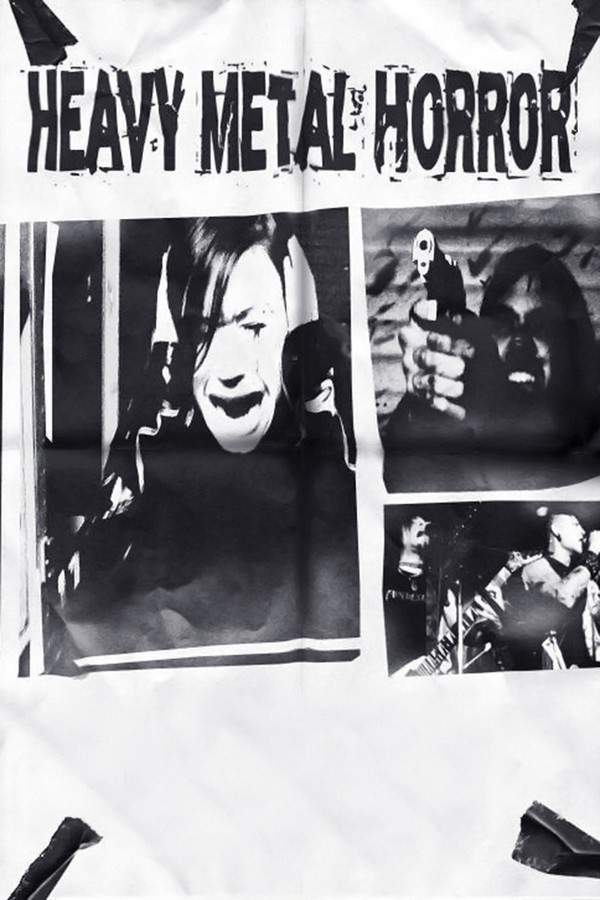
Live Freaky! Die Freaky! (2006) movie poster

Timeline

Live Freaky! Die Freaky! (2006) Timeline Explained – Every Event in Order

Release, runtime and language
2006 · 75 mins · English
Directed by
John Roecker
Starring
Asia Argento, Jane Wiedlin, Billie Joe Armstrong, John Doe, Davey Havok, Mike Dirnt

Set in a dystopian future where a new cult reveres the Manson Family, believing Charles Manson to be a messianic figure, the story intercuts this bizarre devotion with the real 1969 events in which Manson persuaded his followers to murder actress Sharon Tate. The film juxtaposes the imagined worship with the historical tragedy and examines how myth and violence intertwine.

On this page (5)
  1. 1 Events in order (12)
  2. 2 Timeline questions answered
  3. 3 Movie threads
  4. 4 Movies like Live Freaky! Die Freaky!
  5. 5 Every angle

12 events in order · contains spoilers

Live Freaky! Die Freaky! Timeline: Events in Chronological Order

Every key event of Live Freaky! Die Freaky! (2006) in order, scene by scene, with when and where it takes place. Use it to untangle flashbacks, time jumps and parallel storylines, to refresh your memory before the sequel or to find the exact scene you are thinking of.

  1. Nomad discovers Helter Skelter

    A futuristic Nomad in 3069 stumbles upon the book Helter Skelter while scavenging in the desert near the former site of Los Angeles. He mistakes it for a holy text and begins reading it as the Bible, interpreting its content through a cult-like lens. He reads it as if Charles Hanson is the messiah.

    When
    3069
    Where
    Desert near the former site of Los Angeles
  2. The book reshapes his beliefs

    As he reads, the text compels him to see Charles Hanson as a messianic figure and to embrace the violent prophecies within. The Nomad grows convinced that the book speaks directly to his era and to his own destiny. This moment marks the fusion of scripture-like reverence with a dangerous worldview.

    When
    3069
    Where
    Desert, 3069
  3. Susan Hatkins meets Charlie

    Flashback to 1969: Susan Hatkins meets Charlie during a bad LSD trip in the desert they inhabit. Charlie renames her Hadie and draws her into his growing family. The encounter foreshadows the violent path the group will pursue.

    When
    1969
    Where
    Desert
  4. Hadie joins the family and their plans

    Susan, now renamed Hadie, is absorbed into Charlie's circle where the family envisions transforming the world through music and ritual. They groom her to share in their dangerous beliefs and to participate in future acts. The atmosphere grows tense with the sense that reality and art are colliding.

    When
    1969
    Where
    Desert
  5. Sharon Hate becomes target

    The family learns that snobby actress Sharon Hate is filming a movie in their desert, and the plan to kill her begins to take shape. Charlie claims to receive messages through songs, such as The Beatles' I Want to Hold Your Hand, directing him toward murder. Tension escalates as the group prepares for violence.

    When
    1969
    Where
    Desert
  6. Murder of Sharon Hate and friends

    Sharon Hate is brutally murdered along with her friends Hay and Habigail, executed in the name of the group's distorted vision. Charlie's commands and apocalyptic rhetoric drive the killings, cementing the group's ominous path. The desert becomes a scene of family sanctioned violence.

    When
    1969
    Where
    Desert
  7. Ha Biancas targeted

    After Sharon's demise, the Ha Biancas—who oppose a plan to cover the desert with a parking lot—become the next target. The group's motives are framed by revenge and a desire to erase perceived slights against their worldview. The pursuit of justice escalates their descent.

    When
    1969
    Where
    Desert
  8. Killing the Ha Bianca couple

    Mr. Ha Bianca and his wife are killed by the family in the desert, leaving the landscape littered with the consequences of their fanaticism. Their actions show the group's willingness to eliminate anyone who challenges their mission. The violence intensifies the authorities' pursuit.

    When
    1969
    Where
    Desert
  9. Capture and trial begin

    Police eventually locate the family in the desert and bring them to custody. A dramatic trial unfolds where the charges of murder and conspiracy are laid bare. The public is confronted with the consequences of the group's cultish worldview.

    When
    1969
    Where
    Desert and court
  10. Death sentence

    The family is sentenced to death, with the punishment described as gas, electric chair, and hanging til dead. The sentencing underscores the severity of their violence and the collapse of their attempt to shape the world. The public lurches between horror and fascination.

    When
    1969
    Where
    Court
  11. Nomad embraces Manson as Messiah in 3069

    Back in 3069, the Nomad carves an X in his forehead, signaling a prophetic symbol that ties the present myth to the murderous past. He continues to revere Charlie Manson as a Messiah, blurring the lines between history and legend. The image of the X reinforces the cyclical nature of belief and violence.

    When
    3069
    Where
    Desert
  12. Ending motif: book and Messiah cycle

    The narrative cycles back to the Nomad's reverence for the book and its Messiah figure, suggesting the story will repeat as long as such myths endure. The film juxtaposes ancient atrocity with a distant future, inviting reflection on fame, faith, and the danger of charismatic leadership. The book Helter Skelter and the X symbol fuse into a single ominous message.

    When
    3069
    Where
    Desert

Last updated: April 07, 2026 at 21:05

Was this helpful?

Timeline questions answered

Live Freaky! Die Freaky! Timeline Explained: Your Questions Answered

When does it happen, and why in that order? The questions people ask about the chronology of Live Freaky! Die Freaky! (2006): time jumps, flashbacks, cause and effect between scenes and the correct order of events, each answered with spoilers.

Q1

Why does the Nomad in 3069 treat Charlie Manson as a messianic figure?

The Nomad discovers the book Helter Skelter while scavenging in the ruins of Los Angeles in 3069. He misinterprets it as a holy scripture and reads Charles Hanson as a prophet who will save the world through violent revolution. This mirrors how Charlie Manson convinced his followers in 1969 that he was the messiah, and the film suggests the myth persists into the far future.

Foreshadowing: Earlier scenes show Charlie claiming to receive messages from songs, establishing his messianic self-image that the Nomad later adopts.

  • nomad
  • 3069
  • charlie manson
  • helter skelter
  • cult
  • messiah
Q2

What is the Helter Skelter book in the movie?

Helter Skelter is the famous memoir written by prosecutor Vincent Bugliosi about the Manson Family murders. In the film, the Nomad in 3069 finds this book and mistakens it for religious scripture, interpreting its account of the murders as prophetic teachings about an impending race war.

Foreshadowing: The book's title comes from a Beatles song that Charlie interprets as a command to start violence.

  • helter skelter
  • book
  • charlie manson
  • scripture
  • future
Q3

Why did the Manson family target Sharon Hate for murder?

Charlie framed Sharon Hate (representing Sharon Tate) as a symbol of the corrupt Hollywood elite that the family despised. He claimed she embodied the parasitic art world they believed was controlling society. Her status as a famous actress made her a deliberate choice to prove the family's power and trigger their apocalyptic vision.

Foreshadowing: The family observes Sharon Hate filming in the desert and discuss her as an outsider representing everything they reject.

  • sharon hate
  • sharon tate
  • murder
  • charlie manson
  • hollywood
Q4

What was the significance of the Beatles songs in the film?

Charlie Manson interpreted The Beatles' songs as hidden messages directing him to commit violence. He claimed songs like I Want to Hold Your Hand contained instructions telling him to kill. This twisted interpretation of popular music became part of his justification for the murders, as he taught his followers that messages from songs were divine instructions.

Foreshadowing: Before the murders, Charlie listens to The Beatles and interprets lyrics as prophetic commands.

  • beatles
  • songs
  • charlie manson
  • messages
  • i want to hold your hand
Q5

Why were the Ha Biancas killed after Sharon Hate?

After murdering Sharon Hate and her friends, the family turned their attention to the Ha Biancas, a couple who had offended Squeaky by rudely rejecting her. Charlie directed the group to kill the Ha Biancas as revenge and as another demonstration of their power to reshape the world through violence.

Foreshadowing: Earlier in the film, Mr. Ha Bianca is shown being dismissive toward Squeaky, establishing the grievance.

  • ha biancas
  • squeaky
  • murder
  • revenge
  • charlie manson family
Q6

What does the X carved into the Nomad's forehead represent?

The X is carved by the Nomad in 3069 as a symbolic mark of his devotion to Charlie Manson as the messiah. It mirrors the apocalyptic symbolism Charlie used, suggesting the Nomad sees himself as a prophet chosen to continue the violent mission. The X reinforces the cyclical nature of the film's narrative, showing how the Manson myth perpetuates through time.

Foreshadowing: Throughout the film, Charlie and his followers use X imagery to signify their belief in an impending race war called Helter Skelter.

  • x symbol
  • forehead
  • nomad
  • prophecy
  • cyclical
  • helter skelter
Q7

How did the Manson family get caught and what happened at their trial?

Police tracked down the family in their desert hideout after the Ha Bianca murders. The film shows them arrested and brought to trial where they faced charges of murder and conspiracy. The family was sentenced to death via gas, electric chair, and hanging, representing the state's harsh response to their crimes.

Foreshadowing: The killing of the Ha Biancas draws immediate police attention, leading to the family's discovery.

  • arrest
  • trial
  • death sentence
  • police
  • court
  • conviction
Q8

Why does the movie alternate between 1969 and 3069?

The dual timeline structure contrasts the historical Manson murders with a dystopian future where the violence has become mythologized. The 1969 storyline shows the actual crimes, while 3069 depicts how those events have been transformed into religious scripture. This juxtaposition emphasizes the film's warning about how charismatic leadership and violence can become immortalized through myth.

Foreshadowing: The film opens with the Nomad discovering Helter Skelter, establishing the future timeline before revealing the past.

  • dual timeline
  • 1969
  • 3069
  • structure
  • juxtaposition
  • mythmaking
Q9

What does the title Live Freaky! Die Freaky! signify?

The title plays on the dual meaning of "freaky" as both strange/extranormal and dead, reflecting the film's darkly satirical tone. It suggests the Manson Family's followers were simultaneously living a bizarre lifestyle and ultimately destined to die for their crimes. The title captures the film's exploration of how cult obsession leads to both unusual living circumstances and violent death.

Foreshadowing: The family's erratic behavior and the ultimate execution scenes reinforce the freaky nature of their existence.

  • title
  • freaky
  • meaning
  • satire
  • dark humor
Q10

Why does Charlie rename Susan Hatkins to Hadie?

During a troubled LSD trip in the desert in 1969, Charlie meets Susan Hatkins and renames her Hadie as part of his practice of erasing his followers' past identities. This renaming marks her formal induction into the family, symbolizing her abandonment of her old life to become part of Charlie's inner circle. The act demonstrates Charlie's control over his followers' sense of self.

Foreshadowing: The renaming scene occurs early in the 1969 storyline, establishing the pattern of identity manipulation.

  • hadie
  • susan hatkins
  • charlie
  • renaming
  • induction
  • cult

Movie threads

More Movies Like Live Freaky! Die Freaky!, by Mood & Story

Curated lists built around what makes Live Freaky! Die Freaky! tick: the same mood, the same kind of story or the same emotional payoff. Each list explains why these movies belong together.

Dark satires on cults and historical distortion like Live Freaky! Die Freaky!

Stories where fanaticism and mythmaking twist history into a dangerous new religion. If you liked the twisted cult worship in Live Freaky! Die Freaky!, explore more movies that satirize fanaticism and the dangerous rewriting of history. These films blend bleak humor with heavy themes, offering a disturbing look at how societies can glorify violence and madness.

  • satirical
  • disturbing
  • unsettling
  • grotesque
  • anxious
  • bleak
  • Tone: dark, satirical, bleak
  • Pacing: steady, methodical
Why these movies?

The story pattern: These narratives often follow the rise of a charismatic but dangerous leader and the formation of a cult around their ideology. They juxtapose historical truth with a distorted, revered version of events, creating a critical commentary on how myths are constructed from tragedy. The story structure frequently involves a descent into collective madness, culminating in a bleak affirmation of the destructive belief system.

Why they belong together: Movies are grouped here for their shared focus on cult mentality, religious fanaticism, and the process of historical distortion. They share a darkly satirical tone, a high intensity stemming from disturbing themes, and a heavy emotional weight that leaves the viewer with a profound sense of unease about the nature of belief and violence.
Unsettling animated dystopias like Live Freaky! Die Freaky!

Adult animation that uses its format to explore profoundly dark and disturbing subject matter. Fans of the dark stop-motion world of Live Freaky! Die Freaky! will find more animated films for adults that explore disturbing themes. These movies use animation to create unique dystopias and tackle heavy, complex subjects with a bold and often grotesque visual style.

  • disturbing
  • grotesque
  • dystopian
  • bleak
  • unsettling
  • satirical
  • Tone: dark, disturbing, bleak
  • Pacing: steady, immersive
Why these movies?

The story pattern: These stories are set in fully realized, often crumbling or authoritarian futures, where societal norms have broken down. The narrative journey typically follows characters navigating this oppressive world, uncovering its horrors, and often succumbing to its bleak reality. The animated format is used not for whimsy, but to enhance the grotesque, satirical, or psychological elements of the story in a way live-action cannot.

Why they belong together: These films are united by their use of animation as a vehicle for mature, dystopian storytelling. They share a high intensity and heavy emotional weight, driven by disturbing themes and a consistently dark tone. The combination of a stylized visual medium with bleak, complex subject matter creates a uniquely powerful and unsettling vibe.

If you liked this

Movies Like Live Freaky! Die Freaky!

Similar movies to Live Freaky! Die Freaky!: the same genre, themes or kind of story. Each one comes with its own plot summary, timeline and ending explained.

Browse all movie summaries

Every angle

Live Freaky! Die Freaky! (2006) Explained: Plot, Timeline & Characters

Everything about Live Freaky! Die Freaky! in one place: what happens in the plot summary, the timeline in chronological order, the characters and meaning and a spoiler-free summary. What's After the Movie adds the cast, box office and post-credit scenes.

Coming soon on iOS and Android

The Plot Explained Movie Summary App

Plot summaries, endings explained and timelines on your phone. Catch up on any movie in minutes, save your favorites and never miss a twist again.

Be the first to know when we launch. Your email stays private, always.

Learn more about the app