Plot Explained Spoilers guaranteed!
Plot Explained

Browse by genre

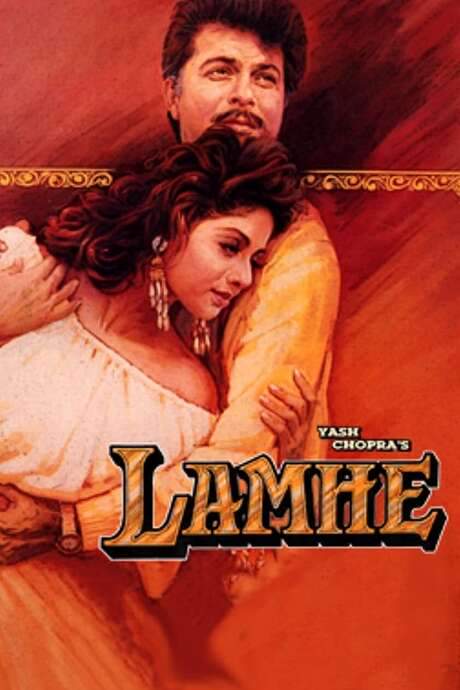
Lamhe (1991) movie poster

Plot Summary

Lamhe (1991) Plot Summary Explained

Release, runtime and language
1991 · 187 mins · Hindi
Loading streaming availability…
Directed by
Yash Chopra
Starring
Anil Kapoor, Waheeda Rehman, Anupam Kher, Ila Arun, Sridevi, Richa Pallod

Viren falls for Pallavi, but she marries Siddharth. The couple dies, leaving behind their daughter, who grows up to look just like her mother and falls in love with Viren.

On this page (6)
  1. 1 Where to watch
  2. 2 What happens: full plot
  3. 3 Plot questions answered
  4. 4 Movie threads
  5. 5 Movies like Lamhe
  6. 6 Every angle
Loading streaming availability…

Full plot summary · contains spoilers

What Happens in Lamhe: Full Plot Summary

The whole story of Lamhe (1991) explained, from the opening scene to the final frame: every key event, every twist and what it all adds up to. Read it as a quick recap before the sequel, to check a scene you missed, or to finally understand what really happened.

A young NRI, Virendra Pratap Singh Anil Kapoor, nicknamed Viren, returns to his homeland in Rajasthan with his former governess, Durgadevi, affectionately called Dai Jaa Waheeda Rehman. He has spent most of his life away from India, where his late parents had emigrated to London. At first, the sweltering heat and the rich, traditional customs of the region feel alien to him, but the moment he meets Pallavi Sridevi, the daughter of the wealthy businessman Kothiwale Thakur Manohar Singh who once helped Viren’s father, his heart is instantly drawn to her. The two strike up a friendship that soon blossoms into something deeper, even as Dai Jaa gently cautions that Pallavi is eight years Viren’s senior. Still, Viren’s feelings remain undeterred.

A series of blows of fate tests them: after Viren loses a civil legal dispute over a property, Pallavi’s father dies of a heart attack during a period of mourning, throwing Pallavi into a tailspin of grief. Viren consoles her at the ceremony, only to discover that Pallavi’s longtime love, Siddharth Kumar Bhatnagar, an airplane pilot, is still in her life. Moved by Pallavi’s pain, Viren makes the painful choice to arrange Pallavi’s marriage to Siddharth, despite his own longing. He returns to London with a heavy heart, keeping his true emotions hidden from Pallavi.

Tragedy strikes in a cruel twist of fate when Viren learns that Pallavi and Siddharth have perished in a major car accident, leaving behind a gravely wounded Pallavi who gives birth to their daughter, Pooja, before she dies. Dai Jaa and Viren mourn their losses, and Viren—still deeply in love with Pallavi—pledges to raise the newborn child and entrusts Dai Jaa with her upbringing. Two decades pass, and Viren returns annually to Rajasthan for Siddharth and Pallavi’s death anniversary, though he avoids visiting on Pallavi’s birthday—the day Pallavi died—keeping a poignant distance from the past he cannot fully release.

Twenty years later, in a twist of fate, Viren encounters the grown is Pallavi’s daughter, Pooja Sridevi, who bears a striking resemblance to Pallavi. It feels as though destiny is playing a cruel joke, yet Viren invites both Dai Jaa and Pooja to his London home. There, Viren’s old friend Prem Anand Anupam Kher and Viren’s new girlfriend, Anita, become part of the tapestry of emotions surrounding the two women who resemble Pallavi. Anita is aware of Viren’s lingering attachment to Pallavi and tries to win his heart, all while watching Pooja’s growing closeness to Viren. Pooja, however, grows possessive of Viren and challenges Anita’s assumptions as she insists that if Anita isn’t related to Viren, then she herself is not either.

Prem sees how deeply Pooja is attached to Viren, but he remains cautious, recognizing that Viren’s heart still lingers in the past with Pallavi. A pivotal moment arrives when Pooja misreads a portrait Viren sketches of Pallavi as a portrait of herself, leading to a confrontation in which Viren reveals that his love has always been for Pallavi—not Pooja. Crushed, Pooja asks Dai Jaa to take her back to India, and Prem urges Viren to confront his true feelings and the stark difference between Pallavi and Pooja.

Back in Rajasthan, Dai Jaa guides Pooja toward marriage, but under one condition: Viren must marry first. When Dai Jaa informs Viren of Pooja’s request, he agrees to marry Anita, hoping to secure a future that might bridge the painful gap between past and present. Pooja, however, declares that she will never marry. The couple’s fates seem tangled and uncertain as Viren and Prem travel to India to reconcile with the truth.

In a village show’s closing act, a heartbroken Pooja narrates a tragic folk tale, and Viren’s presence among the audience unsettles her—she suddenly pretends she has already married. Viren confronts her, revealing that he never intended to marry Anita and that his true love lies with Pooja. He also reveals that Pallavi had never felt romantic love for him, and thus the path forward for Viren and Pooja becomes clear: neither is bound to an unwanted union, and they are free to be together at last.

Last updated: October 09, 2025 at 15:00

Was this helpful?

Plot questions answered

Lamhe Plot Explained: Your Questions Answered

The questions people ask most about Lamhe (1991): what happens in the confusing scenes, why the characters do what they do, the twists, hidden details and what the ending means. Each answer contains spoilers.

Q1

Why does Viren arrange Pallavi's marriage to Siddharth?

Viren arranges Pallavi's marriage to Siddharth because he sees how devastated she is after her father's death. Although Viren loves Pallavi deeply, he chooses to prioritize her happiness over his own feelings. When he discovers that Pallavi's longtime love, Siddharth the pilot, is still in her life, Viren decides to step aside and help her marry the man she truly loves, even though it breaks his heart.

  • viren
  • pallavi
  • siddharth
  • marriage
  • sacrifice
  • love
Q2

How do Pallavi and Siddharth die?

Pallavi and Siddharth perish in a major car accident while Pallavi is pregnant. The tragedy occurs shortly after their marriage, leaving Pallavi fatally wounded. She gives birth to their daughter Pooja before dying, and Siddharth also dies in the same accident.

Foreshadowing: The earlier mention of the couple's happiness after marriage sets up the devastating tragedy that follows.

  • pallavi
  • siddharth
  • death
  • accident
  • pooja
  • birth
Q3

Why does Pooja look exactly like Pallavi?

Pooja is Pallavi's biological daughter, which explains her striking resemblance to her mother. The movie uses this physical similarity as a central plot device, creating visual poetry about destiny and how love can transcend generations. Both characters are played by Sridevi, emphasizing the uncanny resemblance.

  • pooja
  • pallavi
  • resemblance
  • daughter
  • looks
Q4

Why does Viren avoid visiting on Pallavi's birthday?

Viren avoids visiting Rajasthan on Pallavi's birthday because that is the day she died in the car accident. The dual anniversary of her birthday and death creates too much pain for him to bear, so he visits only on the death anniversary of both Pallavi and Siddharth, maintaining a poignant distance from the specific day that marks his greatest loss.

  • viren
  • pallavi
  • birthday
  • death
  • anniversary
  • grief
Q5

What happens with the portrait misunderstanding?

Pooja discovers a portrait that Viren has sketched and assumes it is of herself, confessing her love to him. Viren must reveal the painful truth that the portrait is actually of Pallavi, his first love. This confrontation crushes Pooja's hopes and forces Viren to acknowledge that his heart still lingers in the past with Pallavi, not in the present with Pooja.

Foreshadowing: Earlier scenes show Viren sketching and his lingering attachment to Pallavi's memory.

  • portrait
  • pallavi
  • pooja
  • misunderstanding
  • confession
  • art
Q6

Did Pallavi ever love Viren?

No, Pallavi never felt romantic love for Viren. At the climax, Viren reveals that Pallavi's love for him was never romantic, she always loved Siddharth. This revelation is crucial because it frees Viren from his guilt and allows him to accept that pursuing a relationship with Pooja does not betray Pallavi's memory.

Foreshadowing: Throughout the film, Pallavi is shown accepting Viren's help while remaining emotionally connected to Siddharth.

  • pallavi
  • viren
  • love
  • siddharth
  • unrequited
  • feelings
Q7

Why does Viren agree to marry Anita?

Viren agrees to marry Anita as a strategic decision to help Pooja move forward with her own life. When Dai Jaa tells Viren that Pooja will only consider marriage once Viren marries first, he agrees to marry Anita hoping this would encourage Pooja to find happiness. However, Viren never intended to actually go through with the marriage, as his heart was not truly in it.

  • viren
  • anita
  • marriage
  • pooja
  • decision
  • strategy
Q8

Why does Pooja say she will never marry?

Pooja declares she will never marry after being humiliated by the portrait revelation and learning that Viren's heart still belongs to Pallavi's memory. Feeling crushed and rejected, she tells Dai Jaa she never wants to marry, creating a stalemate in the family plans. This vow becomes a turning point that forces Viren to confront his true feelings.

Foreshadowing: The portrait confrontation leaves Pooja emotionally devastated and unwilling to consider marriage.

  • pooja
  • marriage
  • vow
  • rejection
  • feelings
  • dignity
Q9

What happens at the village show climax?

At the village show, Pooja is narrating a tragic folk tale when she spots Viren in the audience. She suddenly pretends she has already married to hide her pain. Viren confronts her afterward and reveals he never intended to marry Anita. More importantly, he confesses that he now loves Pooja, not as a replacement for Pallavi, but as herself. The revelation that Pallavi never loved him romantically clears the path for them to be together.

Foreshadowing: Prem's earlier advice to Viren about confronting the difference between Pallavi and Pooja leads to this moment.

  • village
  • show
  • confession
  • viren
  • pooja
  • love
  • climax
Q10

What role does Prem play in the story?

Prem Anand, Viren's old friend, serves as a moral compass and voice of reason throughout the film. He notices Viren's lingering attachment to Pallavi's memory and urges him to confront the stark difference between his idealized memory of Pallavi and the real Pooja standing before him. Prem's advice ultimately helps Viren recognize that he needs to let go of the past to embrace the present.

  • prem
  • viren
  • friend
  • advice
  • guidance
  • pooja
Q11

How does Dai Jaa influence the story's outcome?

Dai Jaa serves as the moral backbone and emotional anchor of the narrative. She raises Pooja after the tragedy, maintains the family's honor, and acts as a bridge between Viren's past and present. She orchestrates the condition that Viren must marry first for Pooja to consider marriage, which ultimately triggers the chain of events leading to Viren's confession and the resolution.

Foreshadowing: Dai Jaa's early caution about Pallavi's age sets up her continued protective role over Viren.

  • dai jaa
  • durgadevi
  • waheeda rehman
  • influence
  • guidance
  • family
Q12

How does Viren raise Pooja after Pallavi's death?

After the car accident that kills Pallavi and Siddharth, Viren pledges to raise their daughter Pooja as his own. He entrusts Pooja's upbringing to Dai Jaa while he returns to London, but he visits Rajasthan every year on the death anniversary. Though he provides for Pooja financially and emotionally, he keeps emotional distance, avoiding her on Pallavi's birthday to protect himself from reliving his grief.

  • viren
  • pooja
  • raise
  • daughter
  • responsibility
  • upbringing

Movie threads

More Movies Like Lamhe, by Mood & Story

Curated lists built around what makes Lamhe tick: the same mood, the same kind of story or the same emotional payoff. Each list explains why these movies belong together.

Movies about Doppelganger Love and Generational Echoes like Lamhe

When history repeats itself through uncanny resemblance, forcing characters to confront the past. If you liked Lamhe, you'll be drawn to these movies where characters grapple with a past love resurrected through an uncanny resemblance. This thread features similar romantic dramas and melodramas that delve into themes of destiny, memory, and the haunting cycle of love across generations.

  • nostalgic
  • melancholic
  • romantic
  • haunting
  • yearning
  • introspective
  • Tone: bittersweet, melancholic, haunting
  • Pacing: steady, character-driven
Why these movies?

The story pattern: These stories typically begin with a profound, often unrequited, love that ends in loss or separation. Years later, a new character—often bearing a striking physical or emotional resemblance to the lost love—enters the protagonist's life. The narrative tension comes from the protagonist’s struggle to separate the new individual from the old ghost, leading to a journey of acceptance and the redefinition of love itself.

Why they belong together: Movies are grouped here because they share the core narrative device of the doppelganger and the thematic exploration of love transcending time and generations. They consistently evoke a bittersweet, melancholic mood, blending romance with the poignant pain of memory and the ethical dilemmas of loving a reflection.

Bittersweet Romance Movies about Letting Go like Lamhe

Stories where love is intertwined with grief, culminating in a poignant, hopeful release. Find movies similar to Lamhe that capture the poignant feeling of a bittersweet romance built on the foundation of past grief. These films share a steady pace and a medium emotional weight, focusing on characters who must learn to move on from loss to embrace a new chance at love.

  • bittersweet
  • melancholic
  • hopeful
  • introspective
  • yearning
  • romantic
  • Tone: bittersweet, melancholic, hopeful
  • Pacing: steady, introspective
Why these movies?

The story pattern: The central emotional arc in these films is one of catharsis through release. A protagonist is initially defined by their attachment to a past trauma or unfulfilled love. The plot forces them to engage with a new relationship or situation that mirrors the past, not to replicate it, but to finally process and let it go. The endings are satisfying yet tinged with the sadness of what was lost, achieving a bittersweet equilibrium.

Why they belong together: These films are grouped by their shared core emotional journey: the difficult transition from being anchored in grief to accepting a present-day happiness that is different from what was once dreamed. They are united by a consistent bittersweet tone, a steady, thoughtful pacing that allows for introspection, and a focus on the healing power of acceptance.

If you liked this

Movies Like Lamhe

Similar movies to Lamhe: the same genre, themes or kind of story. Each one comes with its own plot summary, timeline and ending explained.

Browse all movie summaries

Every angle

Lamhe (1991) Explained: Plot, Timeline & Characters

Everything about Lamhe in one place: what happens in the plot summary, the timeline in chronological order, the characters and meaning and a spoiler-free summary. What's After the Movie adds the cast, box office and post-credit scenes.

Coming soon on iOS and Android

The Plot Explained Movie Summary App

Plot summaries, endings explained and timelines on your phone. Catch up on any movie in minutes, save your favorites and never miss a twist again.

Be the first to know when we launch. Your email stays private, always.

Learn more about the app