Plot Explained Spoilers guaranteed!
Plot Explained

Browse by genre

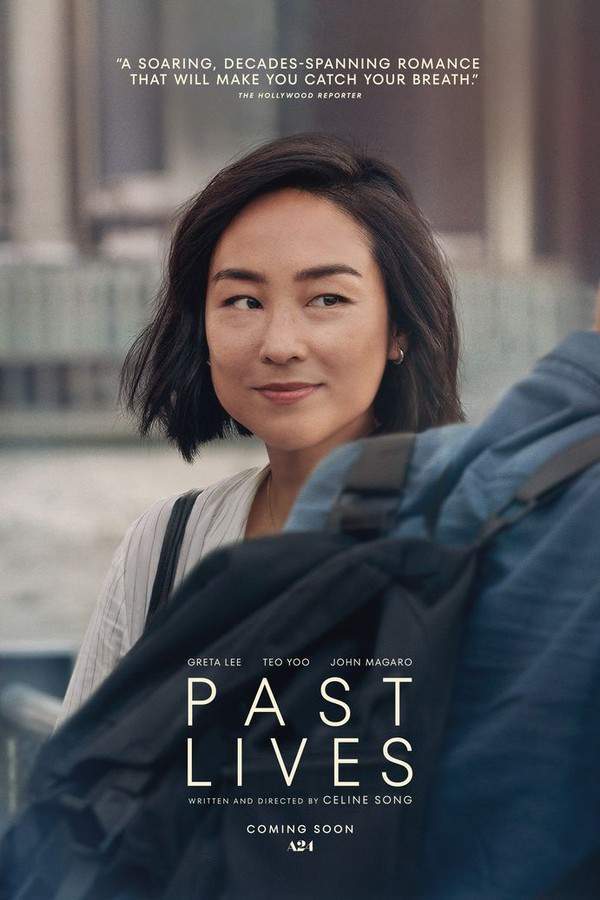
Past Lives (2023) movie poster

Plot Summary

Past Lives (2023) Plot Summary & Ending Explained

Release, runtime and language
2023 · 106 min · English
Echo score 85
Directed by
Celine Song
Starring
Ahn Min-Young, Greta Lee, Ji Hye Yoon, John Magaro, Kiha Chang, Moon Seung-ah
Budget
$12M

Two childhood friends, Nora and Hae Sung, reconnect across two decades and thousands of miles. The story follows their poignant reunion and explores themes of identity, longing, and the impact of choices made. As they spend a week together, they reflect on the paths their lives have taken and consider the possibility of a deeper connection, confronting what might have been.

On this page (7)
  1. 1 Where to watch
  2. 2 What happens: full plot
  3. 3 Plot questions answered
  4. 4 How it ends
  5. 5 Movie threads
  6. 6 Movies like Past Lives
  7. 7 Every angle

Where to watch

Where to Watch Past Lives (2023)

Where can you watch Past Lives? Stream, rent or buy it in the US, including on Amazon Video, Apple TV Store and Fandango At Home: current JustWatch availability with up-to-date prices.

Streaming availability powered by JustWatch

Full plot summary · contains spoilers

What Happens in Past Lives: Full Plot Summary

The whole story of Past Lives (2023) explained, from the opening scene to the final frame: every key event, every twist and what it all adds up to. Read it as a quick recap before the sequel, to check a scene you missed, or to finally understand what really happened.

In the opening moments of this deeply moving film, we find ourselves in a dimly lit bar, captivated by an unseen couple (Chase Sui Wonders and Isaac Powell) who are intrigued by three strangers: Nora (Greta Lee), Hae Sung (Teo Yoo), and Arthur (John Magaro). The trio is engaged in a silent yet intense conversation, leaving the onlookers to speculate about the depth of their connection. While Nora and Hae Sung share a seamless interaction, Arthur appears contemplative, his gaze fixed on Nora with a sense of unspoken desire.

Jumping back twenty-four years earlier to the vibrant streets of Seoul, we meet Na Young (Moon Seung-ah) and her friend Hae Sung (Seung Min Yim), who stroll home under the night sky. This scene is layered with emotion as Na Young wrestles with her disappointment over a second-place finish at school, while Hae Sung provides encouragement, admitting she often excels beyond him in studies. This moment foreshadows a profound journey that spans decades.

As the narrative unfolds, we step into Na Young's family home, where her parents (Ji Hye Yoon and Won Young Choi) and her little sister Si Young (Seo Yeon-Woo) prepare for a significant move to Canada. Embracing this change, Na Young adopts the name "Nora," a title that will soon embody her creative ambitions.

Fast forward twelve years; Hae Sung has finished his military service and returned to Seoul, where he shares cheerful moments with friends. Meanwhile, Nora is pursuing her dreams of writing in New York City, often reminiscing about her first love, Hae Sung.

An unexpected twist occurs when Nora's mother mentions Hae Sung's comment on her father's restaurant page, igniting a longing within Nora. Eager to reconnect, she reaches out through social media, and the two begin to rekindle their bond, exchanging heartfelt messages and reigniting nostalgic memories.

Their digital conversations transition to video calls on Skype, filled with reflections of their shared history. Nora, driven by her desire to become a writer, contrasts with Hae Sung, who is preparing for a language exchange opportunity in China. Their discussions flow like a tranquil river, but the reality of their circumstances looms large, making face-to-face meetings impossible. In a moment of clarity, Nora resolves to pause their online interaction to focus on her writing, leaving us pondering the uncertain future of their connection.

As Nora's creative path unfolds, she attends a writers' retreat, leading her to Arthur. Under the serene night sky, they delve into the concept of "In-Yun," a belief steeped in Korean philosophy suggesting that some individuals are destined to meet again, their lives intertwined like delicate threads in a grand tapestry. This notion creates a burgeoning familiarity between Nora and Arthur, allowing their love to flourish.

Meanwhile, Hae Sung, navigating a new phase after a breakup, finds himself drawn to New York City, where fate brings him and Nora together once more. Their reunion reveals how the years have transformed them into unique individuals, each carrying the weight of their experiences.

As their lives converge once again, Nora confides in Arthur about her encounter with Hae Sung, prompting Arthur to sense an unbreakable link that seemingly ties them. Despite his worries, Nora reassures him of her unwavering love. In a reflective gesture, she invites Hae Sung to dinner, an evening that ultimately circles back to the bar where their story first ignited.

In this intimate environment, as laughter and soft conversations float through the air, the atmosphere teems with the essence of "In-Yun." Hae Sung's curiosity about their shared past heightens, but Nora's reticence leaves him pondering the deeper implications of their intertwined destinies. Arthur, with his gentle disposition, reassures them both, navigating the complexities of their relationships that now bridge their previous selves.

When the evening comes to a close, Nora and Hae Sung step outside, waiting for his Uber. In a moment heavy with anticipation, they remain locked in a powerful gaze, the silence stretching across an entire minute. Time bends and warps as they contemplate the haunting possibility of revisiting a moment from a past life, brimming with unanswered questions.

Just as Hae Sung is about to depart, he turns back to Nora with a wistful look, pondering where their paths might cross again. Their parting is tinged with bittersweet emotion, as a fleeting embrace underscores the depth of their connection. After Hae Sung vanishes into the night, Nora finds herself overwhelmed by her emotions, collapsing into Arthur's embrace with tears streaming down her face.

The film closes with Hae Sung speeding through the city streets in his Uber, headed toward the airport and an uncertain future. As New York City fades in the distance, it becomes a mere echo in his memory, while the plane ascends, carrying him away from the life he once knew.

Last updated: October 24, 2024 at 07:39

Was this helpful?

Plot questions answered

Past Lives Plot Explained: Your Questions Answered

The questions people ask most about Past Lives (2023): what happens in the confusing scenes, why the characters do what they do, the twists, hidden details and what the ending means. Each answer contains spoilers.

Q1

Why did Nora stop contacting Hae Sung on Skype?

Nora chose to pause their online interaction because she needed to focus on her writing career. She felt that continuing their frequent video calls was distracting her from her creative goals, so she made the difficult decision to step away to pursue her ambitions in New York City.

Foreshadowing: Earlier, Nora is shown pursuing her dreams of becoming a writer in New York, establishing her priority between personal success and romantic connection.

  • nora
  • hae sung
  • skype
  • writing
  • career
  • decision
Q2

What is the In-Yun concept in the movie?

In-Yun is a Korean philosophical belief that some people are destined to meet because their lives are connected like threads in a grand tapestry. Arthur introduces this concept to Nora at the writers' retreat, suggesting their meeting was fated rather than random, which also echoes Nora and Hae Sung's childhood connection.

Foreshadowing: The film opens with the bar scene showing mysterious connections between strangers, hinting at the In-Yun theme that becomes central later.

  • in-yun
  • korean philosophy
  • destiny
  • connection
  • arthur
Q3

Why does Nora cry after Hae Sung leaves?

Nora becomes overwhelmed by emotion because she is confronting the reality that her connection with Hae Sung, despite being deeply meaningful, cannot override the lives they have each built separately. Her tears represent accepting what the grief of could have been versus what actually is.

Foreshadowing: The film consistently builds tension around their unresolved feelings and the question of what might have been had Nora never moved away.

  • nora
  • crying
  • emotion
  • loss
  • farewell
  • regret
Q4

What happens in the final scene of the movie?

After their emotional farewell, Hae Sung gets into his Uber and drives through New York City toward the airport, leaving Nora behind. The film ends with the city lights fading as he heads toward an uncertain future, while Nora returns to her life with Arthur.

Foreshadowing: The opening bar scene mirrors this ending, suggesting a cyclical nature to their brief reunion.

  • ending
  • hae sung
  • uber
  • airport
  • new york
  • future
Q5

Why did Nora choose to be with Arthur instead of Hae Sung?

Nora's relationship with Arthur developed naturally through their shared creative pursuits at the writers' retreat, and their connection grew into genuine love. While her bond with Hae Sung represents their shared childhood history and unresolved feelings, Nora's present life and future are rooted in her relationship with Arthur in New York.

Foreshadowing: Arthur and Nora's meeting at the writers' retreat demonstrates their compatibility through their discussion of In-Yun and writing.

  • nora
  • arthur
  • relationship
  • choice
  • love
  • having
Q6

Why didn't Nora tell Hae Sung she still had feelings for him?

Nora likely understood that expressing her unresolved feelings would not change their circumstances, they live in different worlds now with separate lives. Her restraint reflects the film's themes of accepting reality over idealized what-ifs, though her emotional reaction at the end reveals those feelings remained.

Foreshadowing: Throughout their reunion, Nora remains somewhat reserved about her emotional history, while Hae Sung's curiosity about their past grows.

  • nora
  • hae sung
  • feelings
  • confession
  • unspoken love
Q7

Why did Hae Sung come to New York City?

Hae Sung visits New York after going through a breakup, seemingly seeking a change and possibly hoping to reconnect with Nora. His decision to travel across the world reflects his ongoing curiosity about what might have happened between them.

Foreshadowing: Earlier in the film, Nora and Hae Sung discuss their impossible circumstances and the distance between them.

  • hae sung
  • new york
  • visit
  • reunion
  • breakup
Q8

Why does the bar scene appear at both the beginning and end?

The bar serves as a framing device that bookends the story, symbolizing how some connections are observed from the outside by others. The unseen couple watching Nora, Hae Sung, and Arthur represents the audience contemplating the nature of their relationships, and the circular structure emphasizes the film's themes of fate and cycles.

Foreshadowing: The opening scene establishes curiosity about the trio's connections, which the ending mirrors to create a sense of closure.

  • bar
  • opening
  • ending
  • circular structure
  • symbolism
Q9

Why does Na Young change her name to Nora?

Na Young adopts the name Nora when her family moves to Canada, representing her embrace of a new identity in a new country. This change reflects her adaptation to Western culture and her aspirations as a writer, though her Korean roots and connections remain significant throughout the film.

Foreshadowing: The family move to Canada marks a major turning point that separates Nora from Hae Sung.

  • nora
  • name change
  • na young
  • identity
  • culture
  • canada
Q10

What is the significance of the long silent gaze between Nora and Hae Sung?

The extended minute-long look outside the bar represents the weight of their entire history and unspoken words. It embodies the film's exploration of In-Yun and the haunting question of whether they were destined for more, capturing the bittersweet tension between their past connection and present reality.

Foreshadowing: This moment connects to the film's thematic focus on destiny and the weight of unanswered questions about their relationship.

  • gaze
  • silence
  • emotional connection
  • destiny
  • look
Q11

Why isn't Arthur upset about Nora meeting Hae Sung?

Arthur demonstrates emotional maturity and security in his relationship with Nora. He recognizes the significance of her history with Hae Sung and allows Nora to process her feelings openly. His gentle nature and understanding of In-Yun philosophy help him accept that past connections can coexist with their present relationship.

Foreshadowing: Arthur's introduction through the In-Yun discussion establishes his philosophical approach to relationships.

  • arthur
  • jealousy
  • understanding
  • emotional maturity
  • support

Ending explained

What Happens at the End of Past Lives?

How Past Lives (2023) ends, in short: the final scene, the last twist and what it means for the characters. The full ending explained, with every spoiler, lives on its own page.

Read the full ending explained

In the closing moments of Past Lives, Hae Sung stands outside a café, waiting for an Uber, and shares a poignant glance with Nora. Despite the unspoken feelings that hang between them, neither makes a move—an acknowledgement of their lingering connection but also of the reality that their love isn't meant to be in this lifetime. Hae Sung's silent hope that their bond might find fulfillment in another life reflects the film's core idea of in-yun, the Korean belief that love and connections can transcend time and rebirth. Nora, overwhelmed by the complexity of their relationship and the life she’s chosen, breaks down in an emotional moment, hinting at her regret and longing. Her husband Arthur, calm and considerate, offers her comfort, reaffirming her current path and life in New York. The film ends with an understanding that their love, though beautiful and deep, is ultimately part of a cycle of destiny—one that might only be fulfilled across multiple lives. In this quiet, bittersweet farewell, we see the acceptance that some loves are meant to be places in the past but might endure silently in the future, waiting for a time when they could finally be together.}

Past Lives ending explained in full

Movie threads

More Movies Like Past Lives, by Mood & Story

Curated lists built around what makes Past Lives tick: the same mood, the same kind of story or the same emotional payoff. Each list explains why these movies belong together.

Movies about lost love and reconnection like Past Lives

Quiet dramas exploring the emotional weight of reconnection and lost love. If you were moved by the quiet yearning in Past Lives, explore these other movies about reconnection and lost love. This collection features similar dramas and romance stories that poignantly explore the paths not taken and the bittersweet nature of revisiting the past.

  • nostalgic
  • longing
  • poignant
  • contemplative
  • romantic
  • melancholic
  • Tone: bittersweet, melancholic, poignant
  • Pacing: slow, reflective, character-driven
Why these movies?

The story pattern: Stories in this thread often center on characters reuniting after a significant period of time, forcing them to confront their past selves and choices. The narrative conflict is primarily internal, revolving around feelings of longing, regret, and the acceptance of life's divergent paths. They typically unfold at a deliberate pace, allowing space for reflection and unspoken emotions, often concluding with an acknowledgement of connection that is meaningful yet cannot alter the present reality.

Why they belong together: Movies are grouped here because they share a core thematic focus on the lingering impact of past relationships and the poignant exploration of alternate futures. They possess a similar bittersweet tone, moderate emotional weight, and a quiet, character-driven pacing that prioritizes emotional resonance over plot-heavy action.

Movies about cultural identity and displacement like Past Lives

Introspective films about navigating life between different worlds and cultures. For viewers who appreciated the immigrant experience and cross-cultural themes in Past Lives, this list features similar movies about identity and belonging. Discover other poignant dramas that explore the quiet complexities of living between cultures and defining one's own sense of home.

  • contemplative
  • reflective
  • poignant
  • quiet
  • melancholic
  • introspective
  • Tone: contemplative, melancholic, reflective
  • Pacing: slow, steady, introspective
Why these movies?

The story pattern: Narratives in this group follow characters grappling with their identity in the context of cultural transition or heritage. The journey is often one of self-discovery, reconciling the expectations of a new environment with the pull of an ancestral or childhood home. The plot is typically driven by internal conflict and personal reflection rather than external events, unfolding at a measured pace that allows for deep character study.

Why they belong together: These films are unified by their deep exploration of identity formation, particularly in cross-cultural contexts. They share a subdued, reflective mood, a moderate complexity in dealing with nuanced personal themes, and a tone that balances melancholy with insightful observation about the human condition.

If you liked this

Movies Like Past Lives

Similar movies to Past Lives: the same genre, themes or kind of story. Each one comes with its own plot summary, timeline and ending explained.

Browse all movie summaries

Every angle

Past Lives (2023) Explained: Plot, Ending, Timeline & Characters

Everything about Past Lives in one place: what happens in the plot summary, the timeline in chronological order, the characters and meaning, the ending explained and a spoiler-free summary. What's After the Movie adds the cast, box office and post-credit scenes.

Coming soon on iOS and Android

The Plot Explained Movie Summary App

Plot summaries, endings explained and timelines on your phone. Catch up on any movie in minutes, save your favorites and never miss a twist again.

Be the first to know when we launch. Your email stays private, always.

Learn more about the app