



Plot Explained Spoilers guaranteed!
Plot Explained

Browse by genre

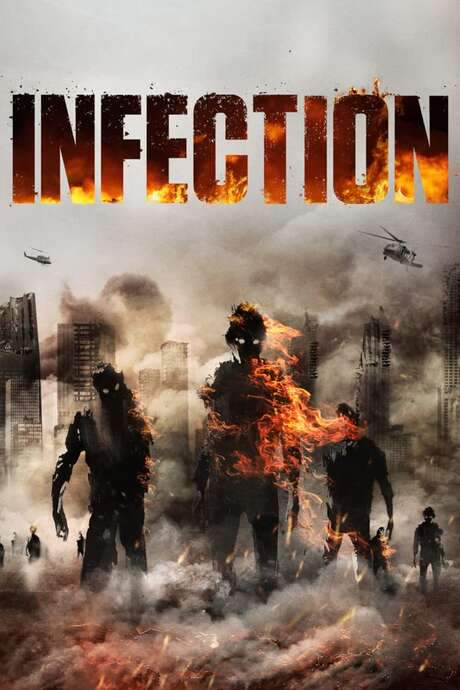
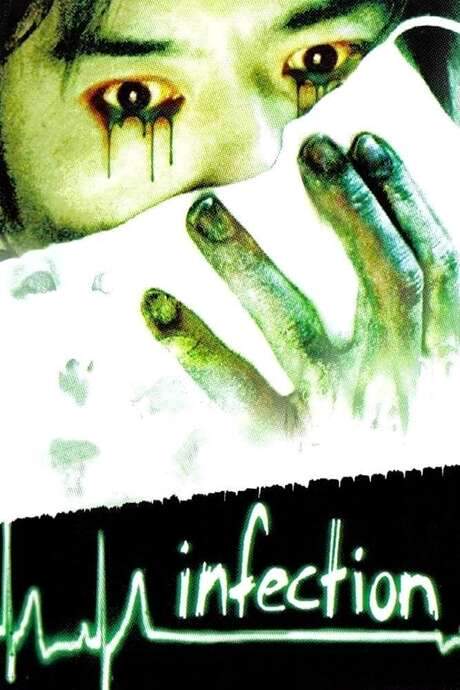
Infection (2005) movie poster

Timeline

Infection (2005) Timeline Explained – Every Event in Order

Release, runtime and language
2005 · 81 mins · English
Directed by
Albert Pyun
Starring
Laurie O'Brien, Jade Sealey, Scott Paulin, Norbert Weisser, Don Keith Opper, Cary Thompson

A meteor crashes near a small California town, releasing an alien infection. Rancher Larry Jenkins calls police; Inspector Bardo on prom night investigates. Jenkins, already infected, attacks Bardo, turning both into carriers as they head toward Lawton, where they encounter a couple, Cheryl and Timmy, on Lover’s Lane, infecting Timmy. Cheryl runs.

On this page (6)
  1. 1 Where to watch
  2. 2 Events in order (15)
  3. 3 Timeline questions answered
  4. 4 Movie threads
  5. 5 Movies like Infection
  6. 6 Every angle

Where to watch

Where to Watch Infection (2005)

Where can you watch Infection? Stream, rent or buy it in the US, including on Plex and Tubi TV: current JustWatch availability with up-to-date prices.

Streaming availability powered by JustWatch

15 events in order · contains spoilers

Infection Timeline: Events in Chronological Order

Every key event of Infection (2005) in order, scene by scene, with when and where it takes place. Use it to untangle flashbacks, time jumps and parallel storylines, to refresh your memory before the sequel or to find the exact scene you are thinking of.

  1. Death in Room 3 from wrong drug

    In a rundown hospital, Dr. Akiba refuses to admit a patient with a strange black rash. Soon, Room 3's burn victim dies after receiving the wrong drug. The crisis hints at a cover-up that is already taking shape.

    When
    Night
    Where
    Room 3
  2. Cover-up and transfer of the body

    Akiba teams with Dr. Uozumi and four nurses to hide the death and move the body to an unused room. They hope to avoid investigation and accountability.

    When
    Night
    Where
    Room 3 / Unused room
  3. Head nurse discovers abandoned patient

    The head nurse discovers that the patient Akiba refused to admit has been left in the hallway. She immediately informs Akiba of the alarming oversight.

    When
    Night
    Where
    Hallway outside Room 3
  4. Akai takes patient; green goo begins

    Akiba learns that Doctor Akai has taken the patient and is studying his symptoms. The patient is alive, but his body mass is liquefying into green goo.

    When
    Night
    Where
    Room 3
  5. Reluctant examination continues

    Despite warnings, Akiba and the others reluctantly help examine the patient. The condition worsens as the green substance continues to spread.

    When
    Night
    Where
    Room 3
  6. Patient vanishes; head nurse collapses

    The patient vanishes from the room, and the head nurse falls unconscious.

    When
    Night
    Where
    Hallway / Room vicinity
  7. Infection spreads among staff

    The head nurse wakes and begins bleeding green goo from her ears and eyes as infection spreads. The mean nurse and the young nurse escalate into chaos: the young nurse draws blood on herself, laughs maniacally, and stabs two needles into her body, splattering green goo on the other nurse.

    When
    Night
    Where
    Hospital Ward
  8. Uozumi succumbs to guilt and infection

    Uozumi, burdened by guilt over a patient he helped kill earlier, becomes infected. His eyes turn white and green goo seeps from him.

    When
    Night
    Where
    Near patient room
  9. Mean nurse outbreak and flight

    The infected mean nurse hangs upside down, spreading fear through the ward. Akiba bolts from the room as the outbreak escalates.

    When
    Night
    Where
    Ward
  10. Akai’s explanation of a mental infection

    Akiba confronts Akai, accusing him of creating and spreading the infection. Akai denies responsibility and explains that the infection spreads mentally, infecting the subconscious.

    When
    Night
    Where
    Hospital room
  11. Nakazono confronts the illusion

    Dr. Nakazono arrives and forces Akiba to realize he has been speaking to his own reflection. She sees the corpses of the two nurses, dead and without any green goo, and suspects a hallucination.

    When
    Night
    Where
    Hospital
  12. Police called; revelation of Akai’s identity

    Nakazono calls the police as Akiba recalls the events in Room 3 and realizes that Akai was the burn patient. The truth begins to surface behind the nightmare.

    When
    Night
    Where
    Hospital
  13. Twist: swapped identities replayed

    The same sequence of events is shown again with swapped identities, revealing that Akiba was the burn patient and Akai the one who ordered the wrong drug, massacring the staff.

    When
    Night
    Where
    Hospital
  14. Aftermath: evacuation and search

    The hospital is evacuated the following day as all staff except Nakazono are dead. The police search for Akiba who has disappeared.

    When
    Following day
    Where
    Hospital
  15. Ending: green certainty and a hand from the locker

    Nakazono leaves the hospital as red lights flip to green and she panics, cutting her hand and green blood pours out. A locker in the burn victim's room opens, and Akiba's hand, covered in goo, reaches out before falling to the floor.

    When
    Ending
    Where
    Burn Victim's Room / Locker Area

Last updated: November 22, 2025 at 16:00

Was this helpful?

Timeline questions answered

Infection Timeline Explained: Your Questions Answered

When does it happen, and why in that order? The questions people ask about the chronology of Infection (2005): time jumps, flashbacks, cause and effect between scenes and the correct order of events, each answered with spoilers.

Q1

Why did Dr. Akiba refuse to admit the patient with the strange rash?

Dr. Akiba refused to admit the patient because the hospital was understaffed and run-down, and he likely wanted to avoid dealing with a case that might attract unwanted attention or complicate the existing crisis in Room 3. This decision sets in motion the chain of events that leads to the cover-up and subsequent infection outbreak.

Foreshadowing: Earlier, Akiba's refusal to take responsibility for the patient creates the initial breach in hospital protocol that the staff must hide.

  • dr akiba
  • patient refusal
  • rash
  • hospital neglect
Q2

What caused the green goo infection in the hospital?

The infection originated from the mysterious patient with the black rash who was brought to the hospital. As the patient was examined, his body mass liquefied into a green viscous substance. The infection appears to spread through physical contact with this substance and potentially through the subconscious mind, creating a contagion that affects both body and psyche.

Foreshadowing: The patient's black rash precedes the green goo symptoms, suggesting the alien nature of the infection.

  • green goo
  • infection
  • alien
  • contagion
  • liquefaction
Q3

What is the twist involving Dr. Akiba and Dr. Akai?

The film reveals that the entire horrific sequence was actually shown twice with swapped identities. In reality, Dr. Akiba was the burn patient in Room 3 who received the wrong drug and died. Akai (who appeared as Dr. Akiba throughout) was the actual doctor who ordered the fatal medication, causing the massacre of the staff. The identity swap exposes that Akiba's guilt manifested as a hallucinatory revenge narrative.

Foreshadowing: The repeated sequence of events mirrors each other, hinting at the identity reversal before the explicit reveal.

  • identity swap
  • akiba
  • akai
  • twist
  • burn patient
Q4

Was the infection real or all a hallucination?

The film creates deliberate ambiguity. Dr. Nakazono initially believes the entire outbreak was a hallucination caused by guilt, as she finds the nurses' corpses without green goo. However, the ending contradicts this interpretation when she cuts her hand and green blood pours out, and Akiba's hand emerges from the locker covered in goo. This suggests the infection is real and cyclical, with the nightmare repeating.

Foreshadowing: The green goo disappearing from dead bodies hints at the hallucination theory, but the final locker scene overturns this hope.

  • reality
  • hallucination
  • ambiguity
  • infection
  • real
Q5

Why did Dr. Uozumi become infected?

Dr. Uozumi became infected after being consumed by guilt over a patient he had helped kill earlier. His emotional breakdown preceded his physical transformation, with his eyes turning white and green goo seeping from his body. The infection appears to target those with psychological vulnerability and moral responsibility, spreading through both physical contact and the subconscious.

Foreshadowing: Uozumi's guilt over his previous patient is shown moments before his infection, connecting emotional state to the contagion.

  • uozumi
  • guilt
  • infection
  • psychological
  • transformation
Q6

What is the significance of Dr. Akiba talking to himself in the mirror?

The mirror scene reveals that Akiba has been confronting his own reflection throughout the conversation he believed was with Dr. Akai. Dr. Nakazono forces him to recognize he was speaking to himself, symbolizing his fractured psyche and inner conflict over the medical disaster he caused. This moment represents the breakdown between reality and hallucination in his mind.

Foreshadowing: Earlier scenes show Akai appearing and disappearing oddly, foreshadowing that he may not be a separate person.

  • mirror
  • reflection
  • akiba
  • hallucination
  • psychosis
Q7

Why does Nakazono cut her hand at the end and bleed green blood?

After the hospital is evacuated, Nakazono notices the red lights flipping to green repeatedly, a signal that the infection persists. In her panic, she cuts her hand, and green blood pours out, confirming the infection is real and has spread to her. This moment destroys the hope that the outbreak was merely a hallucination, showing the contagion is inescapable.

Foreshadowing: The lights changing from red to green mirror the earlier green goo symptoms, suggesting the infection's presence.

  • nakazono
  • green blood
  • lights
  • ending
  • infection
Q8

What happens in the final locker scene?

In the closing moments, a locker in the burn victim's room opens and Akiba's hand, covered in green goo, reaches out calling for help before collapsing to the floor. This ambiguous ending suggests Akiba may have survived the massacre inside the locker, or that his infected body has been trapped there throughout. The scene leaves uncertainty about whether he is dead, alive, or something else entirely.

Foreshadowing: The burn victim's room and locker were established earlier as places where the hospital concealed its mistakes.

  • locker
  • akiba
  • hand
  • ending
  • survival
Q9

What happened in Room 3 and why did the staff cover it up?

In Room 3, a burn victim died after receiving the wrong drug due to Dr. Akiba's order. To avoid investigation and legal blame, Dr. Akiba, Dr. Uozumi, and four nurses moved the body to an unused room and attempted to hide the death. This cover-up is the moral foundation of the story, as their negligence and subsequent deception directly lead to the infection outbreak as a manifestation of guilt.

Foreshadowing: The opening scenes establish the hospital's culture of avoiding accountability, which drives the entire narrative.

  • room 3
  • wrong drug
  • cover-up
  • negligence
  • death
Q10

How does Akai explain the infection spreading?

Dr. Akai explains that the infection travels through the subconscious and spreads mentally, not just through physical contact. This explains why the staff become infected so rapidly and why the outbreak manifests through psychological vulnerabilities, each person's guilt and fear makes them susceptible to the contagion.

Foreshadowing: The rapid and chaotic spread among staff who each carry guilt suggests a mental component to the infection.

  • mental infection
  • subconscious
  • spread
  • akai
  • psychological

Movie threads

More Movies Like Infection, by Mood & Story

Curated lists built around what makes Infection tick: the same mood, the same kind of story or the same emotional payoff. Each list explains why these movies belong together.

Medical horror nightmares like in Infection

Stories where medical settings become breeding grounds for contagion and psychological collapse. If you liked the hospital-set terror of Infection, explore more movies like it. This thread features similar stories of contagion outbreaks and psychological unraveling within medical settings, focusing on themes of guilt, professional failure, and grotesque body horror.

  • claustrophobic
  • gory
  • paranoid
  • unsettling
  • body horror
  • clinical dread
  • Tone: dark, unsettling
  • Pacing: fast, relentless
Why these movies?

The story pattern: The narrative typically follows medical professionals or patients trapped in a single location as a threat—be it a virus, parasite, or psychological contagion—spreads uncontrollably. The story explores the breakdown of authority and sanity, often leading to surreal hallucinations and ambiguous, bleak endings where the threat is never fully contained.

Why they belong together: These movies are grouped together because they share a specific setting (medical) that creates a unique form of claustrophobic dread, a focus on bodily violation and contagion, and a dark tone exploring the consequences of human error and systemic failure.

Psychological horror with reality twists like in Infection

Stories where perception shatters, blurring the lines between nightmare and reality. For viewers who enjoyed the mind-bending narrative and hallucinatory terror of Infection, this thread finds similar movies where reality is unreliable. Discover stories of psychological breakdown, surreal horror, and ambiguous endings that leave you questioning everything.

  • surreal
  • unreliable narrator
  • hallucination
  • paranoid
  • anxious
  • mind-bending
  • Tone: dark, nightmarish
  • Pacing: variable, disorienting
Why these movies?

The story pattern: These narratives often use a major twist or a cyclical structure to subvert the viewer's understanding. The journey is an internal one, focusing on a character's psychological descent. The plot is complex, deliberately blurring events to create a pervasive sense of paranoia, leading to an ending that is bleak, ambiguous, or suggests an inescapable cycle.

Why they belong together: This thread connects movies based on their shared focus on psychological unraveling as the primary horror element. They employ complex narratives, surreal visuals, and a heavy emotional weight centered on guilt or trauma, creating a deeply unsettling and intellectually engaging experience.

If you liked this

Movies Like Infection

Similar movies to Infection: the same genre, themes or kind of story. Each one comes with its own plot summary, timeline and ending explained.

Browse all movie summaries

Every angle

Infection (2005) Explained: Plot, Timeline & Characters

Everything about Infection in one place: what happens in the plot summary, the timeline in chronological order, the characters and meaning and a spoiler-free summary. What's After the Movie adds the cast, box office and post-credit scenes.

Coming soon on iOS and Android

The Plot Explained Movie Summary App

Plot summaries, endings explained and timelines on your phone. Catch up on any movie in minutes, save your favorites and never miss a twist again.

Be the first to know when we launch. Your email stays private, always.

Learn more about the app