Plot Explained Spoilers guaranteed!
Plot Explained

Browse by genre

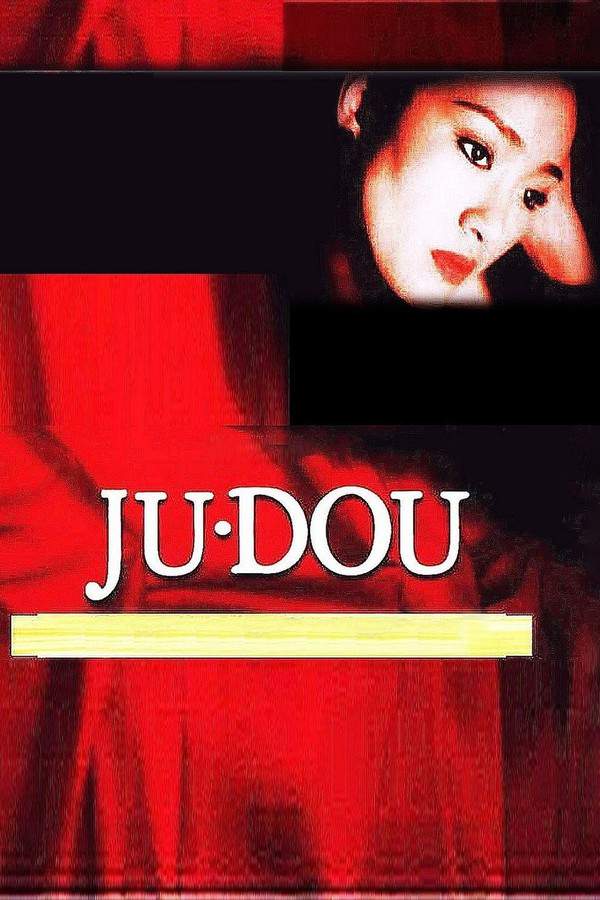
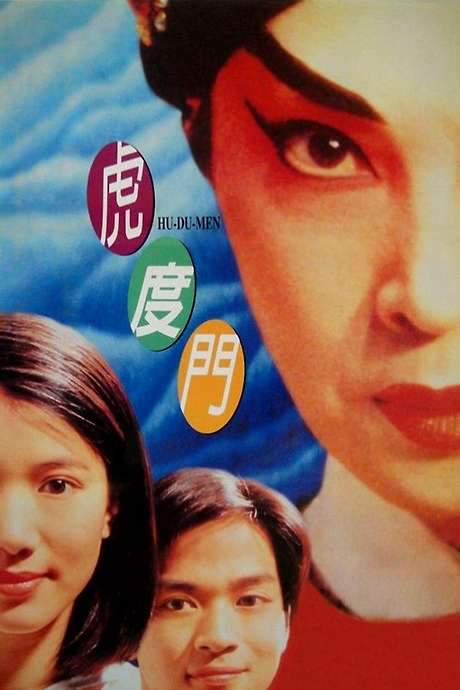
Hu-Du-Men (1996) movie poster

Timeline

Hu-Du-Men (1996) Timeline Explained – Every Event in Order

Release, runtime and language
1996 · 87 mins · Cantonese
Loading streaming availability…
Directed by
Shu Kei
Starring
Anita Yuen Wing-Yee, Waise Lee Chi-Hung, David Wu, Lee Heung-Kam, Daniel Chan Hiu-Tung, Chung King-Fai

Charismatic opera star Lang Kim‑sum knows that crossing the Hu‑du‑men on stage marks a point of no return—both in performance and in life. Revered by colleagues and friends as she approaches retirement, she soon confronts unexpected personal and professional challenges that test the same irreversible thresholds.

On this page (6)
  1. 1 Where to watch
  2. 2 Events in order (12)
  3. 3 Timeline questions answered
  4. 4 Movie threads
  5. 5 Movies like Hu-Du-Men
  6. 6 Every angle
Loading streaming availability…

12 events in order · contains spoilers

Hu-Du-Men Timeline: Events in Chronological Order

Every key event of Hu-Du-Men (1996) in order, scene by scene, with when and where it takes place. Use it to untangle flashbacks, time jumps and parallel storylines, to refresh your memory before the sequel or to find the exact scene you are thinking of.

  1. Career at the Crossroads

    Lang Kim-Sam, a famed Cantonese opera actress with thirty years in the theatre, reaches a pivotal turning point as the form she loves faces subtle reform. She must balance tradition, audience expectations, and the realities of aging stars. The pressure mounts as the troupe debates how to reform without losing its essence.

    When
    Late career
    Where
    Cantonese opera stage
  2. Husband's Move to Australia

    Chan Yiu-Jo tells Kim-Sam he wants to leave for Australia, urging her to quit the troupe and join him. He imagines a fresh, quieter life away from the spotlight. This plan strains their marriage and raises questions about what Kim-Sam values more: family or the stage.

    When
    Pre-last performance era
    Where
    Home
  3. Ah Lung's Unspoken Crush

    Ah Lung, the troupe's male lead and Kim-Sam's ally, harbors a quiet crush on her. His feelings complicate professional dynamics and threaten the boundaries of friendship within the company. The unspoken attraction adds personal stakes to the ongoing artistic struggles.

    When
    Ongoing
    Where
    Backstage / troupe
  4. Mimi's Secret

    Kim-Sam's daughter Mimi Chan Man is suspected of having homosexual tendencies and has a girlfriend. The revelation challenges family norms and tests Kim-Sam's role as mother and matriarch in a conservative theater world. The tension spills into rehearsal rooms and public appearances.

    When
    Present
    Where
    Home / troupe
  5. Wong Man-Chun's Return from Canada

    Wong Man-Chun, Kim-Sam's illegitimate son born and abandoned in Nanyang twenty-two years earlier, resurfaces. He travels from Canada to be near the world his mother inhabits and to meet the mother who never knew him. His arrival unsettles Kim-Sam and the troupe as their history begins to collide with the present.

    When
    Present
    Where
    Canada / Nanyang to Hong Kong
  6. Man-Chun Attends Yuk-Seung's Performance

    Man-Chun flies from Canada to watch Yip Yuk-Seung, the troupe's female lead, perform and to observe Kim-Sam for the first time. The trip foreshadows the complex ties that will bind mother, son, and star. The theatre hums with anticipation as the show approaches.

    When
    Just before final performance
    Where
    Hu-Du-Men
  7. In the Audience

    In the audience, Man-Chun begins to piece together his connection to Kim-Sam as Yuk-Seung performs. He appears to know nothing about his biological mother performing on stage, creating an emotional undercurrent to the show. The audience's gaze becomes a catalyst for the drama offstage.

    When
    During final performance
    Where
    Hu-Du-Men auditorium
  8. Kim-Sam's Last Performance Opens

    Kim-Sam takes the stage for what will be her last performance, carrying decades of artistry and unresolved personal turmoil. The crowd senses something unusual is at play as the famous actress battles the weight of years behind every gesture. The moment sets the stage for a cathartic culmination.

    When
    Last performance night
    Where
    Hu-Du-Men stage
  9. The Sobs and a Break in the Curtain

    Mid-performance, Kim-Sam chokes with sobs, struggling to continue as memories of her past and the presence of her son loom large. The moment tests her stamina and dedication to the role she has spent a lifetime perfecting. The audience is unaware of the deeper emotional storm raging on stage.

    When
    During last performance
    Where
    Hu-Du-Men stage
  10. A Resolve to Finish

    Kim-Sam dries her tears and gathers her resolve, choosing to press on and complete the role. She re-centers herself through discipline and breath, proving her commitment to art and audience. The moment marks a turning point in her relationship with the stage and her own identity.

    When
    During last performance
    Where
    Hu-Du-Men stage
  11. She Steps Back into the World of Hu-Du-Men

    With renewed focus, Kim-Sam steps back onto the stage and returns to the character, delivering the performance that solidifies her legacy. This act reframes her already storied career as one of endurance and resilience. The moment links personal reconciliation with professional triumph.

    When
    Last scene
    Where
    Hu-Du-Men stage
  12. The Reform Dilemma Remains

    Throughout, the tension between reform and tradition persists, casting a shadow over the troupe's future. Kim-Sam's experience embodies the struggle to modernize while honoring the craft's roots. The film ends with a sense that change is possible, but not without cost.

    When
    End of film
    Where
    Theatre / backstage

Last updated: February 17, 2026 at 19:58

Was this helpful?

Timeline questions answered

Hu-Du-Men Timeline Explained: Your Questions Answered

When does it happen, and why in that order? The questions people ask about the chronology of Hu-Du-Men (1996): time jumps, flashbacks, cause and effect between scenes and the correct order of events, each answered with spoilers.

Q1

Why does Kim-Sam break down crying during her final performance?

Kim-Sam breaks down because her illegitimate son, Wong Man-Chun, is sitting in the audience watching her perform. She abandoned him at birth in Nanyang twenty-two years ago and he has returned to Hong Kong to meet her without knowing their biological connection. The emotional weight of performing while he watches unknowingly overwhelms her, but she pulls herself together to complete the show.

Foreshadowing: The arrival of her son from Canada and his attendance at the performance creates the emotional stakes that build to this moment.

  • emotional breakdown
  • final performance
  • son in audience
  • abandoned child
Q2

Why did Kim-Sam abandon her son in Nanyang?

The film does not explicitly explain why Kim-Sam abandoned her son, but the context suggests she was unable to keep him due to the demands of her opera career and the social constraints of the time. As a young performer, she likely faced insurmountable pressure to hide an illegitimate birth and continue her career in the conservative world of Cantonese opera.

  • abandoned son
  • birth
  • illegitimate child
  • nanyang
  • past secrets
Q3

Why does Kim-Sam's husband want to move to Australia?

Chan Yiu-Jo has hit a career dead end in his own profession and dreams of starting fresh in a quieter life overseas. He urges Kim-Sam to quit the theatre troupe and join him in Australia, seeing it as an opportunity for both of them to escape the pressures and uncertainties of their current life in Hong Kong's theatre world.

  • australia
  • husband
  • career dead end
  • emigration
  • marriage tension
Q4

What is the Hu-Du-Men and why does it matter?

Hu-Du-Men refers to the threshold or door in Cantonese opera that an actor crosses to enter the stage, representing a point of no return in performance and in life. For Kim-Sam, crossing this threshold during her final show symbolizes both the culmination of her thirty-year career and the irreversible thresholds she has faced throughout her life, including leaving her son, staying with her career, and now facing her past.

Foreshadowing: The title itself emphasizes that crossing this threshold marks a permanent change.

  • hu-du-men
  • threshold
  • stage door
  • cantonese opera
  • point of no return
Q5

Why does Kim-Sam's daughter Mimi's sexuality cause tension?

Mimi Chan Man, Kim-Sam's fifteen-year-old daughter, is suspected of having homosexual tendencies and reportedly has a girlfriend. In the conservative environment of traditional Cantonese opera and family expectations, this revelation strains family bonds and creates additional emotional pressure for Kim-Sam as she navigates both her professional final moments and this personal challenge to family norms.

  • mimi
  • daughter
  • sexuality
  • homosexuality
  • family conflict
Q6

Why does Ah Lung have feelings for Kim-Sam?

Ah Lung, the troupe's male lead and longtime colleague, harbors a quiet crush on Kim-Sam despite her marriage. His unspoken feelings add personal complexity to the troupe's dynamics and create an undercurrent of unrequited attraction that complicates their professional relationship and the broader emotional landscape of the company.

  • ah lung
  • crush
  • unrequited love
  • backstage relationships
Q7

Why doesn't Man-Chun realize Kim-Sam is his mother?

Man-Chun was born and abandoned in Nanyang twenty-two years ago and was raised in Canada. He traveled to Hong Kong to watch Yip Yuk-Seung perform and to observe Kim-Sam, but he appears unaware of the fact that Kim-Sam is his biological mother. The film maintains this secrecy, with the emotional tension coming from Kim-Sam knowing the truth while her son remains oblivious.

Foreshadowing: His trip from Canada is framed as an opportunity to meet his mother without knowing who she is.

  • man-chun
  • biological mother
  • secret
  • reunion
  • canada
Q8

What reform is needed in Cantonese opera?

Cantonese opera is at a crossroads and needs subtle reform to evolve while preserving its essence. The troupe debates how to modernize the art form to appeal to contemporary audiences without losing the traditional roots that define it. Kim-Sam, as a thirty-year veteran, must navigate these questions of tradition versus change while facing her own final moments on stage.

Foreshadowing: The reform dilemma remains unresolved throughout the film, casting uncertainty over the troupe's future.

  • cantonese opera
  • reform
  • tradition
  • theatre future
  • modernization
Q9

Why does Kim-Sam decide to stay with the theatre instead of going to Australia?

Kim-Sam ultimately chooses to complete her final performance rather than leave with her husband for Australia. Her decision represents her deep commitment to her craft and her identity as a Cantonese opera actress. After breaking down on stage due to her son's presence, she gathers herself and returns to finish the show, proving her dedication to the art form that has defined her life.

Foreshadowing: The tension between her husband's plan to leave and her reluctance to abandon the theatre runs throughout the film.

  • final performance
  • career choice
  • theatre loyalty
  • artistic commitment
Q10

What is the relationship between Man-Chun and Yip Yuk-Seung?

Wong Man-Chun falls in love with Yip Yuk-Seung, the troupe's female lead, when he comes to Hong Kong from Canada. Yuk-Seung had come to Canada to perform and to meet Kim-Sam for the first time. Man-Chun's attraction to Yuk-Seung creates an additional layer of complexity, as he becomes romantically involved with someone closely connected to his biological mother without knowing their true family connection.

Foreshadowing: His arrival coincides with Yuk-Seung's presence, setting up the emotional triangle.

  • man-chun
  • yuk-seung
  • love triangle
  • canada connection
  • troupe dynamics

Movie threads

More Movies Like Hu-Du-Men, by Mood & Story

Curated lists built around what makes Hu-Du-Men tick: the same mood, the same kind of story or the same emotional payoff. Each list explains why these movies belong together.

Movies about artistic crossroads like Hu-Du-Men

Stories of celebrated artists facing pivotal personal and professional transitions. For viewers who enjoyed Hu-Du-Men, these films feature celebrated artists navigating major life transitions, blending career reflections with personal drama for a poignant, character-driven experience.

  • reflective
  • poignant
  • nostalgic
  • melancholic
  • emotional
  • tense
  • Tone: bittersweet, reflective
  • Pacing: steady, deliberate
Why these movies?

The story pattern: The narrative follows an accomplished artist nearing a milestone or retirement, forcing them to reconcile past choices with their present reality. Subplots involving family, legacy, and unfulfilled dreams converge as they prepare for a defining final act.

Why they belong together: These movies are grouped by their focus on the intersection of artistic identity and life crises. They share a bittersweet tone, balancing professional respect with the emotional weight of personal sacrifices and regrets.


Movies about hidden pasts and bittersweet reunions like Hu-Du-Men

Emotional dramas where long-buried secrets resurface to reshape the present. If you liked the emotional layers of Hu-Du-Men, this list features dramas where characters grapple with resurfacing secrets and complex family dynamics, leading to a poignant and reflective conclusion.

  • emotional
  • tense
  • poignant
  • melancholic
  • reflective
  • nostalgic
  • Tone: bittersweet, poignant
  • Pacing: steady, methodical
Why these movies?

The story pattern: A protagonist living a stable, respected life has their equilibrium shattered by the re-emergence of a hidden chapter from their past, such as a lost child or a forsaken relationship. The story methodically explores the impact on their current relationships and self-identity.

Why they belong together: They are united by the narrative pattern of a hidden past resurfacing, creating medium emotional weight and tension. The tone is consistently bittersweet, focusing on coping with consequences and achieving a resolution that is triumphant yet stained with sadness.

If you liked this

Movies Like Hu-Du-Men

Similar movies to Hu-Du-Men: the same genre, themes or kind of story. Each one comes with its own plot summary, timeline and ending explained.

Browse all movie summaries

Every angle

Hu-Du-Men (1996) Explained: Plot, Timeline & Characters

Everything about Hu-Du-Men in one place: what happens in the plot summary, the timeline in chronological order, the characters and meaning and a spoiler-free summary. What's After the Movie adds the cast, box office and post-credit scenes.

Coming soon on iOS and Android

The Plot Explained Movie Summary App

Plot summaries, endings explained and timelines on your phone. Catch up on any movie in minutes, save your favorites and never miss a twist again.

Be the first to know when we launch. Your email stays private, always.

Learn more about the app