Plot Explained Spoilers guaranteed!
Plot Explained

Browse by genre

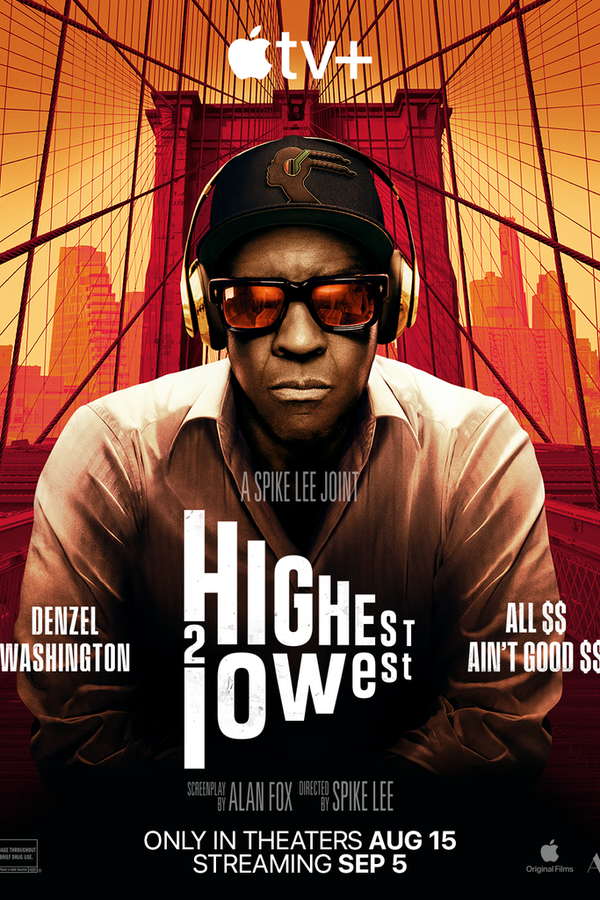
Highest 2 Lowest (2025) movie poster

Ending Explained

Highest 2 Lowest (2025) Ending Explained – Final Scene & Meaning

Release, runtime and language
2025 · 2 h 13 m · English
Echo score 74
JustWatch #2,482 19
Directed by
Spike Lee
Starring
Anthony Ramos, Dean Winters, Jeffrey Wright, Rosie Perez, Aubrey Joseph, Denzel Washington
Budget
$25M

A powerful music mogul renowned for having the “best ears in the business” (played by Denzel Washington) becomes the target of a ruthless ransom scheme. As the kidnappers close in, he is forced into a life‑or‑death moral dilemma, wrestling with his principles while trying to protect those he loves and preserve his empire.

On this page (7)
  1. 1 Where to watch
  2. 2 What happens at the end
  3. 3 Final events in order
  4. 4 Ending questions answered
  5. 5 Movie threads
  6. 6 Movies like Highest 2 Lowest
  7. 7 Every angle

Where to watch

Where to Watch Highest 2 Lowest (2025)

Where can you watch Highest 2 Lowest? Stream, rent or buy it in the US, including on Apple TV: current JustWatch availability with up-to-date prices.

Streaming availability powered by JustWatch

Ending explained · contains spoilers

What Happens at the End of Highest 2 Lowest?

How Highest 2 Lowest (2025) ends, what the final scene means, which earlier moments set it up and how to read the ending if the film leaves it open. The full ending explained, with every spoiler.

David King’s desperate scramble to rescue what he thinks is his kidnapped son ends up exposing a far more tangled web of class tension and misplaced priorities. When the ransom call arrives, David rushes to pay the $17.5 million, believing he is saving Trey. The police, spurred by the King family’s fame, swarm the house and focus their suspicion on Paul Christopher—David’s childhood friend and chauffeur—because of Paul’s criminal record and, overtly, his Muslim faith. The detectives never consider that the boy might have simply run away on his own.

In fact, Trey never vanished. He had left the basketball gym early, handed his green headband to his best friend Kyle, and later discovered Kyle missing. The kidnappers, mistaking Kyle for Trey, abducted the chauffeur’s son. When Kyle is rescued, the ransom demand suddenly shifts from “my son” to “my friend’s son,” forcing David to confront the stark financial divide between his opulent world and Paul’s modest life. He hesitates, realizing that the money he borrowed to buy out his partner would be lost, and that paying the ransom would reward violent crime. Yet his public image—and the pressure from his wife Pam—pushes him to hand over the cash, even though Paul can’t possibly repay it.

The ransom exchange goes awry; the bag of cash disappears, and only a low‑level courier is caught. While recovering in the hospital, Kyle hums a line from a song he heard while captive. That lyric belongs to a rising rapper‑singer, Yung Felon, whose work David has been scouting for his label. The recognition triggers David’s “golden ear” and points straight to the kidnapper. With Paul’s lingering connections to the street network, they trace Yung Felon’s hideout. In a tense showdown, David and Paul—both armed—confront the young artist. Yung fires, wounding Paul, then flees onto a train. David pursues, subdues him, and the police haul him in.

During the arrest, Yung explains his motive: he idolized David, wanted a chance to audition his music, and, frustrated by endless rejection and the glossy lives flaunted online, decided to force a meeting by kidnapping Kyle. Ironically, the publicity from the crime catapults his tracks to the top of the charts, granting him the fame he craved—but at a steep price. He accepts a plea deal, a 25‑year prison sentence, and spitefully hopes David will sign him after his release. David, however, refuses both the money and the moral compromise, turning Yung away.

The fallout forces David to reevaluate his ambition to buy out his partner, Patrick Bethea, and become the majority shareholder of Stackin’ Hit Records. The ransom money erodes the loan he’d taken for that purpose, and his investors demand repayment within a week. Realizing that his pursuit of corporate dominance has alienated his family and clouded his love for music, David sells his stakes in the label and launches a modest, family‑run venture. He invites Pam and Trey to take active roles, offers Paul and Kyle modest positions (which Paul declines, preferring a different path), and begins scouting genuinely overlooked talent.

The film closes on a quiet moment: a young singer named Sula performs a soulful demo for David. Moved by her authentic voice—precisely the type of artist the profit‑driven industry neglects—David signs her as the first act of his new label, symbolizing a return to artistic integrity and a reconnection with the community he once set aside. In the end, the “highest” ambitions are humbled by the “lowest” realities, and David chooses a path grounded in genuine music rather than relentless profit.
Last updated: September 19, 2025 at 06:55

Was this helpful?

The last 4 events

How Highest 2 Lowest Ends: The Final Events in Order

The last events of Highest 2 Lowest (2025) in chronological order, the run-up to the ending explained above. The complete timeline has all 11 events, scene by scene.

Open the full timeline
  1. A lead points to Yung Felon

    Kyle cannot identify his kidnapper, but he recalls hearing a distinctive hip-hop track. King, listening to Trey's playlist of demos, recognizes the song as associated with Yung Felon and surmises the artist's involvement. The police dismiss the lead, prompting King and Paul to pursue the lead themselves.

    When
    Following ransom aftermath
    Where
    King's home and car; Felon's address
  2. Confrontation at the studio; chase on the elevated train

    King and Paul track down Yung Felon to his recording studio. In an impromptu rap battle, Felon explains he saw King as a father figure and kidnapped Trey out of spite. A gunfight erupts, Felon flees onto an elevated subway train, and King pursues him onto the platform, ultimately subduing him.

    When
    Night
    Where
    Felon's recording studio; elevated subway
  3. Felon takes a plea; King refuses to sign

    Felon accepts a 25-year prison sentence as part of a plea deal, agreeing to meet with King face-to-face. During the meeting, Felon tries to persuade King to sign him to the label, arguing they could both profit. King reveals he has left Stackin' Hits to form a smaller label and passes on Felon's offer.

    When
    Shortly after capture
    Where
    Prison / meeting location
  4. Sula debuts on the new label

    Back at the penthouse, the Kings audition Sula, a young singer-songwriter discovered by Trey. Her performance of Highest 2 Lowest wows them, and they offer her a contract with the new smaller label. The moment signals a fresh start for Kings' music venture.

    When
    End
    Where
    Dumbo penthouse

Ending questions answered

Highest 2 Lowest Ending: Your Questions Answered

The questions people ask most about the ending of Highest 2 Lowest (2025): what the final scene means, how the twist works, what happens to each character and how to read the ending. Each answer contains spoilers.

Q1

Why does David pay $17.5 million for Kyle instead of his own son?

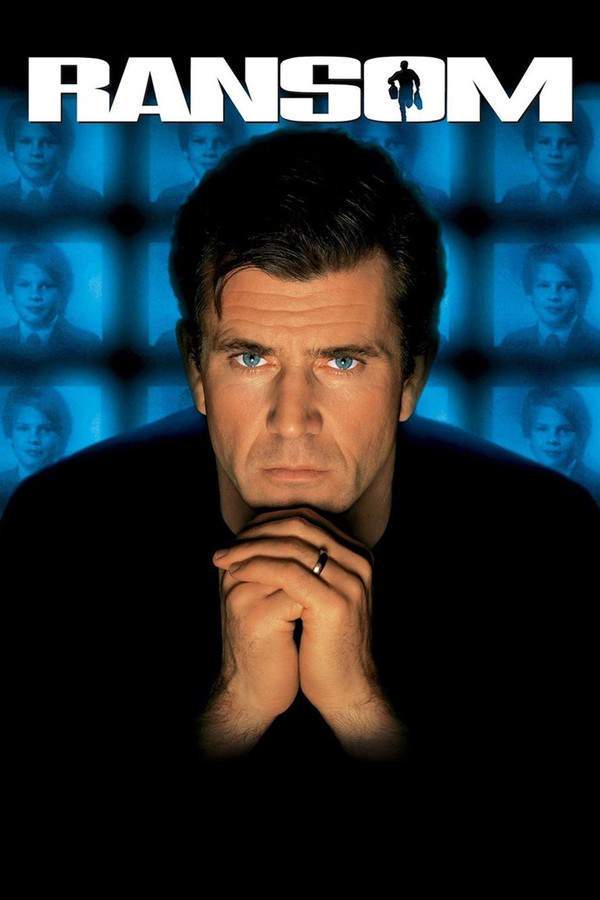
When the ransom call comes, David believes Trey has been kidnapped. However, the kidnappers actually abducted Kyle (Paul Christopher's son), mistaking him for Trey after seeing the boys together at the basketball gym. Once Kyle is rescued and the truth emerges that Trey simply ran away, David faces a moral dilemma: the ransom demand shifts to "my friend's son." Despite knowing Paul can't repay him and that paying rewards violent crime, David complies, partly due to pressure from his wife Pam and partly to protect his public image as a family man.

  • ransom
  • kyle
  • paul christopher
  • money
  • pay
  • confusion
Q2

What is Yung Felon's motive for the kidnapping?

Yung Felon, a rising rapper-singer, kidnapped Kyle to force a meeting with David King. Despite idolizing David and his legendary "golden ear" for talent, Yung Felon had been endlessly rejected from auditions. Frustrated by constant rejection and the glossy, unattainable lifestyles flaunted online by wealthy artists, he decided kidnapping was the only way to get David's attention. He never intended to harm Kyle, he simply wanted a chance to prove himself.

  • yung felon
  • motive
  • kidnapping
  • rejection
  • fame
Q3

Why does David refuse to sign Yung Felon after his arrest?

After Yung Felon is caught and accepts a plea deal for 25 years in prison, he spitefully tells David he'll sign him after his release. David flatly refuses, both the money and the moral compromise. This decision represents David's complete rejection of the transactional, exploitation-driven approach to music that Yung Felon's crime embodies. By turning Yung away, David chooses artistic integrity over profit, signaling his transformation from ruthless mogul to principled label owner.

  • yung felon
  • sign
  • refuse
  • prison
  • contract
Q4

What happens to David's record label at the end of the movie?

David ends up selling his stakes in Stackin' Hit Records. The ransom money he borrowed to buy out his partner Patrick Bethea was never repaid, and investors demand repayment within a week. Rather than pursue the corporate dominance that had alienated his family, David lets go of his empire. He launches a modest, family-run venture instead, inviting his wife Pam and son Trey to take active roles.

  • stackin hit records
  • label
  • sell
  • stakes
  • business
Q5

Why does David choose to start a new label instead of keeping his empire?

The kidnapping crisis forces David to confront what his pursuit of corporate dominance has cost him: his family's love and his genuine passion for music. The ransom payment depletes his resources, but more importantly, the experience reveals how his ambition corrupted his values. He realizes the profit-driven music industry has made him lose touch with authentic talent. By starting fresh with a family-run label, David chooses artistic integrity and personal relationships over relentless profit.
  • new label
  • family
  • integrity
  • music
  • ambition
Q6

Who is Sula and why is her signing significant?

Sula is a young singer who performs a soulful demo for David in the final scene. Her signing marks the culmination of David's transformation, it symbolizes his return to discovering and nurturing authentic talent rather than chasing commercial success. David explicitly seeks overlooked artists that the profit-driven industry neglects. Sula represents the kind of voice David once would have missed while focused on buying out partners and expanding his empire.

  • sula
  • signing
  • artist
  • voice
  • new label
Q7

Why does Paul decline David's job offer at the end?

After the crisis, David offers Paul and Kyle modest positions at his new label. Paul declines, preferring to take a different path. This reflects Paul's desire to maintain independence from David after being wrongly suspected by police due to his criminal record and Muslim faith. The film highlights the class divide between their worlds, Paul doesn't want to be beholden to David, even as gratitude might suggest otherwise.

  • paul
  • offer
  • decline
  • job
  • independence
Q8

Why do the police suspect Paul Christopher of the kidnapping?

The police immediately focus suspicion on Paul, David's childhood friend and chauffeur, because of his criminal record and, overtly, his Muslim faith. The detectives never seriously consider that Trey might have simply run away. This reflects the film's commentary on racial and religious profiling, as Paul becomes a suspect despite having nothing to do with the actual kidnapping.

  • paul christopher
  • police
  • suspect
  • racial profiling
Q9

What happens to Yung Felon after the confrontation?

Yung Felon is arrested after David subdues him on the train. He accepts a plea deal receiving a 25-year prison sentence. Ironically, the publicity from the crime actually catapults his tracks to the top of the charts, he gains the fame he craved, but at the cost of his freedom. Despite his imprisonment, he maintains his belief that David should sign him after release.

  • yung felon
  • arrest
  • sentence
  • prison
  • charts
  • fame
Q10

How does Kyle's humming help identify the kidnappers?

While recovering in the hospital, Kyle hums a line from a song he heard while captive. That lyric belongs to Yung Felon, a rising rapper whose work David had been scouting for his label. The recognition triggers David's "golden ear" and points directly to the kidnapper. This clue, combined with Paul's street connections, allows them to trace Yung Felon's hideout.
  • kyle
  • humming
  • song
  • yung felon
  • clue
  • identify
Q11

What happens to the ransom money during the exchange?

During the ransom exchange, the bag of cash disappears and only a low-level courier is caught. This failed exchange sets in motion the chain of events that leads to David's confrontation with Yung Felon, the money's disappearance ultimately forces David to pursue the case personally rather than rely on police recovery.

  • ransom
  • money
  • exchange
  • disappear
  • courier
Q12

How does the ending resolve the class tension between David and Paul?

The ending leaves the class tension partially resolved but acknowledges its complexity. David offers Paul and Kyle positions at his new label, but Paul declines, choosing independence. The film shows David recognizing the financial divide, he hesitates before paying ransom for a friend's son, knowing Paul can never repay $17.5 million. Yet the resolution comes through David's transformation rather than reconciliation: he shifts from extractive mogul to community-grounded mentor, inviting those he once overlooked into his new venture.

  • class
  • tension
  • paul
  • david
  • resolution
  • divide

Movie threads

More Movies Like Highest 2 Lowest, by Mood & Story

Curated lists built around what makes Highest 2 Lowest tick: the same mood, the same kind of story or the same emotional payoff. Each list explains why these movies belong together.

Movies with desperate urban choices like Highest 2 Lowest

When a single desperate choice puts everything you value on the line. If you liked the intense moral crisis in Highest 2 Lowest, explore other movies where characters face high-stakes dilemmas in a modern city. These films share a similar gripping, high-intensity vibe, blending crime thrillers with heavy emotional choices.

  • high-stakes
  • moral conflict
  • desperate
  • gripping
  • urban thriller
  • tense
  • Tone: tense, desperate, confrontational
  • Pacing: fast, urgent
Why these movies?

The story pattern: The narrative typically begins with a sudden, catastrophic event that forces a protagonist to weigh their principles against their survival or the safety of others. The plot is driven by the immediate repercussions of their choice, leading to a tense investigation or confrontation that peels back the layers of their world, often revealing societal tensions like class disparity.

Why they belong together: These films are grouped together because they deliver a specific, intense viewing experience defined by urgent moral conflict, fast-paced urban thrillers, and a heavy emotional weight centered on sacrifice and consequence.

Stories with costly victories like Highest 2 Lowest

Victories that taste like ash, but offer a path to a new beginning. Fans of the bittersweet ending in Highest 2 Lowest will appreciate these movies about pyrrhic victories. Discover similar drama and crime films where characters lose everything but gain a fragile new start, blending heavy emotional themes with a complex ending feel.

  • bittersweet
  • redemption
  • heavy
  • consequences
  • sacrifice
  • fatherhood
  • Tone: bittersweet, heavy, contemplative
  • Pacing: fast-paced build, reflective ending
Why these movies?

The story pattern: The narrative arc follows a fall from grace. The protagonist, through their actions to resolve a central conflict, sacrifices their external markers of success (career, power, wealth). The closure comes not from restoring the old order, but from accepting the loss and finding value in what remains, typically personal relationships or integrity.

Why they belong together: These movies share a distinct emotional pattern: a heavy journey concluding with a bittersweet payoff. The focus is on the thematic weight of consequences and the nuanced feeling of a win that is also a profound loss, creating a memorable and thought-provoking experience.

High-Stakes Ransom Thrillers like Highest 2 Lowest

Movies where a ticking clock forces a desperate negotiation for a life. If you liked the urgent, life-or-death negotiation in Highest 2 Lowest, you'll find similar tense experiences here. These movies focus on kidnapping plots, ransom demands, and the immense pressure on those forced to pay, delivering gripping, fast-paced stories with heavy emotional stakes.

  • tense
  • urgent
  • gripping
  • anxious
  • high-stakes
  • desperate
  • Tone: tense, anxious
  • Pacing: fast, urgent
Why these movies?

The story pattern: The narrative is typically a race against time, structured around the demands of the kidnappers. It follows the protagonist's frantic efforts to gather resources, outmaneuver the criminals, and survive the psychological torment, often culminating in a tense final exchange or confrontation.

Why they belong together: These movies are grouped by their core plot engine: a ransom scenario. They share a high-tension, fast-paced vibe, a focus on moral dilemmas under pressure, and the emotional weight of valuing a life against material cost, creating a consistently gripping and anxious viewing experience.

Movies with Bittersweet Endings like Highest 2 Lowest

Stories where survival comes at the price of a shattered dream. Fans of the costly resolution in Highest 2 Lowest will appreciate these films. They feature heavy moral choices where characters secure a hopeful future, but only after sacrificing their empire or ambition, leading to endings that are both cathartic and emotionally complex.

  • moral conflict
  • cathartic
  • reflective
  • heavy
  • sacrifice
  • redemption
  • Tone: tense, bittersweet
  • Pacing: variable, often fast-paced crisis leading to a slower resolution
Why these movies?

The story pattern: The journey involves a protagonist facing a severe threat to their loved ones or principles. To achieve a resolution, they must willingly surrender a core part of their identity or success. The arc concludes with a mix of relief for survival and melancholy for what was lost, emphasizing the weight of their decision.

Why they belong together: These films are united by their emotional and narrative arc: a high-stakes conflict resolved through a major personal sacrifice, resulting in a bittersweet ending. They balance heavy emotional weight with a tone that is both tense during the crisis and reflective in the resolution, appealing to viewers who appreciate complex, morally grey conclusions.

If you liked this

Movies Like Highest 2 Lowest

Similar movies to Highest 2 Lowest: the same genre, themes or kind of story. Each one comes with its own plot summary, timeline and ending explained.

Browse all movie summaries

Every angle

Highest 2 Lowest (2025) Explained: Plot, Ending, Timeline & Characters

Everything about Highest 2 Lowest in one place: what happens in the plot summary, the timeline in chronological order, the characters and meaning, the ending explained and a spoiler-free summary. What's After the Movie adds the cast, box office and post-credit scenes.

Coming soon on iOS and Android

The Plot Explained Movie Summary App

Plot summaries, endings explained and timelines on your phone. Catch up on any movie in minutes, save your favorites and never miss a twist again.

Be the first to know when we launch. Your email stays private, always.

Learn more about the app