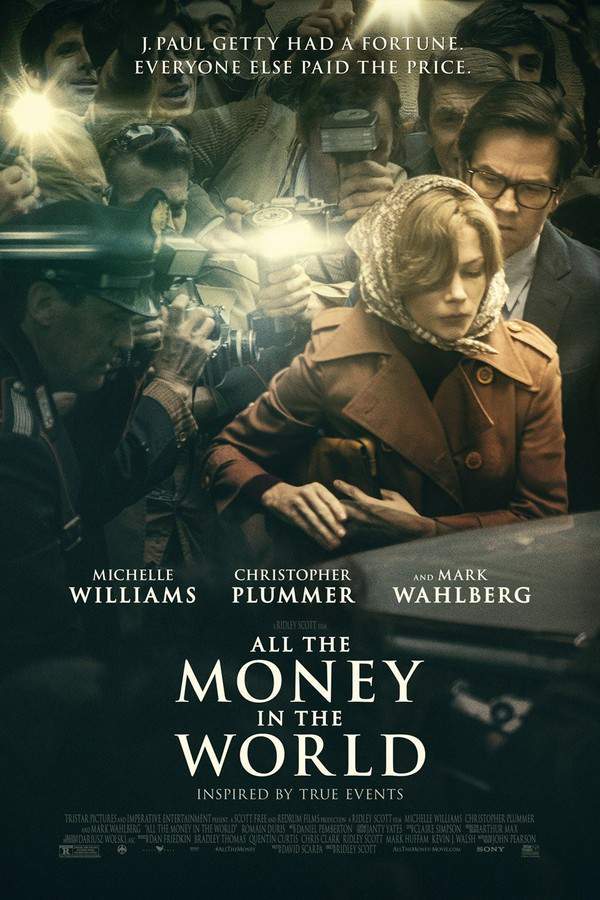
All the Money in the World
 #5,4605
 Year: 2017
Runtime: 132 min
Language: English
Director: Ridley Scott
Echo Score: 70Budget: $50M
A mother's fierce determination is pushed to its limits when her teenage son is abducted. She must persuade her wealthy grandfather to meet the kidnappers' demands and secure his release. Navigating a dangerous situation and facing ruthless adversaries, Gail confronts the complexities of family, loyalty, and the true value of love in the face of unimaginable pressure.
Where to Watch All the Money in the World?
Find where to stream, rent, or buy All the Money in the World (2017) in the US with current JustWatch availability, up-to-date pricing, and platform listings for subscription, rental, and digital purchase options.









Warning: spoilers below!
Haven’t seen All the Money in the World yet? This summary contains major spoilers. Bookmark the page, watch the movie, and come back for the full breakdown. If you're ready, scroll on and relive the story!
All the Money in the World (2017) – Full Plot Summary & Ending Explained
Read the complete plot breakdown of All the Money in the World (2017), including all key story events, major twists, and the ending explained in detail. Discover what really happened, and what it all means.
In 1973, 16-year-old J. P. "Paul" Getty III (Charlie Plummer), the grandson of oil magnate J. Paul Getty (Christopher Plummer), finds himself in a dire situation when he is kidnapped in Rome by a ruthless organized crime group. At the time, Getty was the wealthiest private citizen globally, having made his fortune in Saudi Arabia by negotiating oil rights and constructing a supertanker to transport it, amassing over $1 billion by 1965.
Through a series of flashbacks, we discover that Paul's parents, Gail Harris (Michelle Williams) and John Getty Jr. (Andrew Buchan), once led a happy life in the U.S. However, when John loses his job, Gail encourages him to reach out to Getty for help. This correspondence results in Getty offering John a position at Getty Oil and revealing a keen interest in grooming Paul to be just as ruthless as himself. His first gift to Paul, an Egyptian Minotaur sculpture worth $1.2 million, showcases his extravagant nature, as Paul naively mistakes it for a toy and is astonished to learn its true value.
As time passes, John's personal struggles, including a painful descent into drug addiction and infidelity, strain their marriage, culminating in Gail filing for divorce in 1971. Having declined alimony in favor of sole custody of her children, Gail finds herself in a position where she cannot afford the $17 million ransom demanded by Paul's kidnappers.
The kidnapping ordeal intensifies on July 10th, 1973, when Getty is informed by his secretary Nancy (Stacy Martin), who tries to get him to listen to Gail's pleas for help, but Getty coldly dismisses her request. He publicly declares that paying ransoms would only encourage more kidnappings, despite having 14 grandsons himself. This lack of empathy feeds public suspicion and media scrutiny, with many believing Gail is wealthy and thus criticizing her for refusing to pay.
In step Fletcher Chase (Mark Wahlberg), a negotiator for Getty Oil and former CIA operative, who is assigned to investigate the abduction and secure the boy's release. Getty instructs Chase to shield Gail from the grim realities of the situation. Frustrated but determined, Chase attempts to reassure Gail that acting impulsively may endanger Paul further.
Meanwhile, Paul endures a harrowing captivity in a hideout in Calabria, Southern Italy. His captors, especially Cinquanta (Romain Duris), initially tolerate him due to his calm demeanor. However, as weeks drag on without ransom payment, the tension escalates. In a tragic turn, one kidnapper is killed after exposing his identity to Paul, and despite attempts to locate him, a mistaken identification of a deceased body nearly ignites hope before Gail identifies it as not being her son.
Chase's investigative skills eventually lead to the location of Paul's captors, but a raid reveals that he has since been sold to another crime organization who demand even higher ransom payments. The situation becomes dire when one of Paul's ears is mutilated and sent to a newspaper with threats of further harm unless payment is made.
Despite her struggle, Gail manages to gather the ransom required, and with Chase's assistance, lays out a plan to retrieve her son. Ultimately, after much negotiation and facing heartbreak, Getty agrees to pay only $1 million, leaving the weight of the remaining ransom on Gail's shoulders. In a desperate bid, she signs over parental rights, knowing she provides custody to Getty's son.
The climax of this emotional saga occurs when the ransom exchange takes an unexpected turn. As Paul tries to escape his captors during the tense negotiations, he crosses paths with both Chase and Gail. They manage to slip him out of danger, ultimately bringing him back to safety. Tragically, J. Paul Getty passes away in 1976, and Gail takes on the responsibility of managing her children's inherited wealth, which she starts converting into a charitable trust aimed at preserving the family's legacy. Most of the substantial artifacts and artworks that Getty had acquired over the years are eventually organized for sale, many of which now embody the vast collection at the Getty Museum in Los Angeles.
Last updated: November 04, 2024 at 00:53
All the Money in the World (2017) Plot Questions Answered – Summary FAQ
Explore frequently asked questions about All the Money in the World (2017) with spoiler-rich answers covering the full plot summary, major story beats, character motivations, hidden details, and ending meaning. This movie summary FAQ helps explain confusing scenes, plot twists, and narrative decisions in clear, searchable detail.
Why did J. Paul Getty refuse to pay the ransom?
J. Paul Getty believed that paying ransoms would encourage more kidnappings. Despite being the wealthiest man in the world with 14 grandsons, he coldly dismissed Gail's pleas for help. He only agreed to pay $1 million of the $17 million ransom, and even then, only after Gail signed over parental rights of her children to Getty's son, making him legally responsible for the remaining amount.
Why did Gail sign over parental rights to Getty?
Gail signed over parental rights to reduce the amount she needed to raise to pay the kidnappers. With Getty refusing to pay more than $1 million, she was responsible for coming up with the remainder of the ransom. By signing over custody of her children to Getty's son, she transferred the financial burden to the Getty family while still ensuring Paul would be rescued.
How was Paul Getty III finally rescued?
Paul was rescued during the ransom exchange in Italy. After Getty agreed to pay $1 million, Gail and negotiator Fletcher Chase orchestrated the handover. During the tense exchange, Paul attempted to escape from his captors and managed to slip away. He encountered both Chase and Gail, who helped him escape to safety.
What happened to Paul Getty III's ear?
One of Paul's ears was mutilated by his captors and sent to a newspaper as a threat to pressure the family into paying the ransom. This gruesome act was meant to demonstrate that the kidnappers were serious about harming Paul if their demands were not met.
Why was a dead body mistaken for Paul?
After weeks of captivity without ransom payment, tension among the kidnappers escalated. One kidnapper was killed after accidentally exposing his identity to Paul. The body of this dead kidnapper was later found and mistakenly identified as Paul's, briefly giving Gail hope before she confirmed the body was not her son.
What was Fletcher Chase's role in the rescue?
Fletcher Chase was a Getty Oil negotiator and former CIA operative assigned by J. Paul Getty to handle the abduction. His tasks included investigating the kidnapping, locating Paul's captors, and keeping Gail shielded from the grim realities of the situation. He ultimately helped orchestrate the rescue plan and was present during the ransom exchange.
Why did Getty agree to pay only $1 million?
Getty remained firm in his belief that paying the full ransom would invite future kidnappings. After intense negotiations and with Gail desperate to save her son, he agreed to pay $1 million as a loan to Paul (which would later be deducted from his inheritance), leaving Gail responsible for securing the remaining ransom through her own means.
Why did Gail divorce John Getty Jr.?
Gail divorced John Getty Jr. in 1971 after he lost his job and fell into drug addiction and infidelity. The marriage deteriorated under these pressures, and Gail filed for divorce seeking sole custody of her children. She declined alimony in favor of full custody, which left her financially vulnerable when Paul was kidnapped.
Why was J. Paul Getty interested in Paul?
J. Paul Getty saw potential in Paul to become as ruthless and successful in business as himself. From an early age, he groomed Paul by giving him expensive gifts, including a $1.2 million Egyptian Minotaur sculpture. This interest in shaping Paul into his successor was evident even in Paul's childhood.
What happened to Getty's collection after his death?
After J. Paul Getty's death in 1976, Gail managed her children's inherited wealth and began converting it into a charitable trust. Many of the significant artifacts and artworks Getty had collected over the years were sold, and many now form part of the Getty Museum collection in Los Angeles.
How did investigators locate Paul's captors?
Fletcher Chase's investigative skills eventually led to the location of Paul's captors in Calabria, Southern Italy. However, by the time authorities raided the hideout, Paul had already been sold to another crime organization that demanded an even higher ransom.
Earlier scenes showed Chase gathering intelligence about the kidnapping network.
What was Nancy's role in the story?
Nancy was J. Paul Getty's secretary who attempted to get him to listen to Gail's pleas for help after Paul was kidnapped. She informed Getty of the situation on July 10, 1973, but Getty coldly dismissed the request for ransom payment through her.

Explore Movie Threads
Discover curated groups of movies connected by mood, themes, and story style. Browse collections built around emotion, atmosphere, and narrative focus to easily find films that match what you feel like watching right now.
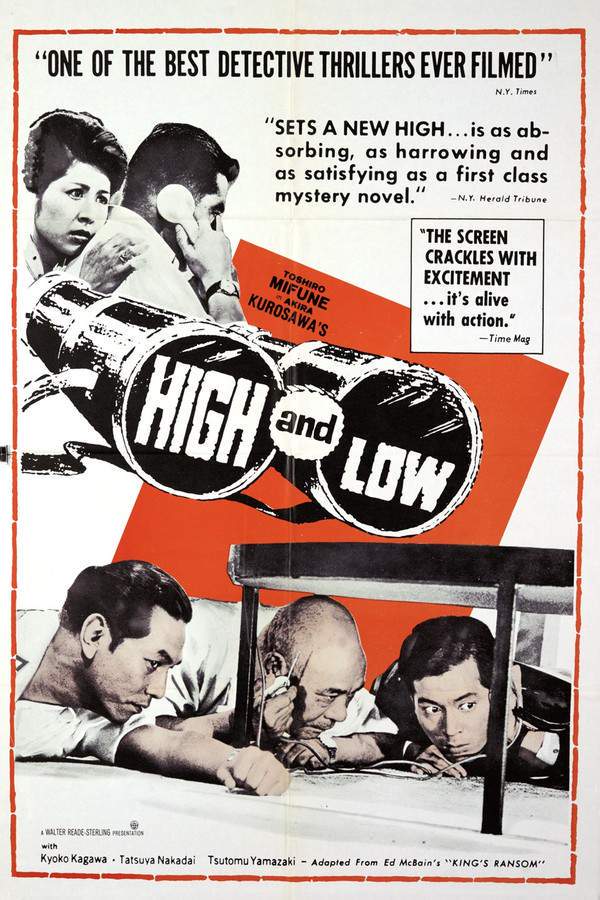
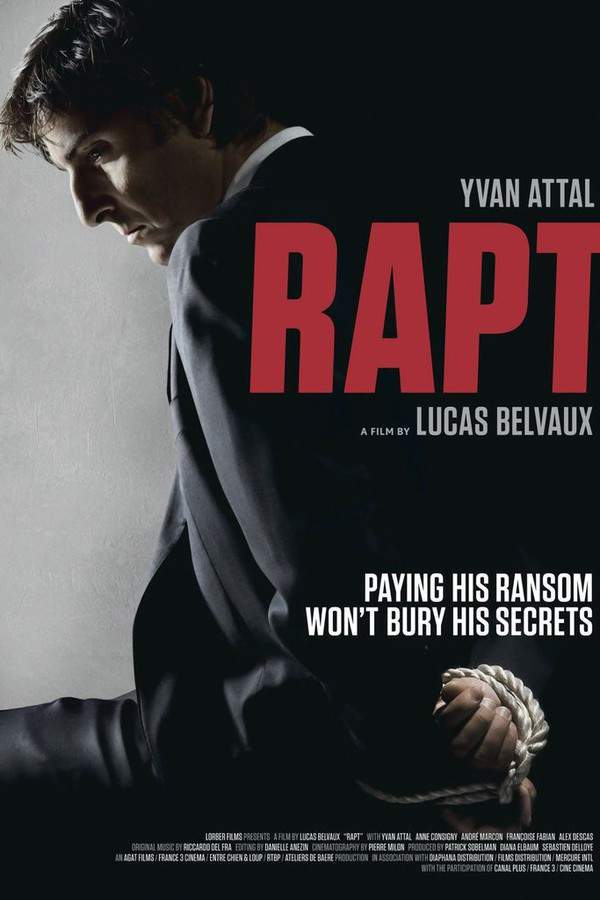
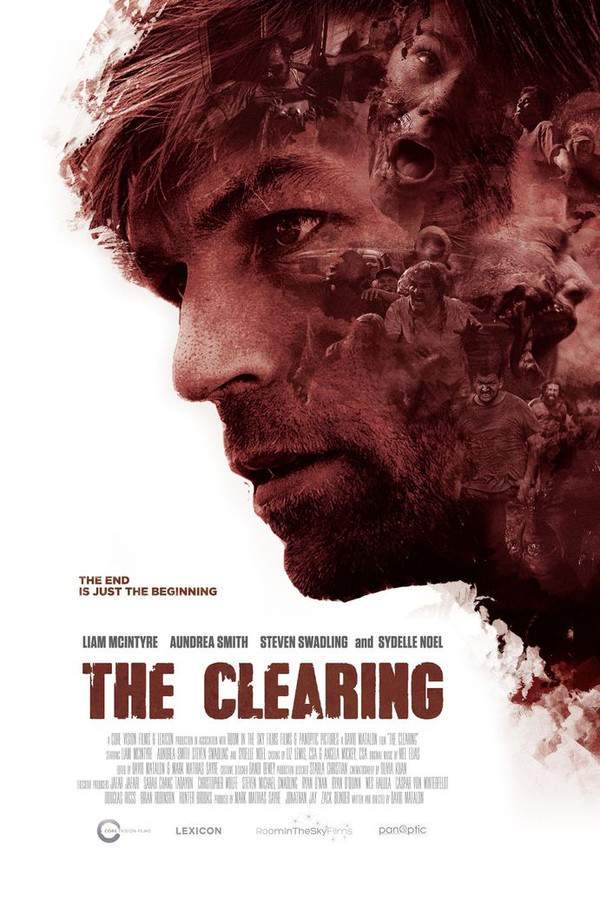
High-Stakes Crisis Thrillers like All the Money in the World
Intense stories where desperate negotiations collide with cold-hearted power.Discover movies like All the Money in the World featuring tense, real-world crises, difficult negotiations, and heavy emotional stakes. If you enjoyed the gripping suspense and desperate parental struggle against a backdrop of greed, these similar thrillers will keep you on the edge of your seat.








Narrative Summary
The narrative typically follows a linear, steady-paced race against time. A protagonist, often a family member, must navigate a dangerous situation against adversaries who are ruthless and calculating. The central conflict is as much psychological—battling a powerful, unsympathetic opposition—as it is physical, creating a claustrophobic and harrowing journey.
Why These Movies?
These movies are grouped by their shared high intensity and tense tone, focusing on life-or-death stakes that create a consistently anxious and gripping mood. They explore themes of survival, moral dilemmas, and the chilling impact of greed or power on human lives.
Dysfunctional Family Dramas about Wealth like All the Money in the World
Stories where extreme wealth corrupts family bonds and leads to trauma.Explore movies similar to All the Money in the World that delve into family conflict driven by greed and wealth disparity. If you were captivated by the cold-hearted grandfather and the mother's desperate struggle, these dramas explore the toxic dynamics and moral compromises within powerful, broken families.

Conflict of Interest
1993

Christian Brothers
2011

The Inheritance
2004
Khudgarz
1987
All the Money in the World
2017
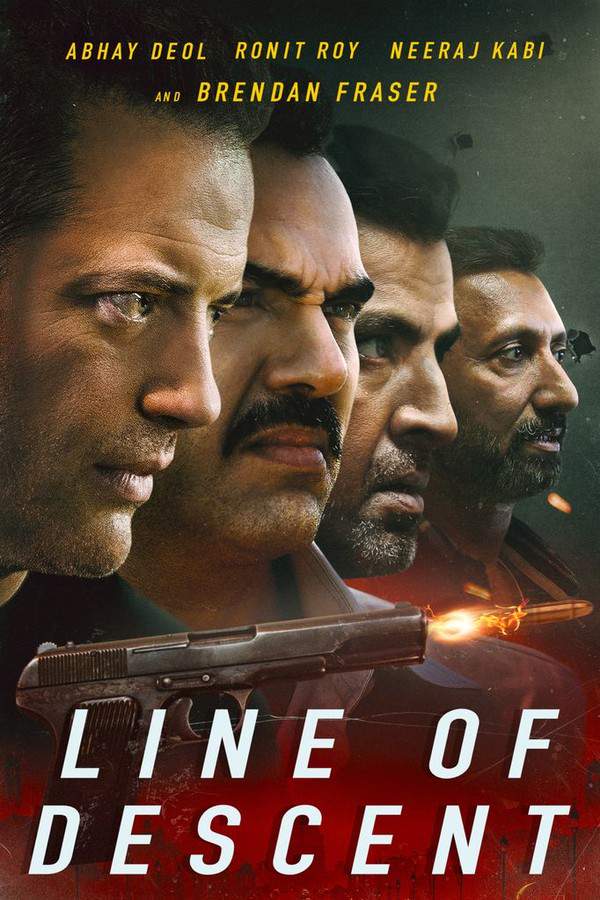
Line of Descent
2019

Terror in the Family
1996

Folks
2012

Lucky Baskhar
2024

Island of Greed
1997

Troubled Waters
2006

High Society
2017
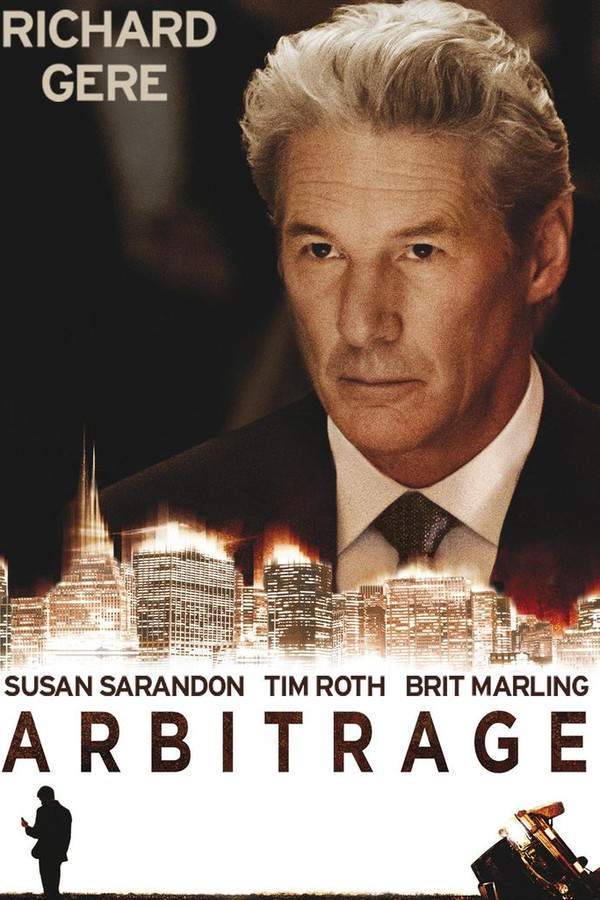
Arbitrage
2012

Brothers
2015

The Mother of All Lies
2024
Narrative Summary
The narrative often uses a moderate level of complexity, possibly with flashbacks, to unravel the history of familial resentment and financial control. The central arc involves a protagonist challenging a powerful, miserly patriarch, leading to a confrontation that reveals deep moral flaws and results in a resolution that is more about survival and complicated legacy than happily-ever-after.
Why These Movies?
These films share a heavy emotional weight and a tense, often cold tone. They are united by their exploration of wealth disparity as a central conflict, the theme of familial betrayal, and a pervasive mood of desperation and moral unease, often culminating in a bittersweet conclusion.
Unlock the Full Story of All the Money in the World
Don't stop at just watching - explore All the Money in the World in full detail. From the complete plot summary and scene-by-scene timeline to character breakdowns, thematic analysis, and a deep dive into the ending - every page helps you truly understand what All the Money in the World is all about. Plus, discover what's next after the movie.
All the Money in the World Timeline
Track the full timeline of All the Money in the World with every major event arranged chronologically. Perfect for decoding non-linear storytelling, flashbacks, or parallel narratives with a clear scene-by-scene breakdown.

Characters, Settings & Themes in All the Money in the World
Discover the characters, locations, and core themes that shape All the Money in the World. Get insights into symbolic elements, setting significance, and deeper narrative meaning - ideal for thematic analysis and movie breakdowns.


Similar Movies to All the Money in the World
Discover movies like All the Money in the World that share similar genres, themes, and storytelling elements. Whether you’re drawn to the atmosphere, character arcs, or plot structure, these curated recommendations will help you explore more films you’ll love.
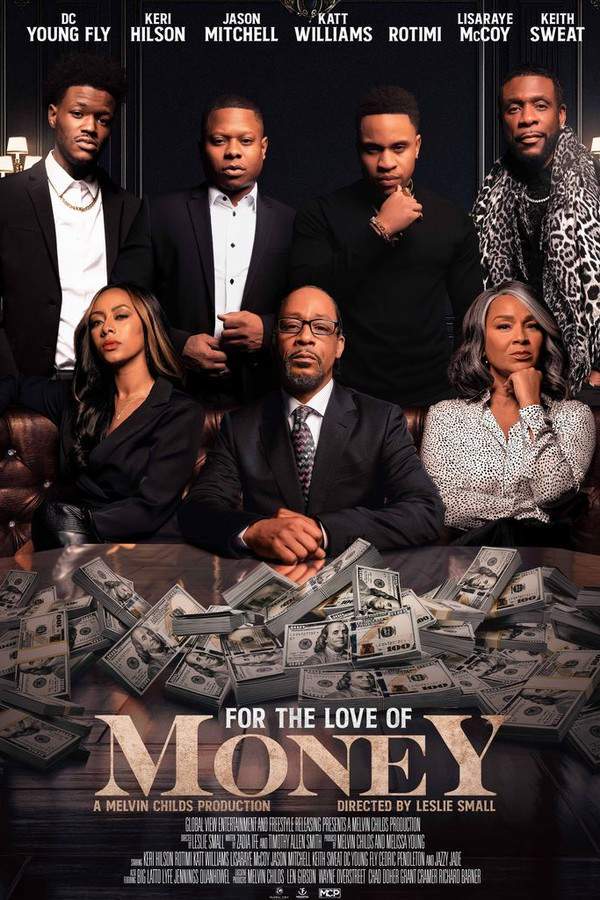
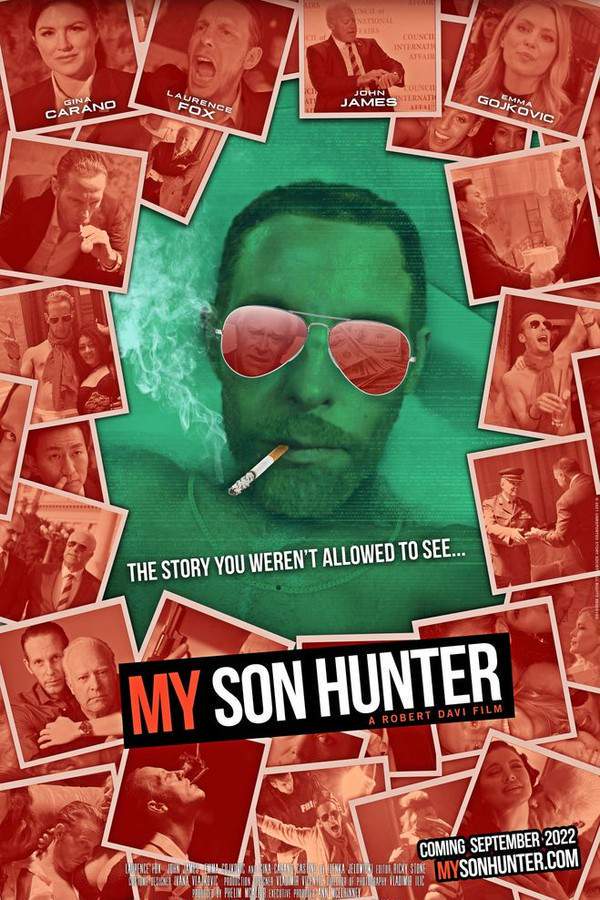





Explore More About Movie All the Money in the World
All the Money in the World (2017) Scene-by-Scene Movie Timeline
All the Money in the World (2017) Movie Characters, Themes & Settings
All the Money in the World (2017) Spoiler-Free Summary & Key Flow
Movies Like All the Money in the World – Similar Titles You’ll Enjoy
For the Love of Money (2021) Film Overview & Timeline
My Son (2021) Story Summary & Characters
Stolen (2010) Ending Explained & Film Insights
Money Monster (2016) Full Movie Breakdown
Ransom (1996) Full Movie Breakdown
Stolen (2012) Detailed Story Recap
All About the Money (2017) Ending Explained & Film Insights
Extortion (2017) Complete Plot Breakdown
Money (2017) Detailed Story Recap
Secuestro (2005) Movie Recap & Themes
Money (1991) Complete Plot Breakdown
Ransom (1974) Plot Summary & Ending Explained
Ransom! (1956) Detailed Story Recap
Ransom (1977) Ending Explained & Film Insights
Snatched (1973) Spoiler-Packed Plot Recap