Plot Explained Spoilers guaranteed!
Plot Explained

Browse by genre

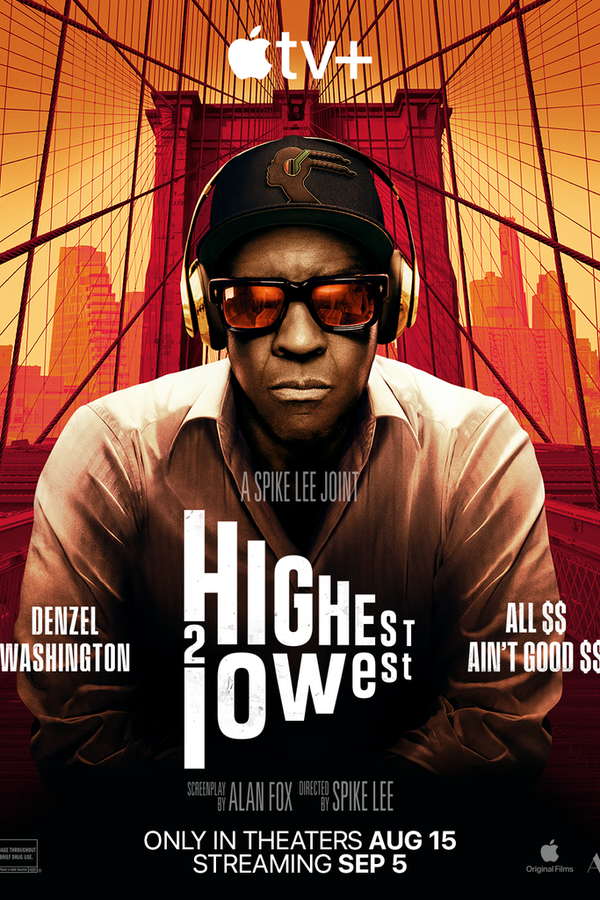
Highest 2 Lowest (2025) movie poster

Plot Summary

Highest 2 Lowest (2025) Plot Summary & Ending Explained

Release, runtime and language
2025 · 2 h 13 m · English
Echo score 74
JustWatch #2,468 7
Directed by
Spike Lee
Starring
Anthony Ramos, Dean Winters, Jeffrey Wright, Rosie Perez, Aubrey Joseph, Denzel Washington
Budget
$25M

A powerful music mogul renowned for having the “best ears in the business” (played by Denzel Washington) becomes the target of a ruthless ransom scheme. As the kidnappers close in, he is forced into a life‑or‑death moral dilemma, wrestling with his principles while trying to protect those he loves and preserve his empire.

On this page (7)
  1. 1 Where to watch
  2. 2 What happens: full plot
  3. 3 Plot questions answered
  4. 4 How it ends
  5. 5 Movie threads
  6. 6 Movies like Highest 2 Lowest
  7. 7 Every angle

Where to watch

Where to Watch Highest 2 Lowest (2025)

Where can you watch Highest 2 Lowest? Stream, rent or buy it in the US, including on Apple TV: current JustWatch availability with up-to-date prices.

Streaming availability powered by JustWatch

Full plot summary · contains spoilers

What Happens in Highest 2 Lowest: Full Plot Summary

The whole story of Highest 2 Lowest (2025) explained, from the opening scene to the final frame: every key event, every twist and what it all adds up to. Read it as a quick recap before the sequel, to check a scene you missed, or to finally understand what really happened.

David King Denzel Washington is a New York City music mogul, celebrated for having the best ears in the business and the founder of Stackin' Hits Records. After selling his majority stake years earlier, he plans to buy back control by purchasing one of his two partners’ shares. To raise the cash for the deal, he puts up most of his personal wealth—his Dumbo penthouse and a prestigious collection of contemporary Black art—collateralizing everything in a high-stakes bid to reclaim leadership of the label.

On the day the deal is set to close, an anonymous call from a kidnapper arrives, demanding 17.5 million Swiss-franc notes for the safe return of his son Trey. King immediately involves the authorities and, in a tense, practical moment with his wife Pam King Ilfenesh Hadera, agrees to pay the ransom, even though doing so risks the cash he needs for the business move. The plan is put into motion, and the couple wrestles with a moral and financial tightrope: save a child at the expense of a deal that could define Stackin’ Hits’ future.

The kidnapper’s misstep quickly becomes the turning point of the night. Trey’s best friend Kyle Christopher Elijah Wright is abducted instead of Trey—the son of King’s loyal driver and confidant Paul Christopher Jeffrey Wright. Kyle’s father is stunned by the swap, but the kidnapper’s demands remain the same: the money must be delivered in the exact form requested, and time is not on their side. The tension among the King household intensifies as Paul, who has kept the family rhythm and security intact, watches a crisis unfold that could tear apart both their personal life and business.

Detective Higgins Dean Winters leads the probe, weighing PR risk against the brutal arithmetic of ransom and repayment. Despite the public spectacle and the pressure from lenders who fear fraud—the money was supposed to go toward buying out partners, not saving a friend or family member—King’s resolve hardens. Trey and Paul both plead for help to save Kyle, and Pam’s support anchors King even as the clock ticks down. After a long night of soul-searching, King makes the fateful choice: pay the ransom.

The money is packed into an Air Jordan backpack, and the chase unfolds through the city. The police tag the bag with a GPS beacon and King boards a subway toward Yankee Stadium as instructed. A tense sequence follows: an order to move between train cars, an emergency brake triggered by a clever accomplice, and a bag that slips through ironwork to the street. A mopeds’ relay carries the bag through the streets as the group evades pursuit and the parade crowds, only to find that the bag’s contents have been cleaned out by the time the hunt resumes. Kyle is ultimately released in a nearby park, unharmed but shaken, and the public reaction to King’s decision swells into a wave of newfound heroism as a handful of Stackin’ Hits tracks begin climbing the charts.

Yet the practical implications of King’s actions loom large. Two weeks—two weeks—to repay the debt to lenders looms as a hard deadline, and they threaten to seize the collateral if the funds don’t materialize. The contract terms clash with the ransom action, revealing a friction between artistry, risk, and finance. The wrenching question remains: was the ransom a sacrifice King could justify to save a life, or a dangerous deviation that could undermine the company’s future and his own standing?

Kyle’s memory of a distinctive hip-hop track becomes a crucial clue. King, listening to a playlist of Trey’s demos, recognizes the song and deduces that the kidnapper is Yung Felon [A$AP Rocky], an aspiring rapper who idolizes the man he once ignored. When this lead reaches law enforcement, the case risks stalling, and King and Paul decide to press the matter themselves. They track down Felon’s address, a dangerous choice that pulls them into Felon’s orbit and into a dangerous confrontation. In a tense studio sequence, Felon defends his actions by explaining he saw King as a father figure who had ignored him for years, resorting to kidnapping as a misguided attempt to force a connection.

A gunfight erupts as Felon flees to an elevated subway platform. King pursues, and the confrontation spills onto the train, culminating in a moment where King incapacitates Felon, leaving him unconscious between train cars. The dramatic turn leaves Paul wounded in the process, his left eye injured in the firefight but alive, and the two men confronting the moral implications of what happened and what might come next.

Felon ultimately takes a plea deal, accepting a 25-year prison sentence in exchange for a face-to-face with King. Their meeting becomes a crucible for power, ambition, and recognition: Felon tries to convince King to sign him, arguing that both would profit greatly from an expanded, lucrative partnership. King, however, reveals a different path. He has left Stackin’ Hits to launch a smaller, more intimate label—one that could nurture artists with a closer, more personal touch. Felon’s anger registers in a burst of disappointment, underscoring the fraught relationship between industry power and genuine artistry.

Back at their gleaming penthouse, the Kings—David, Pam, and Trey—enter a new phase of their lives. They audition Sula, a young singer-songwriter discovered by Trey. Her performance of the song "Highest 2 Lowest" is a moment of revelation and possibility, the kind of moment that redefines a label’s future. The Kings are captivated by her voice and the raw honesty of her work, and they extend an invitation to sign her to their evolving, more intimate label.

Throughout the ordeal, the family dynamic remains a thread that ties the narrative together: a music empire built on trust and vision, tested by a dangerous act, and reimagined by the possibility of a more personal, artist-centered future. The story moves from high-stakes finance and public perception to intimate, creative risk, as the King family channels their experiences into a new chapter for Stackin’ Hits—one that honors their roots while inviting new voices into the fold. The result is a taut, emotionally driven portrait of ambition, loyalty, and the fragile balance between commerce and art.
Last updated: October 01, 2025 at 13:07

Was this helpful?

Plot questions answered

Highest 2 Lowest Plot Explained: Your Questions Answered

The questions people ask most about Highest 2 Lowest (2025): what happens in the confusing scenes, why the characters do what they do, the twists, hidden details and what the ending means. Each answer contains spoilers.

Q1

Why was Kyle kidnapped instead of Trey?

The kidnapper made a mistake and grabbed the wrong person. Kyle Christopher, Trey's best friend and son of King's driver Paul Christopher, was abducted while Trey remained safe at home. The kidnapper's error shifted the crisis to the inner circle of King's trusted household staff.

  • kidnapping mistake
  • Kyle Christopher
  • wrong target
  • Trey King
Q2

Why did Yung Felon kidnap Trey?

Yung Felon kidnapped Trey as a misguided attempt to get David King's attention. Felon, an aspiring rapper, idolized King and viewed him as a father figure who had ignored him for years. He resorted to kidnapping out of spite, wanting to force a connection with the man he felt had abandoned him.

  • Yung Felon motivation
  • A$AP Rocky character
  • kidnapping reason
  • father figure
Q3

What happened to the ransom money after it fell from the subway?

The ransom money was stolen during the chase sequence. Police attached a GPS beacon to the Air Jordan backpack containing the 17.5 million Swiss francs. As King moved through the subway toward Yankee Stadium, the bag fell through ironwork to the street, where it was seized by the kidnapper's accomplices on mopeds. By the time authorities recovered the bag, the money was gone.

  • ransom money
  • GPS tracker
  • subway chase
  • bag stolen
Q4

Why did David King agree to pay the ransom despite risking his business deal?

King chose to pay the ransom because his son Trey's life was at stake, and he could not ignore the pleas from both Trey and his loyal driver Paul Christopher. Despite knowing it would jeopardize the deal to buy back majority ownership of Stackin' Hits, the moral imperative to save a child Override his financial ambitions.

  • David King decision
  • ransom payment
  • moral dilemma
  • save child
Q5

Why did David King leave Stackin' Hits after the kidnapping?

After the traumatic ordeal, King chose to leave Stackin' Hits to launch a smaller, more intimate label focused on nurturing artists with a personal touch. The experience forced him to reevaluate what mattered most, shifting from aggressive business expansion to genuine artistic connection and mentorship.

  • Stackin' Hits
  • new label
  • David King career
  • artist development
Q6

What was the 17.5 million Swiss francs ransom used for originally?

The 17.5 million Swiss francs represented nearly all of King's personal wealth, which he had collateralized to fund buying back majority control of Stackin' Hits from his partners. The money came from his Dumbo penthouse and prestigious contemporary Black art collection, all pledged as collateral for the buyout deal.

  • Swiss francs
  • buyout deal
  • collateral
  • Stackin' Hits ownership
Q7

How did David King identify Yung Felon as the kidnapper?

Kyle, the kidnapped boy, remembered hearing a distinctive hip-hop track during his captivity. Later, while listening to Trey's demo playlist, King recognized the song and connected it to Yung Felon, an aspiring rapper on his label who had previously been ignored. This lead led King and Paul to track Felon down themselves.

  • Yung Felon identification
  • hip-hop track clue
  • Kyle memory
  • King investigation
Q8

Was Paul Christopher injured in the confrontation with Yung Felon?

Yes, Paul Christopher was wounded during the gunfight with Yung Felon. While King pursued Felon onto an elevated subway train, Paul was injured and suffered damage to his left eye. Despite the injury, Paul survived and remained part of King's inner circle throughout the aftermath.

  • Paul Christopher injury
  • eye wound
  • subway confrontation
  • Jeffrey Wright character
Q9

What does the movie title Highest 2 Lowest refer to?

The title Highest 2 Lowest refers to the song performed by Sula, the new artist discovered by Trey at the end of the movie. The song becomes the catalyst for King's new smaller label venture, representing the journey from peak commercial ambition to a more grounded, authentic artistic approach.

  • Sula song
  • title meaning
  • Highest 2 Lowest
  • new artist
Q10

Why did Yung Felon want David King to sign him after being caught?

Even after accepting a 25-year prison sentence as part of a plea deal, Felon attempted to convince King to sign him to the label. Felon argued they could profit greatly from a partnership, still viewing the relationship through the lens of industry opportunity rather than recognizing the harm he caused.

  • Felon plea deal
  • record contract
  • prison meeting
  • 25 years
Q11

How did the lenders respond to King using the money for ransom?

The lenders threatened to seize King's collateral, giving him just two weeks to repay the 17.5 million. They argued the funds were intended for the buyout and that diverting them could constitute fraud. This created a second crisis alongside the kidnapping, forcing King to juggle financial survival alongside saving Kyle.

  • lenders
  • collateral seizure
  • two weeks deadline
  • fraud concern

Ending explained

What Happens at the End of Highest 2 Lowest?

How Highest 2 Lowest (2025) ends, in short: the final scene, the last twist and what it means for the characters. The full ending explained, with every spoiler, lives on its own page.

Read the full ending explained

David King’s desperate scramble to rescue what he thinks is his kidnapped son ends up exposing a far more tangled web of class tension and misplaced priorities. When the ransom call arrives, David rushes to pay the $17.5 million, believing he is saving Trey. The police, spurred by the King family’s fame, swarm the house and focus their suspicion on Paul Christopher—David’s childhood friend and chauffeur—because of Paul’s criminal record and, overtly, his Muslim faith. The detectives never consider that the boy might have simply run away on his own.

In fact, Trey never vanished. He had left the basketball gym early, handed his green headband to his best friend Kyle, and later discovered Kyle missing. The kidnappers, mistaking Kyle for Trey, abducted the chauffeur’s son. When Kyle is rescued, the ransom demand suddenly shifts from “my son” to “my friend’s son,” forcing David to confront the stark financial divide between his opulent world and Paul’s modest life. He hesitates, realizing that the money he borrowed to buy out his partner would be lost, and that paying the ransom would reward violent crime. Yet his public image—and the pressure from his wife Pam—pushes him to hand over the cash, even though Paul can’t possibly repay it.
Continue reading the ending (4 more paragraphs)

The ransom exchange goes awry; the bag of cash disappears, and only a low‑level courier is caught. While recovering in the hospital, Kyle hums a line from a song he heard while captive. That lyric belongs to a rising rapper‑singer, Yung Felon, whose work David has been scouting for his label. The recognition triggers David’s “golden ear” and points straight to the kidnapper. With Paul’s lingering connections to the street network, they trace Yung Felon’s hideout. In a tense showdown, David and Paul—both armed—confront the young artist. Yung fires, wounding Paul, then flees onto a train. David pursues, subdues him, and the police haul him in.

During the arrest, Yung explains his motive: he idolized David, wanted a chance to audition his music, and, frustrated by endless rejection and the glossy lives flaunted online, decided to force a meeting by kidnapping Kyle. Ironically, the publicity from the crime catapults his tracks to the top of the charts, granting him the fame he craved—but at a steep price. He accepts a plea deal, a 25‑year prison sentence, and spitefully hopes David will sign him after his release. David, however, refuses both the money and the moral compromise, turning Yung away.

The fallout forces David to reevaluate his ambition to buy out his partner, Patrick Bethea, and become the majority shareholder of Stackin’ Hit Records. The ransom money erodes the loan he’d taken for that purpose, and his investors demand repayment within a week. Realizing that his pursuit of corporate dominance has alienated his family and clouded his love for music, David sells his stakes in the label and launches a modest, family‑run venture. He invites Pam and Trey to take active roles, offers Paul and Kyle modest positions (which Paul declines, preferring a different path), and begins scouting genuinely overlooked talent.

The film closes on a quiet moment: a young singer named Sula performs a soulful demo for David. Moved by her authentic voice—precisely the type of artist the profit‑driven industry neglects—David signs her as the first act of his new label, symbolizing a return to artistic integrity and a reconnection with the community he once set aside. In the end, the “highest” ambitions are humbled by the “lowest” realities, and David chooses a path grounded in genuine music rather than relentless profit.

Highest 2 Lowest ending explained in full

Movie threads

More Movies Like Highest 2 Lowest, by Mood & Story

Curated lists built around what makes Highest 2 Lowest tick: the same mood, the same kind of story or the same emotional payoff. Each list explains why these movies belong together.

Movies with desperate urban choices like Highest 2 Lowest

When a single desperate choice puts everything you value on the line. If you liked the intense moral crisis in Highest 2 Lowest, explore other movies where characters face high-stakes dilemmas in a modern city. These films share a similar gripping, high-intensity vibe, blending crime thrillers with heavy emotional choices.

  • high-stakes
  • moral conflict
  • desperate
  • gripping
  • urban thriller
  • tense
  • Tone: tense, desperate, confrontational
  • Pacing: fast, urgent
Why these movies?

The story pattern: The narrative typically begins with a sudden, catastrophic event that forces a protagonist to weigh their principles against their survival or the safety of others. The plot is driven by the immediate repercussions of their choice, leading to a tense investigation or confrontation that peels back the layers of their world, often revealing societal tensions like class disparity.

Why they belong together: These films are grouped together because they deliver a specific, intense viewing experience defined by urgent moral conflict, fast-paced urban thrillers, and a heavy emotional weight centered on sacrifice and consequence.

Stories with costly victories like Highest 2 Lowest

Victories that taste like ash, but offer a path to a new beginning. Fans of the bittersweet ending in Highest 2 Lowest will appreciate these movies about pyrrhic victories. Discover similar drama and crime films where characters lose everything but gain a fragile new start, blending heavy emotional themes with a complex ending feel.

  • bittersweet
  • redemption
  • heavy
  • consequences
  • sacrifice
  • fatherhood
  • Tone: bittersweet, heavy, contemplative
  • Pacing: fast-paced build, reflective ending
Why these movies?

The story pattern: The narrative arc follows a fall from grace. The protagonist, through their actions to resolve a central conflict, sacrifices their external markers of success (career, power, wealth). The closure comes not from restoring the old order, but from accepting the loss and finding value in what remains, typically personal relationships or integrity.

Why they belong together: These movies share a distinct emotional pattern: a heavy journey concluding with a bittersweet payoff. The focus is on the thematic weight of consequences and the nuanced feeling of a win that is also a profound loss, creating a memorable and thought-provoking experience.

High-Stakes Ransom Thrillers like Highest 2 Lowest

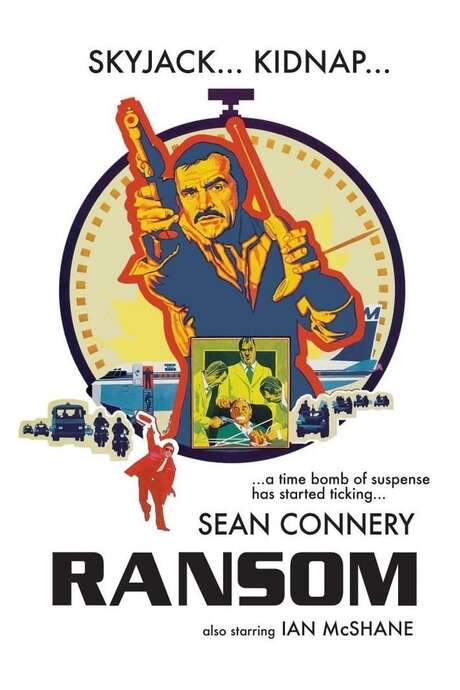
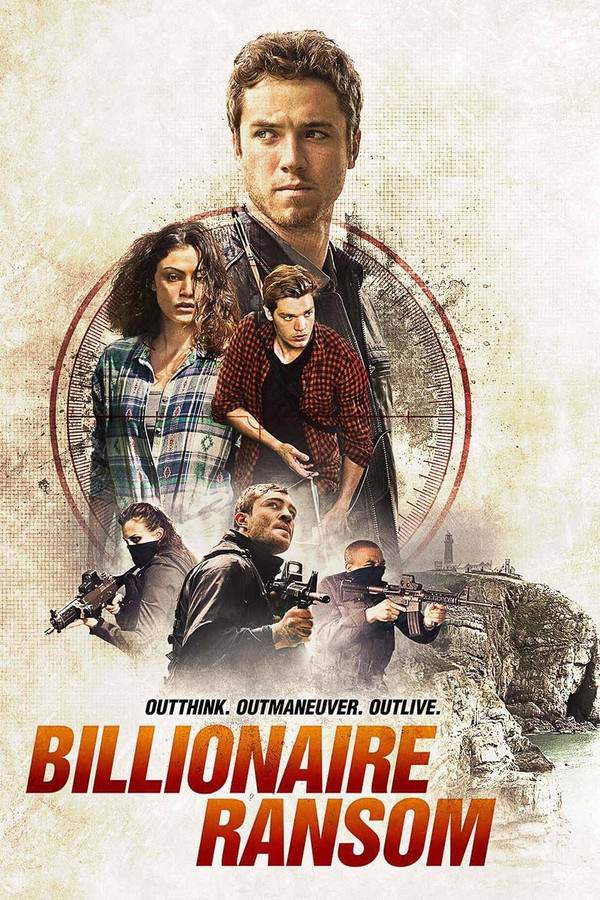
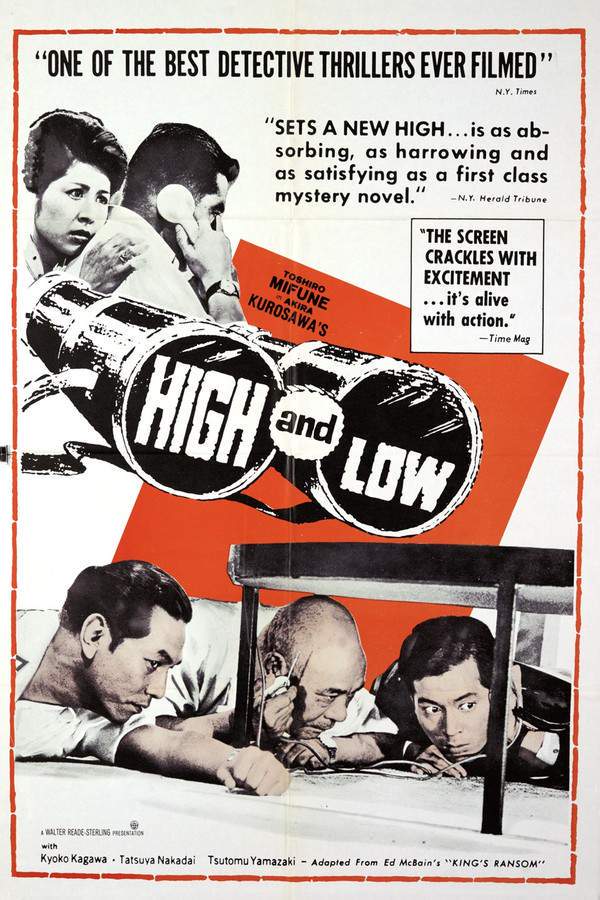
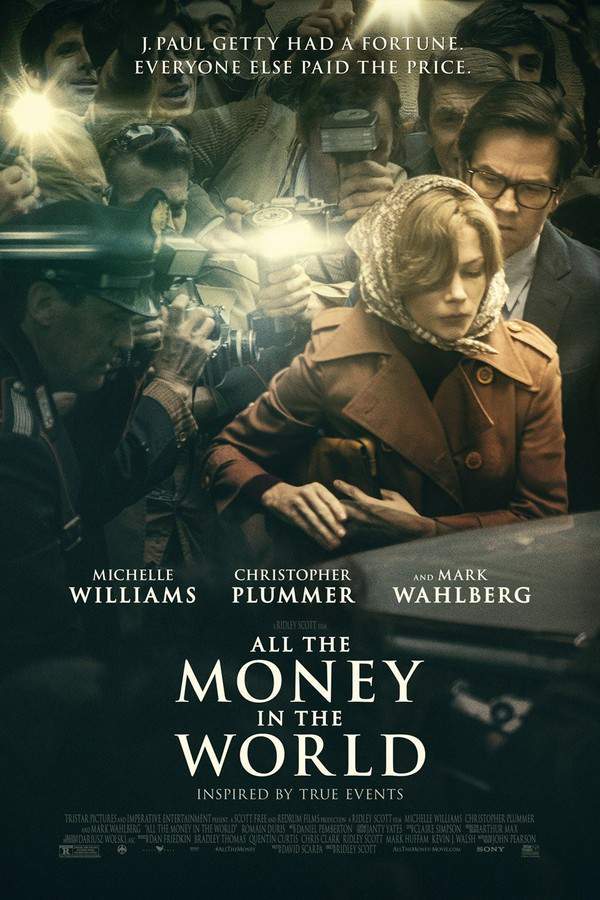
Movies where a ticking clock forces a desperate negotiation for a life. If you liked the urgent, life-or-death negotiation in Highest 2 Lowest, you'll find similar tense experiences here. These movies focus on kidnapping plots, ransom demands, and the immense pressure on those forced to pay, delivering gripping, fast-paced stories with heavy emotional stakes.

  • tense
  • urgent
  • gripping
  • anxious
  • high-stakes
  • desperate
  • Tone: tense, anxious
  • Pacing: fast, urgent
Why these movies?

The story pattern: The narrative is typically a race against time, structured around the demands of the kidnappers. It follows the protagonist's frantic efforts to gather resources, outmaneuver the criminals, and survive the psychological torment, often culminating in a tense final exchange or confrontation.

Why they belong together: These movies are grouped by their core plot engine: a ransom scenario. They share a high-tension, fast-paced vibe, a focus on moral dilemmas under pressure, and the emotional weight of valuing a life against material cost, creating a consistently gripping and anxious viewing experience.

Movies with Bittersweet Endings like Highest 2 Lowest

Stories where survival comes at the price of a shattered dream. Fans of the costly resolution in Highest 2 Lowest will appreciate these films. They feature heavy moral choices where characters secure a hopeful future, but only after sacrificing their empire or ambition, leading to endings that are both cathartic and emotionally complex.

  • moral conflict
  • cathartic
  • reflective
  • heavy
  • sacrifice
  • redemption
  • Tone: tense, bittersweet
  • Pacing: variable, often fast-paced crisis leading to a slower resolution
Why these movies?

The story pattern: The journey involves a protagonist facing a severe threat to their loved ones or principles. To achieve a resolution, they must willingly surrender a core part of their identity or success. The arc concludes with a mix of relief for survival and melancholy for what was lost, emphasizing the weight of their decision.

Why they belong together: These films are united by their emotional and narrative arc: a high-stakes conflict resolved through a major personal sacrifice, resulting in a bittersweet ending. They balance heavy emotional weight with a tone that is both tense during the crisis and reflective in the resolution, appealing to viewers who appreciate complex, morally grey conclusions.

If you liked this

Movies Like Highest 2 Lowest

Similar movies to Highest 2 Lowest: the same genre, themes or kind of story. Each one comes with its own plot summary, timeline and ending explained.

Browse all movie summaries

Every angle

Highest 2 Lowest (2025) Explained: Plot, Ending, Timeline & Characters

Everything about Highest 2 Lowest in one place: what happens in the plot summary, the timeline in chronological order, the characters and meaning, the ending explained and a spoiler-free summary. What's After the Movie adds the cast, box office and post-credit scenes.

Coming soon on iOS and Android

The Plot Explained Movie Summary App

Plot summaries, endings explained and timelines on your phone. Catch up on any movie in minutes, save your favorites and never miss a twist again.

Be the first to know when we launch. Your email stays private, always.

Learn more about the app