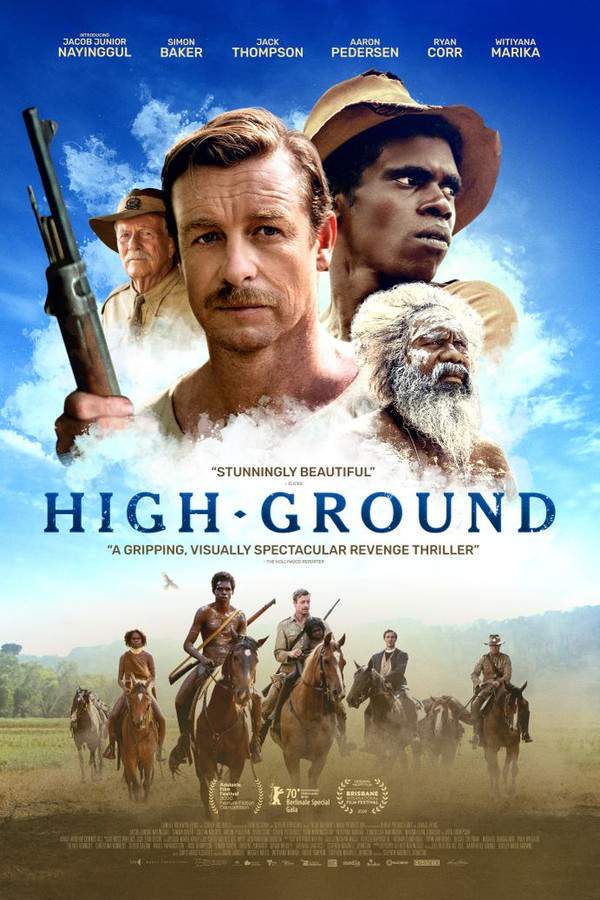
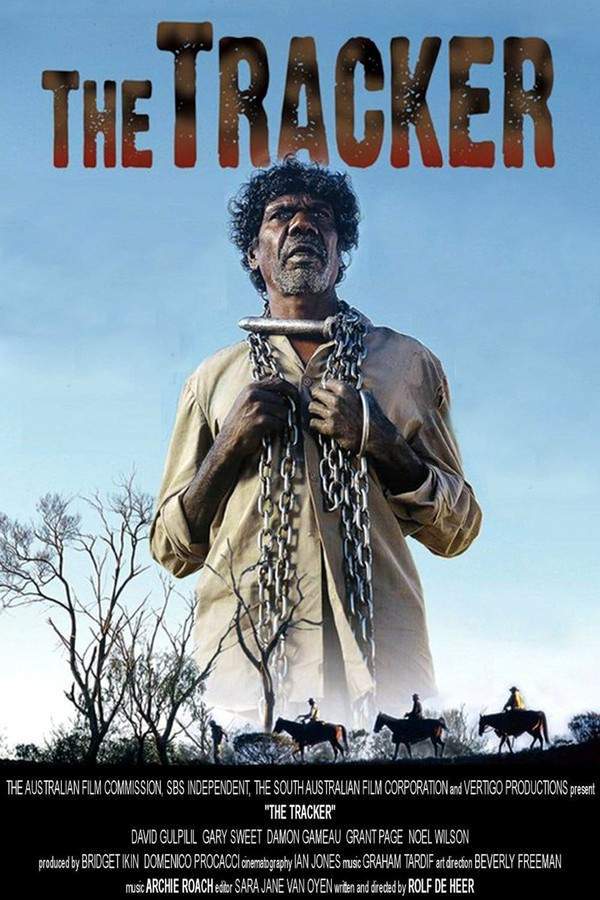
In the vast, sun‑scorched expanse of 1930s Arnhem Land, the Australian outback becomes a character in its own right—its endless horizon, red‑dusted scrub, and haunting silence shaping every step taken upon it. A remote world where ancient traditions brush against the encroaching weight of colonial presence, the land is both refuge and battlefield, its unforgiving terrain echoing the inner turmoil of those who wander its paths.
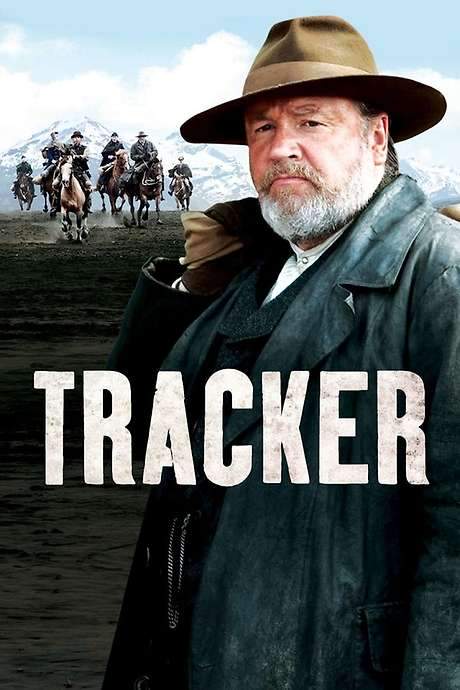
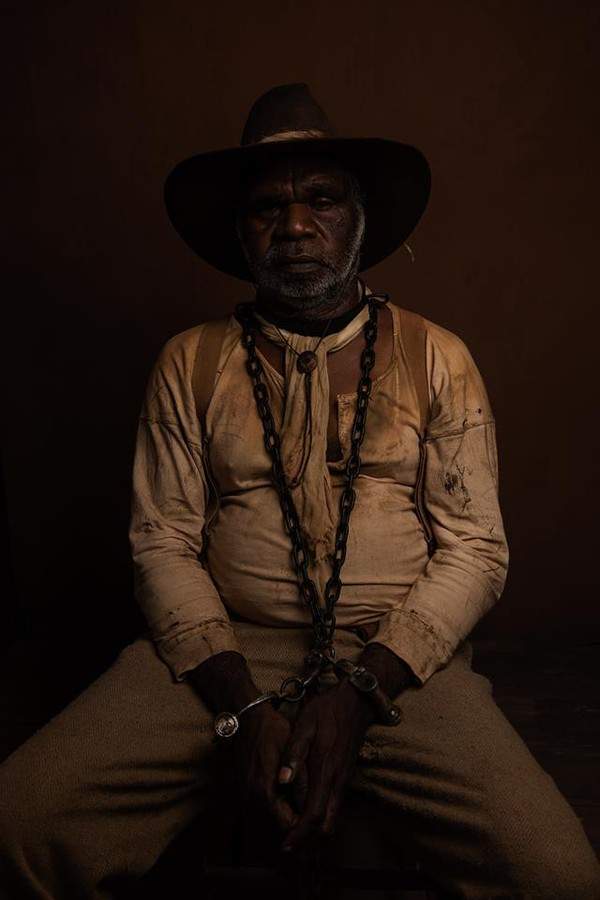
When Gutjuk, a young Aboriginal warrior haunted by a tragic past, is pressed into an uneasy partnership with Travis, a seasoned tracker whose own history is marked by loss, the two men set out on a pursuit that is as much about navigating the wilderness as confronting their conflicting loyalties. Gutjuk carries the burden of kinship and duty, while Travis brings the hardened skill of a veteran whose scars run deeper than the injuries visible on his weather‑worn skin. Their alliance is fragile, forged out of necessity yet strained by cultural divides and lingering distrust.
The hunt they embark upon targets Baywara, Gutjuk’s formidable uncle—a figure described only in whispers as relentless and powerful. The pursuit across the outback offers a stark backdrop for a relationship that oscillates between tentative respect and simmering tension, each man measuring the other against the unforgiving landscape and the ghosts that trail them. The film’s tone balances stark, almost tactile realism with a lingering, almost mythic quality, allowing the audience to feel the heat of the day and the chill of night as the two hunters chase a shadow of their own making.
Against this tableau of rugged beauty and stark survival, the story probes questions of identity, loyalty, and the cost of vengeance, inviting viewers to wonder whether the true danger comes from the hunt itself—or from the secrets each man carries beneath the surface.