Plot Explained Spoilers guaranteed!
Plot Explained

Browse by genre

High Ground (2021) movie poster

Plot Summary

High Ground (2021) Plot Summary & Ending Explained

Release, runtime and language
2021 · 104 min · English
Echo score 78
JustWatch #7,001 17
Directed by
Stephen Johnson
Starring
Callan Mulvey, Caren Pistorius, Simon Baker, Jack Thompson, Esmerelda Marimowa, Jacob Junior Nayinggul

In 1930s Arnhem Land, Australia, a young Aboriginal warrior named Gutjuk reluctantly joins forces with Travis, a seasoned tracker, to pursue Gutjuk’s uncle, Baywara. Baywara is a formidable and ruthless warrior, making the hunt incredibly dangerous. As they traverse the unforgiving outback, a complex relationship develops between the two men. However, Travis carries deep scars from his past, and those buried secrets risk shattering their fragile alliance and turning the hunter into the hunted.

On this page (7)
  1. 1 Where to watch
  2. 2 What happens: full plot
  3. 3 Plot questions answered
  4. 4 How it ends
  5. 5 Movie threads
  6. 6 Movies like High Ground
  7. 7 Every angle

Where to watch

Where to Watch High Ground (2021)

Where can you watch High Ground? Stream, rent or buy it in the US, including on Philo, Starz and Kanopy: current JustWatch availability with up-to-date prices.

Streaming availability powered by JustWatch

Full plot summary · contains spoilers

What Happens in High Ground: Full Plot Summary

The whole story of High Ground (2021) explained, from the opening scene to the final frame: every key event, every twist and what it all adds up to. Read it as a quick recap before the sequel, to check a scene you missed, or to finally understand what really happened.

In 1919, a Yolngu community in Arnhem Land is devastated when a police operation is ordered to punish unrelated Aboriginal men for killing a cow. The assault leaves only two survivors: a seasoned warrior, Baywara, and his nephew Gutjuk, Jacob Junior Nayinggul. A World War I veteran and policeman named Travis rescues Gutjuk and transports him to the East Alligator River Mission Outpost, handing him over to Claire, Caren Pistorius. Disgusted by what he has witnessed, Travis abandons his post and begins a difficult reckoning with his past.

Twelve years pass, and Moran, a local officer, with his partner Eddy, return to confront the guilt that has haunted Travis. They urge him to hunt down a mob led by Baywara that has attacked white settlements, drawing him back into a violent conflict he hoped to avoid. Reluctantly, Travis agrees to take Gutjuk—a now eighteen-year-old at the mission and known there as Tommy—on a journey intended to reach Baywara and seek peace, though Moran also dispatches Eddy and Walter, a man described as “half-caste,” to shadow them.

As the pursuit unfolds, Grandfather Darrpa steps forward to propose peace negotiations with Moran at the mission. The fragile moment is torn apart when news arrives that Baywara’s group has attacked another station. Gutjuk demonstrates his growing resolve by rescuing Gulwirri, a young woman in Baywara’s circle, from an attempted assault by white stockmen, underscoring the harsh moral lines that each side navigates.

Gutjuk and Gulwirri eventually confront Baywara at the site of the 1919 massacre, where misjudgments and old loyalties collide. Believing Gutjuk to be a direct threat, Travis shoots Baywara, catalyzing a new wave of violence. In a bid to protect Gutjuk, Travis also shoots Walter, but the revelation of who killed Gutjuk’s family drives Gutjuk to shoot Travis in return, wounding him but not killing him.

Gutjuk then uses a bold distraction—setting fire to the church and sparking a fresh clash around the mission settlement. A tense standoff ensues, with Moran wounded when Travis shoots him, and Claire firing at Eddy. Moran’s nephew Bruce levels his rifle on Gutjuk, but Travis sacrifices himself, taking the shot instead. The confrontation ends with Gutjuk and Gulwirri escaping atop a piebald horse, stepping into an uncertain future beyond the mission’s bounds.

- Baywara, the opponent in the climactic conflict, remains unnamed by actor in this summary, preserving the focus on the unfolding choices and consequences.

- Gutjuk, Jacob Junior Nayinggul, emerges as the central figure whose loyalties and understanding of family, culture, and violence drive the final act.

- Claire, Caren Pistorius, carries a steady presence at the mission, coordinating care and responding to the escalating tensions around the settlement.

- Travis, Simon Baker, struggles with guilt and duty, moving between protector and aggressor as the story probes the costs of choosing sides in a brutal landscape.

- Moran, Jack Thompson, anchors the pursuit with a strict sense of order, even as the violence surrounding his goals spirals beyond control.

- Gulwirri, Esmerelda Marimowa, personifies the vulnerable individuals drawn into a cycle of retribution and survival.

- Grandfather Darrpa, Witiyana Marika, embodies a traditional authority seeking a peaceful resolution amid mounting conflict.

- Eddy, Callan Mulvey, a deputy driven by loyalty to Moran, locks into the chase that pushes all characters toward a fateful reckoning.

- Braddock, Ryan Corr, appears in the broader pursuit, contributing to the mounting tension surrounding the mission and its outposts.

This layered narrative threads historical trauma, personal vendettas, and fragile attempts at reconciliation into a sweeping, character-driven drama. It examines how generations of violence ripple through families and communities, testing allegiance, memory, and the possibility of peace in a landscape where every action reverberates with consequence. The climactic clash crystallizes the moral ambiguity at the heart of the story, leaving Gutjuk and Gulwirri to navigate a world rebuilt on the ashes of past choices.

Last updated: February 10, 2026 at 08:32

Was this helpful?

Plot questions answered

High Ground Plot Explained: Your Questions Answered

The questions people ask most about High Ground (2021): what happens in the confusing scenes, why the characters do what they do, the twists, hidden details and what the ending means. Each answer contains spoilers.

Q1

Why does Travis shoot Baywara at the massacre site?

Travis shoots Baywara because he believes Baywara is about to kill Gutjuk. During the confrontation at the site of the 1919 massacre, Travis sees Baywara raising his weapon toward Gutjuk and acts to protect the young man he has spent years caring for at the mission. This act triggers a broader wave of violence, as Travis also kills Walter in the chaos, believing both actions are necessary for Gutjuk's survival.

Foreshadowing: Earlier scenes establish Travis's protective feelings toward Gutjuk, whom he rescued as a child and placed at the mission.

  • travis
  • baywara
  • shooting
  • protection
  • gutjuk
  • massacre site
Q2

Why does Gutjuk shoot Travis after the confrontation?

Gutjuk shoots Travis after discovering the truth about his family's death in the 1919 massacre. He learns that Travis, despite rescuing him, was actually responsible for ordering or directly carrying out the murder of Gutjuk's family during the police operation. This revelation shatters Gutjuk's understanding of his protector and forces him to confront the painful reality that the man who saved him was also the one who destroyed his family. Gutjuk wounds Travis but does not kill him, showing the moral complexity of his choice.

Foreshadowing: Travis's guilt and his decision to abandon his policing career after the massacre hint at his involvement in the atrocity.

  • gutjuk
  • travis
  • shooting
  • truth
  • family massacre
  • revenge
Q3

Why does Travis sacrifice himself at the end?

Travis sacrifices himself to save Gutjuk from being shot by Bruce, Moran's nephew. During the final stand-off at the mission, Bruce levels his rifle at Gutjuk, but Travis steps in front of the bullet, taking the shot himself. This act represents Travis's attempt at redemption for his past crimes against Gutjuk's family and his complicated role in the cycle of violence. By dying to protect Gutjuk, Travis allows Gutjuk and Gulwirri to escape, giving them a chance at freedom while simultaneously paying the ultimate price for his past actions.

Foreshadowing: Travis's guilt throughout the film and his growing bond with Gutjuk set up this redemptive final act.

  • travis
  • death
  • sacrifice
  • redemption
  • gutjuk
  • protection
Q4

What was the 1919 massacre in Arnhem Land?

The 1919 massacre was a police operation ordered to punish unrelated Aboriginal men for killing a cow. The assault devastated a Yolngu community in Arnhem Land, killing most of its members. Only two survivors remained: the seasoned warrior Baywara and his nephew Gutjuk, who was just a child at the time. This traumatic event establishes the film's central conflict, driving Baywara's quest for vengeance against white settlers and shaping Gutjuk's identity throughout the story. The massacre also connects Travis to the tragedy, as he participated in the operation before rescuing Gutjuk.

Foreshadowing: The film opens with this pivotal event, establishing the historical trauma that fuels the entire narrative.

  • 1919
  • massacre
  • arnhem land
  • yolngu
  • baywara
  • gutjuk
  • police
Q5

Why does Baywara attack the white settlements?

Baywara attacks white settlements as an act of vengeance for the 1919 massacre that killed most of his community. After surviving the police operation, Baywara becomes a formidable warrior leading a group that targets white settlements in retaliation for the atrocities committed against his people. His attacks represent a cycle of violence triggered by colonial oppression and the unpunished massacre of Aboriginal civilians. Baywara's ruthlessness makes him a dangerous opponent, and his actions force the authorities to enlist Travis and Gutjuk in the pursuit.

Foreshadowing: Baywara's survival from the 1919 massacre establishes his motivation for violent retribution.

  • baywara
  • attacks
  • settlements
  • vengeance
  • massacre
  • retribution
Q6

What is the relationship between Gutjuk and Baywara?

Baywara is Gutjuk's uncle, specifically the brother of Gutjuk's father. This family connection creates the film's central tragic irony: Gutjuk is sent to hunt and potentially kill his own blood relative. Throughout the story, Gutjuk must navigate the conflicting loyalties between the family he was born into and the family he has found at the mission. Their confrontation at the site of the 1919 massacre forces both characters to reckon with these divided loyalties, with Baywara ultimately viewing Gutjuk as a threat despite their familial bond.

Foreshadowing: The timeline establishes their family connection early, making the hunt emotionally complex.

  • gutjuk
  • baywara
  • uncle
  • nephew
  • family
  • relationship
Q7

Why does Travis abandon his policing career after the massacre?

Travis abandons his post because he is disgusted by what he witnessed during the police operation. As a World War I veteran and policeman, Travis participated in the 1919 massacre but was deeply troubled by the violence and injustice of the operation. His disgust leads him to leave his policing career and begin a difficult reckoning with his past. Travis hands Gutjuk over to Claire at the mission, hoping to give the boy a better life, but he carries the guilt of his involvement in the massacre with him for twelve years until Moran and Eddy convince him to hunt Baywara.

Foreshadowing: Travis's immediate departure from the mission after delivering Gutjuk signals his moral conflict.

  • travis
  • abandon
  • post
  • massacre
  • guilt
  • policing
Q8

Why is Walter killed during the confrontation?

Walter is killed by Travis during the chaotic confrontation at the massacre site. Travis shoots Walter, who was sent by Moran to shadow the hunting party, believing Walter is a threat to Gutjuk's safety. The killing occurs in the混乱 of the moment when Travis has already shot Baywara and is desperately trying to protect Gutjuk from all perceived dangers. Walter's death adds another layer to the film's exploration of the blurred lines between protector and aggressor, as Travis's violent actions to save one person result in killing another.

Foreshadowing: Moran mentions sending Walter to ensure cooperation, hinting at potential conflict.

  • walter
  • killed
  • travis
  • death
  • chaos
  • confrontation
Q9

Why does Claire shoot Eddy during the stand-off?

Claire shoots Eddy during the mission stand-off to protect Gutjuk and eliminate a threat to the people she has been protecting. Throughout the film, Claire operates as a caretaker at the mission, and when the violence escalates and Eddy becomes an active threat during the confrontation, she takes action. Her shooting of Eddy represents the collapse of the mission's neutral ground and shows how the cycle of violence forces even those seeking peace to pick up arms. This moment marks a turning point where the fragile order of the mission shatters completely.

Foreshadowing: Claire's steady presence at the mission throughout the escalating tension prepares viewers for her active role.

  • claire
  • eddy
  • shooting
  • mission
  • stand-off
  • protection
Q10

What happens to Gutjuk and Gulwirri at the end of the film?

At the end of the film, Gutjuk and Gulwirri escape together on a piebald horse, leaving the mission behind. They ride into an uncertain future beyond the mission's bounds, carrying the weight of the massacre and all the losses they have incurred. The ending is bittersweet: Gutjuk achieves a form of freedom and connection with Gulwirri, but this is counterbalanced by the significant bloodshed and Travis's death. They move forward together, haunted by history but clinging to each other for survival, representing a cautious note of hope amid unresolved vengeance.

Foreshadowing: Their growing bond throughout the film, culminating in Gutjuk rescuing Gulwirri, sets up their escape.

  • gutjuk
  • gulwirri
  • escape
  • ending
  • future
  • horse
  • freedom

Ending explained

What Happens at the End of High Ground?

How High Ground (2021) ends, in short: the final scene, the last twist and what it means for the characters. The full ending explained, with every spoiler, lives on its own page.

Read the full ending explained

In the climax of High Ground, Nathaniel and Marcus face off in a tense gunfight, each shooting the other. Jake arrives just in time to stop Marcus from shooting Nathaniel again, forcing Marcus to discard his weapon. It’s a moment that highlights how Nathaniel's willingness to stand and fight alongside Jake ultimately saves his life. Unfortunately, Nathaniel is fatally wounded in the process; he succumbs shortly after the intense gunbattle. His death is bittersweet—though he never gets to testify in court or see justice served in the traditional sense, he achieves a form of redemption by taking down a dangerous criminal and protecting those he cares about. Earlier, Marcus and his men had killed Sharon, Jake’s deputy, revealing the brutal cost of their pursuit. Ezra, Jake’s father, also gets shot but survives thanks to a fortunate hit that avoids vital organs. In the end, Marcus and his armed gang are all killed, and Jake’s heroism helps ensure justice for the town. As the dust settles, Jake acknowledges that Nathaniel’s sacrifice was crucial, recognizing that his courage and actions, even in death, became a testament to his quest for redemption and pride in his daughter’s future. The community likely accepts Jake as their sheriff now, and through his victory, he begins to move past the trauma that haunted him, striving for a new beginning.

High Ground ending explained in full

Movie threads

More Movies Like High Ground, by Mood & Story

Curated lists built around what makes High Ground tick: the same mood, the same kind of story or the same emotional payoff. Each list explains why these movies belong together.

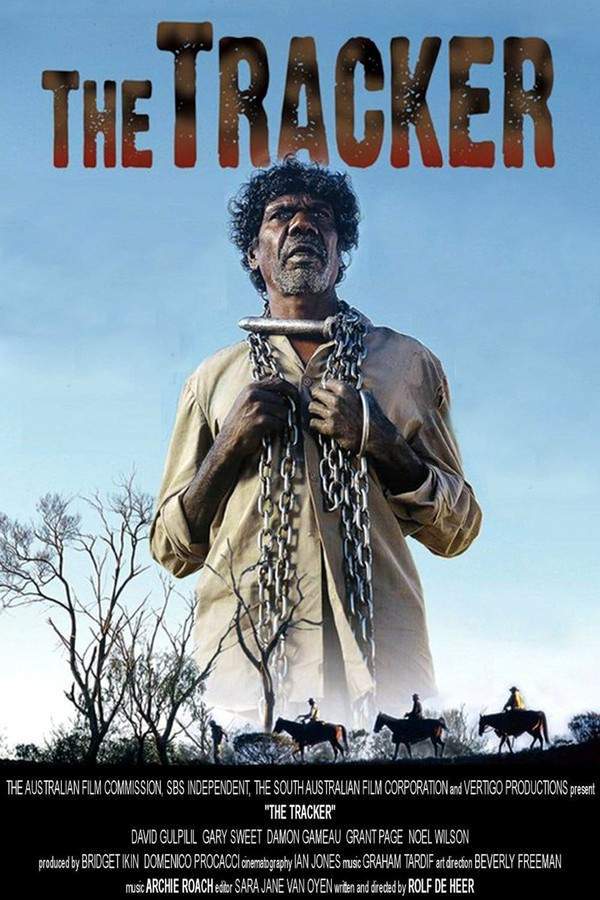
Colonial era moral dilemmas like in High Ground

Stories where historical violence forces impossible choices. If you liked High Ground's exploration of colonial violence and impossible choices, you'll appreciate these movies that tackle similar themes of historical injustice and moral complexity.
  • historical
  • tense
  • moral conflict
  • oppressive
  • violent
  • atmospheric
  • Tone: tense, melancholic, morally complex
  • Pacing: steady, character-driven
Why these movies?

The story pattern: Stories typically follow characters caught between colonial powers and indigenous populations, where loyalty, survival, and morality create intense internal conflicts that drive the narrative.

Why they belong together: These films share a focus on the psychological toll of colonial systems, featuring protagonists who must navigate treacherous ethical terrain while confronting historical violence.

Hunter becomes hunted moral journeys like in High Ground

Stories where pursuers become prisoners of their own mission. Movies similar to High Ground where the hunter's mission transforms into a profound moral reckoning, creating complex relationships between pursuer and pursued.

  • tense
  • moral ambiguity
  • hunter vs hunted
  • psychological
  • suspenseful
  • character-driven
  • Tone: tense, introspective, morally ambiguous
  • Pacing: steady, suspenseful
Why these movies?

The story pattern: These narratives follow characters who start as determined hunters but gradually question their mission, often forming unexpected bonds with their targets that challenge their original purpose.

Why they belong together: They share the compelling structure of role reversal, where the pursuit becomes a journey of self-discovery and moral reckoning for the hunter.

If you liked this

Movies Like High Ground

Similar movies to High Ground: the same genre, themes or kind of story. Each one comes with its own plot summary, timeline and ending explained.

Browse all movie summaries

Every angle

High Ground (2021) Explained: Plot, Ending, Timeline & Characters

Everything about High Ground in one place: what happens in the plot summary, the timeline in chronological order, the characters and meaning, the ending explained and a spoiler-free summary. What's After the Movie adds the cast, box office and post-credit scenes.

Coming soon on iOS and Android

The Plot Explained Movie Summary App

Plot summaries, endings explained and timelines on your phone. Catch up on any movie in minutes, save your favorites and never miss a twist again.

Be the first to know when we launch. Your email stays private, always.

Learn more about the app