
Good to Go
Year: 1986
Runtime: 90 mins
Language: English
Director: Blaine Novak
After police give him false leads about a rape and murder that took place near a well‑known Washington, D.C., go‑go club, a weary journalist decides to investigate the venue himself. His digging reveals a deeply entrenched racist system that underpins the club’s operations and its ties to the surrounding community.
Warning: spoilers below!
Haven’t seen Good to Go yet? This summary contains major spoilers. Bookmark the page, watch the movie, and come back for the full breakdown. If you're ready, scroll on and relive the story!
Timeline – Good to Go (1986)
Trace every key event in Good to Go (1986) with our detailed, chronological timeline. Perfect for unpacking nonlinear stories, spotting hidden connections, and understanding how each scene builds toward the film’s climax. Whether you're revisiting or decoding for the first time, this timeline gives you the full picture.
Last Updated: October 09, 2025 at 14:39

Explore Movie Threads
Discover curated groups of movies connected by mood, themes, and story style. Browse collections built around emotion, atmosphere, and narrative focus to easily find films that match what you feel like watching right now.
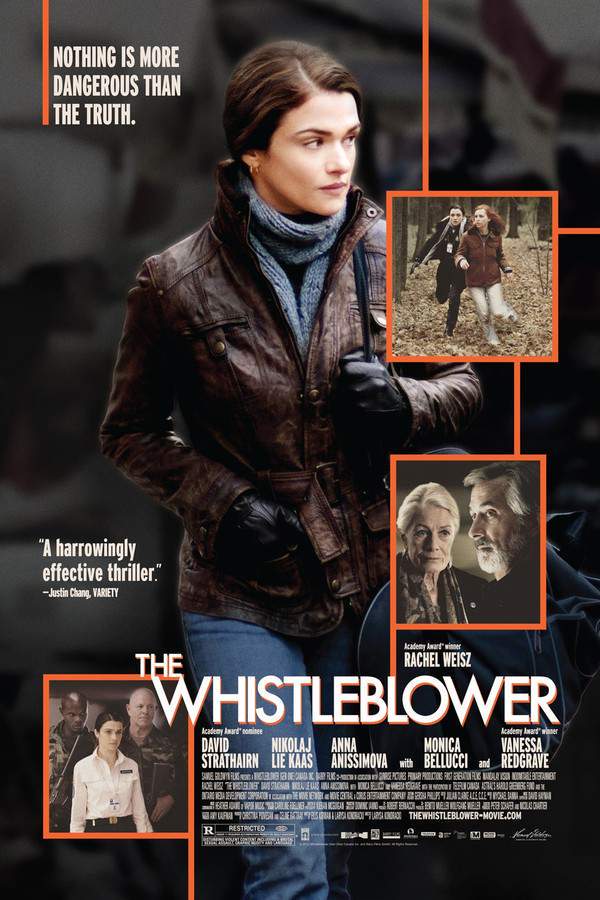
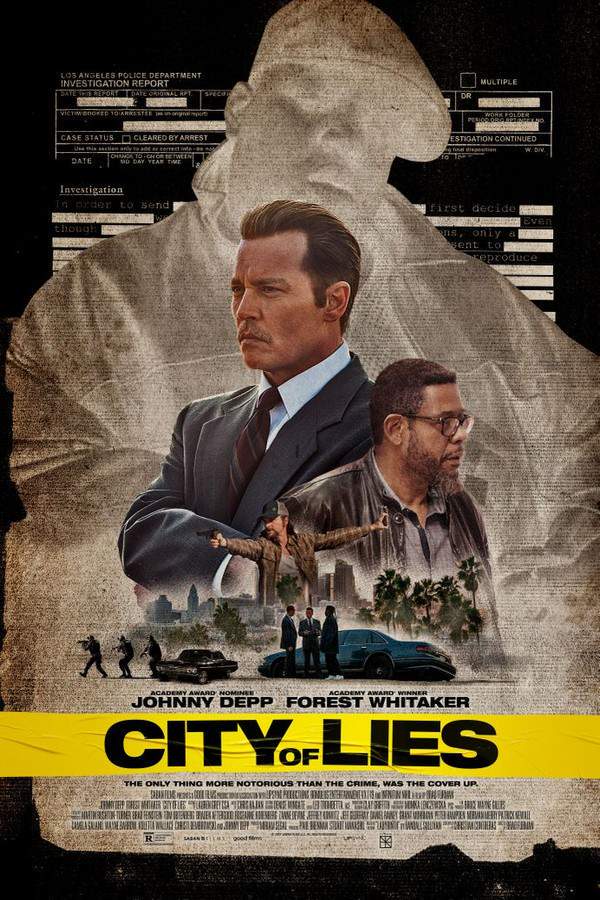
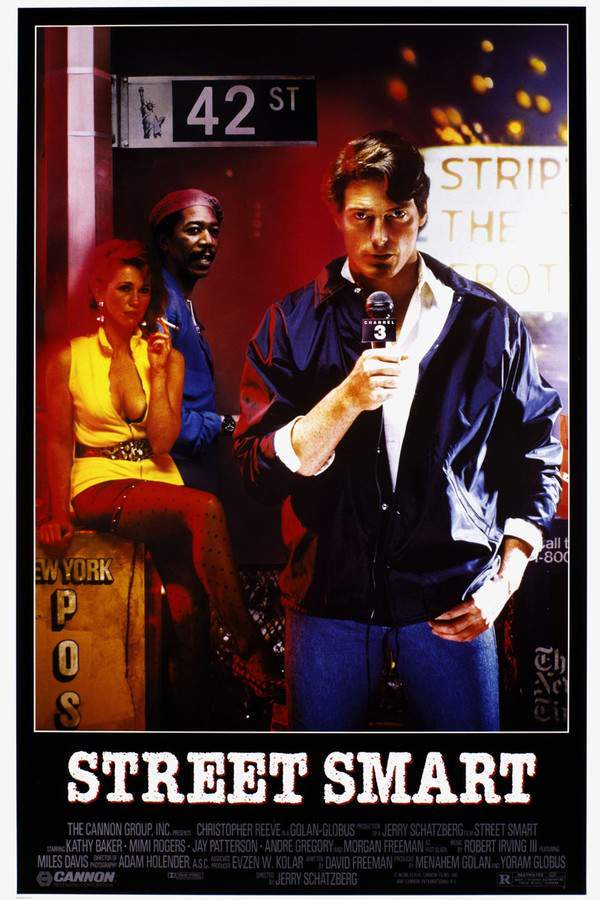
Gritty journalism thrillers like Good to Go
Haunted journalists risk everything to uncover entrenched, dark truths.If you liked the investigative drive and street-level corruption of Good to Go, explore more movies like it. These films feature journalists and outsiders uncovering dark systemic truths, offering similar tense, socially conscious thrillers with a gritty, realistic feel.








Narrative Summary
The narrative typically begins with a protagonist, often a journalist or amateur sleuth, stumbling upon a case that seems straightforward. Their investigation quickly reveals that the crime is a symptom of a much larger, more powerful corrupt institution—be it political, corporate, or law enforcement. The plot unfolds as a steady, methodical uncovering of evidence, facing constant obstruction and danger, leading to a climax that may offer a partial victory but rarely a clean, happy resolution.
Why These Movies?
Movies in this thread are grouped by their shared focus on a lone individual challenging a powerful, corrupt system. They create a specific mood of urban anxiety and cynical realism, blending the procedural elements of an investigation with the heavy themes of institutional failure and moral compromise.
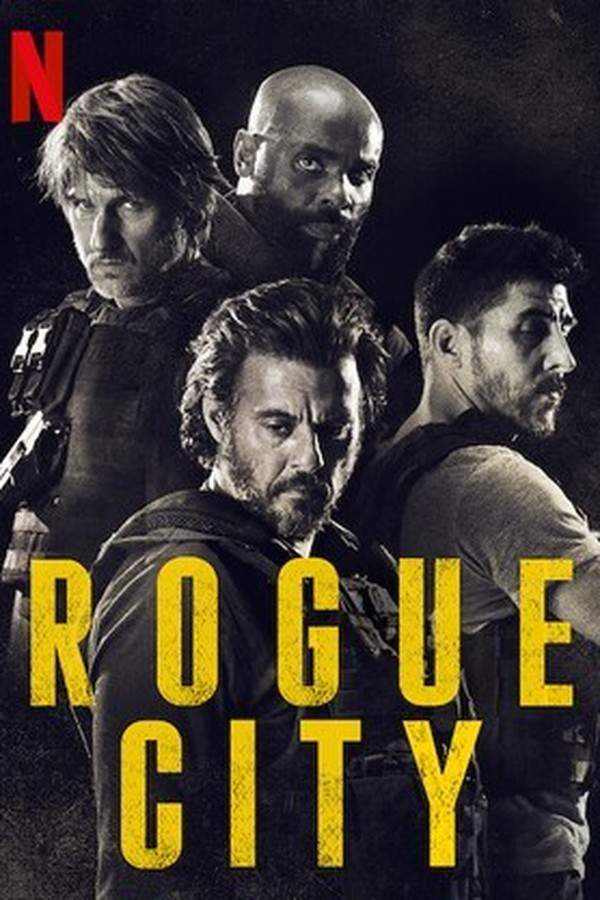
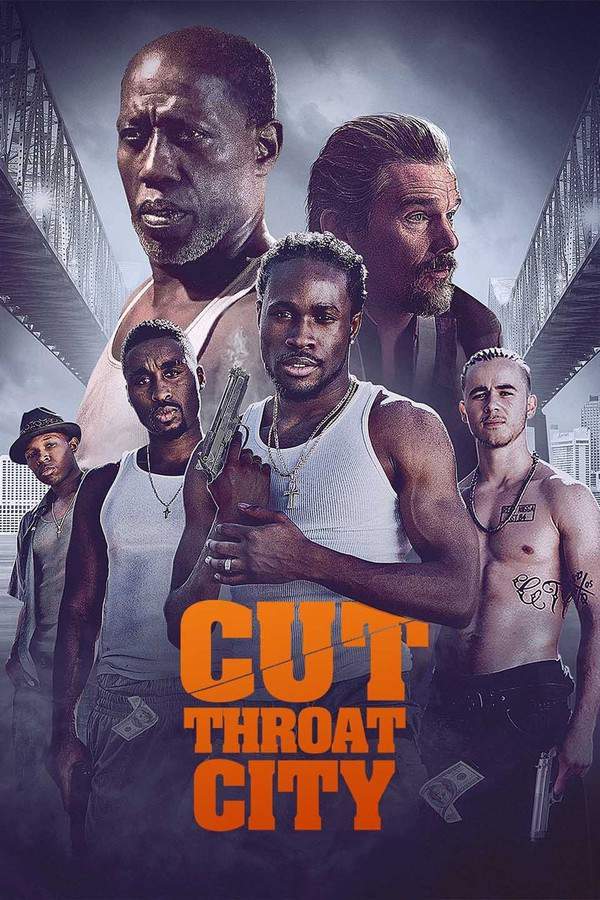
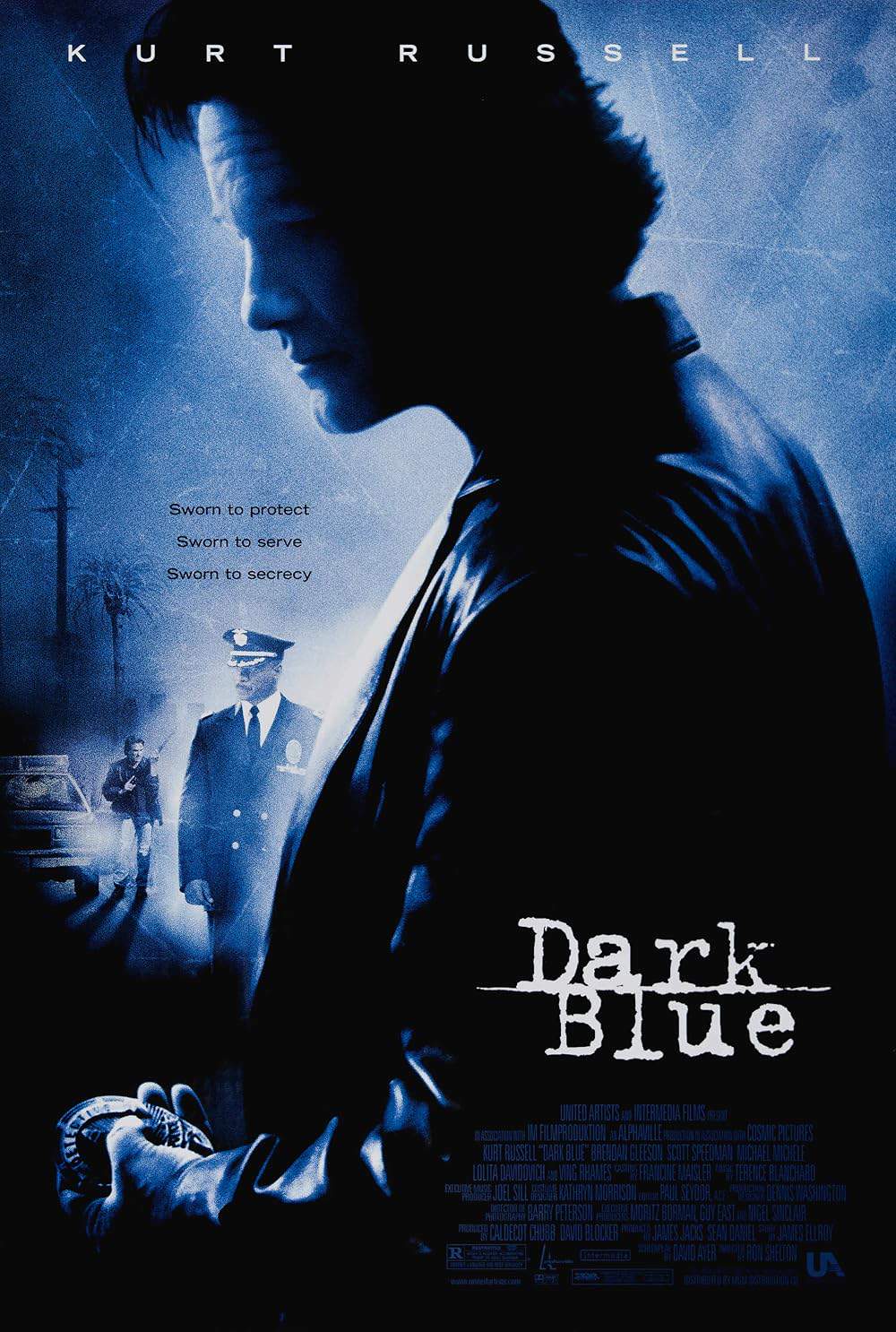
Bleak urban dramas similar to Good to Go
Stories set in the unforgiving city, where systemic injustice defines daily life.For viewers who appreciated the street-level realism and sociopolitical themes of Good to Go, this list features similar movies with a bleak urban vibe. These films explore the harsh realities of city life, institutional racism, and crime, creating a heavy, anxious mood.



Narrative Summary
Narratives in this thread are often character-driven, following individuals or groups as they attempt to survive or achieve a goal within a hostile urban landscape. The city itself is a central character—oppressive and corrupt. The plots tend to be steady and grounded, emphasizing the cyclical nature of struggle and the difficulty of achieving meaningful change, often culminating in bittersweet or mixed outcomes.
Why These Movies?
These films are connected by their unflinching portrayal of urban decay and social inequality. They share a dark, heavy tone and a steady pacing that allows the weight of the environment to settle on the viewer. The experience is defined by a mood of anxiety, cynicism, and a focus on sociopolitical commentary.
Unlock the Full Story of Good to Go
Don't stop at just watching — explore Good to Go in full detail. From the complete plot summary and scene-by-scene timeline to character breakdowns, thematic analysis, and a deep dive into the ending — every page helps you truly understand what Good to Go is all about. Plus, discover what's next after the movie.
Good to Go Summary
Read a complete plot summary of Good to Go, including all key story points, character arcs, and turning points. This in-depth recap is ideal for understanding the narrative structure or reviewing what happened in the movie.

Characters, Settings & Themes in Good to Go
Discover the characters, locations, and core themes that shape Good to Go. Get insights into symbolic elements, setting significance, and deeper narrative meaning — ideal for thematic analysis and movie breakdowns.



Similar Movies to Good to Go
Discover movies like Good to Go that share similar genres, themes, and storytelling elements. Whether you’re drawn to the atmosphere, character arcs, or plot structure, these curated recommendations will help you explore more films you’ll love.



Explore More About Movie Good to Go
Good to Go (1986) Plot Summary & Movie Recap
Good to Go (1986) Scene-by-Scene Movie Timeline
Good to Go (1986) Spoiler-Free Summary & Key Flow
Movies Like Good to Go – Similar Titles You’ll Enjoy
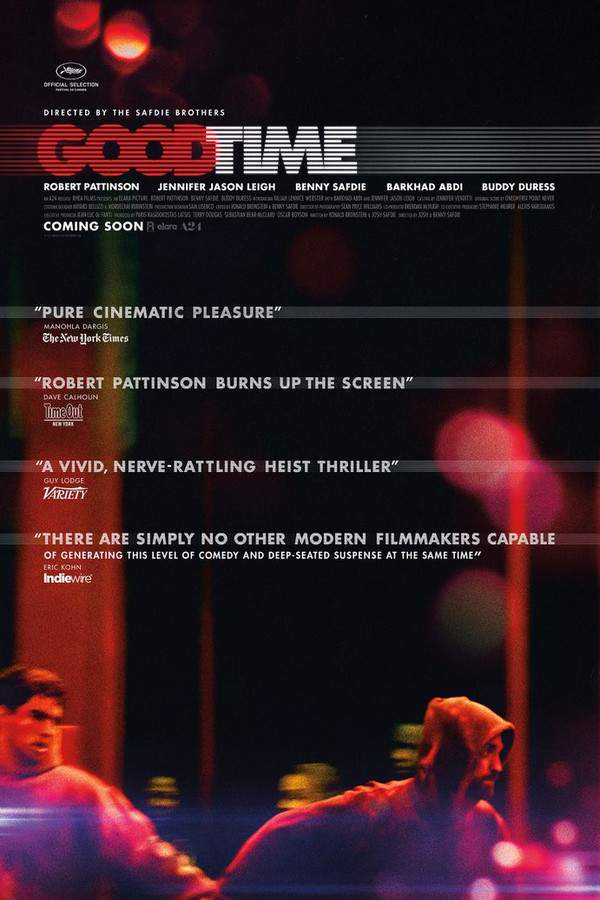
Good Time (2017) Spoiler-Packed Plot Recap
Go (1999) Full Summary & Key Details
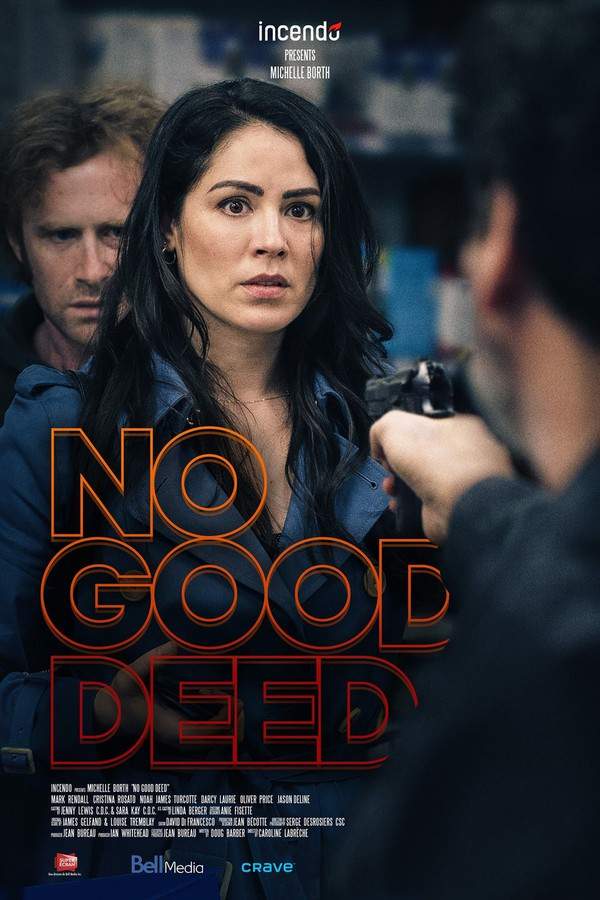
No Good Deed (2003) Movie Recap & Themes
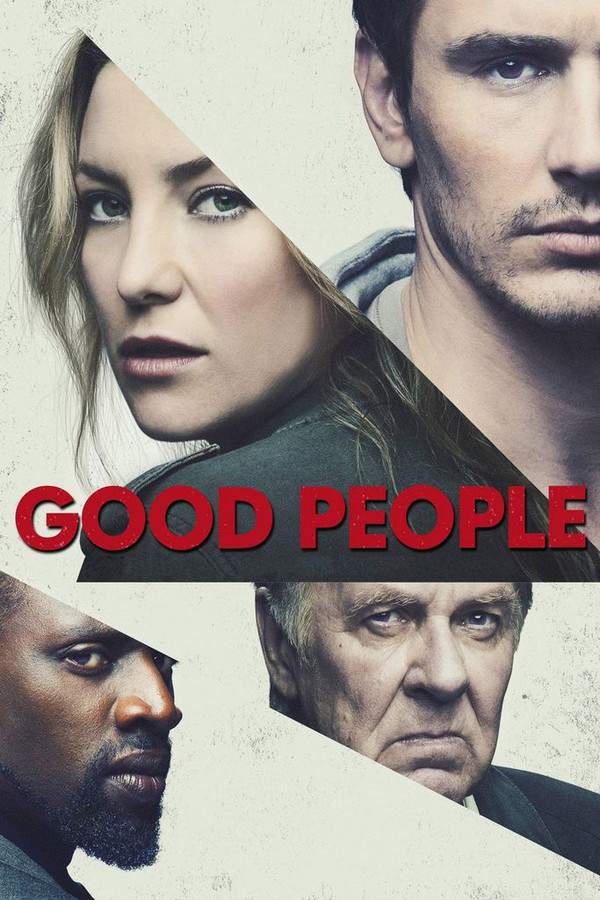
Good People (2014) Story Summary & Characters
The Good Neighbor (2016) Film Overview & Timeline
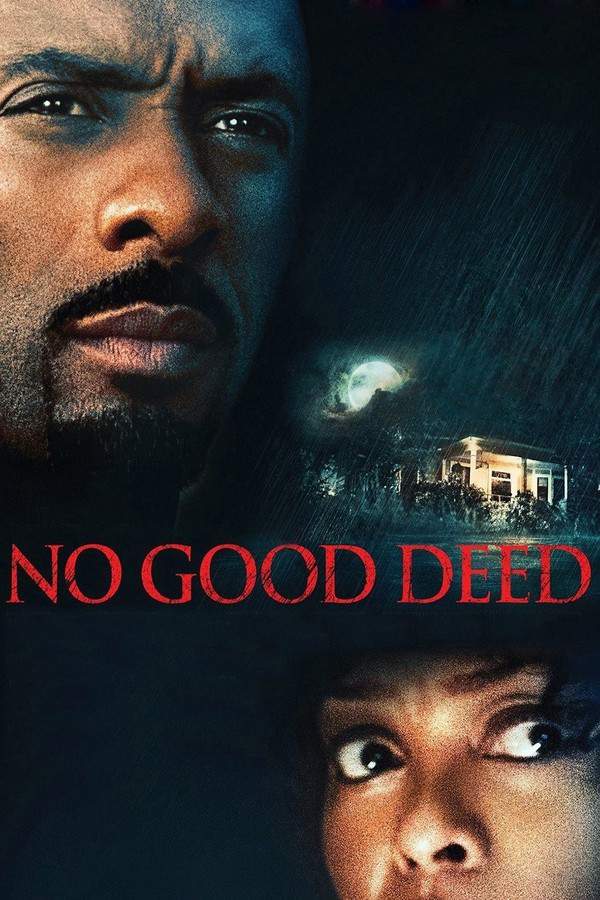
No Good Deed (2014) Movie Recap & Themes
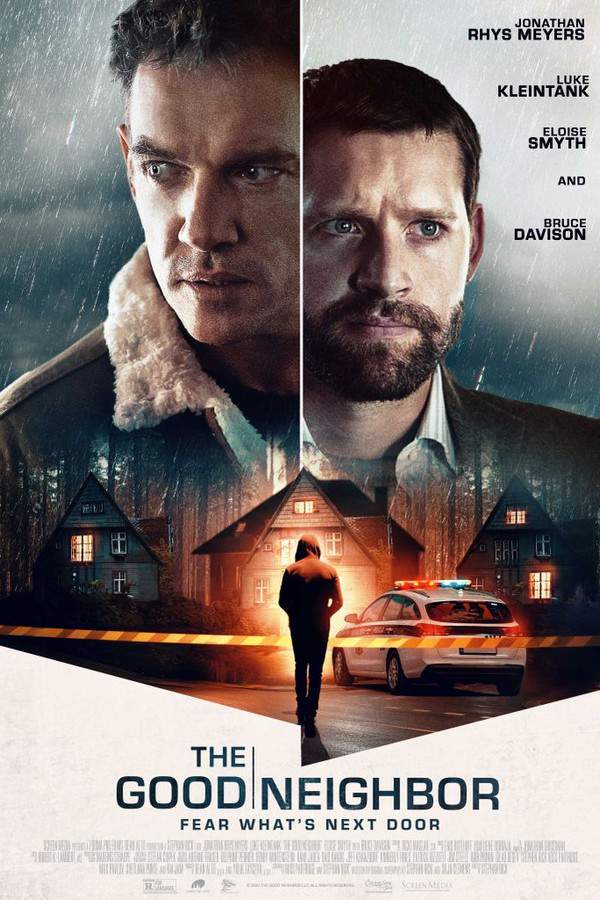
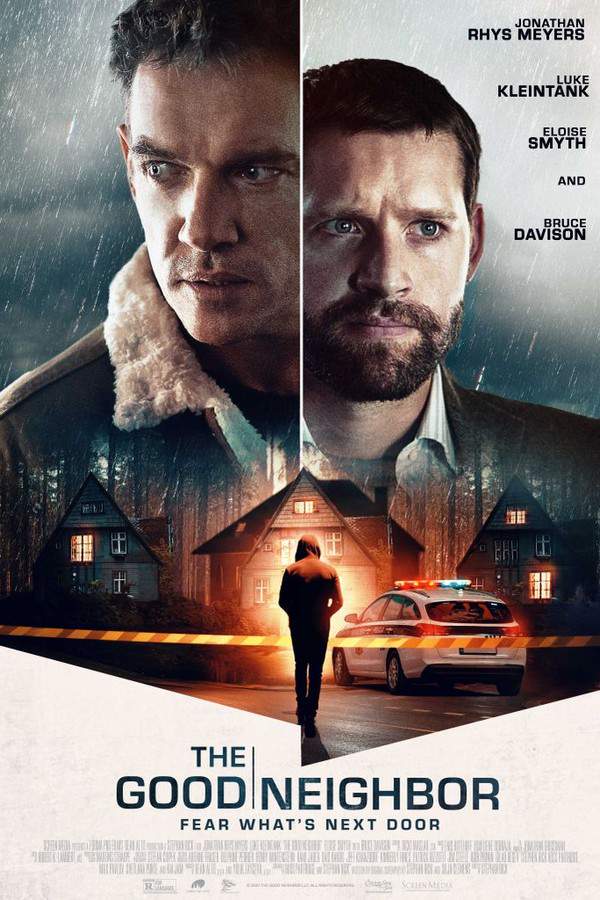
The Good Neighbor (2022) Full Movie Breakdown
A Good Woman Is Hard to Find (2019) Ending Explained & Film Insights
The Guilty (2000) Full Summary & Key Details
Too Good to Be True (1988) Complete Plot Breakdown
Be Good or Be Gone (2021) Story Summary & Characters
Gone for Good (1000) Full Movie Breakdown
Good Thief (2021) Film Overview & Timeline
Crime, Inc. (1945) Full Movie Breakdown
The Good Die Young (1954) Plot Summary & Ending Explained