Year: 2003
Runtime: 118 min
Language: German
Director: Ron Shelton
Budget: $15M
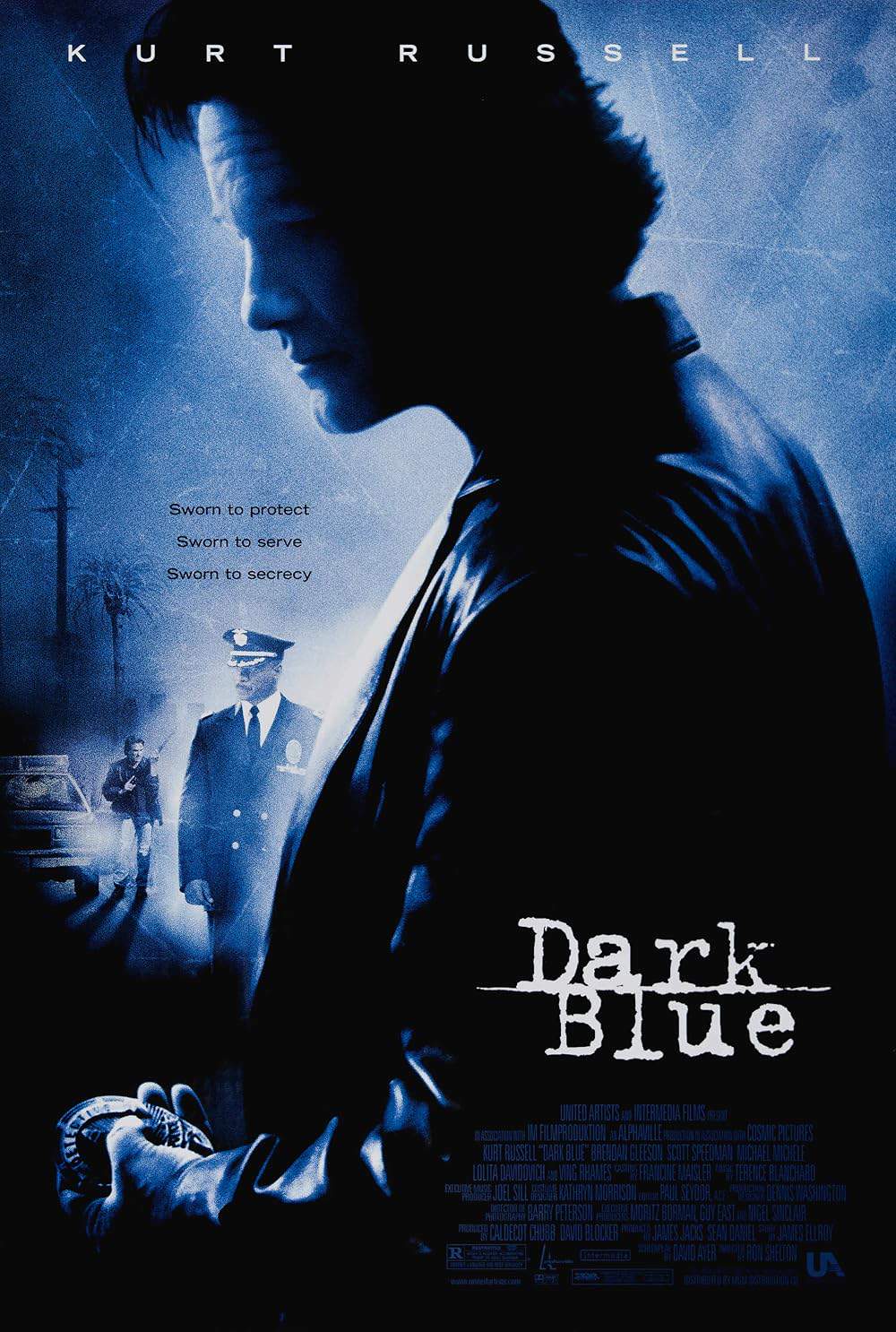
Amidst escalating racial tensions in Los Angeles, a shocking murder ignites a wave of violence and vengeance in South Central. Two highly-trained LAPD officers from the Special Investigations Squad find themselves embroiled in the escalating conflict. As they work to bring the perpetrators to justice, they are forced to confront their own personal struggles and question their roles within a system grappling with deep unrest and the potential for widespread chaos.
Warning: spoilers below!
Haven’t seen Dark Blue yet? This summary contains major spoilers. Bookmark the page, watch the movie, and come back for the full breakdown. If you're ready, scroll on and relive the story!
Read the complete plot breakdown of Dark Blue (2003), including all key story events, major twists, and the ending explained in detail. Discover what really happened—and what it all means.
In Los Angeles during 1992, a tense, morally gray mood grips the city as Eldon Perry, a seasoned LAPD sergeant, is seen pacing a dim motel room with a shotgun and a pistol, the weight of looming decisions pressing in from every angle. The story unfolds with a robbery at a neighborhood convenience store, where four people are killed and one wounded as two men, Darryl Orchard and Gary Sidwell, push to crack open an office safe. Tensions behind the badge start to mount even as Perry and his partner navigate professional and personal pressures.
Five days earlier, the film shifts to the fallout of a previous case: Perry stands by his partner, Bobby Keough, during an internal hearing about Keough’s use of deadly force. Although Keough is ultimately exonerated, the victory is bittersweet, and Perry’s sense of loyalty becomes intertwined with the questionable path ahead. The duo then celebrate Perry’s near-promotion with their powerful superior, Jack Van Meter, a corrupt captain who routinely pushes subordinates to manufacture evidence and bend the truth to fit a narrative that protects his own interests.
Van Meter assigns the pair to investigate the robbery, supplying Orchard and Sidwell with a false alibi and instructing them to pin the crime on someone else. As Perry and Keough begin to connect the dots, Assistant Chief Arthur Holland questions Perry’s testimony and suspects a larger web of corruption. His assistant, Beth Williamson, digs into the files and uncovers a long trail that hints at Perry’s possible ties to the kinds of secrets that could ruin them all. The investigation takes a dark turn when a warrant is obtained through dubious means and a SWAT raid targets the ex-cons who might serve as Perry’s fall guys, a plan designed to collapse on the very people tasked with exposing it.
One suspect escapes briefly but is ultimately captured; under Perry’s orders, Keough reluctantly shoots an innocent man, an act that leaves Keough shaken and haunted by the moral weight of what they’re doing. Back home, Perry learns that his wife is leaving him, a personal blow that echoes the larger professional collapse inching closer. Williamson tracks the same threads and confesses to her own private stake in the corruption, offering to testify against Perry, while Van Meter schemes to keep both Perry and the robbers as loose ends in a plot that could explode at any moment.
As the city teeters on the edge of chaos, Van Meter pushes the plan forward, engineered to force Perry and Keough to kill one another as the civil unrest of the LA riots erupts around them. The trio—Perry, Keough, and Williamson—end up converging at the robbers’ address, where Keough is killed by Orchard and Sidwell, and Williamson mourns the way things turned out, blaming Perry for setting the stage for their downfall. Perry makes the decisive call to intervene, chasing Orchard and Sidwell into the riot-slashed streets, even as the city’s chaos swallows up any hope of a clean resolution.
In the climactic aftermath, Sidwell is beaten to death in view of the turmoil, and Orchard is finally captured as Perry presses on toward the promotion ceremony. There, he confronts the corruption head-on, implicates Van Meter, and openly volunteers for arrest, choosing accountability over concealment as the riot’s embers fade around him. The film closes on a hard-edged note about duty, loyalty, and the costs of turning a blind eye to wrongdoing, with Perry stepping forward into the consequences of his choices.
Kurt Russell’s enduring performance at the center of this moral maelstrom anchors the drama, supported by Ving Rhames’s intense portrayal of a conflicted ally and Scott Speedman’s portrayal of a calculating superior. Kurt Russell delivers a steady, wary presence as [Eldon Perry], while Ving Rhames brings a powerful, unsettled energy to [Bobby Keough], and Scott Speedman embodies the chilling efficiency of [Jack Van Meter]. The film’s narrative braid—police ambition, corruption, family strain, and urban upheaval—unfolds with a relentless, documentary-like gravity that invites readers to ponder where loyalties truly lie when power corrupts.
Last Updated: November 22, 2025 at 15:58
Discover curated groups of movies connected by mood, themes, and story style. Browse collections built around emotion, atmosphere, and narrative focus to easily find films that match what you feel like watching right now.
Stories where institutions are rotten and characters must navigate their own moral decay.If you liked the portrayal of a rotten system in Dark Blue, explore these movies about institutional decay and moral compromise. These films feature characters grappling with their place within a corrupt world, leading to tense, morally gray stories in settings like law enforcement, government, or corporate power.
Stories in this thread typically follow a protagonist who is deeply embedded within a flawed or corrupt institution. The narrative unfolds as external events or internal conscience force them to question their allegiance, leading to a crisis of loyalty and a search for personal redemption, often at a great personal cost.
These movies are grouped together because they share a core focus on systemic corruption as the primary antagonist. They create a similar mood of claustrophobic tension and moral unease, where the line between right and wrong is blurred, and the emotional journey revolves around a character's struggle with their own integrity.
Gritty crime stories where a city on the edge becomes a character itself.Fans of Dark Blue's tense depiction of Los Angeles during the riots will enjoy these urban pressure cooker thrillers. These movies use the city as a catalyst for crime stories, where societal unrest creates a fast-paced, anxious, and gritty atmosphere for tales of cops, criminals, and moral dilemmas.
The narrative pattern involves a crime or investigation that unfolds as a city teeters on the brink of large-scale unrest. The external social pressure acts as a ticking clock, forcing characters to make rushed decisions and confront the consequences of their actions within a larger societal explosion.
These films are connected by their use of a tense urban setting as a central narrative device. They share a specific vibe of high-stakes anxiety, gritty realism, and a pace that accelerates towards a climactic release of social tension, making the city itself a source of relentless pressure.
Don't stop at just watching — explore Dark Blue in full detail. From the complete plot summary and scene-by-scene timeline to character breakdowns, thematic analysis, and a deep dive into the ending — every page helps you truly understand what Dark Blue is all about. Plus, discover what's next after the movie.
Track the full timeline of Dark Blue with every major event arranged chronologically. Perfect for decoding non-linear storytelling, flashbacks, or parallel narratives with a clear scene-by-scene breakdown.
Discover the characters, locations, and core themes that shape Dark Blue. Get insights into symbolic elements, setting significance, and deeper narrative meaning — ideal for thematic analysis and movie breakdowns.
Get a quick, spoiler-free overview of Dark Blue that covers the main plot points and key details without revealing any major twists or spoilers. Perfect for those who want to know what to expect before diving in.
Visit What's After the Movie to explore more about Dark Blue: box office results, cast and crew info, production details, post-credit scenes, and external links — all in one place for movie fans and researchers.
Discover movies like Dark Blue that share similar genres, themes, and storytelling elements. Whether you’re drawn to the atmosphere, character arcs, or plot structure, these curated recommendations will help you explore more films you’ll love.
Dark Blue (2003) Scene-by-Scene Movie Timeline
Dark Blue (2003) Movie Characters, Themes & Settings
Dark Blue (2003) Spoiler-Free Summary & Key Flow
Movies Like Dark Blue – Similar Titles You’ll Enjoy
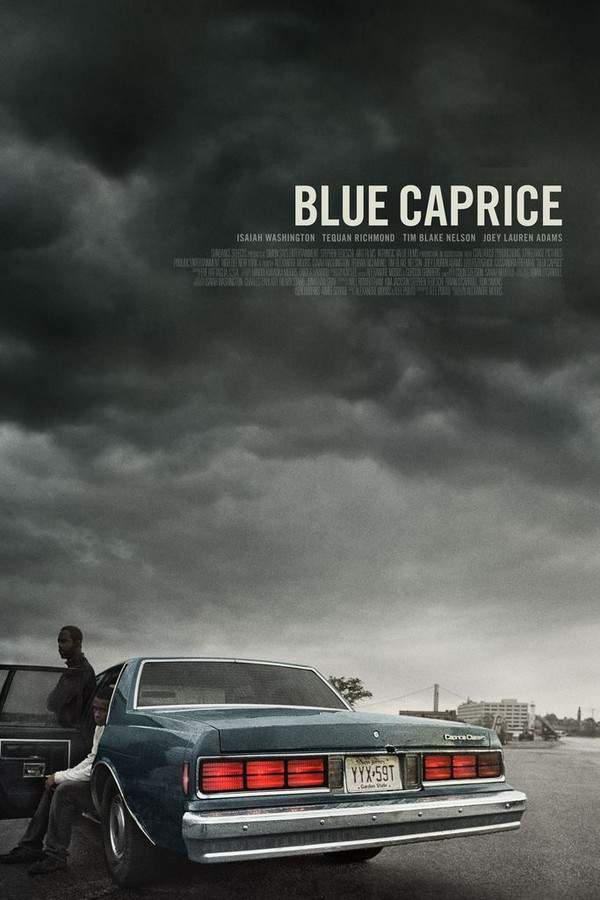
Blue Caprice (2013) Full Summary & Key Details
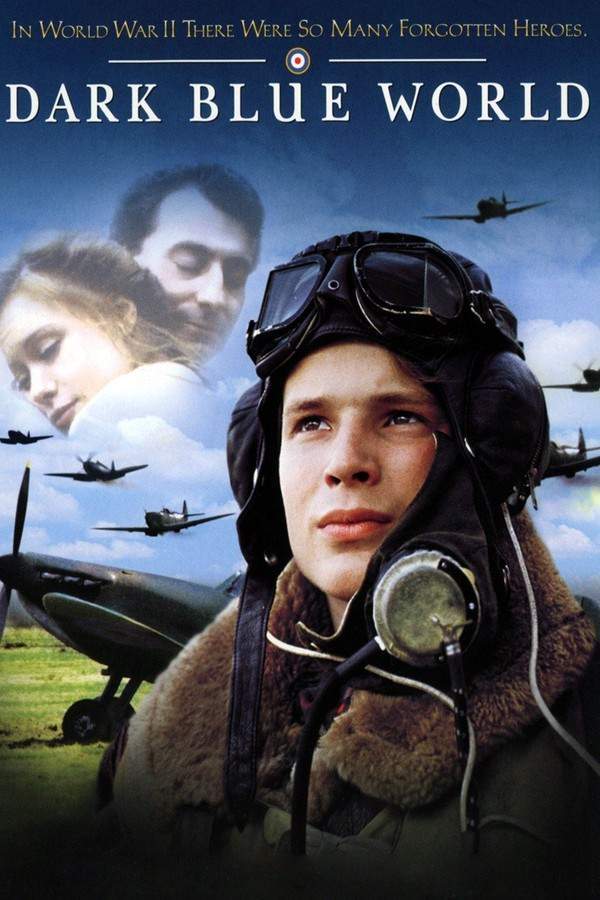
Dark Blue World (2001) Story Summary & Characters
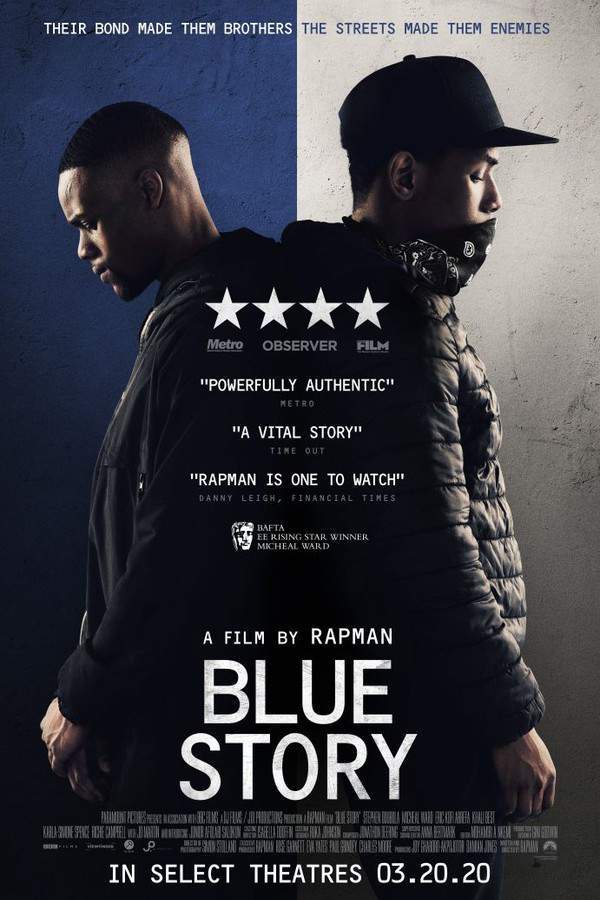
Blue Story (2020) Spoiler-Packed Plot Recap
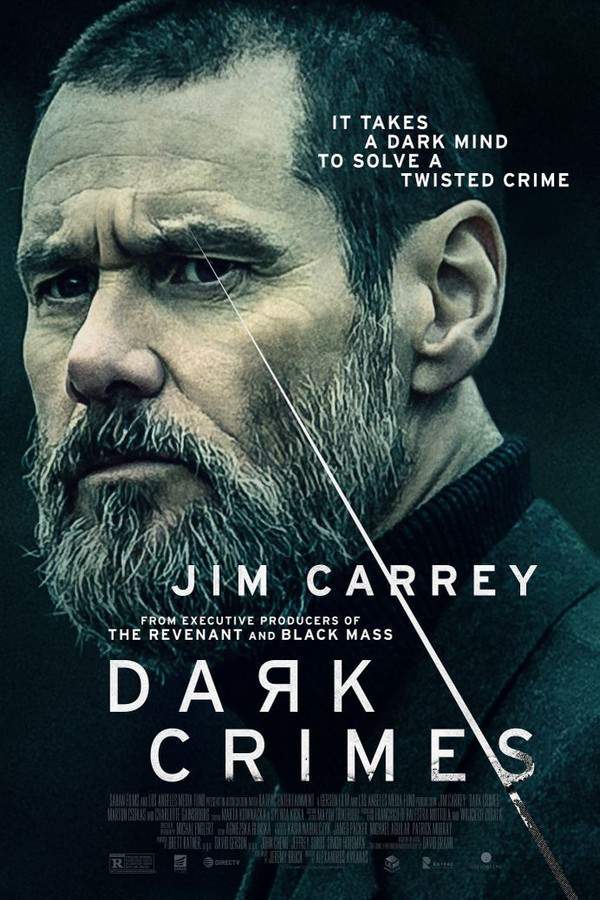
Dark Crimes (2018) Detailed Story Recap
Cold War 2 (2016) Spoiler-Packed Plot Recap
Black and Blue (2019) Story Summary & Characters
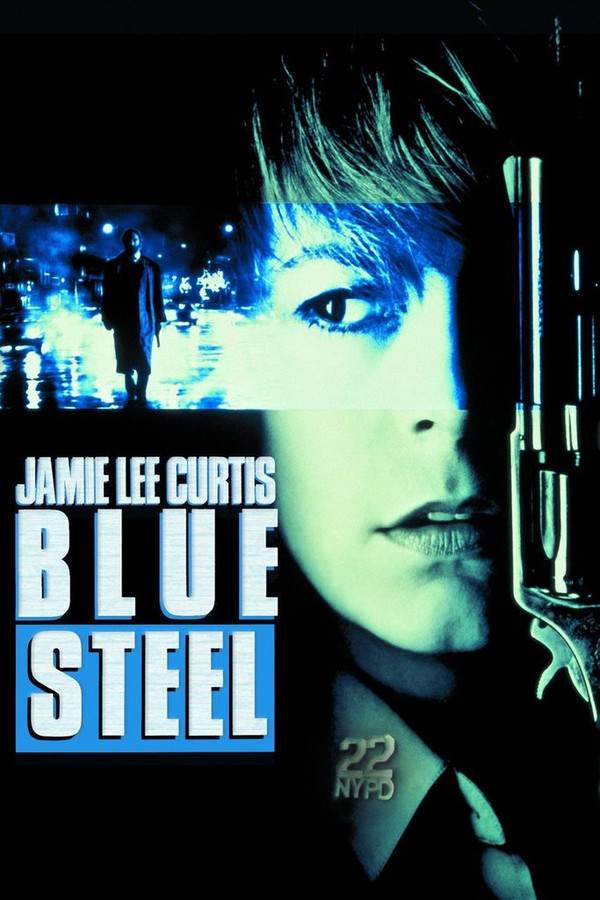
Blue Steel (1990) Ending Explained & Film Insights
Blue Thunder (1983) Plot Summary & Ending Explained
Blue City (1986) Complete Plot Breakdown
Dark Light (2019) Full Movie Breakdown
Shadowplay (1000) Spoiler-Packed Plot Recap
The Blue Dahlia (1946) Story Summary & Characters
The Blue Max (1966) Detailed Story Recap
Illegal in Blue (1995) Detailed Story Recap
The Blue Lamp (1950) Movie Recap & Themes