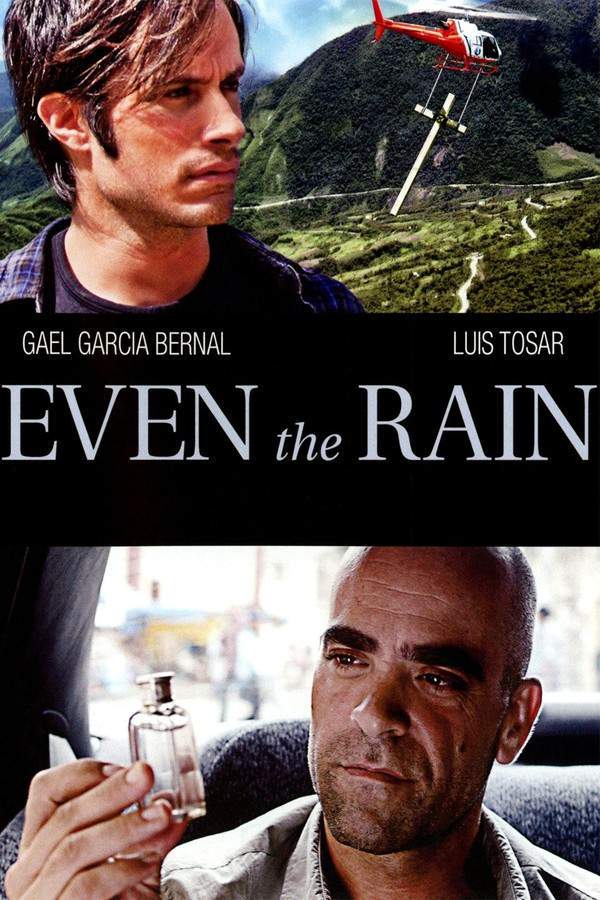
Even the Rain (Tambien la Lluvia)
Year: 2011
Runtime: 103 min
Language: Spanish
Director: Icíar Bollaín
During the filming of a historical drama about Christopher Columbus in Bolivia, a director and his crew find themselves caught up in social unrest and protests against the privatization of water. As they attempt to recreate a pivotal moment in history, they are forced to confront the parallels between the Spanish conquest of the Americas five centuries ago and the struggles of the Bolivian people today. The experience profoundly impacts their perspectives and challenges their understanding of colonialism and its enduring legacy.
Warning: spoilers below!
Haven’t seen Even the Rain (Tambien la Lluvia) yet? This summary contains major spoilers. Bookmark the page, watch the movie, and come back for the full breakdown. If you're ready, scroll on and relive the story!
Even the Rain (Tambien la Lluvia) (2011) – Full Plot Summary & Ending Explained
Read the complete plot breakdown of Even the Rain (Tambien la Lluvia) (2011), including all key story events, major twists, and the ending explained in detail. Discover what really happened—and what it all means.
Mexican filmmaker Sebastián and his Spanish executive producer Costa arrive in the heart of Cochabamba, Bolivia, joined by their dedicated cast and crew, to create a historical film about Christopher Columbus’s daring journey to the New World. The film will explore the imposition of Spanish authority over the indigenous people of Hispaniola, culminating in the courageous rebellion led by Hatuey. With a keen awareness of his budget constraints, Costa opts to shoot in Bolivia, the poorest country in South America, leading to an overwhelming turnout of hundreds of eager Bolivian locals responding to open casting calls.
Sebastián chooses Daniel, a spirited local, to portray the rebellious Taíno chief, Hatuey. Alongside him, Daniel’s daughter Belén also secures a significant role, marking the beginning of their journey in the film. During casting, tensions arise when directors begin to turn people away. In a passionate outburst, Daniel demands that every aspiring actor deserves a fair chance to audition, echoing the promise made in the casting pamphlet. Despite Costa’s reservations about hiring him, Sebastián is captivated by Daniel’s fervor, unaware of his involvement in a local protest against the controversial water privatization plan.
As filming progresses, the atmosphere turns tense when Anton, the actor portraying Columbus, grapples with alcoholism. Costa’s unease grows as he discovers Daniel’s revolutionary activities. During shooting, Costa makes derogatory remarks about the locals in English, oblivious to the fact that Daniel can understand him. This revelation causes Daniel to become increasingly aware of the exploitation his people are facing, leading to a transformation in Costa’s perspective as he begins to feel guilt for his prior indifference.
As the shoot nears completion, the indigenous people’s frustration boils over, prompting them to rise up for their right to water. Daniel, defying pleas to tone down his activism for a higher pay, champions the protests, drawing Costa’s ire when he witnesses Daniel being brutally beaten by the police amidst the riots. In a desperate attempt to quiet Daniel, Costa offers him a substantial bribe, which Daniel accepts, but he chooses to assist the demonstrators instead, ultimately leading to his imprisonment.
Sebastián wrestles with his conscience, pondering whether the film can be finished, yet finds solace in Costa’s determination to secure Daniel’s temporary release by bribing the police to film a critical scene depicting the execution of Hatuey. After completing this harrowing scene, the police arrive to detain Daniel once more, but in a surprising turn, the extras come to his aid, orchestrating his escape.
That evening, actors Juan and Alberto watch the distressing news unfolding in Cochabamba, their concern prompting them to demand to leave the project. In a plea, Sebastián implores them to stay, and they reluctantly agree. The following day, as preparations for the next filming day ensue, Costa is approached by Daniel’s wife, Teresa. Desperate for help, she seeks Costa’s assistance in locating Belén, who has gone missing amidst the protests and is critically injured. Initially hesitant, Costa is eventually swayed by Teresa’s relentless appeals, even as Sebastián passionately protests against it.
Navigating the devastated streets of Cochabamba, Costa is confronted with the stark reality of their situation. After an arduous journey, they manage to find Belén. While her life is saved, her leg sustains severe injuries that may hinder her future mobility. Meanwhile, a military blockade halts the rest of the crew, leading all but Anton to abandon Sebastián to return home. Shortly after, the revolution leads to the ejection of the multinational water company, yet the city lies in ruins from the conflict. Expressing a glimmer of hope for the film’s completion, Costa receives a heartfelt gift from Daniel in the form of a vial of Bolivian water, signifying gratitude for saving his daughter.
Last Updated: November 08, 2024 at 02:57

Explore Movie Threads
Discover curated groups of movies connected by mood, themes, and story style. Browse collections built around emotion, atmosphere, and narrative focus to easily find films that match what you feel like watching right now.
Movies about art clashing with reality like Even the Rain (Tambien la Lluvia)
Films where the making of a story becomes entangled with the real world it represents.For viewers who liked Even the Rain, these movies explore similar themes where a film or stage production becomes intertwined with real-world political or social conflicts. If you enjoy thought-provoking stories about the responsibilities of artists and the impact of art on society, you'll find compelling narratives here.

Our Brand Is Crisis
2006
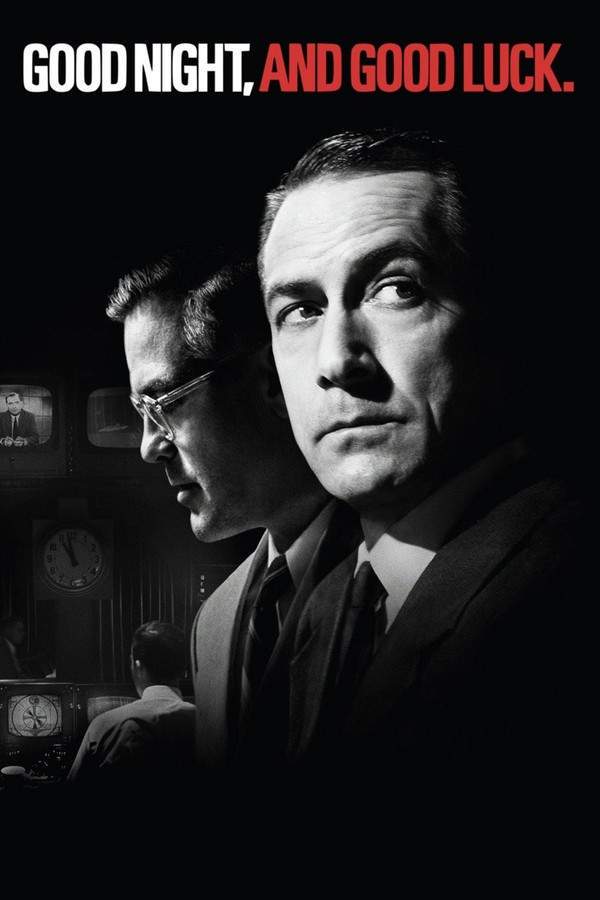
Good Night, and Good Luck.
2005

This Is Not a Movie
2020
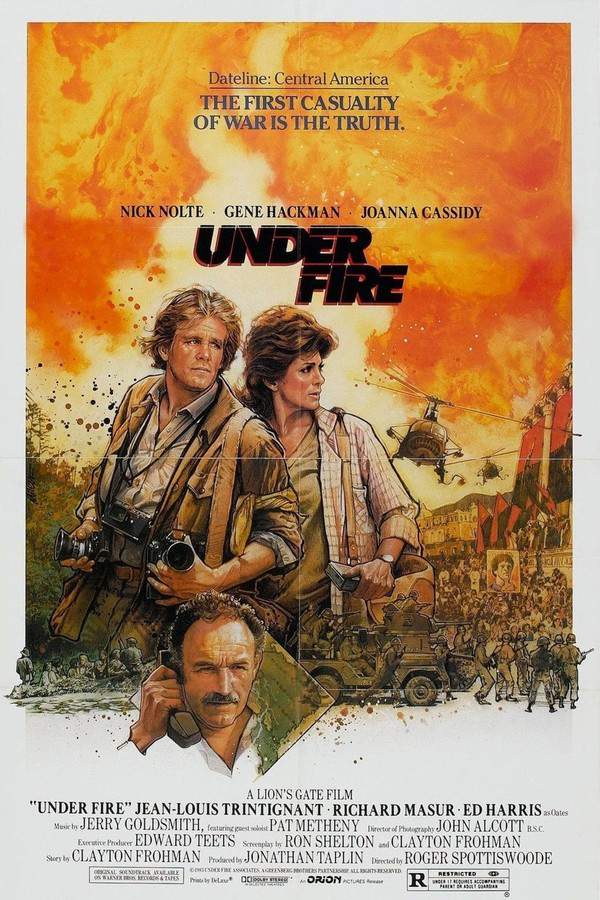
Under Fire
1983

Battle in Seattle
2008
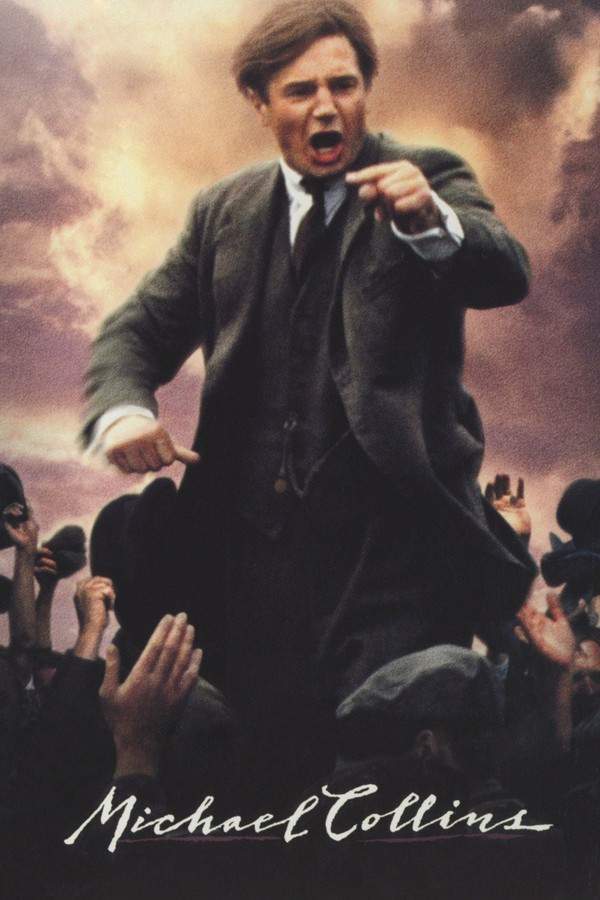
Michael Collins
1996

Death of a Nation
2018

This Revolution
2005

Even the Rain
2010

While at War
2019

One of the Hollywood Ten
2002

1987: When the Day Comes
2017

The Comedians
1967

RKO 281
1999

Conspiracy of the Doomed
1950
Narrative Summary
Stories in this thread typically follow a creative endeavor that becomes a catalyst for or is disrupted by real-world events. The narrative often involves a meta-commentary, where the themes of the art being created reflect or directly influence the unfolding real-life drama, leading to moral and ethical dilemmas for the creators.
Why These Movies?
Movies are grouped here because they share a core structure of a story-within-a-story, a tense and confrontational tone, and a heavy emotional weight derived from the collision of artistic idealism with harsh reality. The pacing is often steady, building towards a climactic moment where the two worlds fully intersect.
Movies with historical parallels like Even the Rain (Tambien la Lluvia)
Dramas that draw powerful parallels between past exploitation and present-day struggles.If you were fascinated by how Even the Rain connects the Spanish conquest to modern water privatization, this collection is for you. Discover other powerful films that use historical allegory to illuminate current social unrest, exploitation, and activism, offering a thought-provoking double narrative.
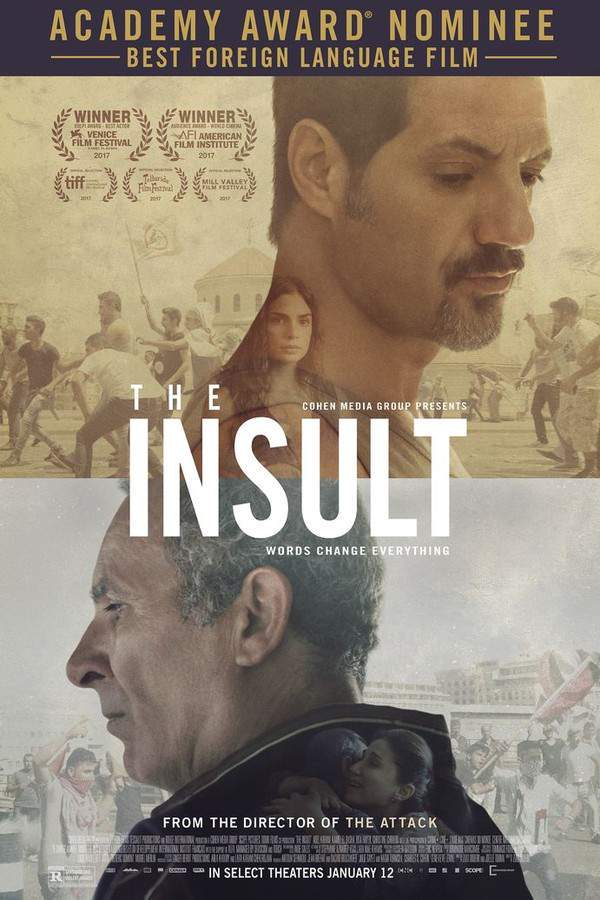
The Insult
2018
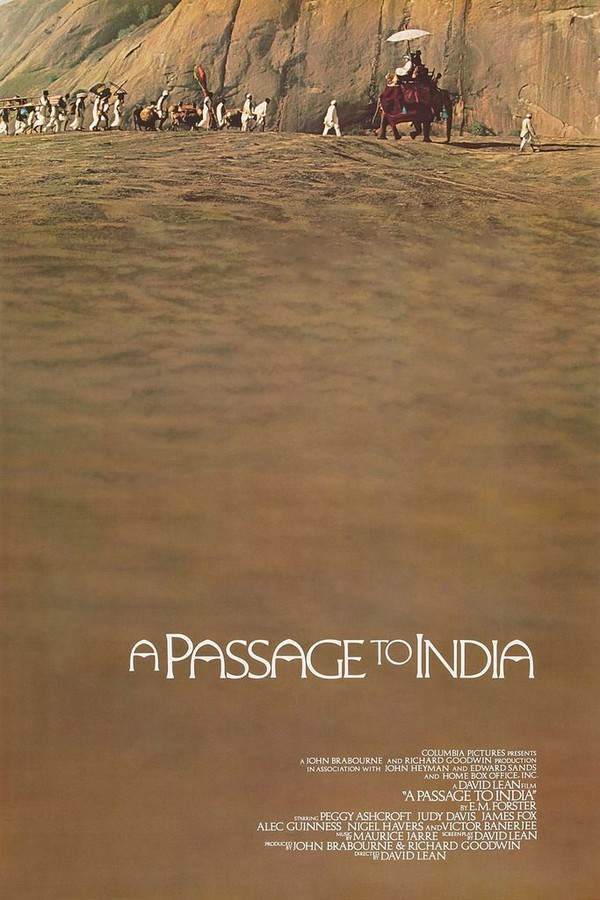
A Passage to India
1985
Even the Rain (Tambien la Lluvia)
2011
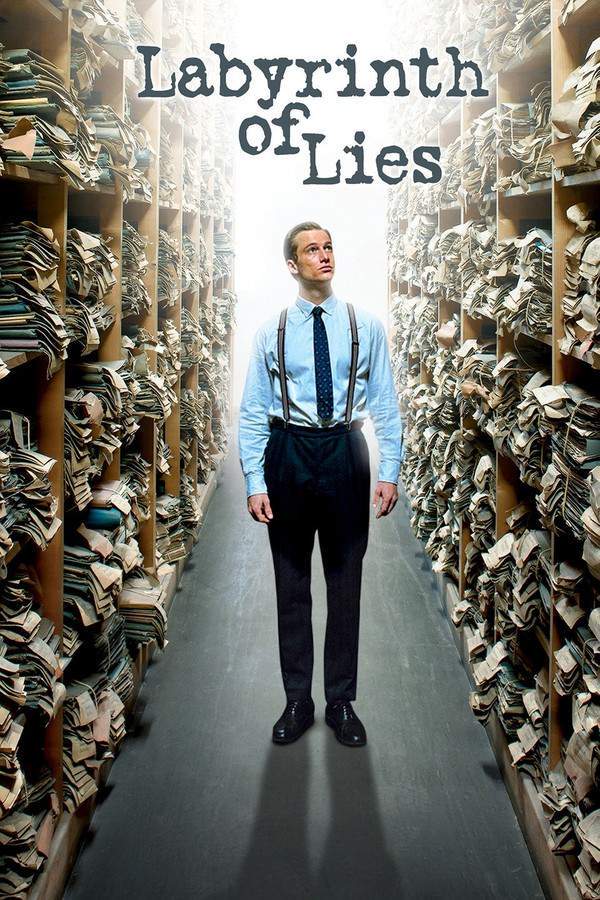
Labyrinth of Lies
2015

Valley of Tears
2003

The Mother of All Lies
2024
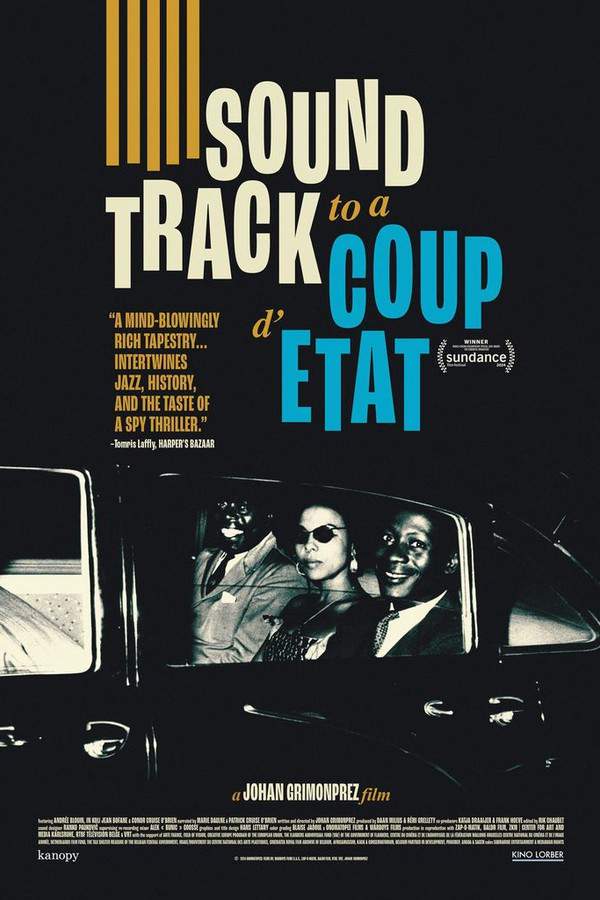
Soundtrack to a Coup d'Etat
2024

Beauty’s Rival in Palace
1000
Even the Rain
2010

Naxal
2015
1987: When the Day Comes
2017

An Officer and a Spy
2019
1945
2022

Let the River Flow
2023

An Officer and a Spy
2025
Narrative Summary
The narrative pattern involves two timelines or narrative layers—one historical, one contemporary—that mirror each other. The plot explores how the structures and injustices of the past are replicated or challenged in the present, often leading to a moral awakening for the characters as they recognize these enduring cycles.
Why These Movies?
These movies are grouped together because they share a specific thematic and structural approach: using a historical lens to critique modern issues. They deliver a heavy emotional impact through their urgent, socially conscious themes and a bittersweet tone, mixing the gravity of historical tragedy with the precarious hope of modern resistance.
Unlock the Full Story of Even the Rain (Tambien la Lluvia)
Don't stop at just watching — explore Even the Rain (Tambien la Lluvia) in full detail. From the complete plot summary and scene-by-scene timeline to character breakdowns, thematic analysis, and a deep dive into the ending — every page helps you truly understand what Even the Rain (Tambien la Lluvia) is all about. Plus, discover what's next after the movie.
Even the Rain (Tambien la Lluvia) Timeline
Track the full timeline of Even the Rain (Tambien la Lluvia) with every major event arranged chronologically. Perfect for decoding non-linear storytelling, flashbacks, or parallel narratives with a clear scene-by-scene breakdown.

Characters, Settings & Themes in Even the Rain (Tambien la Lluvia)
Discover the characters, locations, and core themes that shape Even the Rain (Tambien la Lluvia). Get insights into symbolic elements, setting significance, and deeper narrative meaning — ideal for thematic analysis and movie breakdowns.