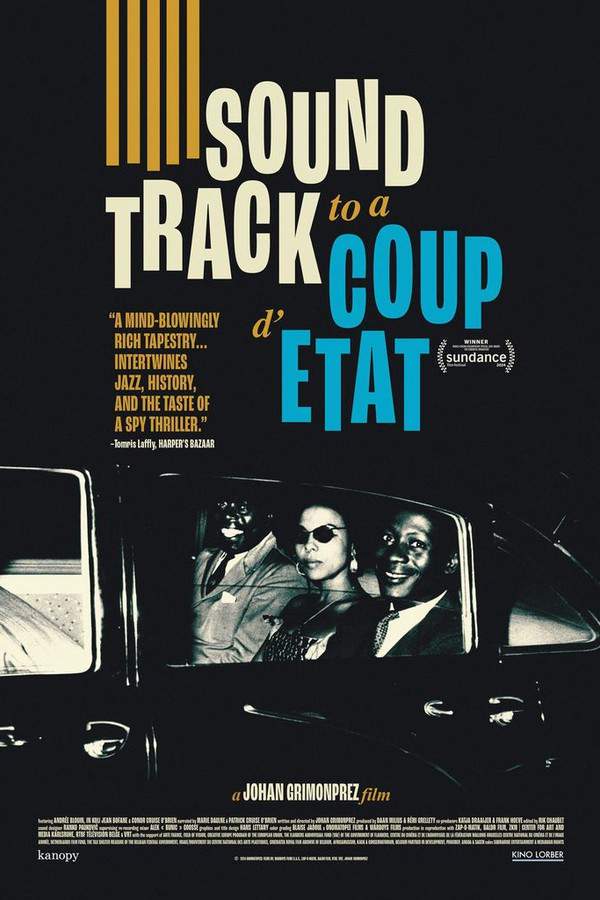
In 1960, as the Global South experiences a political upheaval, jazz musicians Abbey Lincoln and Max Roach unexpectedly find themselves at the United Nations Security Council. Amidst Nikita Khrushchev’s dramatic protest against America’s segregation policies, the United States sends jazz ambassador Louis Armstrong to the Congo, hoping to divert focus from the country's first post-colonial coup.
Warning: spoilers below!
Haven’t seen Soundtrack to a Coup d'Etat yet? This summary contains major spoilers. Bookmark the page, watch the movie, and come back for the full breakdown. If you're ready, scroll on and relive the story!
Read the complete plot breakdown of Soundtrack to a Coup d'Etat (2024), including all key story events, major twists, and the ending explained in detail. Discover what really happened—and what it all means.
On a fateful February morning in 1961, the esteemed singer Abbey Lincoln along with renowned drummer Max Roach audaciously storm the UN Security Council to voice their outrage over the brutal assassination of prime minister Patrice Lumumba, who was leading the newly independent Congo. The scene erupts into chaos as sixty fervent protesters unleash their anger, throwing punches and slamming their stilettos, igniting a confrontation with bewildered guards while diplomats watch in astonishment. This climactic moment encapsulates the dizzying upheaval of decolonization, filling the atmosphere with a tumult of hope and despair.
Fast forward six months earlier, when sixteen newly liberated African nations earn their rightful place in the United Nations, setting off a political earthquake that drastically alters the balance of power and dismantles the old colonial regimes. During this turbulent period of the Cold War, Soviet leader Nikita Khrushchev creates a memorable scene at the UN General Assembly, emphatically banging his shoe on his desk to express his outrage over the unfolding neo-colonial exploits in the Democratic Republic of the Congo. With a passionate outrage, he publicly condemns America’s racial injustices and the UN’s collusion in Lumumba’s downfall, clamoring for an immediate global decolonization.
In a bid to maintain access to the vast wealth of the territories formerly known as the Belgian Congo, King Baudouin of Belgium finds a compliant ally in the administration of Dwight D. Eisenhower, alarmed by the potential loss of crucial resources, particularly Uranium—a critical element for producing atomic weaponry. The Congo emerges as the epicenter of both the Cold War and the high-stakes maneuvering for control over the UN. The US State Department springs into action by dispatching jazz icon Louis Armstrong to charmingly win over the hearts of the African populace.
Unwittingly, Armstrong becomes a diversionary tactic, distractingly pulling attention away from the impending coup that will lead to the assassination of Lumumba, Congo’s first democratically elected leader. Meanwhile, the influential voice of Malcolm X passionately advocates for Lumumba’s vision of a United States of Africa, skillfully reframing the narrative of African Americans’ struggle not merely as a quest for civil rights but as a fight for universal human rights, determined to bring this cause before the UN.
As celebrated jazz ambassadors perform blissfully unaware in the shadows of covert CIA operations, jazz luminaries like Nina Simone, Duke Ellington, Miles Davis, Dizzy Gillespie, and Melba Liston are confronted with a profound moral quandary: how to symbolize a nation where segregation remains the law of the land.
This poignant amalgamation of jazz and decolonization unfolds in this often-overlooked chapter of Cold War history, showcasing how the greatest musicians graced the political arena while marginalized leaders became unintended vocal champions of their causes. The narrative of the subversion of African self-determination is eloquently articulated through the perspectives of celebrated activists such as Andrée Blouin, an advocate for women’s rights in the Central African Republic, the fiery Irish diplomat and provocateur Conor Cruise O’Brien, the insightful Belgian-Congolese writer In Koli Jean Bofane, and the fervent Nikita Khrushchev himself.
Last Updated: November 07, 2024 at 22:31
Discover curated groups of movies connected by mood, themes, and story style. Browse collections built around emotion, atmosphere, and narrative focus to easily find films that match what you feel like watching right now.
Dramatic stories where global superpowers clash over covert operations.If you liked the high-stakes political intrigue of Soundtrack to a Coup d'Etat, explore more movies about covert operations, Cold War tensions, and the unsettling moral landscape of international power games. These films share a tense tone and a complex view of historical events.
Narratives in this thread often focus on pivotal historical moments, unraveling the complex web of alliances, betrayals, and intelligence operations between nations. They typically involve a central, morally conflicted figure caught between ideologies, revealing how individual actions are swept up in colossal geopolitical forces.
Movies are grouped here due to their shared focus on global conflict, the tense atmosphere of deception, and the exploration of how historical events are shaped by unseen political machinations. They create a feeling of urgent, conspiratorial dread.
Stories where artists are caught in the crossfire of political agendas.For viewers who appreciated the conflict between jazz music and Cold War politics in Soundtrack to a Coup d'Etat, this section features films exploring how art and artists are used as pawns in political games, resulting in heavy emotional weight and morally complex journeys.
The narrative follows an artist or intellectual whose platform or talent becomes a tool for propaganda or soft power. The journey involves a growing awareness of this exploitation, leading to an internal crisis of conscience and a struggle to reclaim their art's purpose, often ending with a sense of bittersweet resolution.
These films are linked by their exploration of a specific moral conflict: the tension between artistic integrity and political necessity. They share a heavy emotional weight, a focus on historical context, and a tone that balances passion with a sense of betrayal.
Don't stop at just watching — explore Soundtrack to a Coup d'Etat in full detail. From the complete plot summary and scene-by-scene timeline to character breakdowns, thematic analysis, and a deep dive into the ending — every page helps you truly understand what Soundtrack to a Coup d'Etat is all about. Plus, discover what's next after the movie.
Track the full timeline of Soundtrack to a Coup d'Etat with every major event arranged chronologically. Perfect for decoding non-linear storytelling, flashbacks, or parallel narratives with a clear scene-by-scene breakdown.
Discover the characters, locations, and core themes that shape Soundtrack to a Coup d'Etat. Get insights into symbolic elements, setting significance, and deeper narrative meaning — ideal for thematic analysis and movie breakdowns.
Get a quick, spoiler-free overview of Soundtrack to a Coup d'Etat that covers the main plot points and key details without revealing any major twists or spoilers. Perfect for those who want to know what to expect before diving in.
Visit What's After the Movie to explore more about Soundtrack to a Coup d'Etat: box office results, cast and crew info, production details, post-credit scenes, and external links — all in one place for movie fans and researchers.
Discover movies like Soundtrack to a Coup d'Etat that share similar genres, themes, and storytelling elements. Whether you’re drawn to the atmosphere, character arcs, or plot structure, these curated recommendations will help you explore more films you’ll love.
Soundtrack to a Coup d'Etat (2024) Scene-by-Scene Movie Timeline
Soundtrack to a Coup d'Etat (2024) Movie Characters, Themes & Settings
Soundtrack to a Coup d'Etat (2024) Spoiler-Free Summary & Key Flow
Movies Like Soundtrack to a Coup d'Etat – Similar Titles You’ll Enjoy
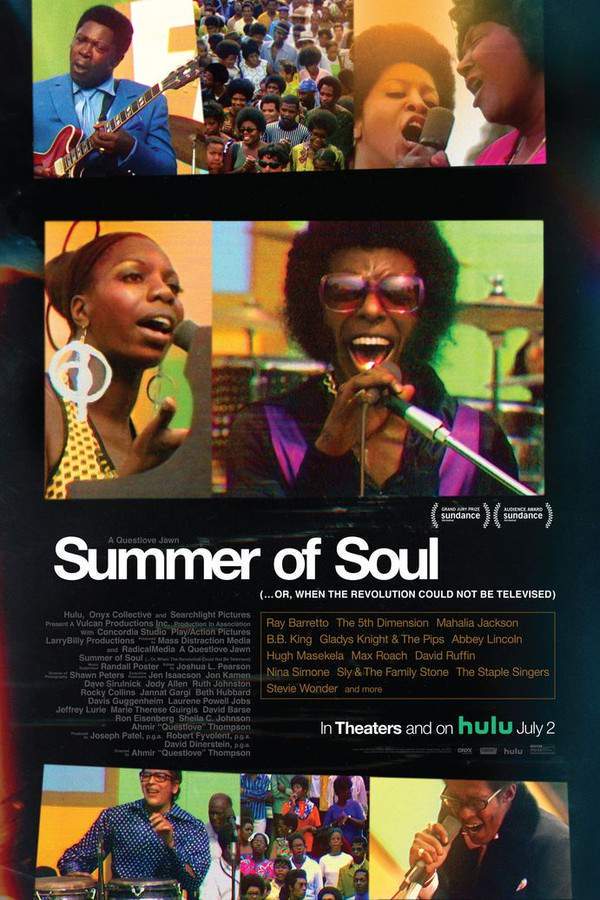
Summer of Soul (...Or, When the Revolution Could Not Be Televised) (2021) Movie Recap & Themes
Concerning Violence (2014) Full Summary & Key Details
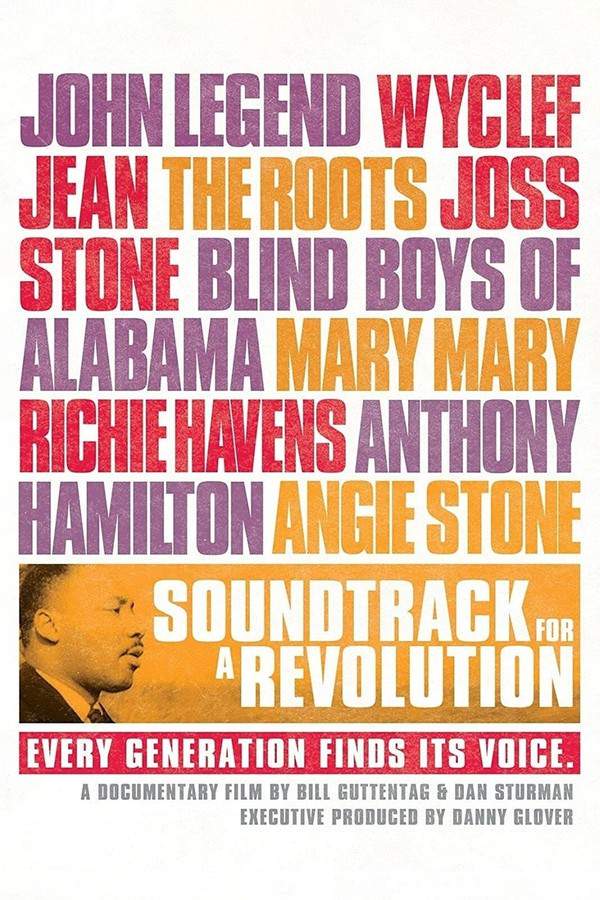
Soundtrack for a Revolution (2010) Plot Summary & Ending Explained
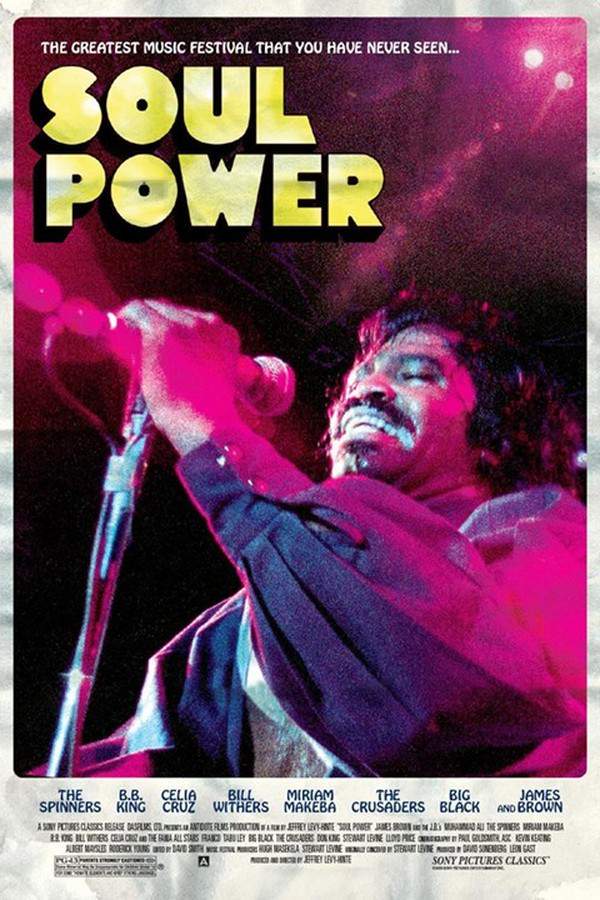
Soul Power (2009) Movie Recap & Themes
Amandla! A Revolution in Four Part Harmony (2003) Full Movie Breakdown
A Tuba to Cuba (2019) Movie Recap & Themes
The Jazz Ambassadors (2018) Complete Plot Breakdown
Ethiopiques: Revolt of the Soul (2017) Complete Plot Breakdown
Imagine the Sound (1981) Story Summary & Characters
The Rumba Kings (2021) Ending Explained & Film Insights
Soul to Soul (1971) Spoiler-Packed Plot Recap
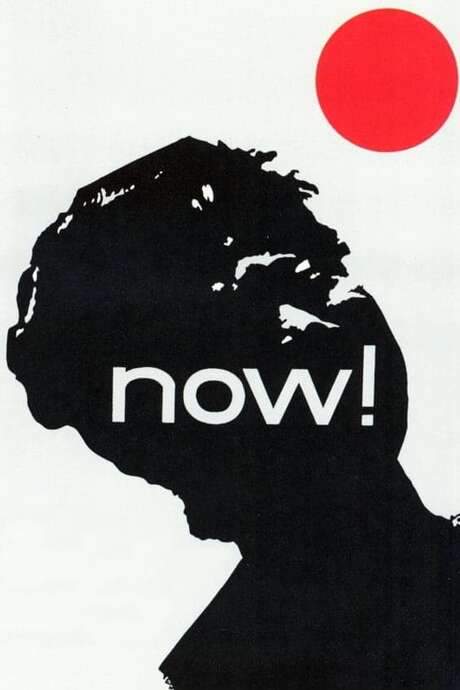
Now! (1965) Detailed Story Recap
The Cry of Jazz (1959) Detailed Story Recap
Disco: Soundtrack of a Revolution (2023) Full Summary & Key Details
68 (2008) Movie Recap & Themes