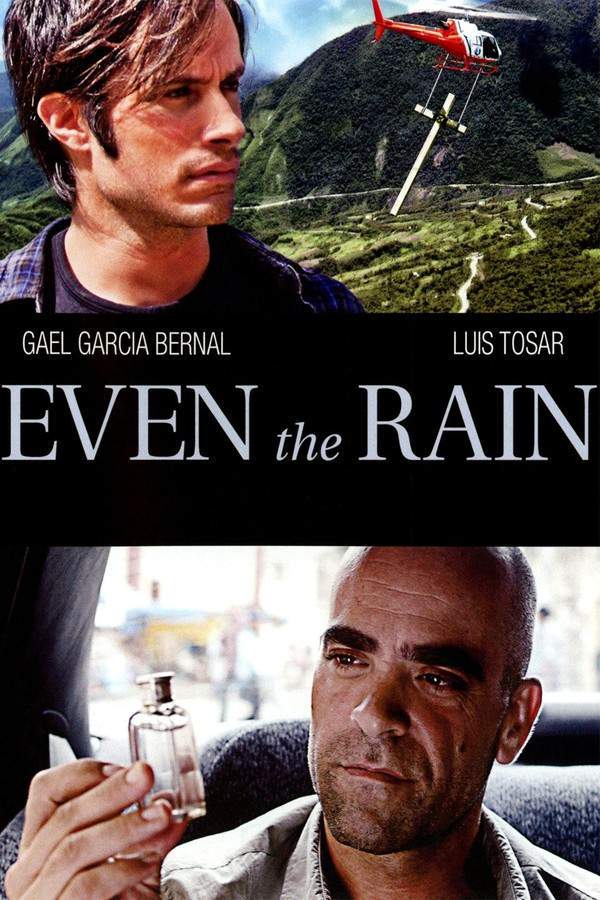
Even the Rain (Tambien la Lluvia)
Year: 2011
Runtime: 103 min
Language: Spanish
Director: Icíar Bollaín
During the filming of a historical drama about Christopher Columbus in Bolivia, a director and his crew find themselves caught up in social unrest and protests against the privatization of water. As they attempt to recreate a pivotal moment in history, they are forced to confront the parallels between the Spanish conquest of the Americas five centuries ago and the struggles of the Bolivian people today. The experience profoundly impacts their perspectives and challenges their understanding of colonialism and its enduring legacy.
Warning: spoilers below!
Haven’t seen Even the Rain (Tambien la Lluvia) yet? This summary contains major spoilers. Bookmark the page, watch the movie, and come back for the full breakdown. If you're ready, scroll on and relive the story!
Timeline – Even the Rain (Tambien la Lluvia) (2011)
Trace every key event in Even the Rain (Tambien la Lluvia) (2011) with our detailed, chronological timeline. Perfect for unpacking nonlinear stories, spotting hidden connections, and understanding how each scene builds toward the film’s climax. Whether you're revisiting or decoding for the first time, this timeline gives you the full picture.
Last Updated: November 08, 2024 at 02:57

Explore Movie Threads
Discover curated groups of movies connected by mood, themes, and story style. Browse collections built around emotion, atmosphere, and narrative focus to easily find films that match what you feel like watching right now.
Movies about art clashing with reality like Even the Rain (Tambien la Lluvia)
Films where the making of a story becomes entangled with the real world it represents.For viewers who liked Even the Rain, these movies explore similar themes where a film or stage production becomes intertwined with real-world political or social conflicts. If you enjoy thought-provoking stories about the responsibilities of artists and the impact of art on society, you'll find compelling narratives here.
Our Brand Is Crisis
2006
Good Night, and Good Luck.
2005
This Is Not a Movie
2020
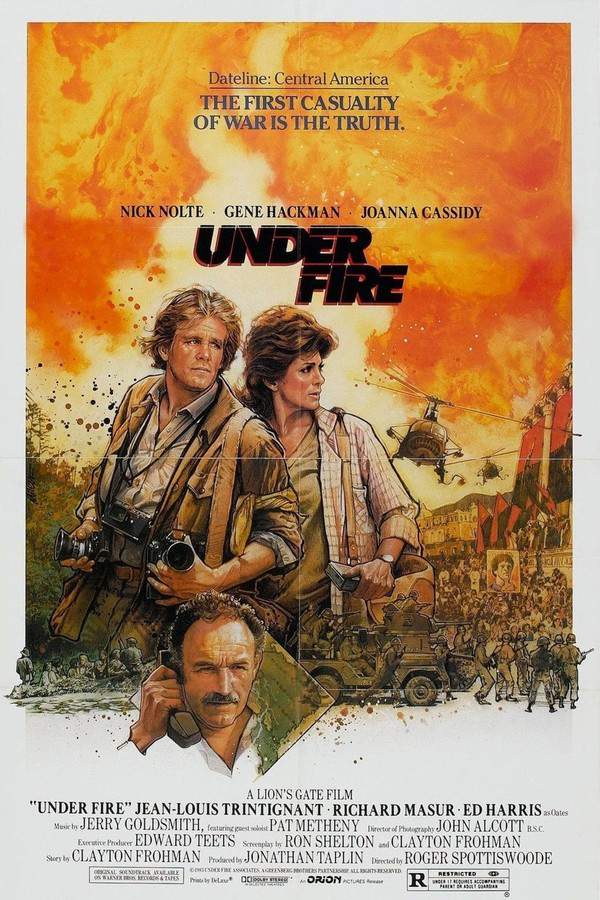
Under Fire
1983
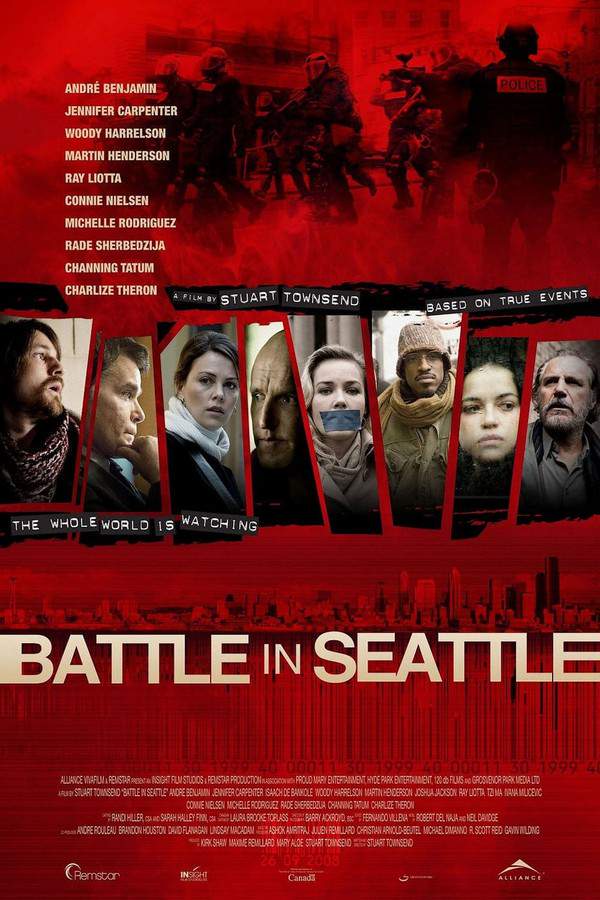
Battle in Seattle
2008
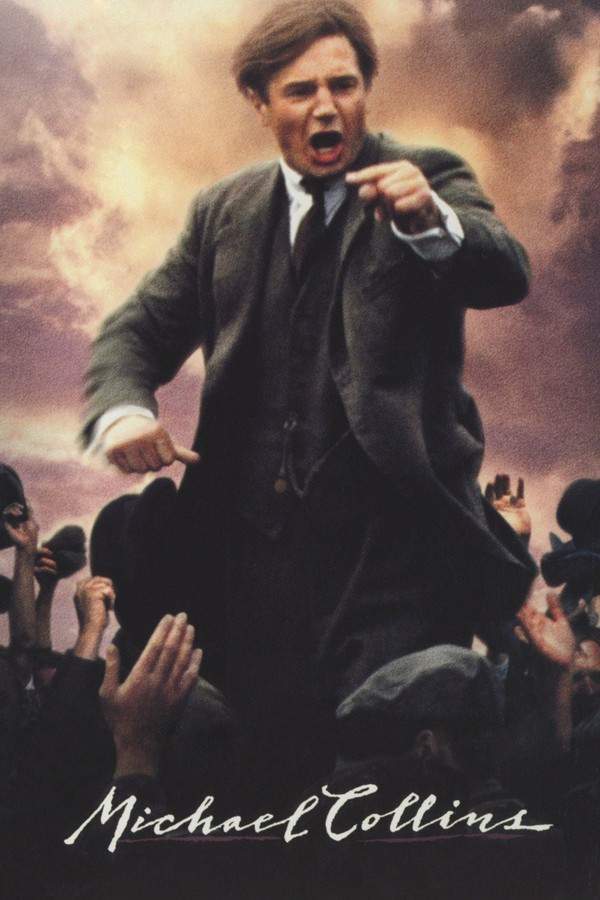
Michael Collins
1996
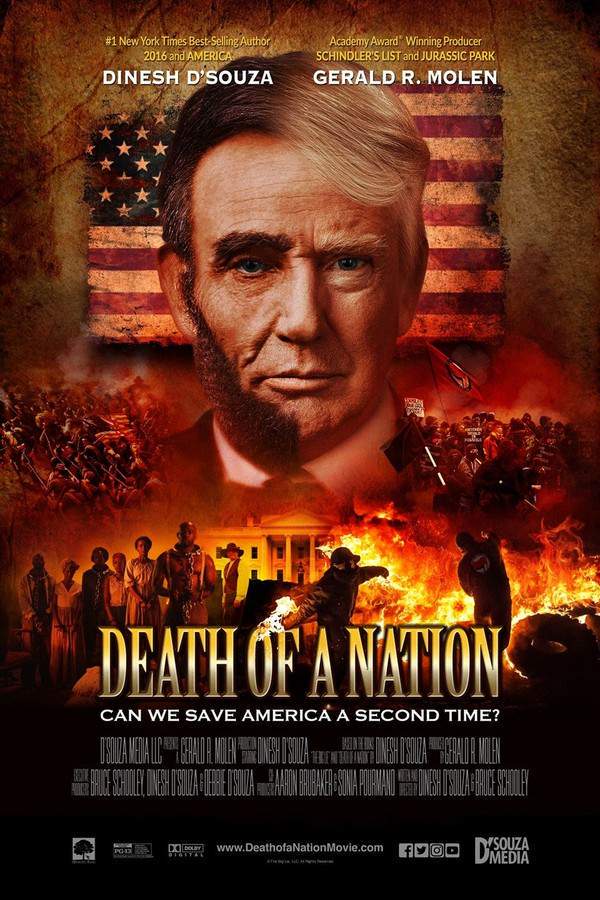
Death of a Nation
2018
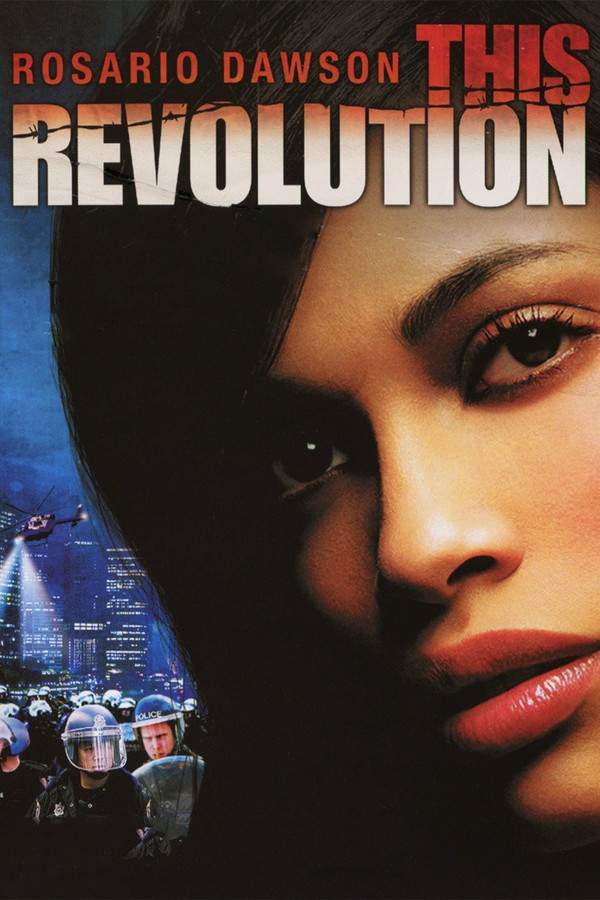
This Revolution
2005

Even the Rain
2010

While at War
2019

One of the Hollywood Ten
2002

1987: When the Day Comes
2017

The Comedians
1967

RKO 281
1999

Conspiracy of the Doomed
1950
Narrative Summary
Stories in this thread typically follow a creative endeavor that becomes a catalyst for or is disrupted by real-world events. The narrative often involves a meta-commentary, where the themes of the art being created reflect or directly influence the unfolding real-life drama, leading to moral and ethical dilemmas for the creators.
Why These Movies?
Movies are grouped here because they share a core structure of a story-within-a-story, a tense and confrontational tone, and a heavy emotional weight derived from the collision of artistic idealism with harsh reality. The pacing is often steady, building towards a climactic moment where the two worlds fully intersect.
Movies with historical parallels like Even the Rain (Tambien la Lluvia)
Dramas that draw powerful parallels between past exploitation and present-day struggles.If you were fascinated by how Even the Rain connects the Spanish conquest to modern water privatization, this collection is for you. Discover other powerful films that use historical allegory to illuminate current social unrest, exploitation, and activism, offering a thought-provoking double narrative.
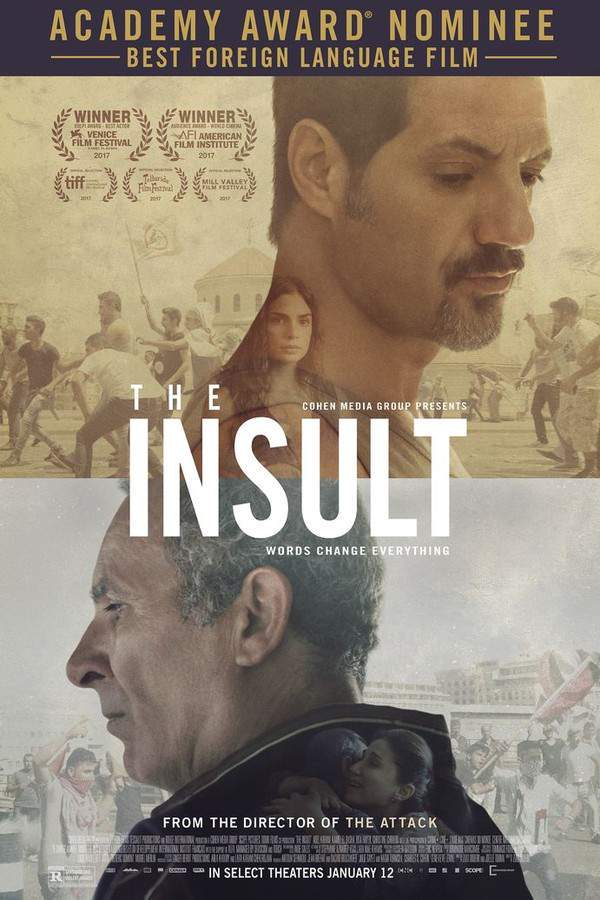
The Insult
2018
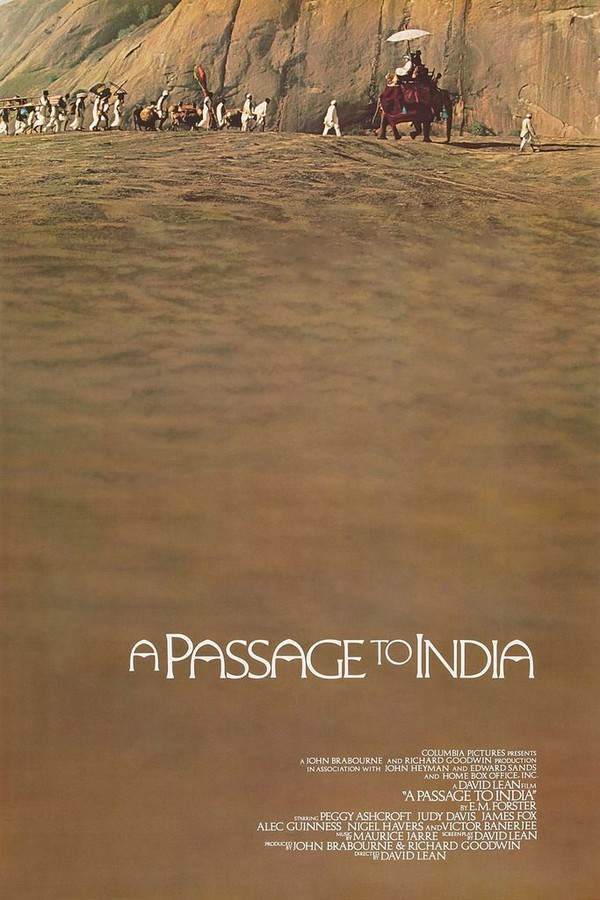
A Passage to India
1985
Even the Rain (Tambien la Lluvia)
2011
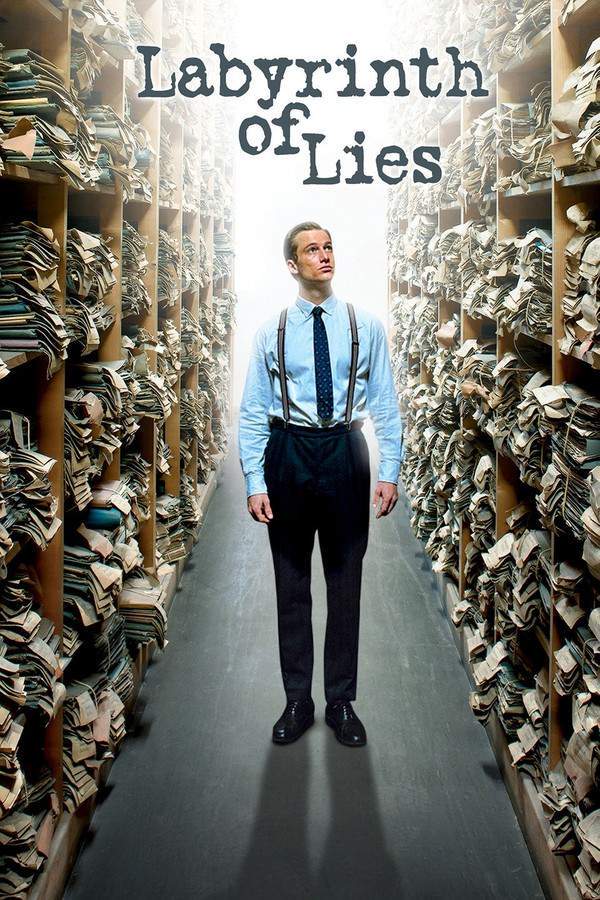
Labyrinth of Lies
2015

Valley of Tears
2003

The Mother of All Lies
2024
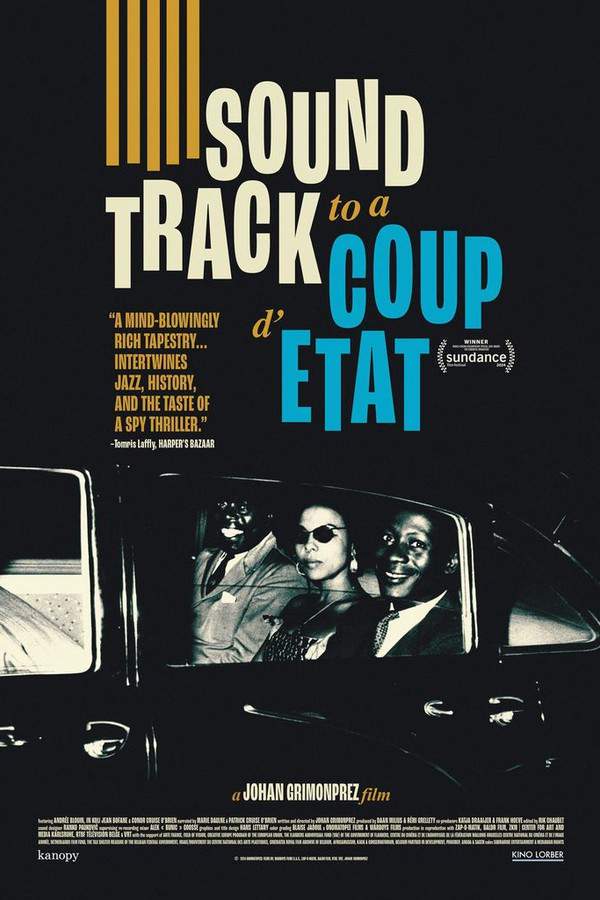
Soundtrack to a Coup d'Etat
2024

Beauty’s Rival in Palace
1000
Even the Rain
2010

Naxal
2015
1987: When the Day Comes
2017

An Officer and a Spy
2019
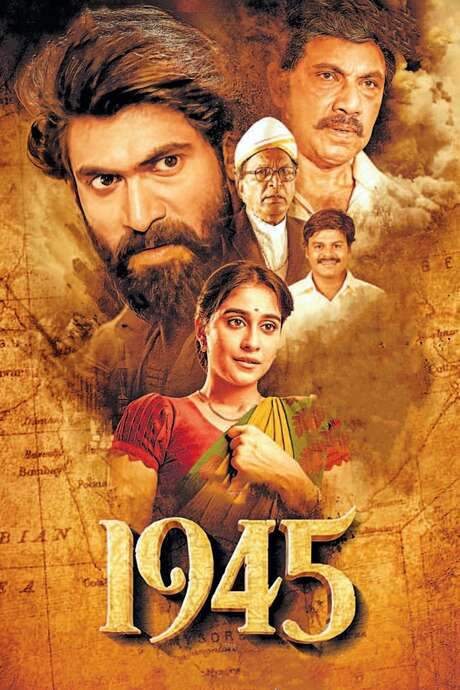
1945
2022

Let the River Flow
2023

An Officer and a Spy
2025
Narrative Summary
The narrative pattern involves two timelines or narrative layers—one historical, one contemporary—that mirror each other. The plot explores how the structures and injustices of the past are replicated or challenged in the present, often leading to a moral awakening for the characters as they recognize these enduring cycles.
Why These Movies?
These movies are grouped together because they share a specific thematic and structural approach: using a historical lens to critique modern issues. They deliver a heavy emotional impact through their urgent, socially conscious themes and a bittersweet tone, mixing the gravity of historical tragedy with the precarious hope of modern resistance.
Unlock the Full Story of Even the Rain (Tambien la Lluvia)
Don't stop at just watching — explore Even the Rain (Tambien la Lluvia) in full detail. From the complete plot summary and scene-by-scene timeline to character breakdowns, thematic analysis, and a deep dive into the ending — every page helps you truly understand what Even the Rain (Tambien la Lluvia) is all about. Plus, discover what's next after the movie.
Even the Rain (Tambien la Lluvia) Summary
Read a complete plot summary of Even the Rain (Tambien la Lluvia), including all key story points, character arcs, and turning points. This in-depth recap is ideal for understanding the narrative structure or reviewing what happened in the movie.

Characters, Settings & Themes in Even the Rain (Tambien la Lluvia)
Discover the characters, locations, and core themes that shape Even the Rain (Tambien la Lluvia). Get insights into symbolic elements, setting significance, and deeper narrative meaning — ideal for thematic analysis and movie breakdowns.