
Naxal
Year: 2015
Runtime: 109 mins
Language: Bengali, Bangla
Director: Debaditya Bandyopadhyay
In 1971, a man escaped and vanished. Now, after nearly 42 years, a FAX arrives at the Kolkata Metro Railways Headquarters announcing that Anirban will commit suicide under the last Metro. Questions about his identity and demands quickly surface, dominating the city's news and shaking the Kolkata Police Headquarters. As Anirban sends further FAX messages, the administration struggles to understand his motives and the meaning behind his reappearance.
Warning: spoilers below!
Haven’t seen Naxal yet? This summary contains major spoilers. Bookmark the page, watch the movie, and come back for the full breakdown. If you're ready, scroll on and relive the story!
Naxal (2015) – Full Plot Summary & Ending Explained
Read the complete plot breakdown of Naxal (2015), including all key story events, major twists, and the ending explained in detail. Discover what really happened—and what it all means.
On 21 May 1971, a group of Naxalite youths makes a daring escape, with the most prominent figure being Anirban Sen. In the confusion of that day, a comrade named Samar dies, and Anirban, along with their leader Sankar Da, slips away into the city, leaving behind a trail of unanswered questions and a legacy that haunts everyone involved.
Fast forward to 2013, after nearly 42 years, a fax lands at the Kolkata Metro Railways Headquarters announcing that Anirban will commit suicide under the last Metro. The message becomes a city-wide ripple, stirring the Kolkata Police Headquarters (Lalbazar) and television studios alike, as the rumor of a suicide reverberates through every corner of the metropolis. The spectacle draws attention from the top echelons of media and law enforcement, each trying to interpret the motive behind this ominous claim.
At the same moment, Siddhartha Chowdhury, the CEO of the number-one Bengali news channel, seizes the opportunity to surge his channel’s TRP by turning the crisis into a high-stakes broadcast. His plan is challenged, however, when Shubhankar, a journalist under Siddhartha’s umbrella, uncovers a startling twist: Sankar Da, long presumed dead or vanished, is very much alive in Kolkata under a new name, and that name belongs to Siddhartha Chowdhury himself. This revelation complicates the narrative, inserting personal risk into the professional arena and forcing the channel to confront how far it will go for ratings.
As the truth tightens its grip, Siddhartha makes a brash move to broadcast Anirban’s suicide LIVE, attempting to demonstrate ruthless control over the story and over those involved. Yet his confidence wavers as he realizes that Anirban knows a great deal about him, a realization that casts doubt on the grand plan and intensifies the danger. In response to the looming threat, Siddhartha withdraws a revolver from a safety locker, ready to end the confrontation and prove that he is not merely a hero of the press but a man capable of decisive, even ruthless action.
The tension escalates to a dramatic confrontation at the Maidan metro station, where the long-brewing conflict between Anirban and Siddhartha reaches its apex. In a climactic struggle that stirs memories of the past, Anirban seeks to avenge the deaths of his true friends from 1971, a vow carried for over four decades. The showdown culminates in Siddhartha’s death, and with that act, Anirban emerges as a true hero in the eyes of those who remember the friends lost decades earlier, closing a chapter that began with a fight for survival in 1971 and concluding with a reckoning that redefines his life and legacy.
Last Updated: October 09, 2025 at 16:03

Explore Movie Threads
Discover curated groups of movies connected by mood, themes, and story style. Browse collections built around emotion, atmosphere, and narrative focus to easily find films that match what you feel like watching right now.
Political suspense thrillers with a heavy conscience like Naxal
High-stakes thrillers where personal justice collides with systemic corruption.For viewers who liked the tense, morally complex political thriller Naxal, this list features movies with similar high-stakes investigations into historical injustice and corruption. These films share a gripping, urgent pace and a heavy emotional weight, often culminating in bittersweet resolutions.

State of Play
2009

The Ghost Writer
2010
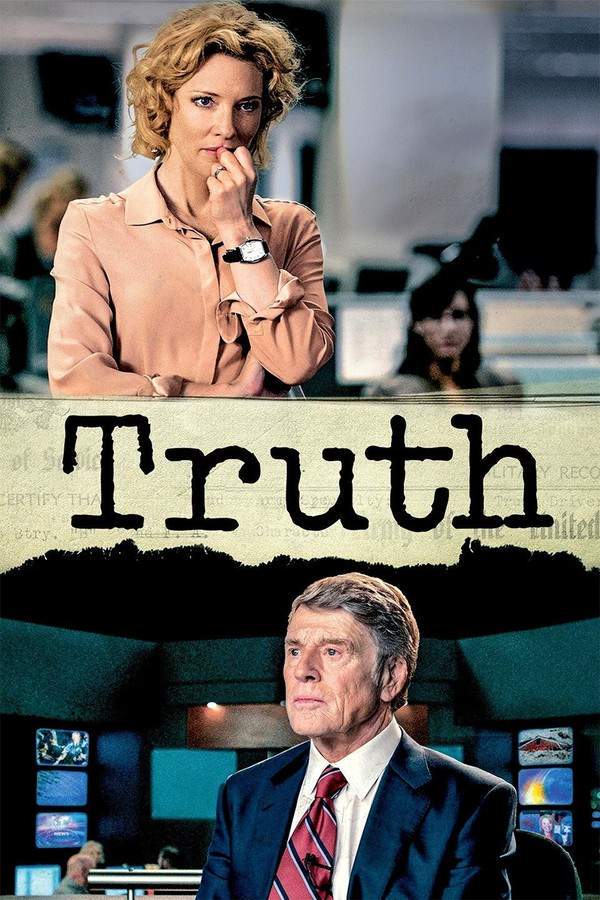
Truth
2015

Nothing But the Truth
2008
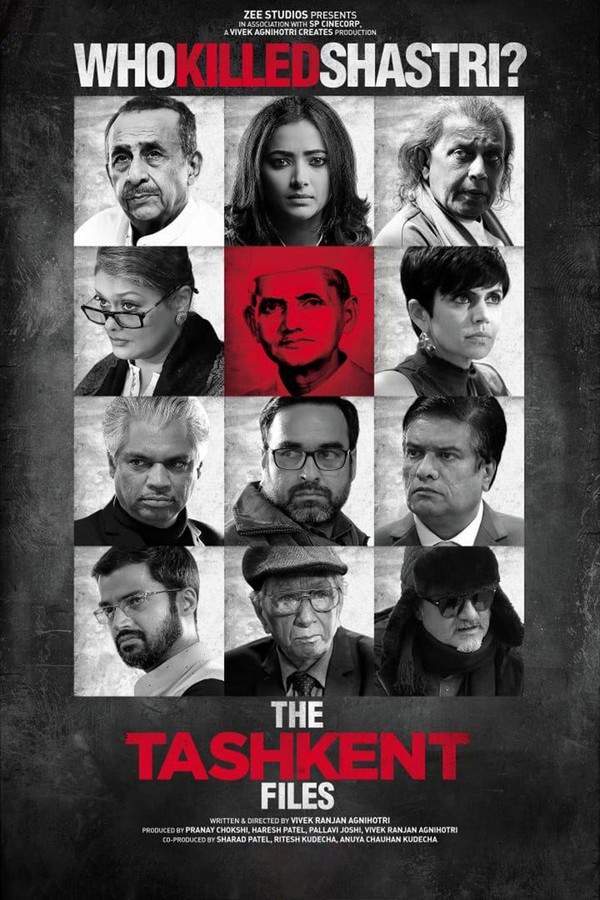
The Tashkent Files
2019

Truth
2014

Conspirators
2013

1987: When the Day Comes
2017

King’s Game
2004

Defence of the Realm
1985
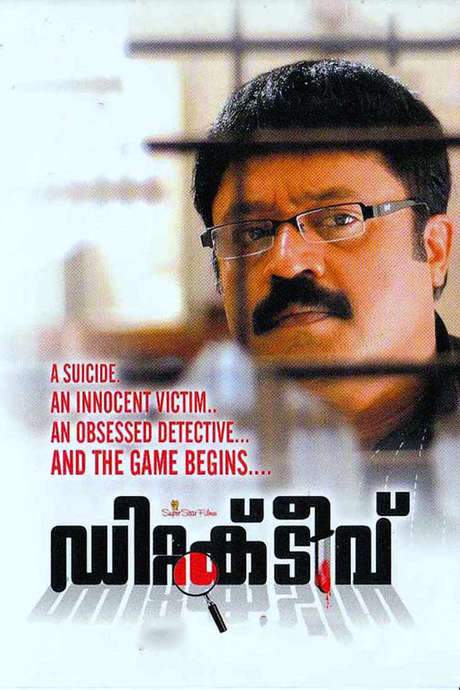
Detective
2007

The Conspirators
2021

Shadow Conspiracy
1997

The Truth
1998

An Officer and a Spy
2025
Narrative Summary
Stories in this thread typically follow a protagonist (or an antagonist-turned-avenger) uncovering a long-buried political crime. The narrative is a steady, methodical cat-and-mouse game, building suspense through media exposure, official resistance, and the looming threat of public revelation, leading to a confrontation that offers justice but rarely true victory.
Why These Movies?
These movies are grouped together because they share a core DNA of exploring historical trauma through the lens of a tense, present-day thriller. They blend high intensity with a heavy emotional weight, creating a gripping and reflective experience centered on themes of social justice and the personal cost of truth.
Identity mystery dramas with a slow reveal like Naxal
Character-driven dramas where a hidden past violently resurfaces.If you were captivated by the slow-burn mystery of Anirban's identity in Naxal, explore these films where a character's hidden past is central to the plot. These stories feature a steady pacing, moderate complexity, and a heavy emotional focus on trauma and personal revelation.













Narrative Summary
The narrative pattern involves a character living under an assumed identity, haunted by a repressed past. A triggering event forces this history to the surface, methodically peeling back layers through clues and confrontations. The journey is one of inescapable reckoning, where the revealed identity dictates a tragic or bittersweet fate.
Why These Movies?
These films are connected by their core focus on a character's identity crisis as the primary engine of suspense and drama. They share a steady, deliberate pacing that allows the mystery to unfold with maximum impact, coupled with a heavy, melancholic mood and a tone of inevitable tragedy.
Unlock the Full Story of Naxal
Don't stop at just watching — explore Naxal in full detail. From the complete plot summary and scene-by-scene timeline to character breakdowns, thematic analysis, and a deep dive into the ending — every page helps you truly understand what Naxal is all about. Plus, discover what's next after the movie.
Naxal Timeline
Track the full timeline of Naxal with every major event arranged chronologically. Perfect for decoding non-linear storytelling, flashbacks, or parallel narratives with a clear scene-by-scene breakdown.

Characters, Settings & Themes in Naxal
Discover the characters, locations, and core themes that shape Naxal. Get insights into symbolic elements, setting significance, and deeper narrative meaning — ideal for thematic analysis and movie breakdowns.