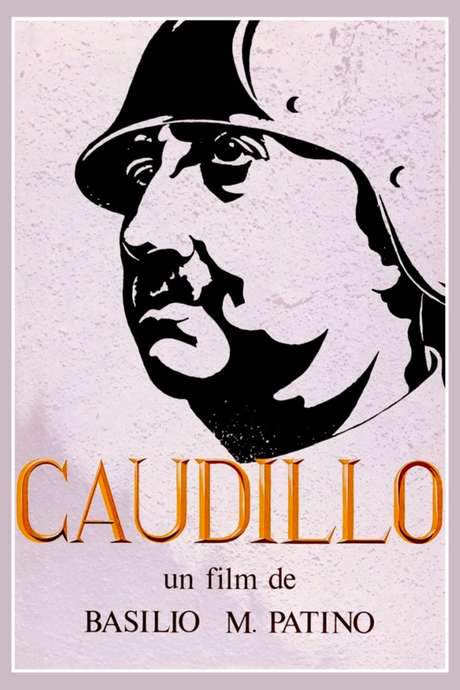
In the crucible of the July 1936 coup, Nationalist troops seize Salamanca and arrest the city’s Socialist mayor, setting a tense stage for what follows. Miguel de Unamuno, a revered author, gathers with two colleagues to discuss the upheaval: the Protestant priest Atilano and the leftist Salvador Vila Hernández. They debate the coup briefly, and Unamuno heads to an interview where he publicly supports the uprising. During that interview, the mayor’s wife interrupts, asking him to intervene on her husband’s behalf; Unamuno offers financial help instead, but she rejects his offer.
Elsewhere in Spanish Morocco, a German delegation presses General Francisco Franco to back a single Nationalist leader after the death of General José Sanjurjo. Franco contends that the Burgos junta still holds real power, despite the mounting push from his colleagues for him to take the helm. Back in Salamanca, Unamuno is removed from his post as rector of the University of Salamanca by the Second Spanish Republic in response to his support for the coup. He reconnects with Atilano and Salvador Vila Hernández, and a fervent confrontation unfolds, ending with Coco Martin’s absence from the scene after the argument.
Meanwhile, Millán-Astray presses Franco to relieve the Siege of the Alcázar in Toledo, but strategic concerns lead to a rebuff—relieving the siege would delay the war’s end for years. Millán-Astray continues to push for Franco to assume leadership, a proposal Franco repeatedly resists. Later, Franco replaces the Republic’s flag at his headquarters with the old monarchist banner, stirring discontent within the nationalist ranks. The junta travels to Salamanca to meet Franco and his generals, and Unamuno is summoned to plead for Coco’s release; he’s told his case will be reviewed.
Unamuno signs the manifesto reluctantly only after being pressed by the junta, while Franco is finally voted in as commander-in-chief. On leaving the meeting, he is handed a letter from Coco’s wife testifying to her husband’s innocence. Franco then visits a cathedral, where an image of El Cid inspires him to intensify his resolve and rally more fervor behind his cause.
In the countryside, Unamuno debates with Salvador Vila Hernández about the war. As they walk back, Salvador is arrested by Falangists, leaving Unamuno to return alone in the rain. He sinks into a delirious spell for days, and when he finally tries to personally appeal to Franco and his wife for their release, the effort fails. Millán-Astray confronts Unamuno again and informs him that he will be taking part in a Nationalist event at the university the next day. At the event, Unamuno initially resists speaking, but changes his mind after reading Coco’s wife’s letter. He delivers a speech that criticizes the nationalists, provoking the crowd to turn against him and effectively forcing him out.
An epilogue provides a concise look at the fates of several figures introduced in the film, underscoring the lasting consequences of the coup and the upheaval it unleashed.







 War-EbKnF-cAa9rFxA.jpg)