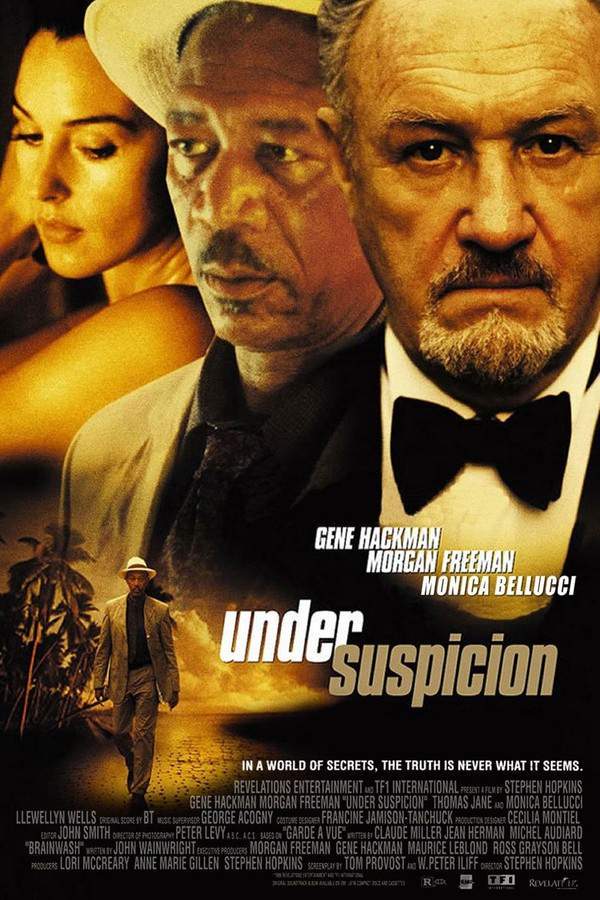
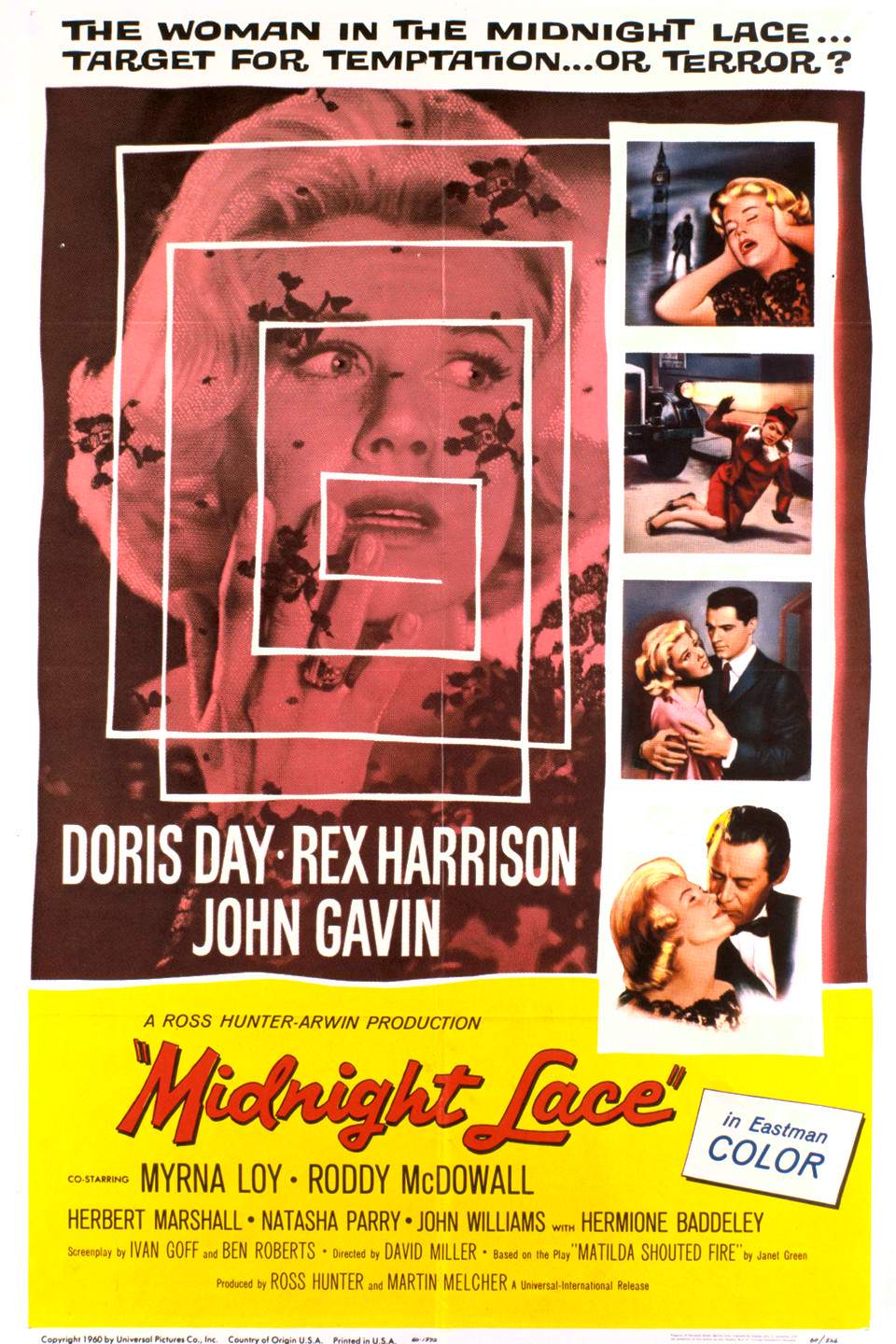
On the night Jason Roote is stabbed in the office, with George Radcliffe and Donald Heath as the only other employees present, a mailbag full of money vanishes in the chaos. The crime sets off a courtroom drama in which George’s sworn testimony sends the main suspect to prison, and Heath is convicted amid mounting tension and suspicion. The case leaves a wound that won’t heal for Martha Radcliffe, who begins to wonder if her husband might have exploited the chaos to cover a darker truth.
Years pass, and a lost mailbag is recovered. A long-delayed letter found inside it carries a chilling blackmail threat from Jeremy Clay, accusing George of the crime. The revelation unsettles Martha, and the web of doubt tightens around George as she digs deeper into the episode that once defined their lives. The note suggests that the trial may have hinged on a false narrative, pushing Martha to reexamine every detail she believed to be settled.
As the investigation unfolds, a series of troubling clues accumulate. George launches a new business venture soon after the trial, and he insists that the funds came from the stock market, a claim Martha struggles to square with the rapid rise in his fortunes. His intense desire for success, coupled with odd, secretive searches for Clay, points to a motive beyond pride or fear. An unknown partner, Morris Brooke, appears in these dealings, and the connection to that post-trial period deepens the mystery. Morris Brooke becomes a thread Martha hesitantly follows, sensing that the answers lie not in the courtroom but in the shadowy corridors of finance and ambition.
Clay—whose presence in the story once seemed distant—emerges with unsettling urgency. He claims to have witnessed the crime, and his insistence casts further doubt on the versions of events that have persisted for years. The tension between truth and perception thickens as Martha weighs the possibility that the truth could destroy more than one life. The emotional stakes rise as the couple’s fragile trust is tested by the fear that the past might be used to manipulate the present.
The emotional core of the tale tightens around Martha’s growing conviction and George’s attempts to maintain control of the narrative. He urges her to stop her inquiries, warning that her investigations could imperil his business and their future. The couple exchanges heated conversations in which Martha vacillates between doubt and a stubborn belief in her husband’s innocence, while George alternates between pleas for trust and warnings that she must choose her own path.
A chilling motif recurs—the old-style shaving razor that marks George’s masculine pride and the perilous edge of a cliff toward which the couple is drawn. The tension intensifies as Martha, while alone in the study, encounters Clay armed with the razor. A desperate struggle ensues, and Clay attempts to silence Martha with violent intent—the danger escalating as the razor’s gleam becomes a symbol of the peril closing in around them.
In the climactic sequence, Clay’s desperate murder attempt is thwarted when George intervenes just in time. Martha’s safety becomes the immediate peril, and the confrontation culminates with George subduing Clay as police arrive to take control of the situation. The resolution centers on truth, trust, and the choices that define a marriage under the strain of suspicion, power, and opportunity.
Overall, the story navigates the aftermath of a brutal crime and the slow unraveling of a conspiracy built on fear, pride, and hidden ambitions. It remains faithful to the tensions between appearance and reality, showing how easily a carefully constructed narrative can cradle a guilty secret, and how perseverance in seeking the truth can hinge on courage in the face of overwhelming pressure.