Plot Explained Spoilers guaranteed!
Plot Explained

Browse by genre

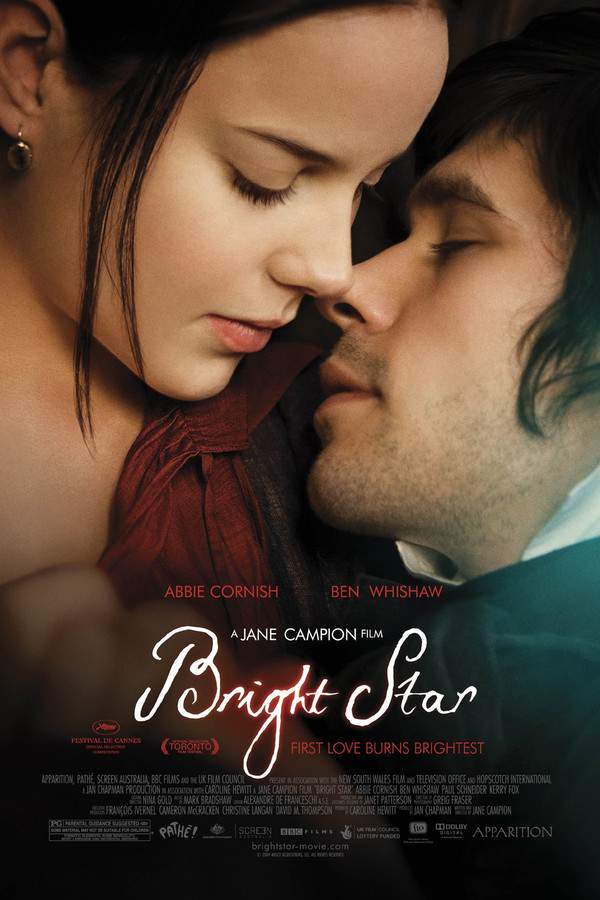
Bright Star (2009) movie poster

Characters & Themes

Bright Star (2009) Characters, Setting & Themes Explained

Release, runtime and language
2009 · 119 min · English
Loading streaming availability…
Directed by
Jane Campion
Starring
Abbie Cornish, Ben Whishaw, Paul Schneider
Budget
$8.5M

In 1818 London, a passionate and forbidden romance develops between the young poet John Keats and Fanny Brawne, a spirited and fashionable woman. Their intense connection inspires Keats’s poetic creativity, but their love faces challenges due to social conventions and the looming threat of mortality. As their relationship deepens, they must confront the heartbreaking realities of life and loss, forever shaping Keats’s legacy.

On this page (8)
  1. 1 Where to watch
  2. 2 Characters explained (3)
  3. 3 Where & when it takes place
  4. 4 Themes & meaning (4)
  5. 5 Character & meaning questions
  6. 6 Movie threads
  7. 7 Movies like Bright Star
  8. 8 Every angle
Loading streaming availability…

3 main characters · contains spoilers

Bright Star Characters Explained: Who Is Who

The main characters of Bright Star (2009), heroes and villains: what drives them, how they change over the course of the story and what each of them reveals about the film's bigger ideas.

  • Fanny Brawne (Abbie Cornish)

    A flirtatious, spirited young woman who pursues Keats with persistence. She moves from teasing to devotion, ultimately entering an engaged, passionate romance while navigating maternal concerns and social expectations. Her heartbreak over misunderstandings and Brown’s provocations deepens her resolve and loyalty.

    • 💘 Romantic
    • 👒 Flirtatious
    • ⚖️ Social constraints
    • ✉️ Letters and mourning
  • John Keats (Ben Whishaw)

    A gifted poet who is initially aloof but opens up to Fanny as their bond grows. His illness and precarious finances shape his decisions, including a winter departure for Italy. He invests in love and art, leaving an enduring literary legacy through his letters and sonnets.

    • ✒️ Poet
    • 🕊️ Reserved
    • 💔 Romantic
    • 🗺️ Artist
  • Charles Brown (Paul Schneider)

    Keats’s friend and housemate, who carries a playful but occasionally sharp wit. He teases and challenges Keats about Fanny, warns him of her flirting, and accompanies the pair on travels, before distancing himself due to personal circumstances.

    • 🎭 Friend
    • ⚡ Miscommunications
    • 💬 Messenger

Last updated: October 04, 2025 at 08:03

Was this helpful?

Setting

Where and When Does Bright Star Take Place?

The setting of Bright Star (2009): the year and time period, the places and locations, and how they shape the characters, the mood and the tension of the story.

Time period

1818–1821

The film unfolds during the Romantic era in post-Napoleonic Britain, beginning in 1818 and culminating with Keats’s death in 1821. It portrays a society where art, love, and propriety collide, shaping the choices of lovers who lack wealth and status. The timeline includes intimate seasons such as Christmas and the Italian voyage that frame their romance and its ultimate tragedy.

Location

Hampstead, London, Westminster, Italy

Set in early 19th-century London, the story centers on the Hampstead home shared by the Dilkes and the Brawnes. Hampstead represents a fashionable social circle where Keats, a rising poet, and Fanny Brawne intersect. The action also moves to Westminster as the families relocate, and later follows London’s streets and Christmas gatherings that shape their relationship.

  • ❄️ 19th-century London
  • 🏛️ Romantic drama
  • 🎨 Literary-inspired

Last updated: October 04, 2025 at 08:03

Was this helpful?

4 major themes

Bright Star Meaning: Themes & Message Explained

What is Bright Star (2009) really about? The emotional, social and philosophical themes the film keeps returning to, its symbolism and the message beneath the surface.

  • Romance

    A quiet, consuming romance drives the narrative as Fanny and Keats navigate a wary social landscape to find each other. Their courtship moves from playful exchanges to deep, committed love, even as appearances and money threaten their bond. The romance is tempered by misunderstandings, jealous expressions, and the sting of lost opportunities. Letters and spoken promises become their lasting connection.

  • Illness

    Keats's tuberculosis casts a long shadow over their time together, shaping decisions about travel, income, and health. The illness imposes urgency, prompting winter journeys and the need to seek warmer climates. The prospect of Italy frames their plans and sacrifices, underscoring the fragility of life and love. The disease ultimately claims Keats, adding a poignant weight to the romance.

  • Societal Constraints

    Class expectations and economic realities dictate the couple's prospects, with families probing intentions and suitability. Fanny’s mother voices practical concerns about wealth and status, limiting romantic possibilities. The story shows how social conventions can threaten genuine affection, even as love endures.

  • Art & Inspiration

    Poetry and letters are the lifeblood of the relationship, with Keats sharing his work and teaching Fanny through verse. The creative exchange binds them, elevating their romance beyond ordinary life. The film frames love as a catalyst for art and a testament to personal resilience.

Last updated: October 04, 2025 at 08:03

Was this helpful?

Character & theme questions

Bright Star Characters & Meaning: Your Questions Answered

The questions people ask about Bright Star (2009): who the characters really are, their relationships, what the symbols mean, where it takes place and what the movie is really about. Each answer contains spoilers.

Q1

Where is the movie set?

The film is set in early 19th-century London, primarily in Hampstead and Westminster. The story centers on the Hampstead home shared by the Dilkes and the Brawnes, a fashionable social circle where the poet John Keats and Fanny Brawne meet. The action also moves to Westminster as their families relocate, and later follows them to Italy as Keats's health declines.

  • hampstead
  • london
  • westminster
  • italy
  • setting
  • locations
Q2

What time period does the movie cover?

The film takes place during the Romantic era in post-Napoleonic Britain, spanning from 1818 to 1821. This period is significant because it portrays a society where art, love, and propriety collide, shaping the difficult choices facing lovers who lack wealth and status.

  • 1818
  • 1821
  • romantic era
  • time period
  • historical
Q3

What is the main theme of the movie?

The central theme is a quiet, consuming romance between Fanny Brawne and John Keats as they navigate social conventions to be together. Their courtship evolves from playful exchanges to deep, committed love, even as financial constraints, class expectations, and Keats's declining health threaten their bond.

  • romance
  • love
  • keats
  • fanny
  • theme
  • relationship
Q4

How does Keats's illness affect the story?

Keats's tuberculosis casts a long shadow over the narrative, shaping decisions about travel, income, and health. The illness creates urgency, prompting winter journeys and the need to seek warmer climates in Italy. The disease ultimately claims Keats's life, adding poignant weight to the romance and underscoring the fragility of both life and love.

  • tuberculosis
  • illness
  • health
  • keats
  • italy
  • death
Q5

What role do social class and money play in the story?

Class expectations and economic realities heavily influence the couple's prospects. Fanny's mother expresses practical concerns about wealth and status, limiting romantic possibilities. The film shows how social conventions can threaten genuine affection, even as love endures between the two poets.

  • class
  • society
  • money
  • constraints
  • poverty
  • status
Q6

How is poetry used in the movie?

Poetry and letters serve as the lifeblood of the relationship. Keats shares his work with Fanny and teaches her through verse, using creative exchange to deepen their bond. The film frames love as a catalyst for artistic creation and a testament to personal resilience, with letters and spoken promises becoming their lasting connection.

  • poetry
  • insiration
  • art
  • letters
  • keats
  • sonnets
Q7

Who is Fanny Brawne?

Fanny Brawne is a flirtatious, spirited young woman who pursues the poet John Keats with persistence. She evolves from teasing exchanges to deep devotion, ultimately entering an engaged, passionate romance while navigating her mother's concerns and social expectations. Her heartbreak over misunderstandings deepens her loyalty to Keats.

  • fanny brawne
  • character
  • abbie cornish
  • keats
Q8

Who is John Keats?

John Keats is a gifted Romantic poet who is initially aloof but gradually opens up to Fanny as their bond grows. His tuberculosis and precarious financial situation shape his decisions, including a winter departure for Italy. He invests deeply in both love and art, leaving an enduring literary legacy through his letters and sonnets.

  • john keats
  • poet
  • ben whishaw
  • romantic
  • writer
Q9

Who is Charles Brown in the story?

Charles Brown is Keats's friend and housemate who provides both playful companionship and occasional sharp wit. He teases Keats about Fanny, warns him of her flirting, and accompanies the pair on travels before distancing himself due to personal circumstances.

  • charles brown
  • paul schneider
  • friend
  • keats
  • housemate
Q10

What is Hampstead like in the movie?

Hampstead represents a fashionable social circle in early 19th-century London where the creative and literary elite mingle. It is at this elegant location that the rising poet Keats and the spirited Fanny Brawne intersect, forming the foundation of their forbidden romance.

  • hampstead
  • society
  • fashionable
  • london
  • elite
Q11

Why does the story move to Italy?

Italy becomes significant as Keats's tuberculosis worsens, prompting the couple to seek warmer climates in hopes of improving his health. The Italian voyage frames their final plans and sacrifices, representing both desperate hope and the tragic inevitability that awaits the young poet.

  • italy
  • travel
  • voyage
  • health
  • tuberculosis
  • rome
Q12

What is the Romantic era setting about?

The film is set during the Romantic era in post-Napoleonic Britain, a time when art, emotion, and individual expression were highly valued. This cultural context shapes the characters' pursuits of passionate love and poetic inspiration, even as they face the constraints of a society still governed by rigid class conventions.

  • romantic era
  • post-napoleonic
  • culture
  • art
  • poetry
  • britain

Movie threads

More Movies Like Bright Star, by Mood & Story

Curated lists built around what makes Bright Star tick: the same mood, the same kind of story or the same emotional payoff. Each list explains why these movies belong together.

Movies like Bright Star: Melancholic Muse Romances

Gentle tales of artists finding inspiration and heartbreak in a forbidden love. Find other movies like Bright Star that depict tender, artist-muse relationships. If you enjoyed the poetic romance and creative inspiration of Bright Star, you'll appreciate these similar stories of love, artistry, and heartbreak.

  • romantic
  • melancholic
  • tender
  • yearning
  • grieving
  • quiet
  • Tone: melancholic, tender, romantic
  • Pacing: slow, character driven
Why these movies?

The story pattern: The narrative typically follows a burgeoning romance between a passionate artist and the person who becomes their inspiration. Their love intensifies the artist's work but is threatened by societal norms, illness, or circumstance, culminating in a bittersweet or tragic ending that solidifies their legacy.

Why they belong together: Movies are grouped here for their shared focus on the delicate interplay between love and art, a consistently melancholic tone, and the exploration of how profound connection can inspire greatness amid inevitable sorrow.
Quiet Period Tragedies similar to Bright Star

Understated historical dramas where quiet emotions lead to profound loss. Discover quiet period tragedies with a similar feel to Bright Star. These movies feature slow pacing, a melancholic tone, and emotionally resonant stories set in the past, perfect for viewers who appreciated the gentle, tragic beauty of Bright Star.

  • melancholic
  • quiet
  • gentle
  • grieving
  • tender
  • yearning
  • Tone: melancholic, restrained, sad
  • Pacing: slow, atmospheric
Why these movies?

The story pattern: Stories in this thread follow a linear, straightforward path in a historical setting. The central conflict is often internal or relational—such as a forbidden love—and the tragedy stems from inescapable realities like illness or social strictures, rather than violent or sudden action.

Why they belong together: This thread connects films based on their shared quiet, melancholic atmosphere, slow-burn pacing, and the experience of a deeply felt but understated tragedy set against a richly detailed historical backdrop.

If you liked this

Movies Like Bright Star

Similar movies to Bright Star: the same genre, themes or kind of story. Each one comes with its own plot summary, timeline and ending explained.

Browse all movie summaries

Every angle

Bright Star (2009) Explained: Plot, Timeline & Characters

Everything about Bright Star in one place: what happens in the plot summary, the timeline in chronological order, the characters and meaning and a spoiler-free summary. What's After the Movie adds the cast, box office and post-credit scenes.

Coming soon on iOS and Android

The Plot Explained Movie Summary App

Plot summaries, endings explained and timelines on your phone. Catch up on any movie in minutes, save your favorites and never miss a twist again.

Be the first to know when we launch. Your email stays private, always.

Learn more about the app