Ah Yuan and Ah Yun are childhood sweethearts who grow up in Jiufen, a rural town nestled in the hills of northern Taiwan. Their days are marked by simple but steady routines: they ride the same train to school each day and then walk back home along the railway and the winding uphill roads that frame their early years. The bond between them deepens as they share the landscape around them, and as their fathers work as coal miners, the two remain inseparable through the rhythms of childhood and adolescence. The setting—dusty streets, earthy smells, and distant quarry echoes—feels like a quiet but persistent backdrop to a first, fragile kind of love.
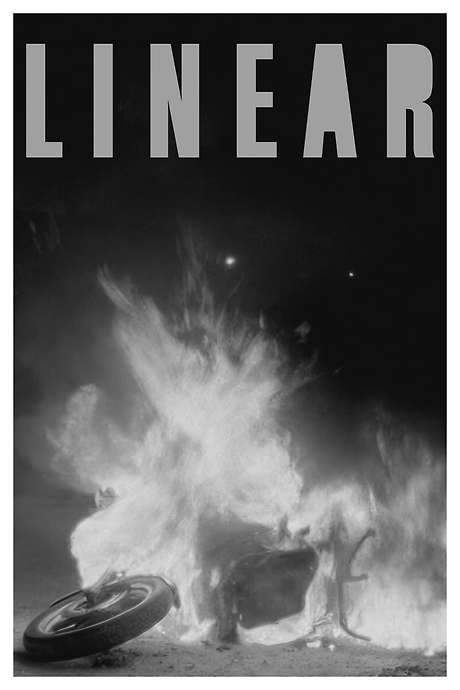
After finishing high school, Ah Yuan moves to Taipei to work at a printing shop, and about a year later Ah Yun follows, taking a job at a tailor shop. The shift from the familiar countryside to the hustle and pressure of city life proves challenging for both of them. They navigate the noise of urban living, the surprise of crowded markets, and the homesickness that can creep in when the routines of village life are left behind. Yet they find comfort in friends who share a similar rural origin, a community within the city that keeps a thread of home alive. A stressful moment occurs when Ah Yuan’s motorbike is stolen while they are shopping for shoes at Chunghua Market, a small but sharp reminder of how fragile city life can be. Through it all, the couple leans on one another while the city tests their resolve and their dreams for a shared future.
When Ah Yuan is drafted into the Army, his life becomes defined by distance and duty. He is stationed at the Kinmen Defense Command, and he tries to sustain the relationship through letters that travel back and forth across the miles. He writes with care, and Ah Yun replies with steady warmth—until the letters stop arriving from her side and his come back unopened. The sense of loss deepens when his younger brother writes to tell him that Ah Yun has married a postman without informing her parents, a revelation that stings with both surprise and sorrow. The wound is not just about love unfulfilled; it echoes the broader sense of displacement that comes with wartime separation and the slow drift away from the world they once imagined together.
Despite the heartbreak, time inches forward and Ah Yuan gradually finds healing back in his hometown. The return from service is marked by small, intimate signs of continuity: he shows up wearing a shirt Ah Yun had made for him, a tangible keepsake of a time when their futures felt within reach. In the familiar rhythms of home—the mother who sleeps peacefully and the steady presence of the elder generation—there is a quiet sense of belonging that begins to restore his sense of self. The house’s sounds—the creak of the floor, the hum of distant typhoons—reground him in the life he began with, and the very place that once framed his dreams now offers him a different kind of hope. The old grandfather’s familiar grumbles about the typhoon ruining the sweet potato harvest provide a connective thread to generations of family memory, a reminder of the enduring texture of home and the ways it shapes the people who return to it. Li Tian-Lu's presence in these moments anchors a narrative about resilience, memory, and the enduring pull of places and people that define who Ah Yuan is and who he might become. In the end, the story circles back to a profundo sense of happiness and belonging found not in grand gestures, but in the everyday, tangible ties to family, hometown, and the quiet continuity of life after the storm.