Plot Explained Spoilers guaranteed!
Plot Explained

Browse by genre

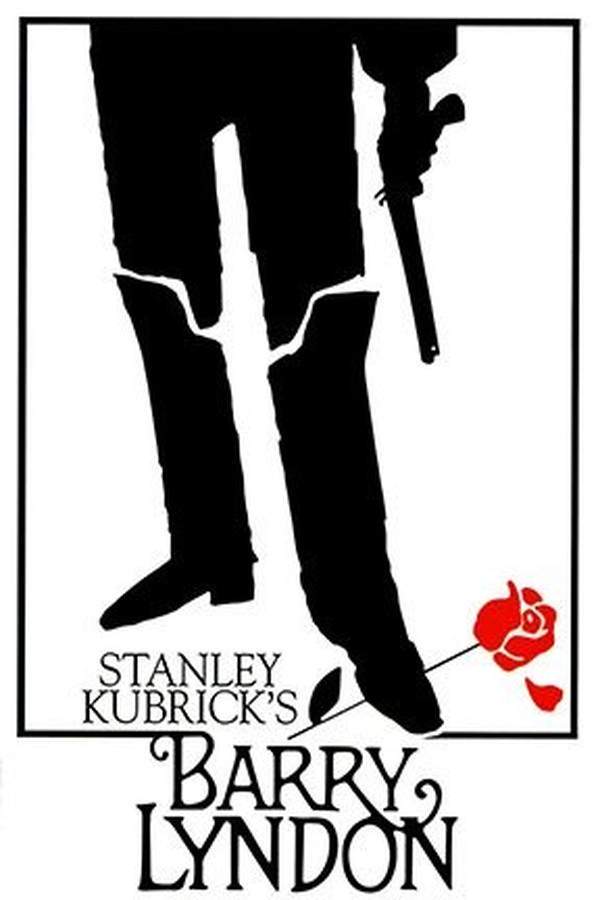
Barry Lyndon (1975) movie poster

Plot Summary

Barry Lyndon (1975) Plot Summary Explained

Release, runtime and language
1975 · 184 min · English
Directed by
Stanley Kubrick
Starring
Ryan O'Neal, Marisa Berenson

During the 18th century in England, a resourceful Irish man named Barry Lyndon experiences a dramatic ascent from poverty to the upper echelons of society. Through a combination of intelligence, deception, and fortunate circumstances, he skillfully maneuvers through the complexities of wealth and privilege. The film is a lavish adaptation of William Makepeace Thackeray’s novel, exploring themes of social climbing and the compromises made in pursuit of status and fortune.

On this page (7)
  1. 1 Where to watch
  2. 2 What happens: full plot
  3. 3 Plot questions answered
  4. 4 The book behind the movie
  5. 5 Movie threads
  6. 6 Movies like Barry Lyndon
  7. 7 Every angle

Where to watch

Where to Watch Barry Lyndon (1975)

Where can you watch Barry Lyndon? Stream, rent or buy it in the US, including on Amazon Video, Apple TV Store and Fandango At Home: current JustWatch availability with up-to-date prices.

Streaming availability powered by JustWatch

Full plot summary · contains spoilers

What Happens in Barry Lyndon: Full Plot Summary

The whole story of Barry Lyndon (1975) explained, from the opening scene to the final frame: every key event, every twist and what it all adds up to. Read it as a quick recap before the sequel, to check a scene you missed, or to finally understand what really happened.

In Act I, titled By What Means Redmond Barry Acquired the Style and Title of Barry Lyndon, an all-knowing yet potentially unreliable narrator, voiced by Michael Hordern, recounts the turbulent life of Redmond Barry, played by Ryan O'Neal. The narrative begins in 1750s Ireland where tragedy strikes as Barry's father is killed in a duel over a horse sale. In the absence of her husband, Barry's mother, Belle, portrayed by Marie Kean, remains single, devoting her life to her only son.

As a young man, Barry's infatuation with his cousin, Nora Brady, portrayed by Gay Hamilton, leads him into heartbreak. Barry is captivated during a card game, but Nora's interest soon shifts to Captain John Quin, enacted by Leonard Rossiter. In a desperate attempt to win Nora's affection, Barry contemptibly challenges Quin, leading to a duel where he ultimately shoots Quin. With the law on his tail, Barry flees toward Dublin but soon falls prey to a notorious highwayman named Captain Feeney, played by Arthur O'Sullivan, who robs him of his possessions.

Desperate and dejected, Barry finds himself enticed by recruitment pitches for the British Army, promising fame and monetary rewards. He enlists but soon learns from Captain Grogan, a family friend played by Godfrey Quigley, that the duel was a ruse staged by Nora's family to rid themselves of him. Following a tragic series of events in the Seven Years' War, Barry's disillusionment leads him to desert the army. He cleverly dons the uniform of an officer and attempts to flee to neutral Holland, but is met by Prussian Captain Potzdorf, portrayed by Hardy Krüger, who offers him a stark choice: face execution or join the Prussian forces.

Barry becomes a reluctant soldier in the Prussian Army and earns acclaim for valor in saving Potzdorf's life during combat. After the war, he enters a new chapter of his life serving as an undercover agent for the Prussian Ministry of Police, working for the Chevalier De Balibari, enacted by Patrick Magee. Together, they navigate the world of gambling, with Barry helping the Chevalier cheat wealthy opponents at cards. Their adventures lead to confrontations with powerful figures, including the Prince of Tübingen, played by Wolf Kahler, who falsely accuses the Chevalier of cheating, forcing Barry to intervene on behalf of his friend.

Eventually, the Chevalier is expelled from Prussia, prompting Barry to take on his identity to escape. Their escapades take them across Europe until Barry sets his sights on a wealthy future. At a lavish gambling table in Spa, he encounters the stunning Countess of Lyndon, played by Marisa Berenson. Barry's charm leads to a courtship, and after the unfortunate demise of her elderly husband, he marries the Countess, adopting her surname.

Act II, titled Containing an Account of the Misfortunes and Disasters Which Befell Barry Lyndon, unveils a darker chapter in Barry's life after he relocates to England, living off the wealth of his new bride. However, tensions arise with Lady Lyndon's son, Lord Bullingdon, enacted by Dominic Savage, who harbors disdain towards Barry. This animosity escalates into a violent confrontation when Bullingdon accuses Barry of being an opportunist. Barry retaliates with abuse, leading to further family turmoil.

The marriage deteriorates as Barry's lavish spending habits and infidelities strain the bond. The arrival of Barry’s mother shocks him, as she warns that if Lady Lyndon were to die, all wealth would pass to Bullingdon, leaving Barry and their son Bryan Patrick, played by David Morley, destitute. Desperate to secure his status, Barry tries to ingratiate himself with the elite but is shunned after a public showdown at a party where Bullingdon reveals his grudges against Barry.

Barry indulges Bryan excessively, but tragedy strikes when Bryan’s improper riding leads to a fatal accident. Grief consumes Barry, turning him to alcohol, while Lady Lyndon seeks solace through religion. The family struggles deteriorate further as Barry continues on a self-destructive path. A duel ensuing from the earlier confrontation with Bullingdon culminates in a series of events that render Barry incapacitated and homeless.

Ultimately, Bullingdon regains control of the estate, forcing Barry into a life of gambling on the European continent. With the narrator noting Barry’s journey through time, the final scene highlights Lady Lyndon as she signs an annuity check for Barry, suggesting the poignant equality of fate as they all meet their end in a world where status and wealth become meaningless. The tale of Barry Lyndon exemplifies ambition, regret, and the ephemeral nature of fortune amidst the backdrop of 18th-century strife and intrigue.

Last updated: November 15, 2024 at 19:57

Was this helpful?

Plot questions answered

Barry Lyndon Plot Explained: Your Questions Answered

The questions people ask most about Barry Lyndon (1975): what happens in the confusing scenes, why the characters do what they do, the twists, hidden details and what the ending means. Each answer contains spoilers.

Q1

Why did Barry shoot Captain Quin in the duel?

Barry challenged Captain Quin to a duel out of jealousy and desperation to win back his cousin Nora Brady's affection. When Nora's interest shifted to Quin, Barry saw the duel as his only way to prove himself worthy and reclaim her love. He successfully shot and killed Quin, which set him on the path of running from the law.

Foreshadowing: Barry's earlier infatuation with Nora and his impulsive nature foreshadow his willingness to use violence to resolve emotional conflicts.

  • barry lyndon
  • captain quin
  • duel
  • nora brady
  • jealousy
Q2

Why was the duel between Barry and Captain Quin a setup?

The duel was orchestrated by Nora's family to deliberately rid themselves of Barry. They knew Barry would be easily manipulated into a challenge and likely killed or forced to flee. When Barry unexpectedly won by shooting Quin, the plan backfired, but Barry still had to flee the law anyway.

Foreshadowing: The narrator's description of the family gathering at the ball hints at their orchestration of the situation.

  • nora brady
  • captain quin
  • duel setup
  • conspiracy
Q3

Why did Barry desert the British Army?

Barry deserted after learning that his duel with Captain Quin was a ruse orchestrated by Nora's family to get rid of him. Combined with the traumatic events and disillusionment he experienced during the Seven Years' War, including witnessing the death of his friend Grogan, Barry lost faith in the army and the promises made to him.

Foreshadowing: Captain Grogan's revelation about being a family friend and the truth about the duel plants the seed of Barry's growing disillusionment.

  • barry lyndon
  • british army
  • desertion
  • seven years war
  • grogan
Q4

Why did Barry join the Prussian Army instead of facing execution?

When Barry attempted to flee to neutral Holland wearing a stolen officer's uniform, he was captured by Prussian Captain Potzdorf. Potzdorf gave Barry a choice: face execution for impersonating an officer, or join the Prussian forces. Barry reluctantly chose to enlist to save his life.

Foreshadowing: Barry's earlier decision to steal an officer's uniform sets up his capture and the subsequent forced choice.

  • prussian army
  • captain potzdorf
  • execution
  • imposter
Q5

How did Bryan's death happen in Barry Lyndon?

Bryan Barry died from a riding accident. Barry had been indulging his son excessively, allowing him to ride horses improperly and dangerously. During one such ride, Bryan fell from his horse and died from the injuries. This tragedy devastated Barry and accelerated his descent into alcoholism.

Foreshadowing: Earlier scenes showing Barry's excessive doting on Bryan and lack of proper supervision hint at the disastrous consequences of his parenting.

  • bryan barry
  • riding accident
  • death
  • son
Q6

Why did Lord Bullingdon hate Barry so much?

Lord Bullingdon despised Barry because he viewed him as a lowborn opportunist who married his mother solely for her wealth and status. Bullingdon saw Barry as an intruder who had usurped his rightful place as the heir to the Lyndon estate and resented the change to his family's name and legacy.

Foreshadowing: Early tensions at the wedding and Bullingdon's cold demeanor toward Barry establish the animosity that will escalate throughout the film.

  • lord bullingdon
  • barry lyndon
  • hatred
  • estate
  • status
Q7

Why did Barry lose his wealth and status?

Barry lost everything due to a combination of factors: his reckless spending and infidelity strained his marriage to Lady Lyndon, his violent confrontation with Bullingdon alienated the aristocratic community, Bryan's death drove him to alcoholism, and Bullingdon eventually regained control of the estate. These events culminated in Barry being left destitute and forced to live as a gambler across Europe.

Foreshadowing: Barry's mother's warning early in the marriage about what would happen if Lady Lyndon died foreshadows his ultimate fate.

  • destitution
  • wealth loss
  • marriage
  • bulldon
Q8

Why did Barry marry the Countess of Lyndon?

Barry married the Countess of Lyndon primarily for financial security and social advancement. After years of poverty, danger, and instability as a soldier and gambler, the wealthy Countess represented Barry's opportunity to achieve the status and comfortable life he had always pursued. He used his charm to win her over after her elderly husband died.

Foreshadowing: Barry's earlier comments about wanting to marry for money and his attraction to wealth foreshadow this marriage of convenience.

  • countess of lyndon
  • marriage
  • money
  • status
Q9

Why was Barry forced to become a gambler after losing the estate?

After Bullingdon regained control of the Lyndon estate, Barry was left with no income or property. With no legitimate means of supporting himself and his reputation destroyed, Barry was forced to survive by gambling across Europe, a skill he had developed during his time with the Chevalier De Balibari.

Foreshadowing: Barry's earlier success as a card cheat with the Chevalier plants the seeds for his eventual livelihood.

  • gambling
  • europe
  • life
  • survival
Q10

What happens to Barry at the end of the film?

At the end of Barry Lyndon, Bullingdon regains full control of the estate, leaving Barry homeless and destitute. Barry is reduced to living as a wandering gambler across the European continent. The film concludes with Lady Lyndon signing an annuity check for him, suggesting she still provides for him financially despite their broken relationship, underscoring the film's melancholic theme that all status and wealth ultimately prove meaningless.

Foreshadowing: The narrator's openingremarks about the equalizing nature of death foreshadow the bleak conclusion.

  • ending
  • annuity
  • homeless
  • destitution
Q11

Why did Barry work as an undercover agent for the Chevalier De Balibari?

After the Seven Years' War ended, Barry became an undercover agent for the Prussian Ministry of Police, working alongside the Chevalier De Balibari. Their job involved infiltrating gambling establishments and cheating wealthy opponents out of money. Barry needed a source of income and protection in foreign lands, and this arrangement provided both while using his skills from his previous life.

Foreshadowing: Barry's earlier experience as a card player and his desperate financial situation after the war set up this partnership.

  • chevalier de balibari
  • prussian police
  • card cheating
  • undercover
Q12

Why did Barry's mother warn him about Lady Lyndon's death?

When Barry's mother arrives at the Lyndon estate, she warns him that if Lady Lyndon were to die, all the wealth and property would legally pass to Lord Bullingdon as her son. This would leave Barry and their young son Bryan Patrick completely destitute with no inheritance. This warning highlights the precarious nature of Barry's position and his dependency on his wife's life.

Foreshadowing: The mother's warning directly foreshadows the eventual outcome once Bullingdon regains control.

  • mother
  • inheritance
  • bulldon
  • warning
Q13

Why couldn't Barry escape to Holland after deserting the British Army?

Barry attempted to flee to neutral Holland by stealing the uniform of a British officer. However, he was intercepted by Prussian Captain Potzdorf, who recognized the uniform was not legitimate. Rather than allowing Barry to continue to Holland, Potzdorf gave him the choice to join the Prussian Army or face execution for impersonating an officer.

Foreshadowing: Barry's desperate decision to steal a uniform earlier shows his growing desperation to escape his circumstances.

  • holland
  • escape
  • prussian
  • uniform
  • execution

Movie threads

More Movies Like Barry Lyndon, by Mood & Story

Curated lists built around what makes Barry Lyndon tick: the same mood, the same kind of story or the same emotional payoff. Each list explains why these movies belong together.

Epic slow burn tragedies like Barry Lyndon

Grand historical narratives where ambition leads to a gradual, devastating fall. For viewers who appreciated the deliberate pace and tragic arc of Barry Lyndon, this collection gathers movies with similar grand narratives. These films follow characters on ambitious journeys through high society or history, only to lead them toward a slow, devastating downfall, much like the story of Barry Lyndon.

  • epic
  • tragic
  • fatalistic
  • somber
  • stately
  • melancholic
  • Tone: melancholic, tragic, fatalistic
  • Pacing: slow, deliberate, stately
Why these movies?

The story pattern: The narrative follows a classic rise-and-fall structure, but unfolds over a long duration, emphasizing the gradual accumulation of mistakes and misfortunes. The protagonist often achieves great wealth or status through cunning or luck, but their internal flaws and external pressures conspire to create an inescapable, tragic fate.

Why they belong together: These movies are grouped by their shared combination of epic scale, slow pacing, and heavy emotional weight. They create a viewing experience that is reflective and somber, using their length and attention to detail to make the final tragedy feel both earned and deeply fatalistic.

Movies with bleak class commentary like Barry Lyndon

Stories that critique social hierarchies with a grim, unforgiving perspective. If you were captivated by Barry Lyndon's sharp critique of 18th-century aristocracy and the emptiness of social ambition, this selection is for you. These films share a similarly disillusioned and fatalistic view of class structures, often featuring protagonists whose attempts to climb the social ladder end in ruin.

  • somber
  • fatalistic
  • class conscious
  • critical
  • disillusioned
  • cynical
  • Tone: somber, cynical, disillusioned
  • Pacing: steady, deliberate
Why these movies?

The story pattern: The plot typically follows an outsider's attempt to infiltrate and conquer a privileged world. Their initial success is often driven by deception or circumstance, but the narrative ultimately reinforces the power and brutality of the established social order, leading to the protagonist's moral and physical destruction.

Why they belong together: These films are united by their central thematic focus on class struggle and their bleak, often cynical tone. They share a visual and narrative stateliness that underscores the immovable nature of social hierarchies, resulting in a powerfully melancholic and thought-provoking experience.

If you liked this

Movies Like Barry Lyndon

Similar movies to Barry Lyndon: the same genre, themes or kind of story. Each one comes with its own plot summary, timeline and ending explained.

Browse all movie summaries

Every angle

Barry Lyndon (1975) Explained: Plot, Timeline & Characters

Everything about Barry Lyndon in one place: what happens in the plot summary, the timeline in chronological order, the characters and meaning and a spoiler-free summary. What's After the Movie adds the cast, box office and post-credit scenes.

Coming soon on iOS and Android

The Plot Explained Movie Summary App

Plot summaries, endings explained and timelines on your phone. Catch up on any movie in minutes, save your favorites and never miss a twist again.

Be the first to know when we launch. Your email stays private, always.

Learn more about the app