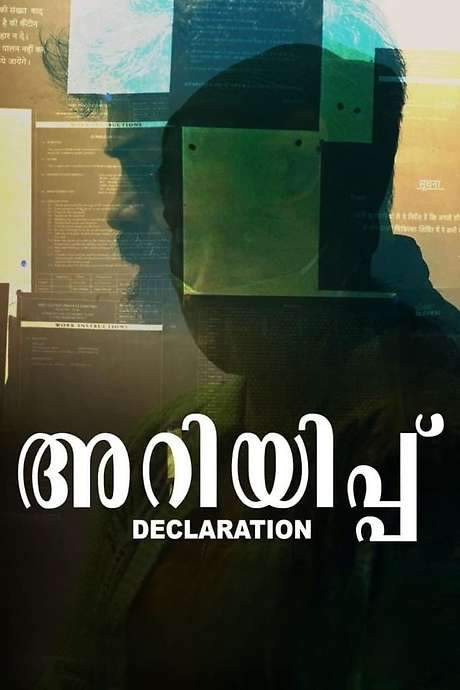
Set in pandemic-stricken Noida, a struggling Malayali couple tease out a hopeful dream of migrating for a better life. They work in a glove factory, and they record a video of Reshmi at her desk to showcase her skills to prospective employers. The clip is meant to be a professional portfolio piece, a small beacon of opportunity in a city overwhelmed by hardship.
But the film’s tension erupts when Hareesh receives a WhatsApp video that gruesomely stitches his wife’s original footage with a separate clip of a woman involved in a sexual act. The shock of this edit drives them to seek justice, and Hareesh wants to prove Reshmi’s innocence. The local police, however, push back, noting that the burden of proof would rest on Reshmi herself and suggesting they withdraw the complaint.
Determined to uncover the leak, Hareesh follows a thread that leads him to a driver from the glove factory. The driver is linked to a crime ring that swaps fresh gloves with used ones, a deception that threatens many workers’ livelihoods. As the investigation unfolds, a troubling moment surfaces: in front of Sujaya and Sujaya’s son, Hareesh commits a violent act against Reshmi. The scene marks a turning point, forcing the couple to reassess trust, blame, and the price of truth.
Using CCTV footage, Hareesh tracks Reshmi’s movements back to the factory’s B Block, where the alleged incident occurred. He confronts Reshmi at home, and the confrontation escalates into a brutal assault that drives her to leave and seek shelter with a friend. The pair then bring their concerns to the factory owner, and together they dig for evidence that might exonerate Reshmi and expose the wider fraud.
During the inquiry, Hareesh’s suspicions shift when a bangle worn by the owner catches his eye, prompting a trek to a secluded glove godown and a confrontation that ends with Hareesh’s arrest. Yet the owner and Reshmi appear at the police station and state that Hareesh did not attack the owner and that no formal complaint exists against him, complicating the case further.
As the truth begins to crystallize, it becomes clear that the woman in the video is another worker at the company who died under murky circumstances—either through suicide or murder, tied to an affair with the owner’s brother. The owner and his wife offer a stark deal: if they drop the police case, both Hareesh and Reshmi would secure jobs at a second company in Malaysia. Hareesh agrees to the arrangement, but Reshmi refuses. Her demands are plain: first, a public statement on the company noticeboard clarifying that she is not the woman in the video, and second, a chance to visit the victim’s family.
The two journey to the victim’s home, where Reshmi’s perspective shifts as she witnesses a mother’s grief. She refuses to compromise, insisting that the owner’s price is too high for a life already lost. She tells Hareesh that he may accept the Malaysia job if he wishes, but she will not join him there. In the final sequence, Hareesh starts a new job at a factory in Malaysia, where he notices a colleague wearing the same bangle as in the video. Reshmi remains in Noida, continuing her work, while a public notice at the factory reiterates that the girl in the video was not an employee of the company—an official denial that echoes Reshmi’s ongoing quest for truth and justice.