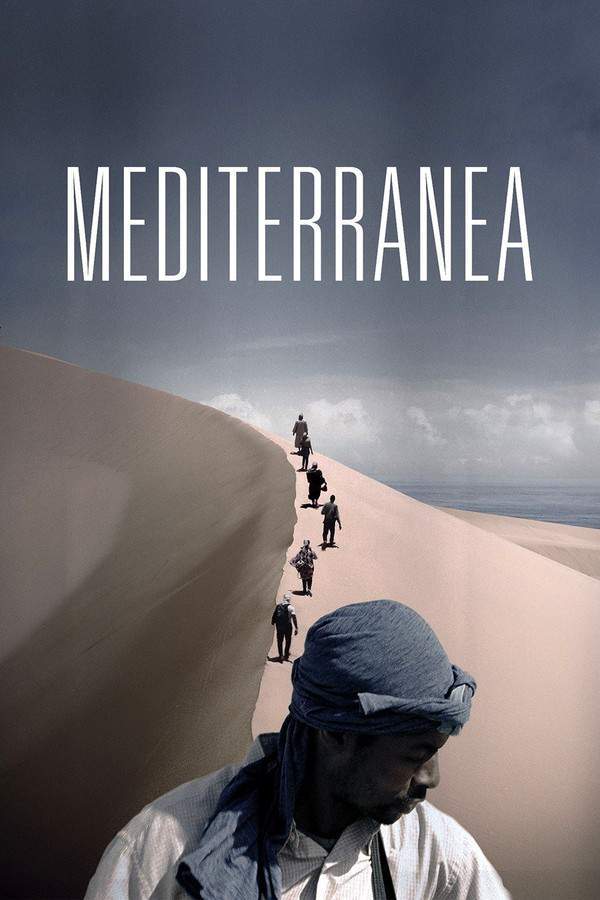
In a grueling journey from Burkina Faso to Europe, Ayiva Ayiva makes his way through Algeria and Libya, ultimately reaching Italy. He pays for his passage and witnesses fellow compatriots being robbed along the way, a stark reminder of the perilous path many refugees endure in pursuit of a safer life. In southern Italy, he finds himself living in a squatted property, eking out a living with orange picking and small-scale theft, all while sending money back to his family in Africa. The harsh reality of exploitation—where Africans are treated as cheap labor and not fully welcomed by locals—permeates his daily life, even as he is welcomed into the home of one Italian family, the Fondacaro family. He also tries to discourage his sister from taking the same risky path to join him in Europe.
As tensions simmer, a turning point arrives when one of their colleagues is attacked by Italian police. What follows is a large-scale protest against the treatment of refugees, with demonstrators damaging property and vehicles around the village. The response is harsh and immediate: the protesters are assaulted by some villagers, and the situation spirals into a riot. Tear gas is fired by the Italian authorities, and the violence intensifies as the crowd fights back. Amid the chaos, Abas Abas is caught up in the fray and is beaten; Ayiva manages to slip away through a side alley, but cannot escape the fury of the mob. The sirens signal the arrival of help, and the crowd disperses, leaving Abas badly injured in the street.
Ayiva and the Fondacaro family rally to help Abas, bringing him back to the house where they do what they can to tend his wounds. A local refugee charity proposes that Abas might obtain a year-long residence permit because of his injuries, offering a pathway to stability; yet Ayiva insists they would prefer to return home to Africa, choosing a different kind of safety and belonging over prolonged uncertainty. The bond between family and friends remains central as Ayiva speaks with his sister and daughter via Skype, keeping connections alive across oceans and borders.
Later, during a family celebration, Ayiva helps serve drinks for the Fondacaro clan. The invitation to step inside the house feels like a quiet affirmation of acceptance amid precarious circumstances. The scene closes with the muffled sound of pop music from the party, underscoring a moment of human warmth and tentative belonging. As the camera lingers, Ayiva slowly walks into the home, carrying the weight of his journey, the memory of those he left behind, and a lingering sense of hope in an uncertain future.