Plot Explained Spoilers guaranteed!
Plot Explained

Browse by genre

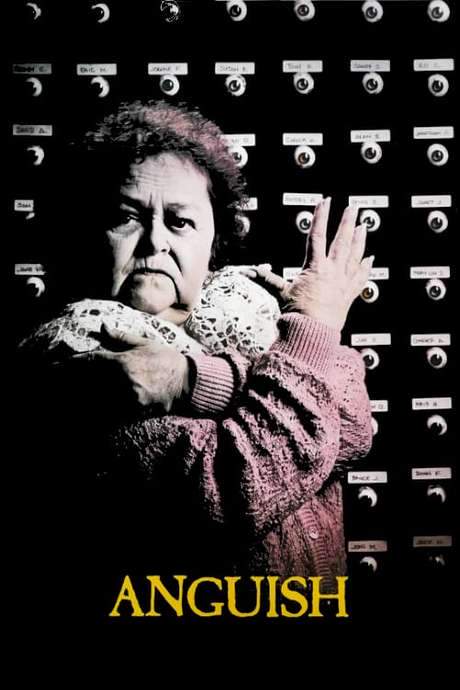
Angst (1983) movie poster

Timeline

Angst (1983) Timeline Explained – Every Event in Order

Release, runtime and language
1983 · 75 mins · German
Loading streaming availability…
Directed by
Gerald Kargl
Starring
Robert Hunger-Bühler, Erwin Leder, Edith Rosset, Karin Springer, Silvia Rabenreither, Josefine Lakatha

Based on a true story. A killer is released from prison and breaks into a remote home to kill a woman, her handicapped son and her pretty daughter.

On this page (6)
  1. 1 Where to watch
  2. 2 Events in order (12)
  3. 3 Timeline questions answered
  4. 4 Movie threads
  5. 5 Movies like Angst
  6. 6 Every angle
Loading streaming availability…

12 events in order · contains spoilers

Angst Timeline: Events in Chronological Order

Every key event of Angst (1983) in order, scene by scene, with when and where it takes place. Use it to untangle flashbacks, time jumps and parallel storylines, to refresh your memory before the sequel or to find the exact scene you are thinking of.

  1. Release and first murderous urge

    Fresh out of prison, the killer fixates on killing again and feasts on the prospect of inducing fear in his victims. He stops by a diner and is tempted to attack two girls at the counter, but he restrains himself, recognizing he can't act openly in public. His mind remains focused on the fear he can provoke in others.

    When
    Evening after release
    Where
    City streets and diner
  2. Taxi attempt and escape

    Leaving the diner, he climbs into a taxi and weighs killing the female driver. The driver grows suspicious or cautious, and he is forced to flee when the car is stopped. The urge to kill is momentarily thwarted, pushing him to search for a new target.

    When
    Night
    Where
    Taxi, city streets
  3. Break-in at a house

    While escaping, the killer comes across a house and breaks in. Inside, he encounters a mentally impaired man in a wheelchair who mistakes him for his father, increasing the danger of discovery. The intruder remains hidden as the situation grows tense.

    When
    Moments after break-in
    Where
    House interior
  4. Family arrives and hiding

    The man in the wheelchair’s mother and sister arrive at the house, forcing the killer to hide. The misidentification by the disabled man creates a precarious cover for his planned actions. Tension mounts as the intruder bides his time to strike.

    When
    Soon after break-in
    Where
    House interior
  5. Daughter bound, mother killed

    The killer launches his assault on the mother and sister, taping the daughter to a doorknob and strangling the mother. He shows a chilling lack of mercy and uses the daughter's position to intimidate further witnesses. The violent act reveals his brutal sadism.

    When
    During the assault
    Where
    House interior
  6. The son dies in the bathroom

    He binds the mother and drags the son to the upstairs bathroom, where he drowns him in the bathtub. The act demonstrates the killer’s escalating brutality and his appetite for complete control over his victims. The house cools with the weight of the crimes just committed.

    When
    During the assault
    Where
    House bathroom
  7. Escape attempt and failed revival

    The killer returns to the scene to check the mother and finds her near death or dead. The daughter pleads for her mother's medication, and he reluctantly administers it, hoping to buy time for his plan. His revival attempts fail, and in a fit of rage he pushes the wheelchair into a wall.

    When
    After the deaths
    Where
    House interior
  8. Dramatic kill and blood ritual

    The killer corners the daughter as she tries to escape, stabbing her to death and drinking her blood. He vomits on her, the blood acting as an emetic and intensifying the grotesque scene. The act exposes his complete detachment from humanity and his thrill in fear and control.

    When
    After the prior act
    Where
    House interior
  9. Morning aftermath and trunk plan

    He wakes up on the daughter's body, battered and covered in blood, and decides to leave with the bodies in the trunk. He also brings the living dog along in the passenger seat, intending to use the corpses to frighten future victims. The plan marks a cold, methodical next step in his spree.

    When
    Following morning
    Where
    House interior to car
  10. Crashes and witnesses

    During his frantic escape, he rear-ends another car, drawing the attention of bystanders. The crash creates witnesses to the rampage, heightening the danger and the likelihood of capture. The road becomes a stage for fear rather than anonymity.

    When
    Soon after the escape
    Where
    Road/highway
  11. Return to the diner

    The killer returns to the diner where the same patrons linger, continuing to feed the dog as a disturbing, normal routine. The police arrive, asking for his vehicle registration, signaling that capture may be imminent. The sense of inevitability grows as tension tightens around him.

    When
    Later that day/evening
    Where
    Diner
  12. Climax: trunk reveal and resolution

    He willingly opens the car trunk in front of onlookers, revealing the bodies and shattering any sense of safety. The crowd recoils as the authorities close in, and the film ends with a voice-over medical record attributing his sadistic tendencies to an unstable childhood. The final note places the violence in a tragic context, explaining his pathology.

    When
    Ending
    Where
    Diner parking lot

Last updated: October 09, 2025 at 14:49

Was this helpful?

Timeline questions answered

Angst Timeline Explained: Your Questions Answered

When does it happen, and why in that order? The questions people ask about the chronology of Angst (1983): time jumps, flashbacks, cause and effect between scenes and the correct order of events, each answered with spoilers.

Q1

Why does the killer allow the daughter to give medicine to her mother?

The killer reluctantly agrees to let the daughter give her mother medication because he wants to keep the mother alive long enough to complete his plan. He is frustrated when his revival attempts fail and pushes the wheelchair-bound mother into a wall in anger. This moment reveals his need for control, he wants his victims alive to experience fear, not dead prematurely.

  • medication
  • mother
  • revival
  • control
  • daughter
Q2

Why does the killer return to the same diner after the murders?

The killer returns to the diner deliberately, showing a disturbing sense of confidence and theatricality. He continues to feed the family's dog in the passenger seat, acting as if nothing happened. This return is likely a psychological need to revisit the scene where he first felt restrained, now having fulfilled his violent urges. He wants witnesses to see what he has done.

Foreshadowing: Earlier, he was tempted to attack two girls at the diner but restrained himself because he couldn't act in public.

  • diner
  • return
  • dog
  • witnesses
  • theatricality
Q3

Why does the killer willingly open the car trunk for the police?

The killer opens the trunk voluntarily to reveal the bodies to the onlookers and police. This act is the culmination of his psychological need to provoke fear in others. Rather than hiding his crimes, he wants to showcase the horror he created, deriving satisfaction from the reactions of shock and terror he witnesses in the crowd.

  • trunk
  • police
  • bodies
  • fear
  • reveal
Q4

Why does the killer drink the daughter's blood and vomit on her body?

The killer drinks the daughter's blood as part of a twisted ritual that represents the peak of his sadistic behavior. The blood acts as an emetic, causing him to vomit, this graphic act underscores his complete detachment from humanity and his畸形的 pleasure in degrading his victims. It is not about sustenance but about power and degradation.

  • blood
  • drinking
  • vomit
  • ritual
  • sadism
Q5

Why does the killer take the family's dog with him in the car?

The killer brings the living dog along in the passenger seat, treating it normally by feeding it. This disturbing normalcy illustrates his fractured psychology, he can commit horrific violence while simultaneously caring for an animal. He also intends to use the corpses in the trunk to frighten future victims, and the dog may serve as another element of his twisted manipulation.

  • dog
  • car
  • bodies
  • normalcy
  • manipulation
Q6

Why does the disabled son mistake the killer for his father?

The mentally impaired son in the wheelchair mistakes the killer for his father because of his cognitive condition. This misidentification creates a dangerous moment for the killer, as the son could easily reveal his presence. However, it also provides a brief cover that allows the killer to remain hidden until the mother and daughter arrive, increasing the tension of the home invasion.

  • son
  • wheelchair
  • father
  • mistaken identity
  • cognitive impairment
Q7

Why does the killer drown the son in the bathtub?

The killer drowns the disabled son in the bathtub as he drags him upstairs after attacking the mother. This act demonstrates the escalating brutality of the killer, showing he extends his violence to the most vulnerable victims. The choice of drowning rather than a quicker method reflects his desire for control and possibly the methodical nature of his sadism.

  • son
  • bathtub
  • drowning
  • disability
  • escalation
Q8

Why does the killer crash his car while fleeing with the bodies?

The killer rear-ends another car during his frantic escape, drawing immediate attention from witnesses. This crash is likely due to his unstable psychological state after the violent spree, he is exhausted, covered in blood, and operating on adrenaline. The accident marks a turning point where his control begins to slip, leading directly to his eventual capture.

  • crash
  • escape
  • witnesses
  • car accident
  • capture
Q9

Why is the killer released from prison at the start of the film?

The film opens with the killer being released from prison, but the specific reason for his release is not explained. He leaves with a cold, unsettling eagerness to kill again, suggesting he served time for previous murders. The brevity of his release sets the narrative in motion, showing that the system has returned a dangerous predator to society.

  • prison
  • release
  • murderer
  • freedom
  • continuation
Q10

What drives the killer's need to instill fear in his victims?

The film concludes with a voice-over medical record explaining that the killer's actions stem from sadistic tendencies rooted in an unstable childhood. This clinical explanation positions his violence not as random but as a product of deep psychological pathology. His entire crime spree is motivated by deriving pleasure from causing fear and control over helpless victims.

  • sadism
  • psychology
  • childhood
  • fear
  • pathology
Q11

Why does the killer tape the daughter to a doorknob?

The killer tapes the daughter to a doorknob as part of his methodical assault on the family. This act immobilizes her while he attacks the mother, preventing her from escaping or interfering. It also places her in a position where she is forced to witness the violence against her mother, which aligns with his psychological need to maximize fear in his victims.

  • daughter
  • tape
  • doorknob
  • immobilization
  • witness
Q12

Why does the killer strangle the mother instead of killing her quickly?

The killer strangles the mother, showing a preference for personal, hands-on violence that maximizes the victim's terror. Rather than using a weapon, he uses his own hands, which requires sustained effort and direct contact. This method reflects his sadistic pleasure in the act of killing itself, deriving satisfaction from the physical exertion and control involved in manual strangulation.

  • mother
  • strangulation
  • hands-on
  • violence
  • control

Movie threads

More Movies Like Angst, by Mood & Story

Curated lists built around what makes Angst tick: the same mood, the same kind of story or the same emotional payoff. Each list explains why these movies belong together.

Movies from a killer's perspective like Angst

Movies that adopt the unsettling, detached perspective of a remorseless killer. If you found the detached, clinical viewpoint of the psychopath in Angst uniquely disturbing, this thread gathers similar movies that explore violence from the inside out. Find other films that use a killer's POV to create a sense of profound unease and moral void, for viewers seeking this specific, chilling narrative approach.

  • unsettling
  • cold
  • disturbing
  • clinical
  • merciless
  • psychological
  • Tone: dark, cold, detached
  • Pacing: steady, methodical
Why these movies?

The story pattern: Stories in this thread are typically linear and straightforward, focusing on a single violent incident or series of acts. They follow the killer's journey methodically, emphasizing their motivations, rituals, and emotional detachment over external plot complexity or police procedural elements.

Why they belong together: These films are grouped by their shared commitment to a specific point-of-view: that of the perpetrator. This creates a coherently cold, merciless, and psychologically intense viewing experience, prioritizing a deep dive into the mechanics of brutality over conventional thriller pacing or hero arcs.


Grim true crime movies with extreme violence like Angst

Stories based on real crimes that depict violence with stark, graphic realism. For viewers who appreciated the raw, stomach-churning realism of the violence in Angst, this list features similar films inspired by true crime. Discover movies that share a commitment to unflinching, graphic portrayals of brutality within a bleak and hopeless narrative framework, offering no catharsis.

  • brutal
  • grim
  • disturbing
  • unsettling
  • hopeless
  • relentless
  • Tone: dark, grim, hopeless
  • Pacing: steady, relentless
Why these movies?

The story pattern: The narrative pattern is often simple and direct, focusing on the brutal event itself. There is a deliberate absence of traditional heroics or satisfying resolution; the journey is one of witnessing atrocity, leading to a bleak ending that reinforces the senselessness and horror of the real-life inspiration.

Why they belong together: These films are united by their high-intensity, graphic violence rooted in true stories, a consistently dark tone, and a bleak emotional outcome. They prioritize creating an atmosphere of pure dread and delivering a heavy, emotionally draining experience grounded in real-world horror.

If you liked this

Movies Like Angst

Similar movies to Angst: the same genre, themes or kind of story. Each one comes with its own plot summary, timeline and ending explained.

Browse all movie summaries

Every angle

Angst (1983) Explained: Plot, Timeline & Characters

Everything about Angst in one place: what happens in the plot summary, the timeline in chronological order, the characters and meaning and a spoiler-free summary. What's After the Movie adds the cast, box office and post-credit scenes.

Coming soon on iOS and Android

The Plot Explained Movie Summary App

Plot summaries, endings explained and timelines on your phone. Catch up on any movie in minutes, save your favorites and never miss a twist again.

Be the first to know when we launch. Your email stays private, always.

Learn more about the app