Evie, a wealthy young woman, travels solo to a luxurious, secluded villa in Malta owned by her affluent stepfather. She presents a fragile, emotionally raw facade, exchanging frantic, heartbreak-filled text messages with her ex-girlfriend, Claire, who supposedly fled back to London after a volatile confrontation. Soon she is drawn into the orbit of her glamorous and fiercely seductive neighbor, Diana, and Diana’s aggressive companion, Reese. Unbeknownst to Evie, the pair are seasoned con artists who have targeted her specifically to access the villa’s legendary safe and help pay off Reese’s spiraling gambling debts.
A heated clash inside the villa ends with the brutal killing of Reese, an act that abruptly rearranges the power dynamic among the trio. Diana convinces a panicked Evie to help her dismember and dispose of the body, binding them together in a dangerous, codependent cover-up. The situation spirals further as a local blackmailer is murdered, and a string of gruesome, latex-clad killings terrorizes the island, sensationalized by the media as the work of a serial killer known as the “Maltese Phantom.”
As investigators close in, Diana carefully manipulates the crime-scene narrative to cast Evie as the obvious culprit, including the murder of a local pool boy that she uses to frame the vulnerable newcomer while aiming to seize the villa’s safe and vanish. The tension intensifies when local police connect the Malta string of murders to an identical spree that began in Majorca, forcing a closer look at who could actually be the killer. The case hinges on who had the means to travel between islands and stay hidden long enough to mount a pattern of killings.
In a stunning and perverse twist, the truth unravels as Diana discovers two cellphones hidden in Evie’s possession. Reviewing the messages, she finds an exact mirror of Evie’s texting history with “Claire” on both devices, revealing that Evie has been texting herself all along. Flashback footage shows Evie calmly operating both phones, painting a portrait of a calculated, emotionally detached mastermind rather than a vulnerable survivor. This revelation reframes the entire narrative: Evie—the supposedly fragile heiress—has engineered a persona of innocence as a weapon, using the con alongside the other players to hide her true predatory nature.
Further evidence and police intelligence show that the original Maltese Phantom killings began in Majorca before pivoting to Malta, where Diana and Reese were effectively stationary fugitives. The timeline, coupled with Evie’s international mobility, leads to a devastating conclusion: Evie is implicated as the true Maltese Phantom, using Malta as her latest hunting ground. The only casualty that Diana truly orchestrated was the pool boy, killed in a clumsy bid to frame Evie. In the end, Evie’s meticulous planning and chilling composure allow her to outmaneuver the other con artists, solidifying her status as a highly skilled predator rather than a naïve victim.
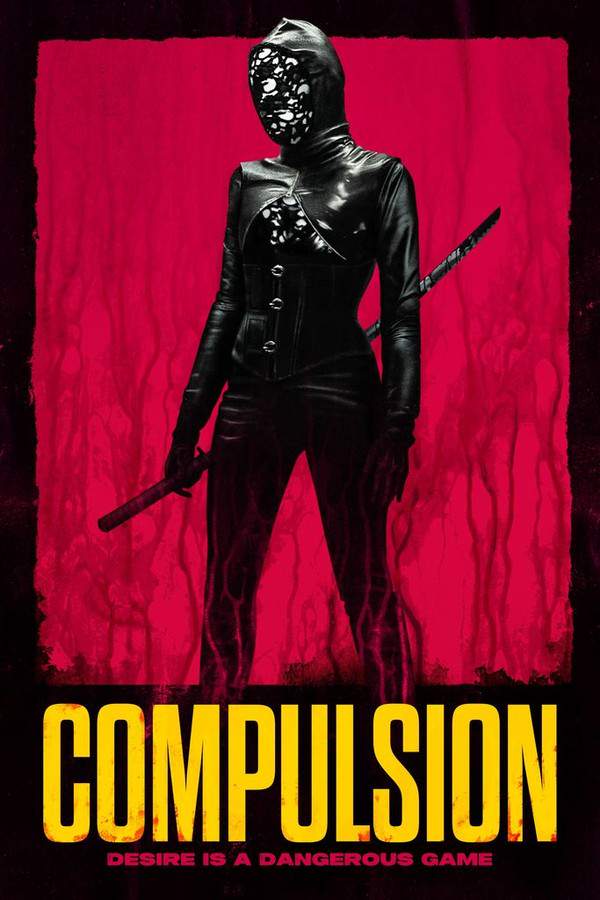
The film unfolds as a deliberate homage to giallo cinema, weaving sensory misdirection, leather-clad imagery, and a narrative structure built on misdirection. It intentionally subverts the classic femme fatale archetype by splitting that role between two women: Diana embodies the overt, greed-driven temptress, while Evie embodies a subverted, almost clinical form of danger masked as vulnerability. Viewers are invited to follow a traveling timeline that ties together Malta and Majorca, emphasizing geography as a key clue in the killer’s identity. The central MacGuffin—text messages as a psychopathic instrument—reframes the story: Evie did not merely react to violence around her; she arrived with violence already inside, using a manufactured domestic drama to lower the defenses of those who sought to prey on her.