Wired

Wired

Year: 1989

Runtime: 112 mins

Language: English

Director: Larry Peerce

ComedyFantasyDrama

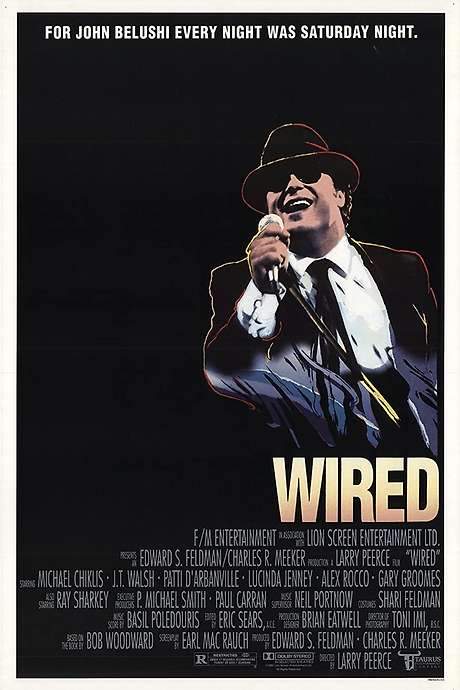
For John Belushi, every night was Saturday night. The ghost of John Belushi looks back on his troubled life and career.

Warning: spoilers below!

Haven’t seen Wired yet? This summary contains major spoilers. Bookmark the page, watch the movie, and come back for the full breakdown. If you're ready, scroll on and relive the story!

Wired (1989) – Full Plot Summary & Ending Explained

Read the complete plot breakdown of Wired (1989), including all key story events, major twists, and the ending explained in detail. Discover what really happened—and what it all means.

In a sweeping look at a dazzling yet troubled career, this biographical portrait begins with John Belushi lighting up the stage on Saturday Night Live in 1976, delivering the blues number “I’m the King Bee” with the Killer Bees. The film then shifts to a stark turn of fate: in March 1982, Belushi is found dead from an overdose and is taken to the coroner’s office. As night folds into the early hours, a mysterious force rouses him from the quiet of death, and he bolts from the hospital in a frantic escape. A taxi ride leads him to reveal a surprising truth: the driver, Angel Velasquez, recognizes the man he is and reveals that he is John’s guardian angel, a guiding presence who will accompany him on a strange, revealing journey. They arrive at the Chateau Marmont, where Belushi confronts the reality that he had died the previous night, and the afterlife path begins as he revisits the life that drugs had shaped.

Together, Belushi and Angel begin a long, reflective tour through the actor’s accomplishments and missteps, tracing the choices that fueled his rise and the temptations that nearly consumed him. The journey back in time introduces a pivotal early chapter: Belushi meets Judy Jacklin before forming the band The Ravens in the 1960s. The tale then moves into his training years at The Second City in 1972, where a demanding teacher pushes him to “make them laugh until it hurts,” a line of pressure that will echo through his career. In the months leading up to the first episode of Saturday Night Live, Belushi signs with manager Arnie Fromson, a decision that helps propel him into the spotlight. The ascent continues as he becomes one of the era’s defining performers, a path that brings him into contact with Cathy Smith, with whom he experiments on drugs to sharpen his comedic edge. The ascent then intersects with cinematic success, notably a starring turn in Animal House, a film that cements his fame but also deepens the grip of substance use.

As the fame deepens, Belushi’s personal life intertwines with Judy Jacklin’s, an engagement that grows through the years; a beach moment where he asks her to marry is followed by the sobering reality of drug use. Judy, along with his friend and collaborator Dan Aykroyd, watches Belushi’s reliance on cocaine intensify, a pattern that strains friendships and work alike. The duo’s collaboration evolves into the high-octane Blues Brothers act, a partnership that fuels their film ambitions and ultimately leads to a major movie adaptation. The production years bring formidable pressure—Belushi’s reliance on cocaine helps him push through demanding shoots, including the filming of Continental Divide—even as Judy tries to help him moderate his usage. The vice resurges, driving a rift between Belushi, Dan Aykroyd, Arnie Fromson, and Judy, and he searches for a route back to health even as old habits threaten to derail everything.

In the midst of this turmoil, a separate thread unfolds: Bob Woodward begins shaping a book about Belushi’s life. Judy, Arnie, and Cathy share their experiences with him, and the journalist’s perspective shifts toward understanding why Belushi turned to drugs. Belushi himself, observed by Angel, attempts to connect with Woodward, hoping to make sense of the pressures from the film and television industries that haunted him. After a pivotal conversation with Dan, Woodward travels to Belushi’s room at the Chateau Marmont to piece together the events of his final night. A dramatic wager then arises between Belushi and his guardian angel: if Belushi can win a pinball game on a Blues Brothers–themed table, he will live. The bet ends in Belushi’s defeat, yet the encounter continues as he speaks with Woodward, revealing the torment and the relentless craving that defined his last days. The conversation also foregrounds Judy’s pain, with Belushi explaining the heavy burdens of fame that contributed to his choices, while Woodward pushes back against the idea that success justified the cost.

As the story moves toward its poignant close, the film captures a candid moment: an audio interview with Cathy in which she is asked whether she and Belushi shared a romantic relationship. Her answer is clear and steady: “No, he loved his wife.” The emotional arc culminates in a final, haunting image: Belushi’s likeness appears on screen as Joe Cocker, singing the tender line “You Are So Beautiful” on SNL, as the title “Wired” gradually forms over the fading scene. The film invites viewers to consider the corrosive nature of fame, the lure of escape through substances, and the human costs borne by those who live in the public eye, all while offering a measured, reflective tribute to a beloved comic performer and the era that defined him.

breathe for him

Last Updated: October 09, 2025 at 14:18

Mobile App Preview

Coming soon on iOS and Android

The Plot Explained Mobile App

From blockbusters to hidden gems — dive into movie stories anytime, anywhere. Save your favorites, discover plots faster, and never miss a twist again.

Sign up to be the first to know when we launch. Your email stays private — always.

Explore Movie Threads

Discover curated groups of movies connected by mood, themes, and story style. Browse collections built around emotion, atmosphere, and narrative focus to easily find films that match what you feel like watching right now.

Ghostly biography dramas like Wired

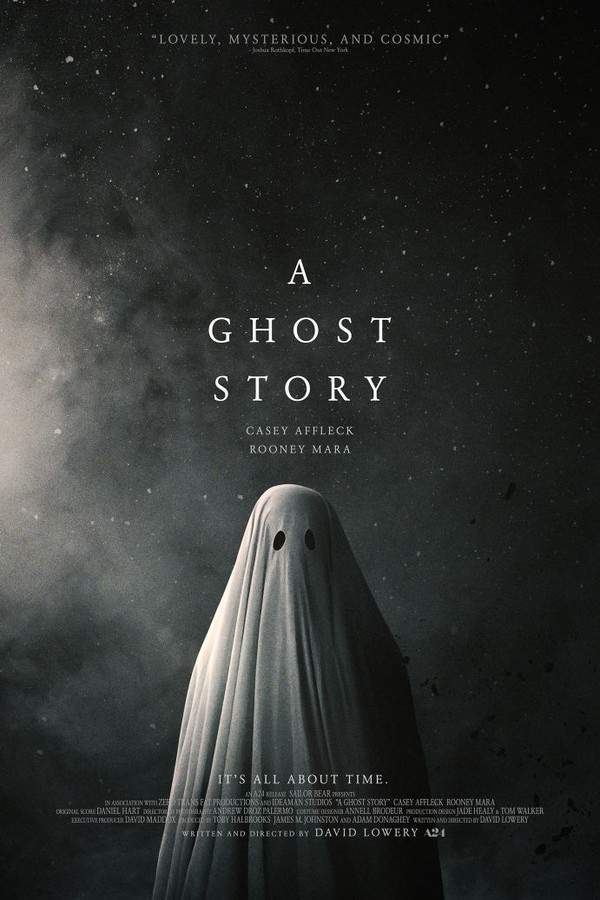
Ghosts or spirits revisit their past to understand their self-destructive downfall.Explore more movies like Wired that use a supernatural lens to tell the story of a tragic life. These films often feature a ghost reflecting on their past, blending surreal fantasy with heavy themes of addiction and the costs of fame for a melancholic and reflective experience.

ghostlyreflectivetragicmelancholicbiographicalsomberregretfuldreamlike

Narrative Summary

The narrative unfolds non-linearly, guided by a spirit or spectral presence who pieces together the events of their life. The journey is episodic, moving between key moments of success and the inevitable spiral of self-destruction, leading to a bittersweet or tragic conclusion that emphasizes lost potential.

Why These Movies?

These films are grouped by their unique narrative device—using the afterlife as a framing device for biography—and their shared melancholic tone. They explore the heavy themes of regret and the human cost of a destructive lifestyle, creating a cohesive vibe of somber reflection.

Movies about tragic celebrity downfall like Wired

Intimate portraits of celebrities crumbling under the weight of their success.If you liked Wired's portrayal of John Belushi's struggles, discover more films about the tragic cost of fame. These movies follow celebrities and artists as they grapple with addiction and self-destructive behavior, leading to heavy, emotionally charged dramas about personal collapse.

tragicdarksombergrittypsychologicalcautionaryintensebiographical

Narrative Summary

The plot follows a rise-and-fall structure, detailing the subject's ascent to fame and their subsequent unraveling due to internal demons and external pressures. The conflict is primarily internal, a battle with addiction and identity, culminating in a sad or bittersweet ending that serves as a cautionary tale.

Why These Movies?

These films share a strong thematic core: the exploration of fame's destructive potential and the psychological toll of celebrity. They feature high emotional weight, a melancholic or bleak tone, and a focus on the gritty, unglamorous reality behind public personas.

Unlock the Full Story of Wired

Don't stop at just watching — explore Wired in full detail. From the complete plot summary and scene-by-scene timeline to character breakdowns, thematic analysis, and a deep dive into the ending — every page helps you truly understand what Wired is all about. Plus, discover what's next after the movie.

Wired Timeline

Track the full timeline of Wired with every major event arranged chronologically. Perfect for decoding non-linear storytelling, flashbacks, or parallel narratives with a clear scene-by-scene breakdown.

Wired Timeline

Characters, Settings & Themes in Wired

Discover the characters, locations, and core themes that shape Wired. Get insights into symbolic elements, setting significance, and deeper narrative meaning — ideal for thematic analysis and movie breakdowns.

Characters, Settings & Themes in Wired

Wired Spoiler-Free Summary

Get a quick, spoiler-free overview of Wired that covers the main plot points and key details without revealing any major twists or spoilers. Perfect for those who want to know what to expect before diving in.

Wired Spoiler-Free Summary

More About Wired

Visit What's After the Movie to explore more about Wired: box office results, cast and crew info, production details, post-credit scenes, and external links — all in one place for movie fans and researchers.

More About Wired

Similar Movies to Wired

Discover movies like Wired that share similar genres, themes, and storytelling elements. Whether you’re drawn to the atmosphere, character arcs, or plot structure, these curated recommendations will help you explore more films you’ll love.