During the early 1970s, writer Doug Kenney plays a pivotal role in the creation of the satirical magazine National Lampoon. The story follows his journey as he helps build the publication, witnessing its rise to prominence and its significant influence on American humor. Kenney's comedic talent and unconventional approach contribute to the magazine's success and lasting legacy.
Find where to stream, rent, or buy A Futile and Stupid Gesture (2018) in the US with current JustWatch availability, up-to-date pricing, and platform listings for subscription, rental, and digital purchase options.
Warning: spoilers below!
Haven’t seen A Futile and Stupid Gesture yet? This summary contains major spoilers. Bookmark the page, watch the movie, and come back for the full breakdown. If you're ready, scroll on and relive the story!
Read the complete plot breakdown of A Futile and Stupid Gesture (2018), including all key story events, major twists, and the ending explained in detail. Discover what really happened, and what it all means.
The film presents a vivid exploration of the pivotal years between 1964 and 1980, beginning with the celebration of Douglas Kenney (Will Forte) and Henry Beard (Domhnall Gleeson) as they rejoice in the success of their book, Bored of the Rings, alongside their fellow colleagues from the Harvard Lampoon. Upon their graduation from the prestigious university, Kenney convinces Beard to abandon his path to law school and instead embark on creating a monthly publication, National Lampoon, which rapidly becomes synonymous with irreverent comedic commentary. While Kenney emerges as the outlet’s main comedic voice, Beard’s sharp business instinct provides vital guidance as the magazine begins its ascent.
With the financial backing of Matty Simmons, the writers dedicate themselves to generating uproariously humorous content even while immersed in a whirlwind of parties and illicit substances. Although the magazine faces initial challenges in establishing its presence, impending legal action from big players like Disney and Volkswagen catalyzes a transformative moment, solidifying National Lampoon’s role in revolutionizing comedic narratives through its fearless satire and parody.
As Kenney grapples with overwhelming burnout, he departs abruptly for nine months, leaving a cryptic message for Beard. Nevertheless, Beard manages to navigate the magazine through this turbulent period, eventually orchestrating a lucrative buyout from Simmons alongside Kenney. However, as stress and dissatisfaction mount, Beard decides to cash in his stake and leave the publication behind.
The influence of National Lampoon soon extends into the realm of radio with an hour-long show, showcasing prominent comedic talents such as Chevy Chase, Bill Murray, and Gilda Radner. Eventually, Lorne Michaels acquires the entire operation and melds it into the fabric of Saturday Night Live. Not to be outdone, special magazine editions feature biting critiques of high school yearbooks, further solidifying its cultural impact.
As Kenney pivots toward the film industry, he writes the groundbreaking Animal House in 1978, which catapults him to fame. However, the high of success is soon overshadowed by a devastating addiction to cocaine. Amid escalating conflicts with studio executives, he pens Caddyshack, yet soon finds himself disillusioned and overwhelmed, culminating in a humiliating press conference where his struggles become all too apparent.
With the decline of National Lampoon, Kenney, Beard, and Chris Hoffman decide to sell their cherished publication to Simmons’ Twenty First Century Communications. This crucial decision marks a watershed moment for Kenney, whose battle with cocaine addiction spirals into chaos, silencing the flame of creativity that once burned brightly within him.
In a desperate attempt to support his friend, Chevy Chase takes Kenney on a restorative trip to the sun-drenched beaches of Hawai’i, hoping to guide him through the treacherous path of recovery. Sadly, Kenney’s inevitable relapse leads him into a profound despair.
The tragic climax occurs in 1980, when Kenney’s lifeless body is discovered at the bottom of a Hawai’ian cliff, his belongings eerily arranged atop the edge—a haunting reminder of life’s fragility.
In a surreal twist, Kenney’s narrative returns to the forefront, this time infused with indignation as he observes the mourners at his funeral. Displeased with their display of grief, Kenney acknowledges that although his life ended too soon, his legacy continues through the sharp wit and creativity emblematic of National Lampoon.
The film wraps with Beard lightening the somber mood of the wake, igniting a lively food fight that harkens back to their carefree days at Harvard Lampoon. This moment blurs the lines between life and death, causing us to reflect on the lasting impact of humor amidst the specter of mortality.
Last updated: November 19, 2024 at 20:13
Explore frequently asked questions about A Futile and Stupid Gesture (2018) with spoiler-rich answers covering the full plot summary, major story beats, character motivations, hidden details, and ending meaning. This movie summary FAQ helps explain confusing scenes, plot twists, and narrative decisions in clear, searchable detail.
Doug Kenney left National Lampoon in 1971 due to severe burnout from the relentless pace of producing the magazine while constantly attending parties and dealing with the pressures of rapid success. He departed for nine months without explanation, leaving a cryptic message for Henry Beard. Beard managed to keep the magazine running during Kenney's absence, which ultimately led to the lucrative buyout from Matty Simmons when Kenney returned.
National Lampoon became influential through its fearless approach to satire and parody, tackling topics that other publications avoided. The magazine combined Kenney's comedic genius with Beard's business acumen and Matty Simmons' financial backing. Its success was cemented when major companies like Disney and Volkswagen threatened legal action, which paradoxically brought the magazine into the spotlight and demonstrated its power to challenge established institutions. This led to expansion into radio and eventually film.
The early success of their Harvard Lampoon book "Bored of the Rings" hinted at their ability to parody established works.
Doug Kenney's cocaine addiction escalated due to the combination of immense professional pressure from his success with Animal House and Caddyshack, creative burnout, and conflicts with studio executives. The film depicts how his initial use as a social activity during the high-energy National Lampoon days evolved into a devastating dependency that ultimately contributed to his tragic death in 1980.
In 1980, Doug Kenney held a press conference where his cocaine addiction became publicly visible and undeniable. The humiliation of this moment marked a major low point in his career, as his struggles were exposed in front of the media and fans. This public unraveling occurred amid escalating conflicts with studio executives over his film projects.
Henry Beard decided to sell his stake in National Lampoon due to mounting stress and dissatisfaction with the direction of the publication. After orchestrating the buyout with Kenney, the increased financial pressures and creative differences took their toll. Beard chose to cash out and leave the publication while Kenney continued to struggle with his addiction and creative output.
National Lampoon's radio show in 1973 served as a launching pad for comedians who would later become SNL staples, including Chevy Chase, Bill Murray, and Gilda Radner. Lorne Michaels, who later created Saturday Night Live, acquired National Lampoon and absorbed its talent pool and comedic sensibility into what would become one of the most influential comedy franchises in television history.
Doug Kenney died in 1980 when his body was found at the bottom of a Hawaiian cliff. His belongings were arranged eerily atop the edge of the cliff. The circumstances surrounding his death remain ambiguous, whether it was intentional or accidental, but it occurred during a period when his struggle with cocaine addiction had completely overtaken his life following a failed recovery attempt with Chevy Chase.
Chevy Chase took Doug Kenney to Hawaii in a desperate attempt to help him recover from his cocaine addiction. The trip was meant to be restorative, removing Kenney from the environment of Hollywood parties and pressures that fueled his addiction. Unfortunately, Kenney relapsed during the trip, and his struggles continued until his death.
Doug Kenney wrote Animal House in 1978 as his transition from magazine comedy to filmmaking. The movie became a groundbreaking comedy that catapulted him to mainstream fame and established him as a major force in Hollywood comedy. It represented both the peak of his creative success and the beginning of the pressures that would contribute to his later struggles with addiction.
The surreal funeral scene shows Doug Kenney observing his own funeral from beyond, expressing displeasure with how the mourners are grieving. He reflects that despite his life ending too soon, his legacy continues through the humor and creativity of National Lampoon. Henry Beard then lightens the mood by starting a food fight, symbolizing the enduring power of their shared humor and friendship beyond death.
National Lampoon's hour-long radio show in 1973 showcased emerging comedic talents who would become legends, including Chevy Chase, Bill Murray, and Gilda Radner. This platform served as a proving ground for their comedic styles and directly led to their opportunities on Saturday Night Live, creating a pipeline of talent that shaped American comedy for decades.
Discover curated groups of movies connected by mood, themes, and story style. Browse collections built around emotion, atmosphere, and narrative focus to easily find films that match what you feel like watching right now.
Stories of brilliant creators whose success is shadowed by personal collapse.Discover more movies like A Futile and Stupid Gesture that explore the lives of brilliant creators. These films blend high creative energy with the heavy emotional weight of personal downfall, addiction, and the bittersweet legacy left behind.
These narratives typically follow a 'rise and fall' structure, charting the protagonist's ascent to the peak of their creative field. The conflict arises not just from external challenges, but from the internal demons—often addiction, ego, or mental health—that are exacerbated by the pressures of success, leading to a poignant or tragic conclusion.
Movies are grouped here for their shared focus on the duality of creation and destruction within a single life. They balance an energetic, often irreverent tone with a deeply somber and tragic undercurrent, creating a uniquely bittersweet and heavy viewing experience.
Energetic stories about rebellious movements that leave a complicated legacy.If you liked the story of National Lampoon in A Futile and Stupid Gesture, you'll enjoy these movies about similar cultural shifts. They capture the energetic, satirical spirit of an era while exploring the legacy and personal toll on those who shaped it.
The narrative pattern involves a group of unconventional talents coming together to challenge the status quo. The plot follows their successes and internal dynamics, celebrating their cultural impact. However, the story is often tinged with melancholy, reflecting on the passage of time, the dissolution of the group, or the personal price paid by its key figures.
These films are united by a specific tonal mix: the high-energy, satirical joy of creation is consistently balanced with a reflective, often somber look back. The pacing is steady, covering a significant time period to show both the explosive rise and the lasting, complicated legacy.
Don't stop at just watching - explore A Futile and Stupid Gesture in full detail. From the complete plot summary and scene-by-scene timeline to character breakdowns, thematic analysis, and a deep dive into the ending - every page helps you truly understand what A Futile and Stupid Gesture is all about. Plus, discover what's next after the movie.
Track the full timeline of A Futile and Stupid Gesture with every major event arranged chronologically. Perfect for decoding non-linear storytelling, flashbacks, or parallel narratives with a clear scene-by-scene breakdown.
Discover the characters, locations, and core themes that shape A Futile and Stupid Gesture. Get insights into symbolic elements, setting significance, and deeper narrative meaning - ideal for thematic analysis and movie breakdowns.
Discover movies like A Futile and Stupid Gesture that share similar genres, themes, and storytelling elements. Whether you’re drawn to the atmosphere, character arcs, or plot structure, these curated recommendations will help you explore more films you’ll love.
A Futile and Stupid Gesture (2018) Scene-by-Scene Movie Timeline
A Futile and Stupid Gesture (2018) Movie Characters, Themes & Settings
A Futile and Stupid Gesture (2018) Spoiler-Free Summary & Key Flow
Movies Like A Futile and Stupid Gesture – Similar Titles You’ll Enjoy
Waiting for Guffman (1997) Ending Explained & Film Insights
Beware the Gonzo (2011) Ending Explained & Film Insights
Nickelodeon (1976) Plot Summary & Ending Explained
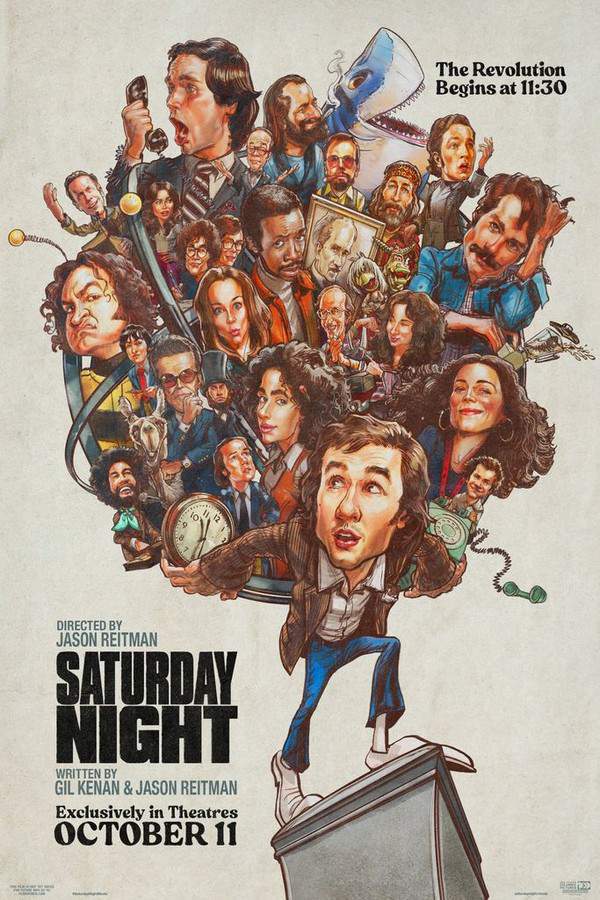
Saturday Night (2024) Detailed Story Recap
Big Shot’s Funeral (2001) Full Movie Breakdown
National Lampoon’s TV: The Movie (2006) Spoiler-Packed Plot Recap
Zelig (1983) Spoiler-Packed Plot Recap
National Lampoon’s Movie Madness (1982) Film Overview & Timeline
Movers & Shakers (1985) Movie Recap & Themes
Dummy (1000) Full Summary & Key Details
National Lampoon’s Senior Trip (1995) Ending Explained & Film Insights
National Lampoon’s Favorite Deadly Sins (1995) Spoiler-Packed Plot Recap
The Stooge (1951) Full Movie Breakdown
You Might As Well Live (2009) Full Movie Breakdown
Nothing Funny (1995) Spoiler-Packed Plot Recap