Year: 1991
Runtime: 140 min
Language: English
Director: Oliver Stone
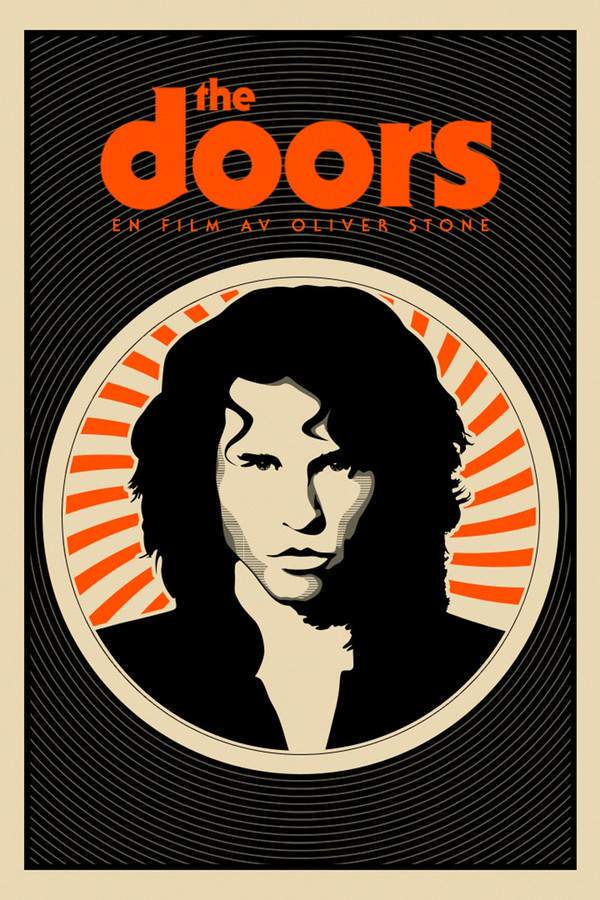
Fueled by Jim Morrison's rebellious nature, The Doors emerge as a defining force on the Los Angeles music scene during the psychedelic era. The film explores Morrison's transformation from a film student into a legendary and charismatic frontman, showcasing the band's rise to fame through their dark and poetic rock and roll. It portrays his tumultuous personal journey, marked by reckless abandon and creative expression, ultimately leading to a tragic end that secured his iconic status in rock history.
Warning: spoilers below!
Haven’t seen The Doors yet? This summary contains major spoilers. Bookmark the page, watch the movie, and come back for the full breakdown. If you're ready, scroll on and relive the story!
Read the complete plot breakdown of The Doors (1991), including all key story events, major twists, and the ending explained in detail. Discover what really happened—and what it all means.
On December 8, 1970, in a dimly lit recording studio, Jim Morrison (Val Kilmer), the charismatic frontman of The Doors, indulges in whiskey while capturing his poetry in a unique spoken-word format. As he records “An American Prayer” to a backdrop of pre-recorded music, the moment doubles as a celebration of his 27th birthday.
The narrative flashes back to the 1950s, depicting his family driving through the stark New Mexico desert, where they encounter a tragic car accident involving two families, including an American Indian family. An old Indian man, played by Floyd ‘Red Crow’ Westerman, lies dying and locks eyes with Jim, who feels a lingering connection despite his mother’s attempt to brush it off as a bad dream.
Jumping to 1965, we see a young Jim hitchhiking to California, where he enrolls at UCLA Film School. His avant-garde student film receives harsh criticism, yet a supportive classmate, Ray Manzarek ([Kyle MacLachlan]), reassures him of its merit. When pushed to defend his film by a professor (cameo by Oliver Stone), Jim simply declares, “I quit.”
In Venice Beach, he meets Pamela Courson (Meg Ryan), who becomes his lifelong partner. Their romance blossoms as they share heartfelt discussions about philosophy and poetry, climaxing in a passionate evening under the stars. Shortly after, Jim interrupts Ray’s meditation on the beach, sharing his poetic creations, which sparks the formation of their band. Along with John Densmore and Robby Krieger, they come up with the name The Doors, inspired by Aldous Huxley’s work.
With their initial practices held in Ray’s apartment, they fine-tune songs like “Break on Through” and “Light My Fire” as they progressively gain traction on LA’s Sunset Strip. Despite having a shy stage presence at first, Jim starts to attract attention, leading an agent to express interest in them.
Fast forward to 1966, the band strengthens its bond in Death Valley while trying peyote. Each member experiences profound visions as the haunting strains of “The End” echo in the background. A gig leads to their chance to record an album in just six days, which they embrace enthusiastically under the guidance of producer Paul Rothschild ([Michael Wincott]).
Their rise takes a turn when the band appears on The Ed Sullivan Show, performing “Light My Fire.” However, when asked to alter a lyric perceived as referencing drug use, Jim defiantly sticks to the original. The fallout leads to the show’s producers dismissing them, marking a bold stand against censorship.
As they navigate the vibrant but turbulent music scene, Jim’s life spirals deeper into revelry and chaos. A whirlwind of encounters includes Nico, lounging with her and Andy Warhol at The Factory while Pamela battles her demons.
The film vividly captures Jim’s reckless lifestyle, his strained relationship with Pamela, and turbulent interactions with the law. A significant moment unfolds during a concert in New Haven, where he provokes the police to arrest him mid-performance, igniting a riotous crowd response.
Following a tumultuous Thanksgiving gathering in 1968, filled with tension over infidelity and substance abuse, Jim and Pamela marry in a hasty ceremony. However, dark clouds loom as Jim’s erratic behavior leads to disastrous consequences, including a car accident after a wild party.
After failing to maintain his musical prowess due to excess, Paul warns Jim what alcohol can cost, referencing the tragic fate of Janis Joplin. Enraged by the commercial use of “Light My Fire,” Jim lashes out, showing the deteriorating state of his relationships with the band.
With increasing instability and the weight of criminal charges upon him, Jim and Pamela make a last-minute decision to escape to Paris, seeking peace. There, amidst fleeting moments with bandmembers, Jim pens his final thoughts in “An American Prayer.”
In a gripping conclusion, Pamela finds Jim lifeless in their Paris apartment on July 3, 1971. The film ends with poignant scenes of other artists’ graves while Jim’s remains a poignant marker of his legacy. Text rolls stating Jim’s death at the age of 27 and Pamela’s tragic following three years later, both reminders of the dark side of fame.
As the credits play, the band is seen recording “L.A. Woman,” encapsulating the bittersweet echoes of their journey.
Last Updated: November 03, 2024 at 13:36
Discover curated groups of movies connected by mood, themes, and story style. Browse collections built around emotion, atmosphere, and narrative focus to easily find films that match what you feel like watching right now.
Intense chronicles of brilliant talents consumed by their own demons.Explore movies like The Doors that follow the intense, tragic arcs of brilliant but troubled artists. This section features similar biopics and dramas where creative genius is shadowed by addiction and reckless abandon, leading to a heavy emotional conclusion.
Stories in this thread follow a clear, often chronological, biographical arc: a meteoric rise fueled by raw talent and charisma, followed by a descent into chaos driven by addiction, psychological deterioration, or reckless behavior, culminating in a tragic or bittersweet end that cements their iconic status.
Movies are grouped here due to their shared focus on the archetypal 'tortured artist' journey, combining dark tones, high emotional intensity from witnessing a downfall, and a steady pacing that meticulously builds towards an inevitable, sad conclusion.
Atmospheric journeys into the rebellious souls that defined an era.Find movies similar to The Doors that capture the dark, charismatic energy of rebellious icons and the psychedelic counterculture era. If you liked the film's atmospheric portrayal of 1960s rock and roll and tragic fame, explore these stories.
These narratives often use a straightforward structure to place a charismatic, flawed individual at the center of a cultural revolution. The plot explores their impact on the world and the world's impact on them, highlighting the tension between creative freedom and self-destruction within a vivid historical setting.
These films are united by a dark yet charismatic tone, a high-intensity portrayal of rebellion, and a deep immersion into a specific countercultural world (e.g., rock music, beat poetry). They share a heavy emotional weight stemming from the clash between iconic status and personal tragedy.
Don't stop at just watching — explore The Doors in full detail. From the complete plot summary and scene-by-scene timeline to character breakdowns, thematic analysis, and a deep dive into the ending — every page helps you truly understand what The Doors is all about. Plus, discover what's next after the movie.
Track the full timeline of The Doors with every major event arranged chronologically. Perfect for decoding non-linear storytelling, flashbacks, or parallel narratives with a clear scene-by-scene breakdown.
Discover the characters, locations, and core themes that shape The Doors. Get insights into symbolic elements, setting significance, and deeper narrative meaning — ideal for thematic analysis and movie breakdowns.
Get a quick, spoiler-free overview of The Doors that covers the main plot points and key details without revealing any major twists or spoilers. Perfect for those who want to know what to expect before diving in.
Visit What's After the Movie to explore more about The Doors: box office results, cast and crew info, production details, post-credit scenes, and external links — all in one place for movie fans and researchers.
Discover movies like The Doors that share similar genres, themes, and storytelling elements. Whether you’re drawn to the atmosphere, character arcs, or plot structure, these curated recommendations will help you explore more films you’ll love.
The Doors (1991) Scene-by-Scene Movie Timeline
The Doors (1991) Movie Characters, Themes & Settings
The Doors (1991) Spoiler-Free Summary & Key Flow
Movies Like The Doors – Similar Titles You’ll Enjoy
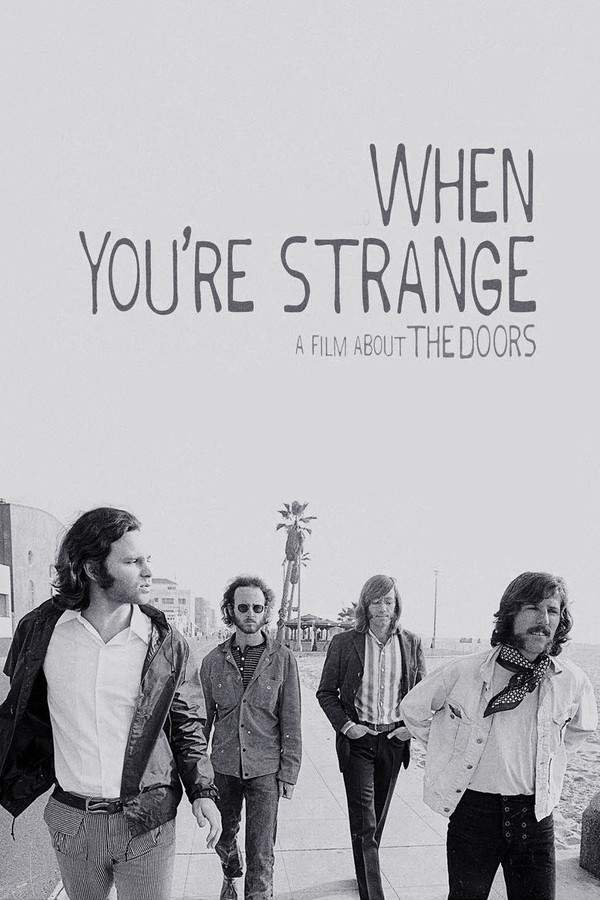
When You're Strange (2010) Detailed Story Recap
Stoned (2006) Ending Explained & Film Insights
Troubadours (2011) Complete Plot Breakdown
The Doors - Soundstage Performances (2002) Plot Summary & Ending Explained
The Doors - The Soft Parade (1991) Film Overview & Timeline
No One Here Gets Out Alive: A Tribute To Jim Morrison (1981) Full Movie Breakdown
The Doors: Live in Europe 1968 (1991) Full Summary & Key Details
Down on Us (1984) Full Summary & Key Details
The Doors - Dance on Fire (1985) Movie Recap & Themes
The Doors: Live at the Bowl ’68 (1987) Full Movie Breakdown
The Doors: Feast of Friends (1968) Story Summary & Characters
Stardust (1974) Ending Explained & Film Insights
The Doors: Collection (1999) Story Summary & Characters
Classic Albums: The Doors (2008) Story Summary & Characters
The Doors Are Open (1968) Full Movie Breakdown