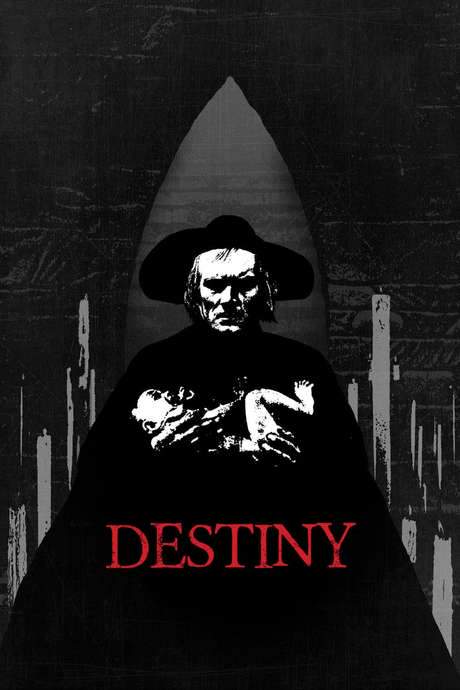
Vincent Omata, Leonardo Nam, a Japanese American man living in Gotham City, loves to draw on his bedroom floor for hours at a time and dreams of one day becoming an artist. From childhood onward, time seems to pause when he creates, but as he grows, his dreams clash with reality. Ignoring his father's criticisms, he enrolls in the fine arts program at Gotham University as an adult, only to have a professor dismiss him as not talented enough and cruelly suggest a move into dentistry. The sting of that rejection pushes him to drop out and continue practicing at home, where his dedication becomes a private, stubborn ritual even as the rest of his life stalls.
This stubborn artistic fever takes a toll on his personal life. His relationship with his girlfriend Charlotte becomes strained, and after six years she walks out, leaving him to navigate a string of dead-end jobs while his creative energy remains trapped in unfinished canvases. He keeps painting in fits and starts, clutching at a spark that refuses to ignite into a sustainable career. The weight of failure gnaws at his mental health, and he becomes a chain smoker, surrounded by the ghosts of what might have been.
In the present, Vincent works as a groundskeeper, painting Arkham Asylum’s gates with a slow, stubborn pace that finally costs him his job. He seeks solace at a bar, where the past crowds in with him—fiery demons that take the form of people from his history: his father, his art professor, Charlotte, and a former Arkham boss who taunt him wherever he goes. It’s there that he encounters a pale woman in black clothes and gothic makeup, a figure who seems both human and otherworldly. At the bar, Vincent is drawn to her, and he expresses a desire to paint her portrait, though she explains she has to go and leaves to meet Pedro, a fellow employee who collapses and is taken away by emergency vehicles.
Back home, Vincent returns to a decrepit apartment that holds an easel, a blank canvas, and a history of unfinished paintings. He shoots up and sinks into a deep sleep, only to wake to a crash and a scene outside his window: the pale woman is being yelled at by two strangers. He rushes outside to help, but discovers the two people are the victims of a recent car crash. The woman invites him upstairs to see his work, and he leads her into his dim, cluttered world of canvases and memories. Inside, the demons torment him, relentlessly taunting him about his failures, while the woman notices a spark in his talent that has been missing for a long time.
As Vincent begins to paint, the demons die off one by one, driven to extinction by the act of creation. When the portrait is finished, he is astonished by the image, but time itself seems to fragment—the day remains, yet everyone around him is frozen as if the world has paused. It is revealed that the mysterious woman is Death, Jamie Chung, the personification of the end. Vincent has died hours earlier from a heroin overdose, and he had hoped that his portrait would give his life some lasting meaning. But as time resumes and ash from a cigarette in his corpse’s hand falls onto loose papers, a fire erupts in the apartment. He cannot reach the painting, and he lashes out at Death, who insists she is not to blame and that the end of his life was written in the book of Destiny long before he was born.
In a final act of defiance and longing, Vincent pleads for the painting to be saved. He changes into his younger self, and Death takes him by the hand toward the afterlife. The fire rages, but when firefighters arrive and the ashes are cooled, the apartment is destroyed—except for the portrait, which endures as the last testament of a life that finally found its spark in the act of creation itself.