


Plot Explained Spoilers guaranteed!
Plot Explained

Browse by genre

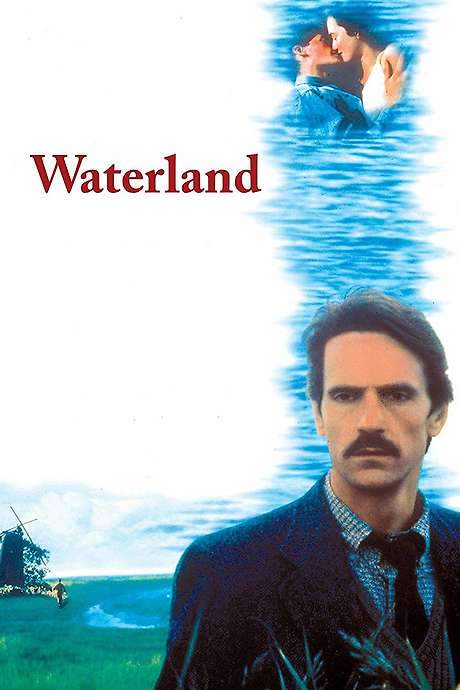
Waterland (1992) movie poster

Characters & Themes

Waterland (1992) Characters, Setting & Themes Explained

Release, runtime and language
1992 · 95 mins · English
Directed by
Stephen Gyllenhaal
Starring
Jeremy Irons, Cara Buono, Ethan Hawke, John Heard, Maggie Gyllenhaal, Lena Headey

A troubled high school history teacher embarks on a profound reassessment of his life, choosing to share his reflections with his students. As he narrates his own story, he weaves together the experiences of three generations of his family, linking past and present in a compelling classroom narrative.

On this page (10)
  1. 1 Where to watch
  2. 2 Characters explained (7)
  3. 3 Where & when it takes place
  4. 4 Themes & meaning (3)
  5. 5 Character & meaning questions
  6. 6 The book behind the movie
  7. 7 Movie threads
  8. 8 Movies like Waterland
  9. 9 Categories
  10. 10 Every angle

Where to watch

Where to Watch Waterland (1992)

Where can you watch Waterland? Stream, rent or buy it in the US, including on Amazon Video and Apple TV Store: current JustWatch availability with up-to-date prices.

Streaming availability powered by JustWatch

7 main characters · contains spoilers

Waterland Characters Explained: Who Is Who

The main characters of Waterland (1992), heroes and villains: what drives them, how they change over the course of the story and what each of them reveals about the film's bigger ideas.

  • Tom Crick

    played by Jeremy Irons

    Tom Crick is an English-born history teacher who, in 1974, begins narrating his life to his class. He is introspective and haunted by a tumultuous past involving his wife, Mary, and a complex family history. His method shifts from traditional instruction to a personal, confessional storytelling that blurs the line between history and memory.

    • 🎭 Drama
    • 🧭 History
    • 🧠 Introspection
  • Mary Crick

    played by Sinéad Cusack

    Mary Crick is Tom’s wife whose mental health deteriorates, triggering a crisis that reverberates through their lives. Her longing for a child and her relationships during the war contribute to the family’s unfolding tragedy. Her actions, including the abduction incident, propel Crick into deeper introspection about memory and responsibility.

    • 💔 Mental Health
    • 🧬 Family
    • 🕊️ Love
  • Dick Crick

    played by David Morrissey

    Dick Crick is Tom’s older brother, volatile and troubled. His jealousy and impulsive violence drive key events, including the murder of Freddie Parr and his subsequent unraveling. His actions anchor the darker side of the family’s legacy and the story’s exploration of inherited guilt.

    • 🧠 Mental Health
    • 🗡️ Violence
    • 🕯️ Secrets
  • Freddie Parr

    played by Callum Dixon

    Freddie Parr is a local youth whose death becomes a catalyst for the tragedy enveloping Tom’s family. His murder, believed to be tied to a pregnancy, triggers a chain of confrontations and the revelation of hidden motives. His fate exposes how the past forcefully intrudes on the present.

    • 💰 Local
    • 🕳️ Death
    • 🕵️ Mystery
  • Matthew Price

    played by Ethan Hawke

    Matthew Price is Crick’s student who understands the deeper reasons behind the teacher’s digressions into personal history. He represents a hopeful, forward-looking perspective within the classroom. Price’s engagement anchors the present-day narrative and offers a lens for contemplating the future of humanity.

    • 🎓 Student
    • 🧭 Hope
    • 🗣️ Listener
  • Peter

    played by Sean Maguire

    Peter is another student who encounters Crick in the classroom and witnesses the shifting balance between history and memory. His presence underscores the impact of Crick’s confessional teaching on younger minds. He embodies the younger generation’s response to past traumas being voiced in the present.

    • 🎒 Student
    • 🗣️ Attention
    • 🧭 Growth
  • Young Tom Crick

    played by Grant Warnock

    Young Tom Crick is the teenage version of the narrator, growing up amid wartime romance and family tensions. His early experiences foreshadow the later tragedy and the questions of paternity that haunt the family. This younger self reveals how innocence can intersect with guilt and secrecy.

    • 🧒 Youth
    • 💔 Love
    • 🕊️ Tragedy

Last updated: October 04, 2025 at 18:32

Was this helpful?

Setting

Where and When Does Waterland Take Place?

The setting of Waterland (1992): the year and time period, the places and locations, and how they shape the characters, the mood and the tension of the story.

Time period

1974 (present-day) with World War II flashbacks

The story largely unfolds in 1974, seen through the eyes of a teacher who reflects on his life. It intercuts with World War II-era memories, revealing the origins of the family’s tragedy. The contrast between a restless 1970s Britain and the war years highlights how past events continue to shape the present.

Location

The Fens, England

The Fens are a flat, damp marshland region in eastern England, shaped for centuries by drainage ditches and rivers. The landscape is expansive, with wide skies and gentle water, creating a contemplative backdrop for memory and history. Its remote, waterlogged atmosphere mirrors the characters’ emotional isolation and the weight of generations of secrets.

  • 🌫️ Marshland
  • 🏞️ Rural England
  • 🗺️ English landscape

Last updated: October 04, 2025 at 18:32

Was this helpful?

3 major themes

Waterland Meaning: Themes & Message Explained

What is Waterland (1992) really about? The emotional, social and philosophical themes the film keeps returning to, its symbolism and the message beneath the surface.

  • Memory & History

    The film blurs personal memory with official history, showing how stories are crafted in the classroom and in private life. Crick uses his life as a teaching tool, suggesting that memory can illuminate truth or distort it. The interplay between past and present drives the narrative and questions what counts as real history.

  • Guilt & Responsibility

    Guilt permeates Crick’s life, from a troubled wartime romance to the unresolved abortion and the violent acts within his family. The weight of what happened compounds as he revisits choices and their consequences. The film explores whether responsibility for pain can ever be wholly redeemed.

  • Secrets & Family

    The Crick family is built on hidden truths and whispered rumors that emerge over time. Letters, suspicion of incest, and murder expose how secrets shape identities and destinies. The narrative suggests that uncovering hidden pasts is both dangerous and unavoidable.

Last updated: October 04, 2025 at 18:32

Was this helpful?

Character & theme questions

Waterland Characters & Meaning: Your Questions Answered

The questions people ask about Waterland (1992): who the characters really are, their relationships, what the symbols mean, where it takes place and what the movie is really about. Each answer contains spoilers.

Q1

Where does the story take place?

The narrative is primarily set in The Fens, a flat marshland region in eastern England. This waterlogged landscape creates a contemplative backdrop that mirrors the emotional isolation found in Waterland. The remote environment emphasizes the weight of generations of secrets held by the characters.

Foreshadowing: The opening shots of drainage ditches hint at the submerged history to come.

  • the fens
  • england
  • setting
  • marshland
  • location
Q2

When does the story happen?

The timeline unfolds mainly in 1974, viewed through the eyes of a history teacher reflecting on his life. It intercuts with World War II-era memories that reveal the origins of the family tragedy. This contrast between eras highlights how past events continue to shape the present in Waterland.

Foreshadowing: Classroom dates on the chalkboard establish the 1974 framework early.

  • 1974
  • world war ii
  • timeline
  • era
  • flashbacks
Q3

What does the landscape symbolize?

The damp, expansive Fens symbolize the characters' emotional isolation and the burden of history. Its gentle water and wide skies provide a reflective atmosphere for memory and truth. In Waterland, the physical environment acts as a metaphor for the submerged secrets of the family.

Foreshadowing: Early scenes of mist over the water suggest obscured truths.

  • symbolism
  • landscape
  • fens
  • isolation
  • metaphor
Q4

What is the main theme regarding history?

The film blurs personal memory with official history, showing how stories are crafted in both the classroom and private life. Tom Crick uses his own life as a teaching tool to suggest memory can illuminate truth or distort it. Waterland questions what counts as real history versus personal narrative.

Foreshadowing: The teacher's initial lecture style hints at his later personal digressions.

  • history
  • memory
  • theme
  • truth
  • narrative
Q5

How does guilt affect the characters?

Guilt permeates the protagonist's life, stemming from a troubled wartime romance and unresolved family actions. The weight of past choices compounds as he revisits consequences like abortion and violence. Waterland explores whether responsibility for pain can ever be wholly redeemed.

Foreshadowing: Tom's hesitant demeanor in class signals internal burden.

  • guilt
  • responsibility
  • trauma
  • consequences
  • emotion
Q6

What role do family secrets play?

The Crick family is built on hidden truths and whispered rumors that emerge slowly over time. Letters, suspicion of incest, and murder expose how secrets shape identities and destinies. The narrative suggests that uncovering hidden pasts is both dangerous and unavoidable in Waterland.

Foreshadowing: Old photographs and locked drawers hint at concealed history.

  • secrets
  • family
  • rumors
  • hidden truths
  • identity
Q7

Who is Tom Crick?

Tom Crick is an English-born history teacher who begins narrating his life to his class in 1974. He is introspective and haunted by a tumultuous past involving his wife and complex family history. His method shifts from traditional instruction to personal confessional storytelling.

Foreshadowing: His distracted gaze during lessons hints at his preoccupation.

  • tom crick
  • protagonist
  • teacher
  • narrator
  • role
Q8

What is Mary Crick's role?

Mary Crick is Tom's wife whose mental health deteriorates, triggering a crisis that reverberates through their lives. Her longing for a child and her relationships during the war contribute to the family's unfolding tragedy. Her actions propel Crick into deeper introspection about memory in Waterland.

Foreshadowing: Mary's quiet distress in early scenes signals future instability.

  • mary crick
  • wife
  • mental health
  • tragedy
  • motivation
Q9

Who is Dick Crick?

Dick Crick is Tom's older brother, characterized as volatile and troubled throughout the story. His jealousy and impulsive violence drive key events including the murder of Freddie Parr and his subsequent unraveling. His actions anchor the darker side of the family legacy in Waterland.

Foreshadowing: Dick's aggressive behavior in youth scenes predicts later violence.

  • dick crick
  • brother
  • violence
  • jealousy
  • antagonist
Q10

How is the story structured?

The narrative employs a non-linear framework where the present-day story acts as a framing device for dense flashbacks. Intergenerational memories reveal the plot in pieces rather than chronological order. This complex structure in Waterland emphasizes how the past intrudes on the present.

Foreshadowing: Shifts in lighting distinguish timeline layers from the start.

  • structure
  • non-linear
  • flashbacks
  • narrative
  • framing
Q11

What is the tone of the film?

The dominant tone is melancholic, defined by the teacher's painful reassessment of his life and pervasive loss. High emotional intensity arises from anguish, mental decline, and the uncovering of traumatic secrets. Waterland maintains a heavy emotional weight throughout its runtime.

Foreshadowing: The grey color palette establishes the somber mood immediately.

  • tone
  • melancholic
  • mood
  • emotion
  • atmosphere
Q12

Why does the teacher change his style?

He shifts from traditional instruction to personal confessional storytelling to blur the line between history and memory. Crick uses his life as a teaching tool to make the past relevant to his students. This change in Waterland suggests that memory can illuminate truth.

Foreshadowing: Student boredom in early lectures prompts his methodological shift.

  • teaching
  • method
  • storytelling
  • classroom
  • change
Q13

How do students react to the story?

Student Matthew Price understands the deeper reasons behind the teacher's digressions into personal history. He represents a hopeful, forward-looking perspective within the classroom setting. His engagement anchors the present-day narrative and offers a lens for contemplating the future.

Foreshadowing: Price's attentive note-taking signals his unique understanding.

  • students
  • reaction
  • matthew price
  • perspective
  • future
Q14

What defines the family dynamic?

The Crick family dynamic is built on hidden truths and whispered rumors that emerge over time. Suspicion of incest and murder expose how secrets shape identities and destinies within the group. Waterland suggests that uncovering hidden pasts is both dangerous and unavoidable.

Foreshadowing: Tension at family dinners hints at underlying discord.

  • family
  • dynamic
  • secrets
  • tension
  • relationships
Q15

How does the movie conclude emotionally?

The ending feels bittersweet as the protagonist is dismissed from his job and returns to the Fens burdened by the past. The final image suggests a potential for reconciliation and new possibilities despite the heavy history. Waterland blends the weight of history with a glimmer of hope.

Foreshadowing: The river imagery throughout hints at eventual flow and release.

  • ending
  • conclusion
  • bittersweet
  • hope
  • resolution

Movie threads

More Movies Like Waterland, by Mood & Story

Curated lists built around what makes Waterland tick: the same mood, the same kind of story or the same emotional payoff. Each list explains why these movies belong together.

Movies with unreliable narrators like Waterland

Stories where a troubled protagonist unravels a traumatic past. If you liked the way Waterland's teacher reveals his past, explore more movies like it. These films feature troubled protagonists who act as unreliable narrators, slowly uncovering traumatic family histories and personal secrets in a complex, reflective narrative style.

  • introspective
  • haunted
  • reflective
  • somber
  • psychological
  • guilty
  • Tone: melancholic, introspective, anguished
  • Pacing: variable, reflective
Why these movies?

The story pattern: This thread groups movies where the narrative is filtered through the distorted perspective of a psychologically wounded protagonist. The story structure is often non-linear, using flashbacks and personal recollections to piece together a traumatic truth, blurring the lines between memory, confession, and reality.

Why they belong together: These movies share a focus on internal psychological states, complex narrative structures, and the heavy emotional weight of confronting a buried past. They create a similar experience of slowly discovering the truth alongside a flawed, introspective character.


Movies about generational trauma like Waterland

Dramas where the sins of the past haunt the present. For viewers who appreciated the deep exploration of family history in Waterland, this section features similar movies about generational trauma. These heavy dramas show how secrets, grief, and tragedies from the past ripple through time, shaping the present in complex and melancholic ways.

  • somber
  • gloomy
  • haunted
  • grief
  • reflective
  • anguished
  • Tone: melancholic, somber, heavy
  • Pacing: variable, slow build
Why these movies?

The story pattern: Narratives in this thread weave together timelines, connecting past events—often involving family secrets, loss, or violence—with the contemporary struggles of descendants. The emotional journey involves confronting this inherited pain to understand one's own identity and find a path forward, often leading to a bittersweet resolution.

Why they belong together: These films are grouped by their central thematic focus on inherited pain and the inextricable link between past and present. They share a heavy, melancholic tone, complex storytelling that bridges time, and a deep emotional resonance centered on family legacy.

If you liked this

Movies Like Waterland

Similar movies to Waterland: the same genre, themes or kind of story. Each one comes with its own plot summary, timeline and ending explained.

Browse all movie summaries

Categories

Movie Lists Featuring Waterland

Waterland appears in these hand-built movie categories. Each one groups movies by a specific mood, theme or story type, with their plot summaries and endings explained.

View all movie categories

Every angle

Waterland (1992) Explained: Plot, Timeline & Characters

Everything about Waterland in one place: what happens in the plot summary, the timeline in chronological order, the characters and meaning and a spoiler-free summary. What's After the Movie adds the cast, box office and post-credit scenes.

Coming soon on iOS and Android

The Plot Explained Movie Summary App

Plot summaries, endings explained and timelines on your phone. Catch up on any movie in minutes, save your favorites and never miss a twist again.

Be the first to know when we launch. Your email stays private, always.

Learn more about the app